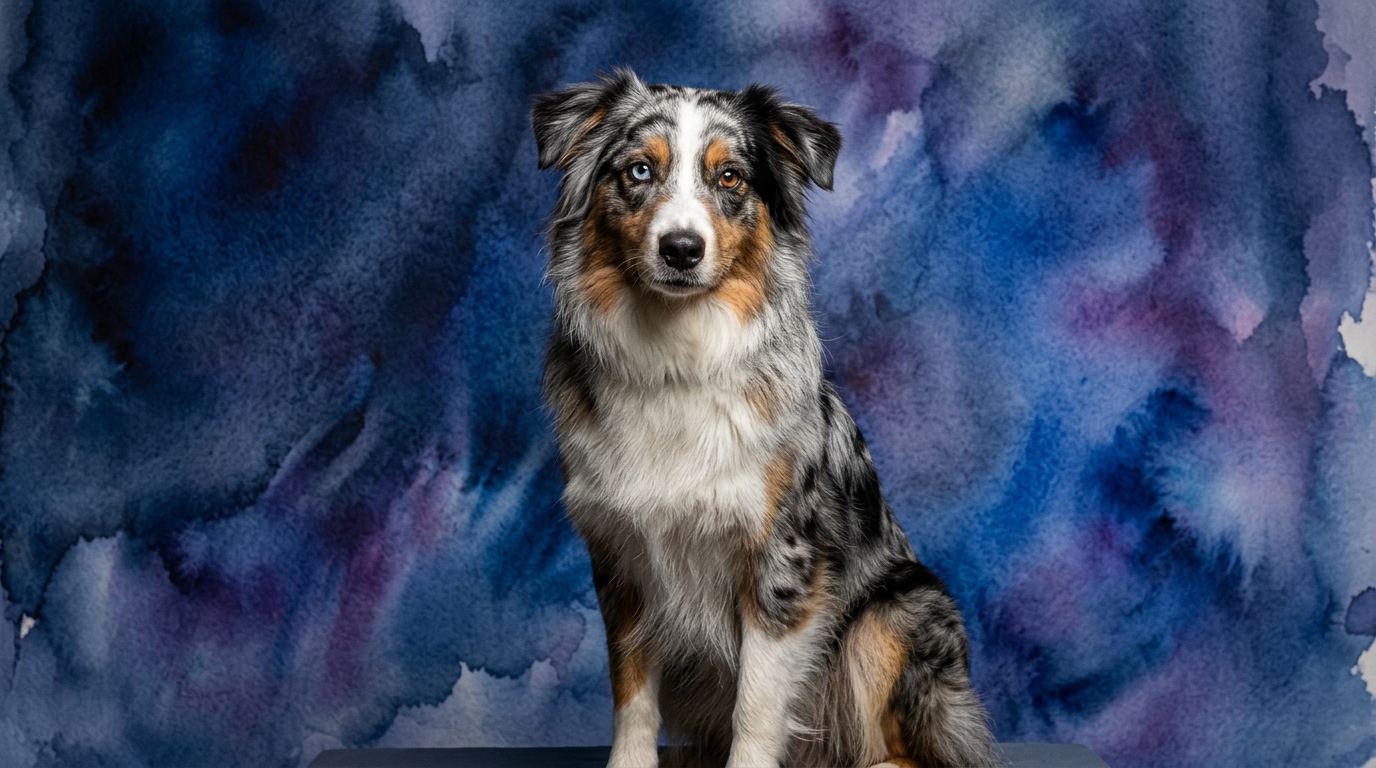
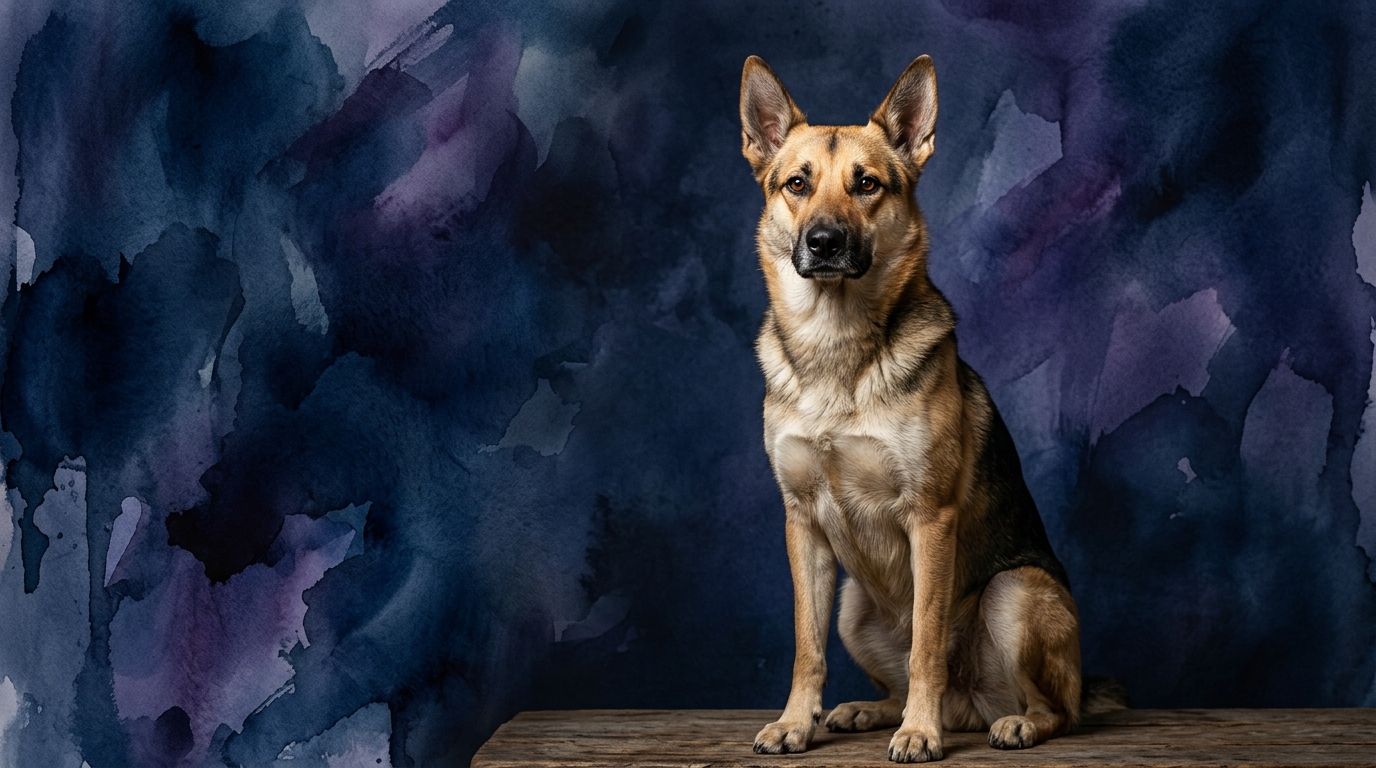
The Cosmic Pet Pet IQ Lab: A Side-by-Side Cognitive Profile
The Cosmic Pet Pet IQ Lab assesses canine cognition across five crucial dimensions: Problem Solving, Training Speed, Social Intelligence, Instinctive Drive, and Memory. These metrics provide a nuanced understanding of a breed's mental aptitudes. For the Australian Shepherd, the scores are Problem Solving 5/5, Training Speed 5/5, Social Intelligence 4/5, Instinctive Drive 5/5, and Memory 5/5. The Canaan Dog presents a different pattern with Problem Solving 3/5, Training Speed 3/5, Social Intelligence 3/5, Instinctive Drive 3/5, and Memory 4/5.
The Australian Shepherd's profile paints a picture of exceptional mental agility. A perfect 5/5 in Problem Solving indicates a breed that quickly analyzes novel situations and devises effective strategies, from complex puzzle toys to new agility courses. Their 5/5 Training Speed reflects an eagerness to learn and retain commands rapidly, often anticipating handler cues. A 4/5 in Social Intelligence suggests attunement to human emotions and social structures, while their 5/5 Instinctive Drive underscores a strong inherent motivation for work, especially herding. Finally, a 5/5 Memory ensures they retain learned behaviors and experiences with remarkable fidelity.
In contrast, the Canaan Dog presents a more self-reliant cognitive blueprint. Their 3/5 Problem Solving indicates a practical approach, capable of resolving challenges but less inclined towards intricate, multi-step solutions than the Aussie. A 3/5 Training Speed suggests they learn at a steady pace, requiring consistent, patient instruction, rather than instant grasp. Their 3/5 Social Intelligence points to a reserved social demeanor, capable of forming bonds but often maintaining independence from human companions. The 3/5 Instinctive Drive highlights a robust, less overtly directed, natural inclination for vigilance and territory protection, rather than intense cooperative work. Their 4/5 Memory is commendable, indicating good retention of experiences and training, a notch below the Aussie's perfect score.
Where the Australian Shepherd Demonstrates Cognitive Advantage
The Australian Shepherd's superior Problem Solving (5/5 vs. 3/5) and Training Speed (5/5 vs. 3/5) are perhaps their most pronounced cognitive advantages. An Aussie will often approach a new environmental challenge, such as a gate that needs nudging open or a toy hidden under an obstacle, with an experimental zeal, trying different methods until success is achieved. This proactive, trial-and-error problem-solving is a hallmark of their cognitive flexibility. When it comes to learning new commands or complex sequences, the Aussie's mind acts like a sponge, absorbing information with remarkable speed. They don't just memorize; they seem to grasp the underlying intent of a command, allowing for quicker generalization to new contexts.
Their perfect 5/5 in Instinctive Drive, particularly for herding, means they possess an innate, powerful motivation that can be channeled into various activities, from competitive dog sports to structured tasks. This drive, combined with their 5/5 Memory, creates a dog that not only wants to work but remembers intricate routines and cues over long periods, making them exceptional candidates for advanced obedience, agility, and even search and rescue. An Aussie recalling a complex sequence of obstacles after weeks of absence from the course exemplifies this enduring cognitive capacity.
While both breeds are capable of forming strong bonds, the Australian Shepherd's 4/5 Social Intelligence gives them an edge in highly collaborative tasks. They often appear to 'read' their handler's body language and subtle cues with greater precision, anticipating instructions before they are explicitly given. This attunement fosters a deeper working partnership, where the dog isn't just following commands but actively engaging in a shared objective, a quality that makes them stand out in disciplines requiring intricate teamwork.
Where the Canaan Dog Holds Unique Cognitive Strengths
While the Canaan Dog's Problem Solving score is lower, their 3/5 rating reflects a practical, independent approach rather than a deficit. These dogs were historically bred to survive and thrive in harsh desert environments, requiring them to make sound judgments without human intervention. Their problem-solving often manifests in self-preservation and resourcefulness, such as finding the best vantage point for observation or discerning safe pathways. Coupled with a strong 4/5 Memory, a Canaan Dog will remember specific safe zones, reliable water sources, or past interactions with other animals, using this information to inform future independent decisions.
The Canaan Dog's 3/5 Social Intelligence and Instinctive Drive, while lower than the Aussie's, are indicative of their ancestral role as a pariah dog and guardian. Their social intelligence allows them to be discerning, forming deep bonds with their chosen family while remaining wary of strangers, a trait valuable for protection. Their instinctive drive is less about cooperative herding and more about territorial vigilance and self-sufficiency. This drive translates into an innate awareness of their surroundings and a strong protective instinct for their home and family, making them excellent natural watchdogs who rely on their own assessment of situations rather than constant direction.
The Canaan Dog's cognitive makeup allows for a remarkable degree of resiliency and adaptive independence. They are not easily flustered by changes in routine or environment, often taking new experiences in stride with a calm, observant demeanor. This capacity to adapt and make decisions independently, rooted in centuries of natural selection, is a distinct cognitive strength that allows them to function effectively even when human guidance is limited or absent, a stark contrast to the more handler-dependent Aussie.
Training Dynamics: Australian Shepherd vs. Canaan Dog
Given their 5/5 Training Speed and 5/5 Memory, the Australian Shepherd is generally a more straightforward breed to train. They are eager to please, respond enthusiastically to positive reinforcement, and quickly associate commands with actions. Their high social intelligence means they are attuned to handler feedback, making corrections or refinements in behavior relatively seamless. An Aussie often finds training itself to be a rewarding mental exercise, thriving on the engagement and challenge of learning new skills, which further accelerates their progress. This inherent motivation and rapid grasp mean they can move through basic obedience to advanced tasks with impressive efficiency.
The Canaan Dog, with a 3/5 Training Speed and a more independent nature, requires a different approach to training. They learn, but perhaps not with the same urgency or desire to please. Consistency, patience, and positive reinforcement are paramount, but trainers must also understand their independent streak. While they possess good memory (4/5), they might apply it to remembering what they want to do rather than always what you want. Their social intelligence, being more reserved, means they might not seek constant human approval, making intrinsic motivation or clear, concise commands more effective than effusive praise. Training a Canaan Dog often feels like a negotiation, building trust and respect for their independent judgment, rather than simply issuing commands.
Matching Cognitive Profiles to Lifestyles
For owners seeking an active, engaged companion ready for collaborative adventures, the Australian Shepherd's cognitive profile is a near-perfect match. Their intense instinctive drive (5/5) for work, combined with exceptional problem-solving and memory, means they thrive in environments offering consistent mental and physical challenges. Owners who enjoy dog sports like agility, obedience, flyball, or even complex trick training will find an Aussie to be an enthusiastic and capable partner. Their social intelligence and desire for interaction mean they want to be part of family activities, requiring owners who can integrate them deeply into their daily lives and provide ample structured engagement.
The Canaan Dog, on the other hand, suits owners who appreciate a more independent, observant, and less demanding companion. While they still require regular exercise, their cognitive makeup, emphasizing practical problem-solving and a moderate instinctive drive (3/5), means they don't constantly seek out complex tasks or extensive cooperative work. They are often content to patrol their yard, observe their surroundings, and enjoy quiet companionship. Owners who value a dog with a strong sense of self, a protective instinct, and a moderate need for structured mental stimulation will find the Canaan Dog's reserved social intelligence and resilient independence a comfortable fit. They are not a dog that needs constant 'jobs' in the same way an Aussie does, preferring purposeful activity over perpetual engagement.
The Verdict
Choose an Australian Shepherd if you desire a highly trainable, engaged partner for dog sports, complex tasks, and deep collaborative interaction. Their exceptional cognitive speed and drive make them ideal for active owners seeking a dynamic companion.
Opt for a Canaan Dog if you appreciate an independent, observant, and resilient companion with a strong protective instinct and less demand for constant, structured mental 'work.' They suit owners who value self-sufficiency and a more subtle form of companionship.
🧠 Find Your Pet's IQ Score
Our Pet IQ Lab assessment covers 25+ tests across 5 cognitive dimensions — personalized to your breed.
Take the Full IQ Test →Frequently Asked Questions
Do Australian Shepherds need constant mental stimulation?
Yes, Australian Shepherds, with their 5/5 Problem Solving and Instinctive Drive, genuinely thrive on mental challenges. Without adequate engagement, they can become bored and potentially develop undesirable behaviors, as their minds are always seeking an outlet.
Are Canaan Dogs difficult to train due to their independence?
While not 'difficult,' Canaan Dogs require a patient, consistent training approach that respects their independent nature. Their 3/5 Training Speed means they learn at a steady pace, and they may not always prioritize human directives over their own judgment, requiring clear motivation.
Which breed is better for a first-time dog owner?
Generally, the Australian Shepherd's eagerness to please and rapid training speed make them a more forgiving choice for a first-time owner willing to dedicate significant time to their energy and mental needs. The Canaan Dog's independence and discerning nature might be more challenging for someone without prior dog experience.