Side-by-Side IQ Profile: Australian Shepherd vs. Chihuahua
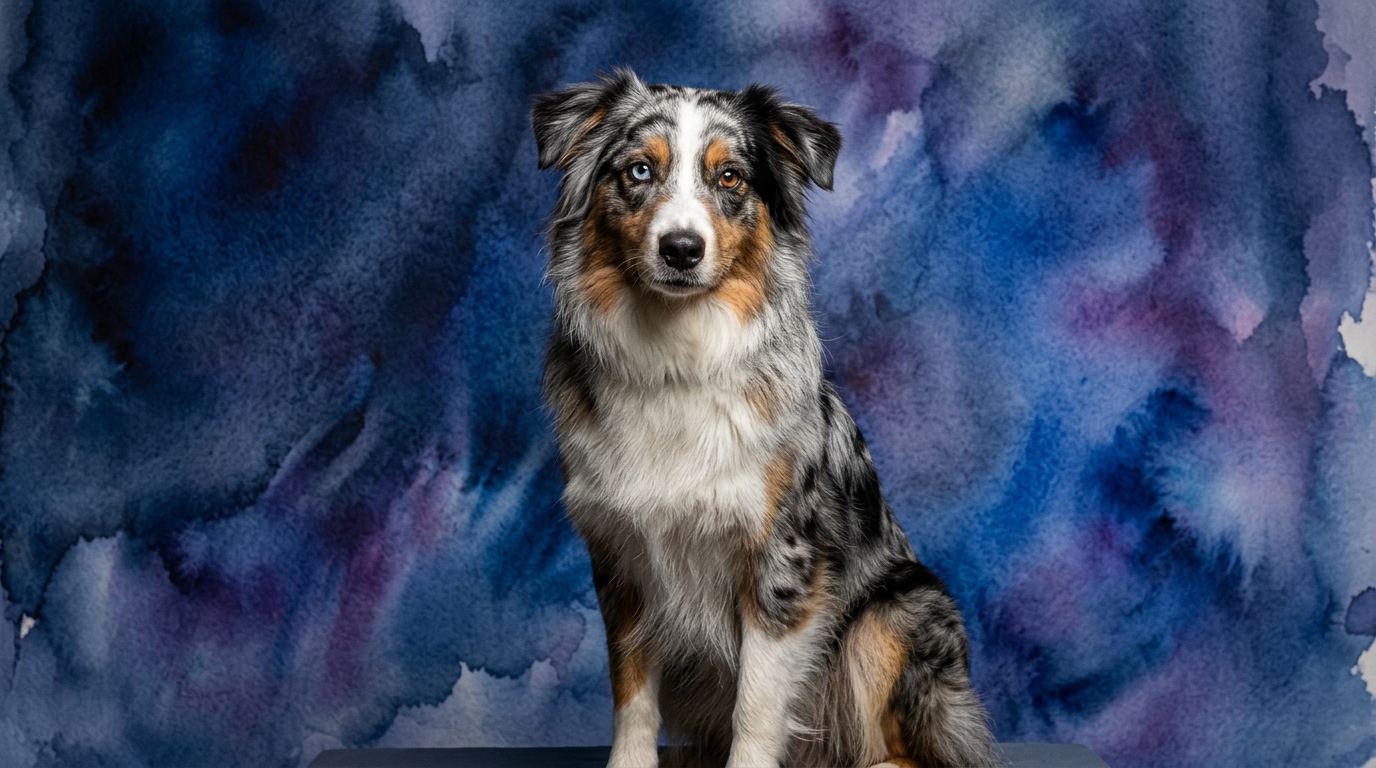
The Australian Shepherd, a robust herding dog not evaluated by Coren's general rankings, exhibits an exceptional cognitive profile according to The Cosmic Pet Pet IQ Lab. Their Problem Solving is rated 5/5, indicating a profound ability to analyze situations and formulate effective solutions, often demonstrating ingenuity in complex scenarios. Training Speed is also 5/5, reflecting their rapid assimilation of new commands and intricate routines, eager to engage with learning challenges. Social Intelligence stands at 4/5, showing a strong grasp of human intentions and social dynamics, though they can be reserved with strangers and require proper introductions. An Instinctive Drive of 5/5 underscores their powerful genetic inclination for herding, organization, and purposeful work, making them driven collaborators. Lastly, their Memory is 5/5, enabling them to retain intricate sequences, past experiences, and learned behaviors with impressive longevity and accuracy.
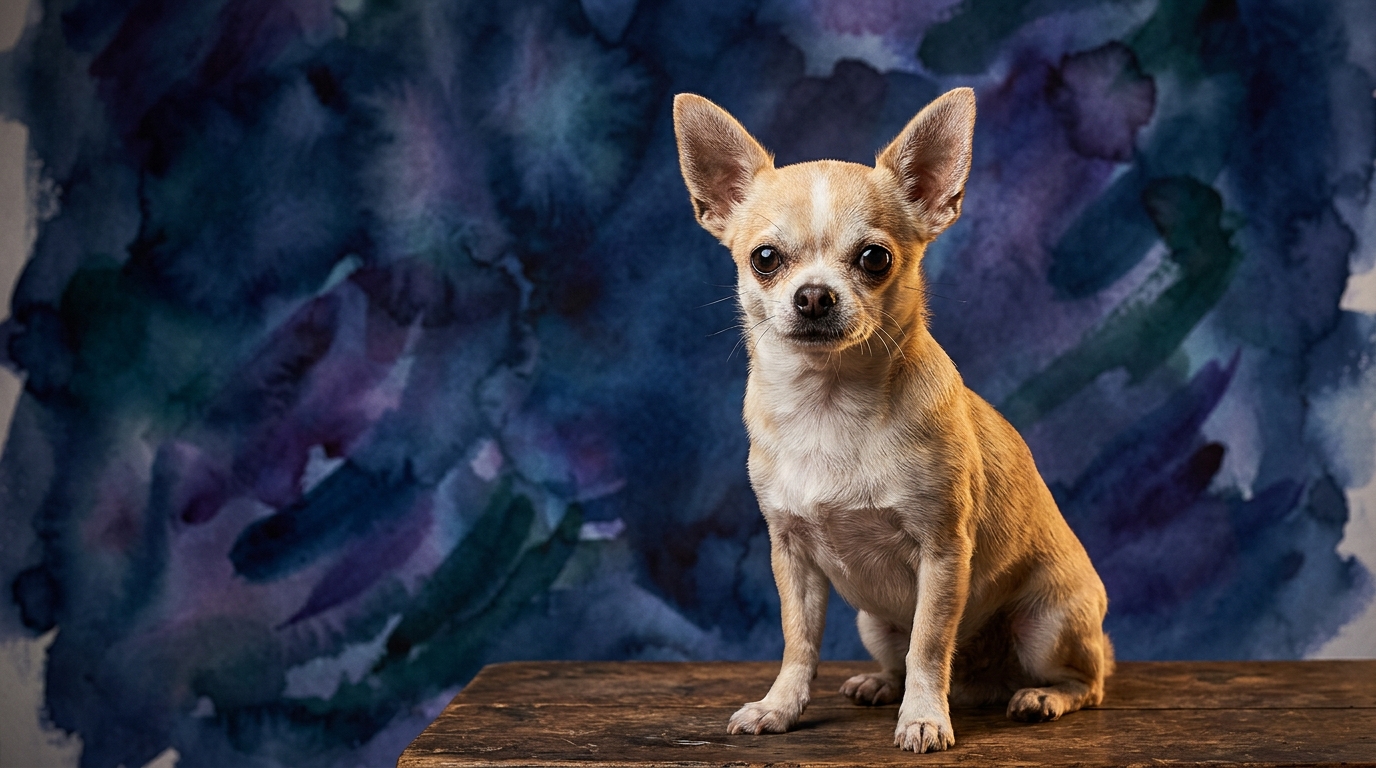
In contrast, the Chihuahua, a diminutive toy breed ranked #67 by Coren for obedience and working intelligence, presents a distinct set of mental attributes. Their Problem Solving is 3/5, meaning they are capable of navigating straightforward challenges but may not seek out or excel at intricate cognitive puzzles that demand abstract thought. Training Speed is 3/5, suggesting they learn at a moderate pace, requiring consistent methods, patience, and positive reinforcement to internalize new behaviors effectively. Social Intelligence matches the Aussie at 4/5, highlighting their acute sensitivity to their owner's emotional states and their capacity for deep, often exclusive, social bonds. Their Instinctive Drive is 3/5, manifesting as alertness, a strong desire for companionship, and territorial vocalizations rather than complex task orientation. Finally, their Memory is 4/5, allowing them to recall familiar routines, people, and preferred spots with reliability, learning effectively from their immediate environment and experiences.
Where the Australian Shepherd Wins Cognitively
The Australian Shepherd's cognitive strengths are particularly evident in areas demanding complex mental engagement and rapid learning. Their 5/5 Problem Solving score means they excel at tasks requiring logical deduction and creative solutions, such as figuring out how to open a multi-latch puzzle toy or navigating a novel obstacle course. This aptitude extends to adapting quickly to new environments or unexpected changes in routine, demonstrating a remarkable mental flexibility.
Furthermore, their 5/5 Training Speed allows them to absorb new commands and multi-step tasks with impressive swiftness, often mastering intricate sequences in fewer repetitions than many other breeds. Coupled with a 5/5 Memory, an Aussie can recall these learned behaviors and complex routines even after extended breaks, making them exceptional candidates for advanced dog sports like agility, obedience trials, or even service work. Their powerful 5/5 Instinctive Drive fuels a desire to work and collaborate, providing an internal motivation that enhances their cognitive performance in structured activities, transforming challenges into engaging opportunities for mental effort.
Where the Chihuahua Wins Cognitively
While not geared for herding or complex problem-solving in the same vein as an Australian Shepherd, the Chihuahua possesses distinct cognitive advantages, particularly in social attunement and navigating their human-centric world. Their 4/5 Social Intelligence is a standout, allowing them to be incredibly perceptive of their owner's moods, intentions, and subtle cues. This sensitivity enables them to offer comfort, solicit attention, or anticipate needs with a precision that fosters exceptionally strong, devoted bonds.
The Chihuahua's 3/5 Problem Solving, though moderate, is often expressed through clever strategies focused on their immediate comfort and desires, such as finding the warmest sunbeam, the softest blanket, or subtly influencing their owners for treats and lap time. Their 4/5 Memory, while not applied to remembering complex sequences, is highly effective for retaining crucial social information—recalling every visitor, every preferred sitting spot, and every routine that benefits them. Their moderate 3/5 Instinctive Drive, often channeled into alertness and companionship, means they are highly focused on their family unit, making them vigilant and deeply connected companions.
Which is Easier to Train and Why
When considering ease of training, the Australian Shepherd generally presents a more straightforward experience for owners prepared to meet their mental demands. Their 5/5 Training Speed and eager-to-please disposition mean they pick up new commands and complex routines with remarkable alacrity. Aussies thrive on structure and mental challenges, quickly grasping multi-step tasks and retaining them due to their 5/5 Memory. Their powerful instinctive drive, when channeled appropriately, translates into a strong desire to work collaboratively, making them highly responsive to consistent, engaging training methods. However, this same drive means training must be constant and varied to prevent boredom and redirect their substantial energy constructively.
The Chihuahua, with a 3/5 Training Speed, requires a more patient and consistent approach. While capable of learning basic obedience and house rules, they may not possess the same inherent drive to perform tasks for the sake of working. Their independent streak can sometimes make them selective about compliance, meaning owners need to discover what truly motivates their individual Chihuahua, whether it's specific treats, praise, or play. House training, in particular, can be a challenge due to their small bladder capacity and potential for marking, necessitating extra vigilance and positive reinforcement. Establishing clear boundaries and consistent expectations from an early age is crucial for a well-adjusted Chihuahua, leveraging their 4/5 Social Intelligence to understand cues.
Which Suits Active Owners vs. Relaxed Owners
For active owners seeking a dynamic and collaborative partner, the Australian Shepherd is an ideal match. Their 5/5 Problem Solving, 5/5 Training Speed, and 5/5 Instinctive Drive mean they require significant mental stimulation and vigorous physical exercise daily. They excel in dog sports like agility, flyball, or disc, thrive on long hikes, runs, and engaging training sessions that challenge their intellect. An owner who can provide consistent, varied activities, and structured learning opportunities will find the Aussie to be an incredibly rewarding and responsive companion. Neglecting these needs can lead to behavioral issues stemming from boredom, unspent energy, and a lack of purpose.
Conversely, the Chihuahua is better suited for owners with a more relaxed lifestyle who prioritize companionship and portability. Their moderate 3/5 Instinctive Drive and 3/5 Problem Solving mean their exercise needs are less demanding than an Aussie's, content with daily walks, indoor play, and ample lap time. Their 4/5 Social Intelligence makes them exceptionally devoted and attuned companions who thrive on close human interaction. They integrate seamlessly into apartment living or homes where a less active dog is preferred. While they don't require intense physical exertion, even relaxed owners must still provide consistent training, socialization, and mental engagement through puzzle toys and short training sessions to ensure a well-adjusted and confident Chihuahua.
The Verdict
Opt for an Australian Shepherd if you are an active individual or family prepared to dedicate substantial time daily to advanced training, engaging problem-solving activities, and vigorous physical exercise, seeking a highly collaborative and mentally stimulating companion.
Select a Chihuahua if you desire a devoted, compact companion whose primary joy is close human interaction, and you appreciate a dog with a moderate activity level that thrives on companionship and can be easily integrated into a less demanding daily routine.
🧠 Find Your Pet's IQ Score
Our Pet IQ Lab assessment covers 25+ tests across 5 cognitive dimensions — personalized to your breed.
Take the Full IQ Test →Frequently Asked Questions
Are Chihuahuas difficult to train for basic obedience?
Chihuahuas can certainly be trained for basic obedience, but they often require more patience and consistency than breeds with higher training speeds. Their moderate problem-solving and training speed mean owners need to use positive reinforcement and make training sessions short and engaging to maintain their focus and motivation effectively.
How does the Australian Shepherd's instinctive drive manifest in daily life?
An Australian Shepherd's strong instinctive drive often manifests as a desire to herd or organize, which can translate into trying to gather family members, other pets, or even objects within the home. This drive requires appropriate outlets like herding sports, agility, or structured play, otherwise it can lead to behaviors such as nipping at heels, chasing, or excessive vigilance and control over the household.
Do both breeds form strong bonds with their owners despite their cognitive differences?
Yes, both breeds are capable of forming strong, deep bonds with their owners, though the expression of this bond differs based on their cognitive strengths. Australian Shepherds often bond through shared activities, a working partnership, and mutual engagement in tasks, while Chihuahuas typically bond through constant companionship and physical closeness, both demonstrating significant social intelligence within their respective contexts.