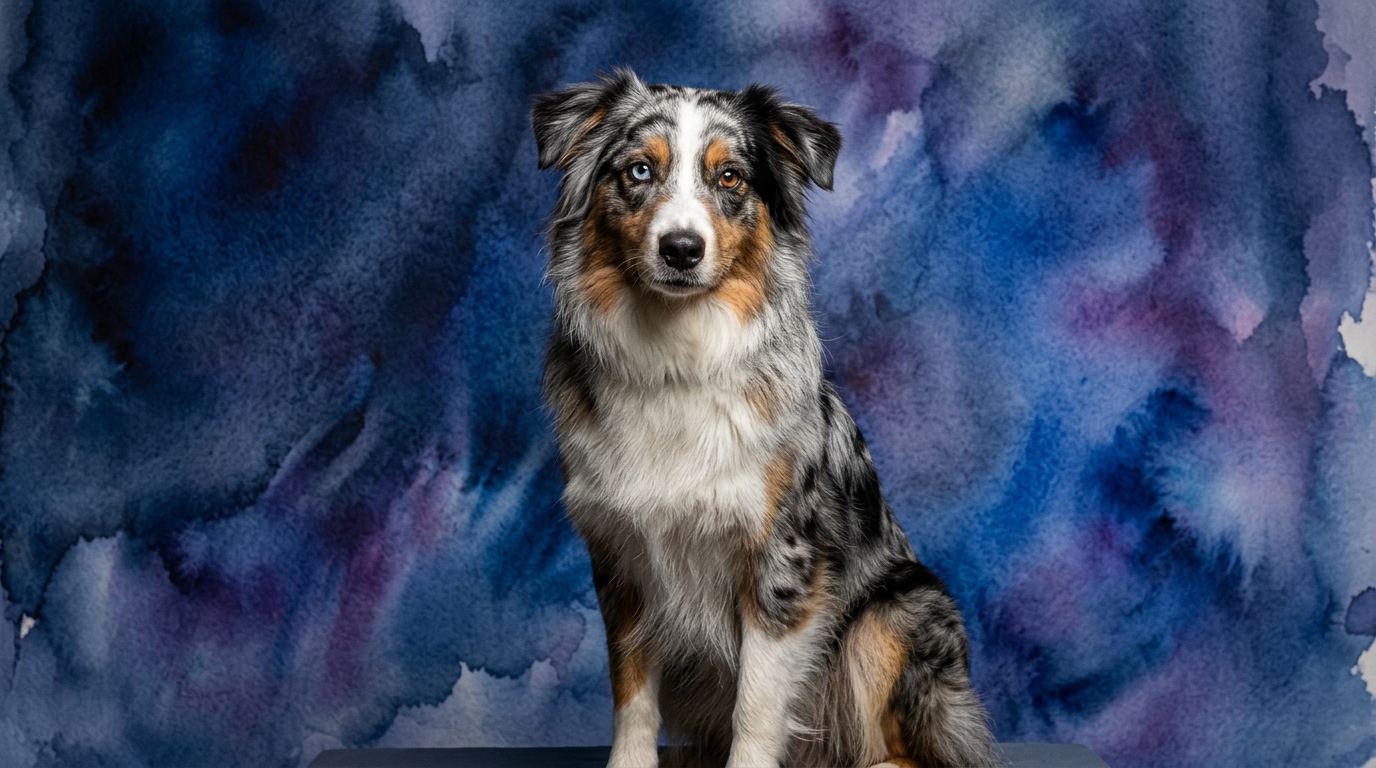
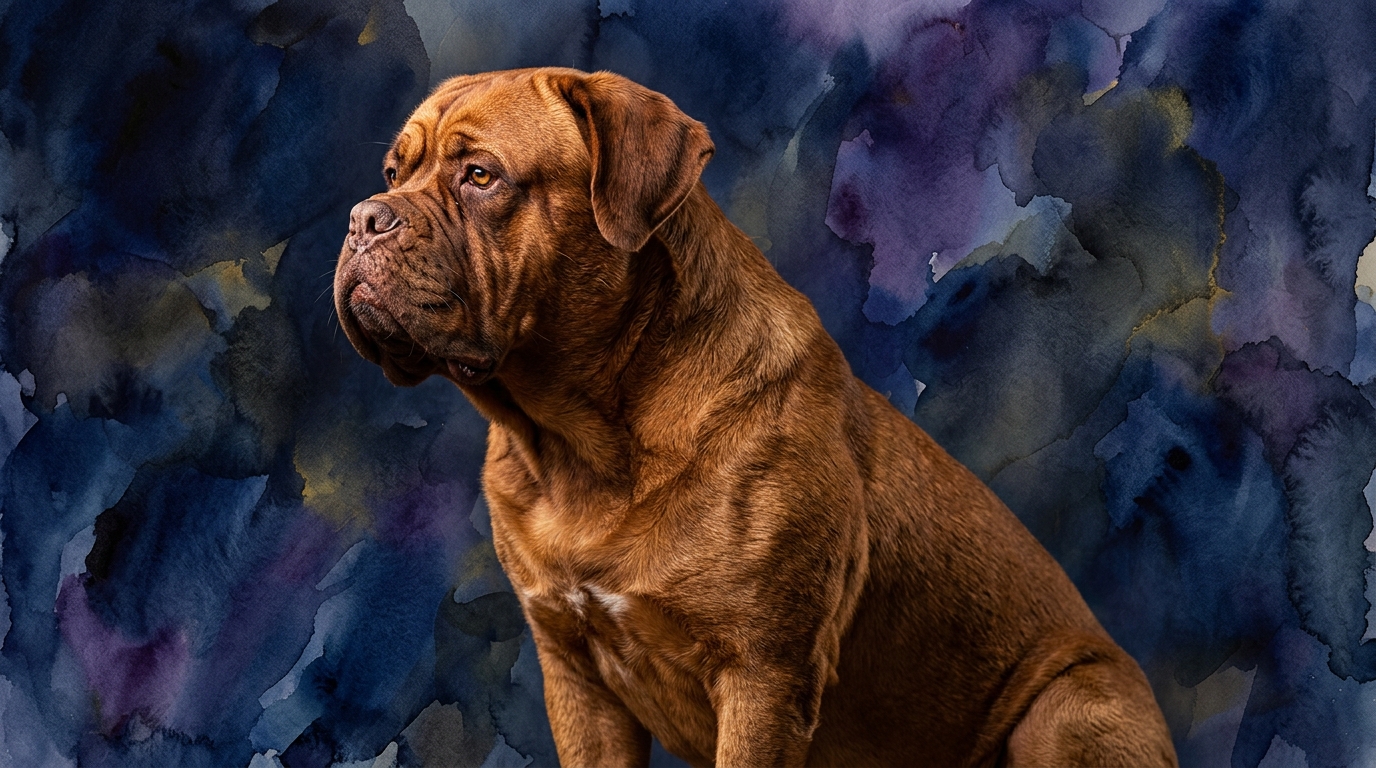
Side-by-Side IQ Profile
The Australian Shepherd consistently scores at the top of The Cosmic Pet Pet IQ Lab metrics, reflecting a mind built for complex, dynamic tasks. Their Problem Solving is rated 5/5, indicating an exceptional capacity to navigate novel challenges and devise solutions independently, often demonstrating remarkable ingenuity in their environment. Training Speed also hits 5/5, signifying an eagerness and ability to learn new commands and routines with impressive rapidity and minimal repetition. Social Intelligence stands at 4/5, showing strong capabilities in understanding human cues and intentions, though perhaps with a slight preference for their primary human connections. Instinctive Drive is a perfect 5/5, highlighting an intense, inherent motivation to work, herd, and engage with purpose, which translates into high energy and a need for mental stimulation. Finally, their Memory is also 5/5, meaning they retain learned behaviors, routes, and associations over long periods, making them highly reliable once concepts are grasped.
In contrast, the Dogue de Bordeaux presents a more measured, thoughtful cognitive profile according to the Pet IQ Lab, aligning with their role as a steadfast companion and protector. Their Problem Solving is rated 3/5, suggesting they can tackle challenges but may require more time or guidance to find solutions, preferring a methodical approach over rapid experimentation. Training Speed is also 3/5, indicating they are capable of learning, but typically at a slower pace than more agile breeds, requiring patience and consistent, positive reinforcement. Social Intelligence sits at 3/5, reflecting a reserved nature; they are observant of their surroundings and people but tend to be less overtly demonstrative or universally gregarious compared to highly social breeds. Instinctive Drive is 3/5, meaning they possess a moderate drive to act on natural urges, often expressing this in guarding or watchful behaviors rather than high-energy pursuits. Their Memory rating of 3/5 suggests they retain information adequately, but perhaps not with the same immediate recall or long-term precision as breeds with higher scores, emphasizing the need for ongoing reinforcement.
Where Australian Shepherd Wins Cognitively
The Australian Shepherd's cognitive strengths are evident across all five Pet IQ Lab dimensions, painting a picture of a dog engineered for intricate mental and physical tasks. Their superior Problem Solving (5/5) means they don't just follow commands; they analyze situations, make independent decisions, and often devise creative solutions to obstacles, whether it's figuring out how to open a gate or outsmarting a flock of sheep. This proactive intellect is coupled with an unparalleled Training Speed (5/5), allowing them to grasp complex multi-step commands and routines with remarkable efficiency, making them stars in obedience, agility, and herding trials. The Australian Shepherd's robust Instinctive Drive (5/5) means they possess an innate, powerful urge to engage with their environment and fulfill a purpose, channeling their energy into productive activities when given an outlet. This drive, combined with a 5/5 Memory, ensures that once a lesson is learned or a task is understood, it is deeply ingrained, leading to consistent performance and reliability. While their Social Intelligence (4/5) is slightly lower than their other top scores, it still reflects a strong ability to interpret human intentions and bond deeply, often with a select few, making them highly attuned partners in work and companionship.
Where Dogue de Bordeaux Wins Cognitively
While the Dogue de Bordeaux's Pet IQ Lab scores are generally lower than the Australian Shepherd's, their cognitive profile presents a different kind of strength, one rooted in composure and steadfastness rather than rapid-fire intellect. Their Problem Solving (3/5) might not be about quick, innovative solutions, but rather a deliberate, considered approach, which can be advantageous in situations requiring calm assessment rather than impulsive action. This deliberate pace can translate into a reassuring presence, as they are less prone to anxiety from overthinking or constantly seeking out new mental challenges. Their Instinctive Drive (3/5) is moderate, meaning they possess inherent protective instincts without the overwhelming need for constant high-energy engagement seen in many working breeds; they are content to observe and guard their territory with a quiet vigilance. This lower drive can be a "win" for owners who appreciate a dog that doesn't constantly demand a job or invent its own entertainment. Furthermore, their Social Intelligence (3/5), while reserved, often fosters a deep, unwavering loyalty to their family, building trust through consistent, calm interactions rather than boisterous displays. Their memory (3/5) and training speed (3/5) mean that while they learn at a slower pace, once a routine is established, their sheer consistency and calm demeanor can make them reliable companions, particularly in predictable home environments.
Which is Easier to Train and Why
Based on The Cosmic Pet Pet IQ Lab data, the Australian Shepherd (Training Speed 5/5) is definitively easier to train than the Dogue de Bordeaux (Training Speed 3/5). The Australian Shepherd's remarkable aptitude stems from their intense focus, eagerness to please, and inherent drive to work alongside their human companions. They absorb new commands and complex sequences with minimal repetition, often anticipating their handler's next move. Their problem-solving prowess means they quickly grasp the *why* behind a command, leading to faster generalization of learned behaviors. In contrast, the Dogue de Bordeaux requires a more patient, consistent, and reward-based approach. Their slower training speed means concepts need to be introduced gradually, reinforced frequently, and practice sessions should be kept short and positive to maintain engagement. While they are capable of learning, their more independent and sometimes stubborn nature means they may question the necessity of a command, rather than immediately complying. Real behavioral differences include the Australian Shepherd's quick response to subtle cues and their enjoyment of the training process itself, whereas the Dogue de Bordeaux often needs to be convinced that the effort is worthwhile, perhaps for a high-value treat or a favorite toy.
Which Suits Active Owners vs Relaxed Owners
The cognitive profiles of these two breeds clearly delineate their suitability for different owner lifestyles. The Australian Shepherd, with its 5/5 Problem Solving, 5/5 Training Speed, 5/5 Instinctive Drive, and 5/5 Memory, is an ideal match for active owners who thrive on engagement and purpose. These dogs require significant daily mental and physical stimulation; without outlets for their keen intellect and robust herding instincts, they can become bored, leading to destructive behaviors or excessive self-employment. Owners who enjoy dog sports like agility, obedience, flyball, or even extensive hiking and trick training will find an Australian Shepherd to be an enthusiastic and capable partner. Conversely, the Dogue de Bordeaux, with its more moderate scores (3/5 across the board), is better suited for relaxed owners seeking a steadfast, calm companion. While they still benefit from regular walks and basic training to keep their minds engaged, their lower instinctive drive and more deliberate problem-solving mean they are generally content with a more predictable and less demanding routine. They are more inclined to be a watchful presence by your side than a tireless athlete, making them excellent companions for those who appreciate a quiet, dignified presence and a slower pace of life.
The Verdict
Opt for an Australian Shepherd if you are an active, dedicated owner prepared to provide extensive mental stimulation and physical exercise, relishing a highly trainable and driven companion for sports or complex tasks.
Select a Dogue de Bordeaux if you prefer a calmer, more reserved companion, appreciating a steadfast presence and a dog that thrives on a predictable routine without constant demands for high-energy engagement.
🧠 Find Your Pet's IQ Score
Our Pet IQ Lab assessment covers 25+ tests across 5 cognitive dimensions — personalized to your breed.
Take the Full IQ Test →Frequently Asked Questions
Does a lower IQ score mean a dog is less capable of learning?
Not at all; lower scores on The Cosmic Pet Pet IQ Lab indicate a different cognitive style and learning pace, not an inability. Dogue de Bordeaux dogs are perfectly capable of learning, but they often require more repetition and patience compared to breeds with higher training speed scores. Their intelligence manifests differently, often in their calm demeanor and protective instincts.
Can a Dogue de Bordeaux participate in dog sports like an Australian Shepherd?
While a Dogue de Bordeaux can participate in some dog sports, especially those emphasizing strength or deliberate movement like weight pulling or basic obedience, they typically won't excel in high-speed, agile sports like an Australian Shepherd. Their physical build and lower instinctive drive make them less suited for activities requiring continuous, rapid mental and physical output.
How do their social intelligence scores impact household dynamics?
An Australian Shepherd's higher social intelligence (4/5) means they are generally more attuned to family members' moods and cues, often seeking interaction and being more openly demonstrative. A Dogue de Bordeaux's (3/5) more reserved social intelligence suggests they are loyal but often more independent and less overtly effusive, building trust through quiet presence and consistent, calm interactions rather than constant playful engagement.