The Cosmic Pet Pet IQ Lab: A Side-by-Side Cognitive Profile
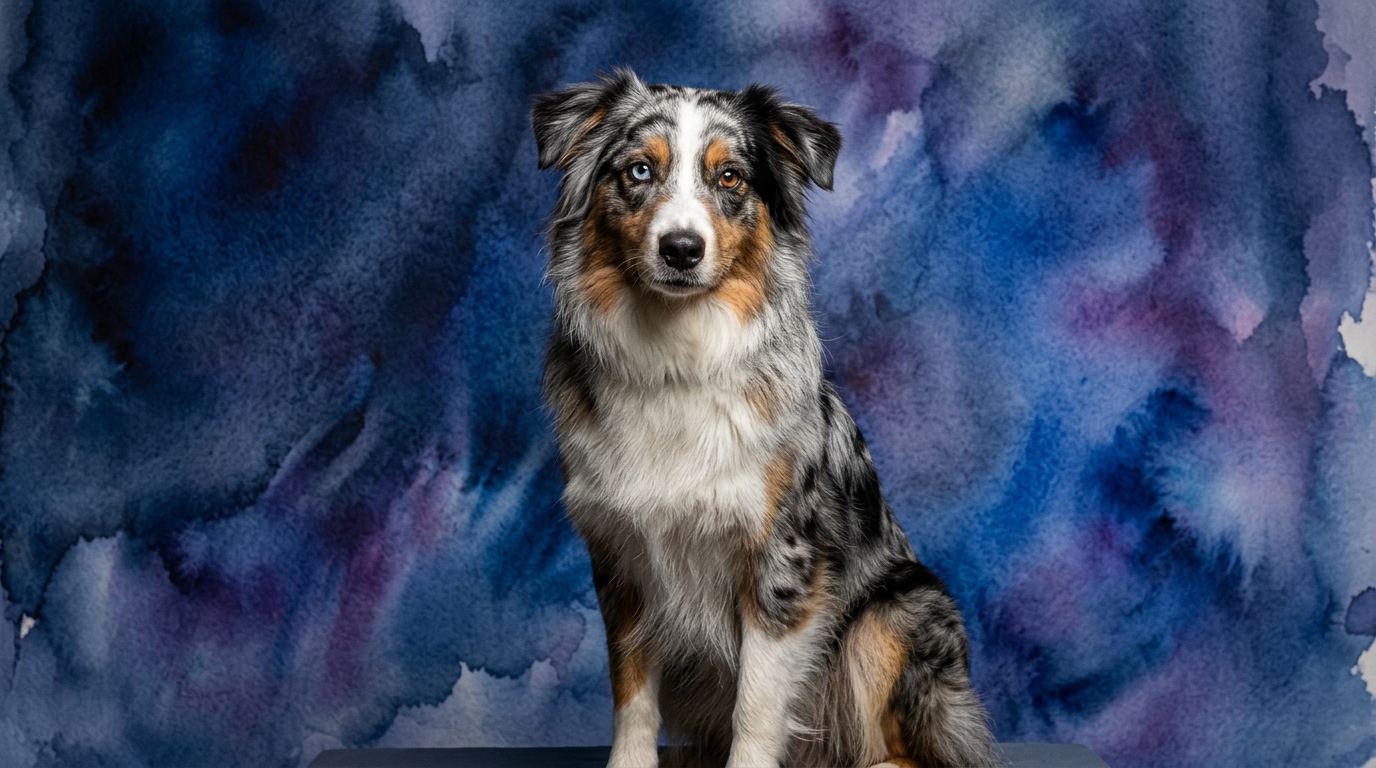
The Cosmic Pet Pet IQ Lab assesses canine intelligence across five critical dimensions, offering a nuanced perspective beyond simple obedience. For the Australian Shepherd, a Herding breed, its scores paint a picture of a highly adaptable and mentally agile companion. It achieves a perfect 5/5 in Problem Solving, indicating an exceptional ability to tackle novel challenges and strategize. Its Training Speed is also a top-tier 5/5, reflecting rapid assimilation of new commands and behaviors. Social Intelligence registers at 4/5, suggesting a strong capacity for understanding human cues and social dynamics, though perhaps with a degree of independence. The Aussie’s Instinctive Drive is a commanding 5/5, highlighting its powerful inherent motivations for work and activity. Finally, its Memory is rated 5/5, showcasing an impressive ability to retain complex sequences and information over time.
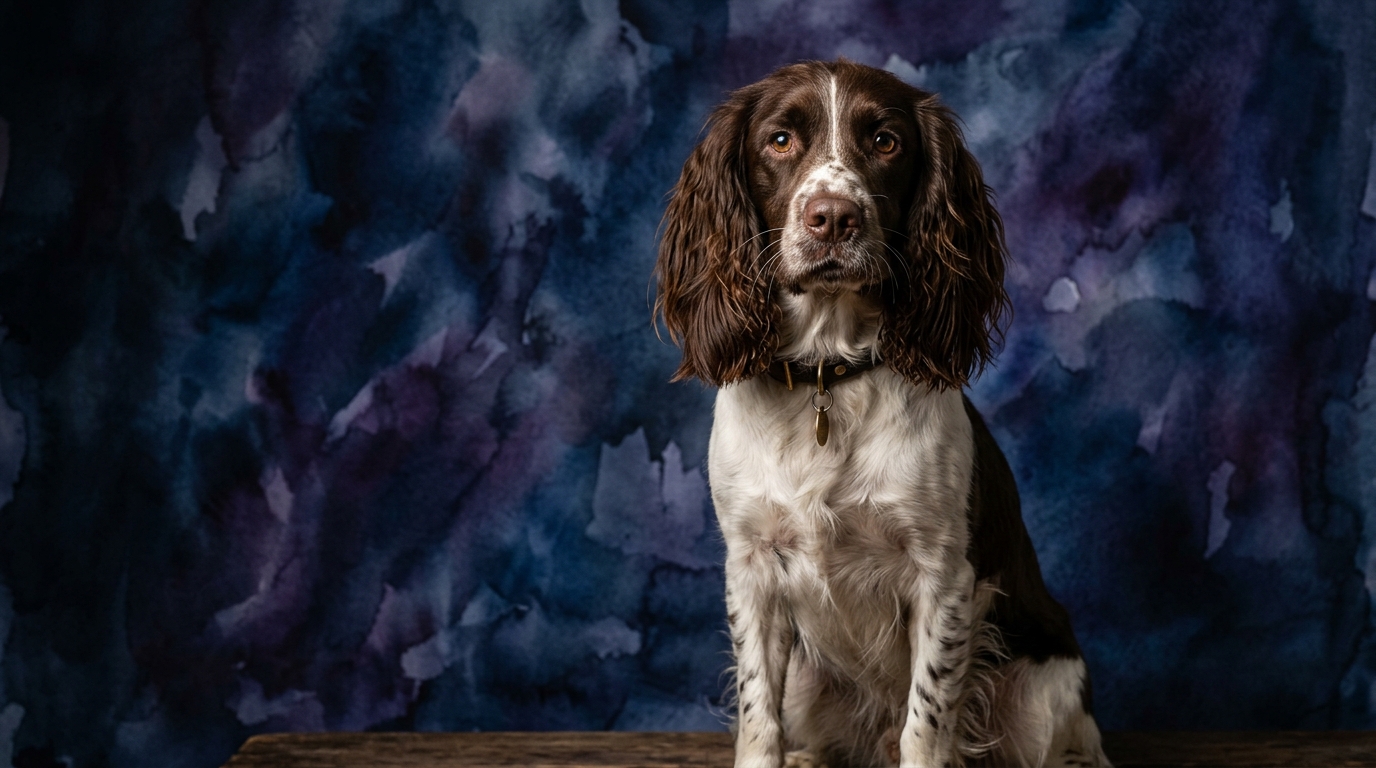
In contrast, the English Springer Spaniel, a Sporting breed, presents a profile rooted in focused task execution and partnership. Its Problem Solving ability is strong at 4/5, indicating proficiency in applying learned solutions and navigating practical scenarios, though perhaps with less emphasis on devising entirely new strategies compared to the Aussie. Like the Australian Shepherd, its Training Speed is an outstanding 5/5, demonstrating an eagerness and quickness to learn. Social Intelligence aligns with the Aussie at 4/5, underscoring its cooperative nature and responsiveness to human interaction. The Springer’s Instinctive Drive also scores 5/5, reflecting its potent drive for scent work, flushing, and retrieving. Its Memory is rated 4/5, suggesting reliable recall of commands and routines, albeit potentially less capacity for intricate, multi-layered recall than a 5/5 breed.
Where the Australian Shepherd Cognitively Excels
The Australian Shepherd’s cognitive edge is most apparent in its superior Problem Solving and Memory scores, both rated 5/5. This breed doesn't just learn tasks; it actively engages with challenges, often improvising and adapting to changing circumstances. Their herding heritage demands an animal that can anticipate, react, and strategize independently to manage livestock, translating into a profound capacity for complex thought in everyday life. For instance, an Aussie might quickly figure out how to open a child-proof gate or devise a new route to retrieve a toy, demonstrating their innate capacity for innovative solutions. This cognitive flexibility means they thrive on puzzles, intricate agility courses, and tasks requiring sequential thinking and long-term recall of multi-step processes.
Their 5/5 Memory further enhances this advantage, allowing them to string together long chains of commands, remember specific cues over extended periods, and navigate complex environments with confidence. This isn't just about recalling 'sit' or 'stay,' but remembering the precise order of a dozen agility obstacles or the nuanced signals for a multi-stage herding pattern. Owners who appreciate a canine partner capable of advanced learning and retaining vast amounts of information will find the Australian Shepherd’s cognitive framework particularly rewarding, as it enables them to master sophisticated skills that many other breeds might struggle with.
Where the English Springer Spaniel Cognitively Shines
While the English Springer Spaniel’s Problem Solving and Memory scores are slightly lower than the Aussie's, their cognitive strengths lie in a different, yet equally impressive, domain: specialized working intelligence and unwavering focus. The Springer’s Coren rank of #13 underscores its exceptional capacity for obedience and working aptitude within a structured environment. Their 5/5 Instinctive Drive, combined with their 4/5 Problem Solving, means they are incredibly adept at applying their intelligence to their specific tasks. They are masters of scent discrimination, tirelessly following complex scent trails, and demonstrating remarkable persistence in flushing and retrieving game. This requires a sophisticated form of problem-solving centered around sensory input and goal-oriented action.
Their cognitive excellence manifests in their ability to maintain intense concentration on a task, filtering out distractions to achieve a specific objective. For example, a Springer might meticulously clear a field of scent, remembering the areas already searched and efficiently covering new ground, a demanding cognitive feat for a dog. This isn't about inventing new solutions, but perfecting the application of known strategies with formidable dedication. Their 4/5 Social Intelligence also plays a crucial role here, as their cognitive efforts are often deeply intertwined with their desire to work cooperatively with their human handler, making them highly responsive and eager partners in their specialized fields.
Which is Easier to Train, and Why?
Both the Australian Shepherd and the English Springer Spaniel boast a 5/5 Training Speed, indicating that both breeds are remarkably quick to grasp new commands and behaviors. This high score means that, from a purely instructional standpoint, owners will find both dogs responsive to consistent training methods and eager to engage in learning sessions. However, the 'easier' aspect often comes down to *what* an owner intends to train and the underlying behavioral drivers of each breed.
The Australian Shepherd, with its 5/5 Problem Solving and 5/5 Memory, might be easier to train for highly complex, multi-stage tasks such as advanced agility sequences, intricate freestyle routines, or competitive obedience that demands a deep understanding of concepts beyond simple command-response. Their independent thinking and capacity for retention mean they can often generalize skills and even anticipate the next step, making them exceptionally fluid learners for advanced work. However, their strong instinctive drive and high mental energy mean that while they learn quickly, they also require consistent mental engagement to prevent them from applying their problem-solving skills to less desirable activities, like finding novel ways to entertain themselves if under-stimulated.
The English Springer Spaniel, with its equally impressive 5/5 Training Speed and 5/5 Instinctive Drive, coupled with its 4/5 Social Intelligence, might be perceived as easier to train for owners seeking a devoted, task-oriented partner. Their inherent eagerness to please and focus on cooperative work makes them highly biddable for obedience, retrieving, and scent work. They thrive on clear direction and consistent reinforcement, often finding immense satisfaction in performing their designated roles alongside their handler. While they excel at applying learned solutions, their training might be less about encouraging independent strategy and more about channeling their powerful drive into precision and consistency. For an owner looking for a reliable, enthusiastic partner in more traditional dog sports or field activities, the Springer's focused drive and cooperative nature can make their training journey feel particularly smooth and rewarding.
Matching Canine Intelligence to Owner Lifestyle
When considering an Australian Shepherd, owners must be prepared for a deeply engaged and mentally demanding companion. Their 5/5 Problem Solving and 5/5 Instinctive Drive means they are not content with mere physical exercise; they require intricate mental puzzles, regular training sessions that challenge their intellect, and opportunities to apply their problem-solving skills. An Aussie thrives with active owners who enjoy advanced dog sports like agility, flyball, competitive obedience, or even real-world herding. They are best suited for individuals or families who can dedicate significant time to structured activities, providing both physical exertion and complex mental stimulation daily. A relaxed owner who cannot meet these high demands might find an Australian Shepherd inventing their own, potentially disruptive, forms of entertainment.
The English Springer Spaniel, while also possessing a 5/5 Instinctive Drive, often channels its energy into more focused, repetitive tasks, making them adaptable to a slightly broader range of active lifestyles. Their 4/5 Social Intelligence and eagerness to please mean they are excellent companions for active families who enjoy hiking, running, or long walks, and who can incorporate regular retrieving or scent games into their routine. They are well-suited for owners who appreciate a devoted, enthusiastic partner for outdoor adventures and who are willing to engage in consistent training for field work or companion dog sports. While they require plenty of exercise and mental engagement, their drive is often directed towards collaborative tasks with their human, making them a superb fit for owners who want a diligent, affectionate working buddy without necessarily needing to engage in the highest echelons of competitive dog sports that demand extreme strategic thinking.
The Verdict
Choose an Australian Shepherd if you are an active, experienced owner seeking a highly intelligent, strategic partner for advanced dog sports, complex training, or a working role that demands independent problem-solving and exceptional memory.
Opt for an English Springer Spaniel if you are an active individual or family desiring a devoted, cooperative companion for outdoor adventures, field activities, or dog sports that value focused drive, persistence, and a strong partnership.
🧠 Find Your Pet's IQ Score
Our Pet IQ Lab assessment covers 25+ tests across 5 cognitive dimensions — personalized to your breed.
Take the Full IQ Test →Frequently Asked Questions
Do Australian Shepherds need more mental stimulation than English Springer Spaniels?
Yes, Australian Shepherds, with their 5/5 Problem Solving and Memory, generally require more intricate and varied mental stimulation. While Springers also need engagement, Aussies thrive on complex puzzles, strategic tasks, and learning new, multi-step behaviors to satisfy their intellectual capacity.
Which breed is better for a first-time dog owner?
Both breeds require dedicated owners, but the English Springer Spaniel's slightly less independent problem-solving and strong eagerness to please (4/5 Social Intelligence) might make them a slightly more manageable choice for a committed first-time owner willing to engage in consistent training and activity. Australian Shepherds demand a higher level of experience to manage their intense mental and physical needs.
Are English Springer Spaniels as good at agility as Australian Shepherds?
Both breeds can excel at agility due to their 5/5 Training Speed and high drive. However, the Australian Shepherd's 5/5 Problem Solving and Memory might give them an edge in mastering the most complex, novel agility courses that require strategic navigation and quick, independent decision-making, while Springers excel with focused execution and handler cooperation.