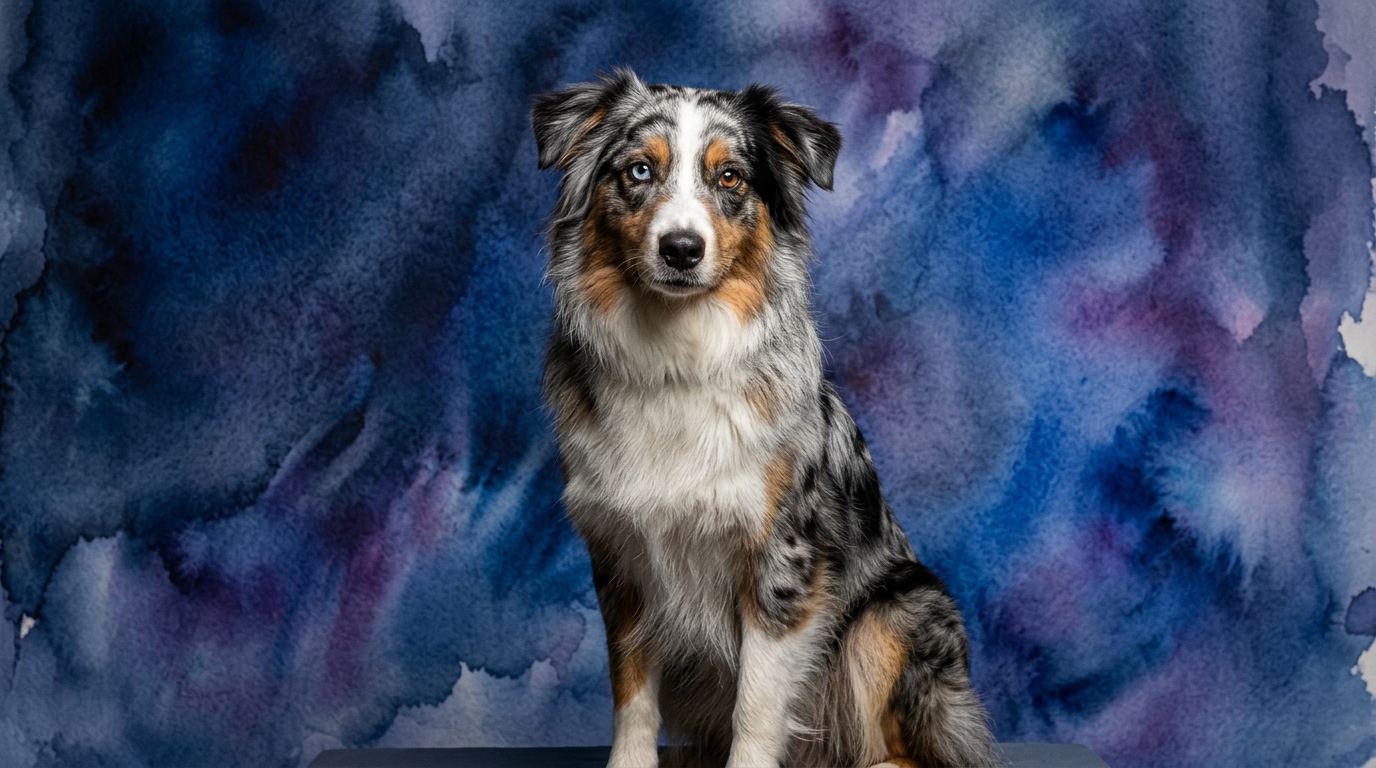
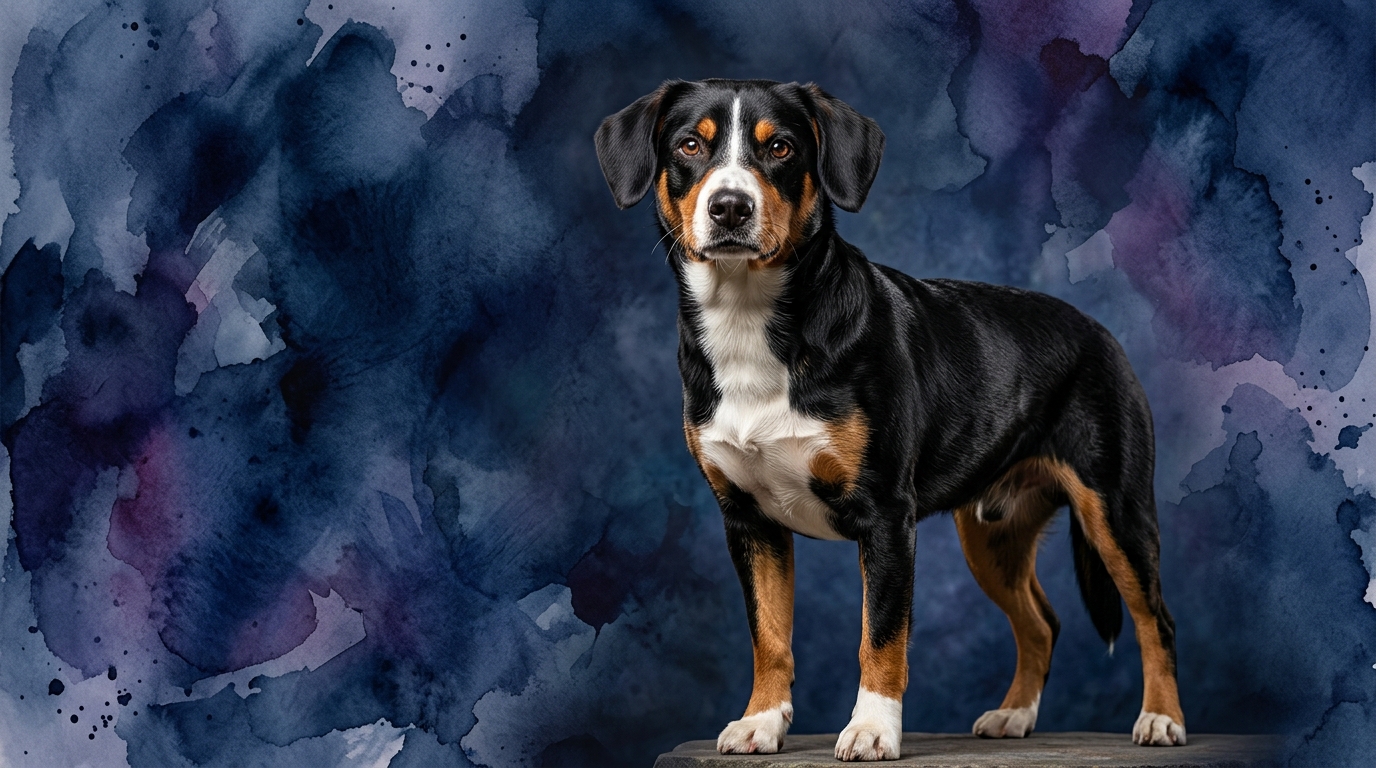
Side-by-Side Cognitive Profiles
The Cosmic Pet Pet IQ Lab provides a unique framework for understanding canine intelligence across five key dimensions. For the Australian Shepherd, their profile reveals a truly exceptional mind: Problem Solving (5/5), Training Speed (5/5), Social Intelligence (4/5), Instinctive Drive (5/5), and Memory (5/5). These scores collectively describe a dog with a profound capacity for independent thought, rapid learning, strong social awareness, inherent purpose, and enduring recall.
In contrast, the Entlebucher Mountain Dog presents a more balanced, yet equally purposeful, cognitive blueprint: Problem Solving (3/5), Training Speed (3/5), Social Intelligence (3/5), Instinctive Drive (3/5), and Memory (3/5). While their numerical scores are generally lower, this does not diminish their specific strengths, but rather indicates a different style of intellect—one that prioritizes consistency and focused loyalty over broad adaptability and lightning-fast processing across all cognitive domains.
Where the Australian Shepherd Wins Cognitively
The Australian Shepherd's cognitive profile paints a picture of a versatile and highly adaptable mind. Their 5/5 problem-solving ability means they are masters of improvisation, capable of assessing situations and formulating a course of action independently. This isn't just about moving sheep; it translates into an ability to navigate complex home environments, figure out puzzle toys with ease, or even anticipate a handler's next move during competitive sports. Their training speed, also a perfect 5/5, means that a well-structured training session yields rapid results, allowing them to excel in disciplines requiring a vast repertoire of commands and intricate sequences, such as agility, obedience, or flyball, often mastering new cues in very few repetitions.
Furthermore, the Aussie's exceptional memory (5/5) means that once a concept is learned, it tends to stick. This allows for the building of highly complex behavioral chains and a deep understanding of household rules and routines. They don't just learn a trick; they remember the subtle cues, the context, and the desired outcome, making them incredibly reliable once trained. Their higher social intelligence (4/5) compared to the Entlebucher suggests a greater capacity to read and respond to human emotions and intentions, fostering a more nuanced communication dynamic and making them more adaptable to varied social interactions, provided they are properly socialized from a young age.
Where the Entlebucher Mountain Dog Wins Cognitively
While the Entlebucher Mountain Dog's scores are more moderate, their cognitive strengths lie in areas that contribute to a different kind of companionship and reliability. Their 3/5 problem-solving, while not as flashy, often manifests as a practical, focused approach rather than seeking novel solutions. They excel at mastering established routines and applying learned behaviors consistently, which can be a significant advantage in a home environment where predictability is valued. This means they are less likely to constantly test boundaries or invent new ways to get into mischief, as a higher-scoring problem-solver might, contributing to a more stable household dynamic.
The Entlebucher's more moderate instinctive drive (3/5) can be a cognitive benefit in a pet home. Unlike breeds with overwhelming drives that constantly seek outlets, the Entlebucher's instincts are present but often more manageable, leading to a calmer demeanor when their needs are met. This can result in a dog less prone to obsessive behaviors or anxiety stemming from under-stimulation, provided they receive adequate exercise and engagement. Their social intelligence (3/5) reflects a more discerning and loyal nature; while they may not be universally outgoing, their strong bond with their chosen family is deeply ingrained, leading to unwavering devotion and a clear understanding of their place within the family unit. This focused social intelligence translates into a stable and predictable companion once trust is established.
Which is Easier to Train and Why
When assessing ease of training, the Australian Shepherd's cognitive profile suggests a dog that is incredibly quick to pick up new concepts and commands. Their 5/5 training speed means they can learn complex tasks in fewer repetitions than many other breeds. However, this quick learning also comes with the caveat of needing constant mental engagement. An Aussie's 5/5 problem-solving and instinctive drive mean they are always thinking, always looking for a job, and if not given appropriate mental challenges, they can become adept at 'training' their owners or developing undesirable self-employment behaviors. Training an Aussie is often about managing their boundless mental energy and channeling their drive into productive outlets. They thrive on variety and challenge, and can become bored with repetitive drills, requiring a trainer to be creative and engaging and to stay a step ahead of their thinking.
The Entlebucher Mountain Dog, with a 3/5 training speed, requires a more patient and consistent approach. They might not grasp a new command in two repetitions, but once they understand it, their 3/5 memory ensures it sticks reliably. Their training is less about managing an overflowing well of ideas and more about clear, calm communication and consistent reinforcement. They tend to be less prone to 'outsmarting' their handlers, preferring to follow established rules once they've been thoroughly taught. Their more moderate instinctive drive means that while they benefit from training and mental stimulation, they may not demand it with the same intensity as an Aussie. For an owner who values reliability and a dog that is less likely to constantly push boundaries, the Entlebucher's training journey, though slower initially, can lead to a remarkably steady and predictable companion.
Which Suits Active Owners vs. Relaxed Owners
The Australian Shepherd is undeniably suited for highly active owners who are prepared to integrate their dog into a bustling, mentally stimulating lifestyle. Their 5/5 scores in problem-solving, training speed, instinctive drive, and memory mean they require significant daily engagement. This isn't just about physical exercise; it's about providing puzzles, intricate training sessions, dog sports, or 'jobs' that challenge their quick minds and powerful herding instincts. An Aussie thrives when given purpose, whether it's navigating an agility course, learning complex tricks, or participating in real-world herding. Owners who enjoy a partnership where their dog is an active, thinking participant in their adventures will find the Aussie an unparalleled companion.
The Entlebucher Mountain Dog, while still an active herding breed, typically suits owners who appreciate a robust companion but might not seek the same level of intense mental engagement as an Aussie owner. Their 3/5 scores across the board suggest a dog that benefits from regular exercise and consistent training, but might not unravel if not constantly stimulated with novel challenges. They are often content with structured walks, consistent play, and predictable routines with their family. An Entlebucher is a loyal and watchful companion, well-suited for active families who enjoy outdoor activities but perhaps prefer a dog that is a stable presence rather than a constant whirlwind of creative problem-solving. They are still herding dogs and need activity, but their cognitive needs are generally more straightforward and less demanding than the perpetually active Aussie mind.
The Verdict
Choose the Australian Shepherd if you are an experienced, active owner eager for a deep, mentally demanding partnership and are prepared to channel a prodigious intellect into constructive activities and training.
Opt for the Entlebucher Mountain Dog if you seek a loyal, sturdy companion with a steady temperament, appreciating a dog whose cognitive strengths lie in consistency and devotion within a predictable, active family life.
🧠 Find Your Pet's IQ Score
Our Pet IQ Lab assessment covers 25+ tests across 5 cognitive dimensions — personalized to your breed.
Take the Full IQ Test →Frequently Asked Questions
Do Entlebucher Mountain Dogs get bored easily like Australian Shepherds?
While both breeds benefit from mental stimulation, Entlebuchers, with their moderate problem-solving and instinctive drive, are generally less prone to boredom-induced destructive behaviors than the intensely driven Australian Shepherd. They thrive on consistent routines and family interaction rather than constant novel challenges, making their mental needs more manageable.
Can an Entlebucher Mountain Dog participate in dog sports?
Absolutely! Entlebuchers can excel in various dog sports like obedience, rally, and even agility. Their moderate training speed means they learn at a steady pace, and their devotion makes them eager partners, though they might not possess the same lightning-fast reflexes or independent problem-solving flair as an Aussie in competitive settings.
Are Australian Shepherds good for first-time dog owners?
Australian Shepherds can be challenging for first-time owners due to their exceptional intelligence, high energy, and intense herding drive. They require significant time commitment for training, socialization, and mental stimulation to prevent unwanted behaviors, making them generally better suited for experienced individuals who understand their complex needs.