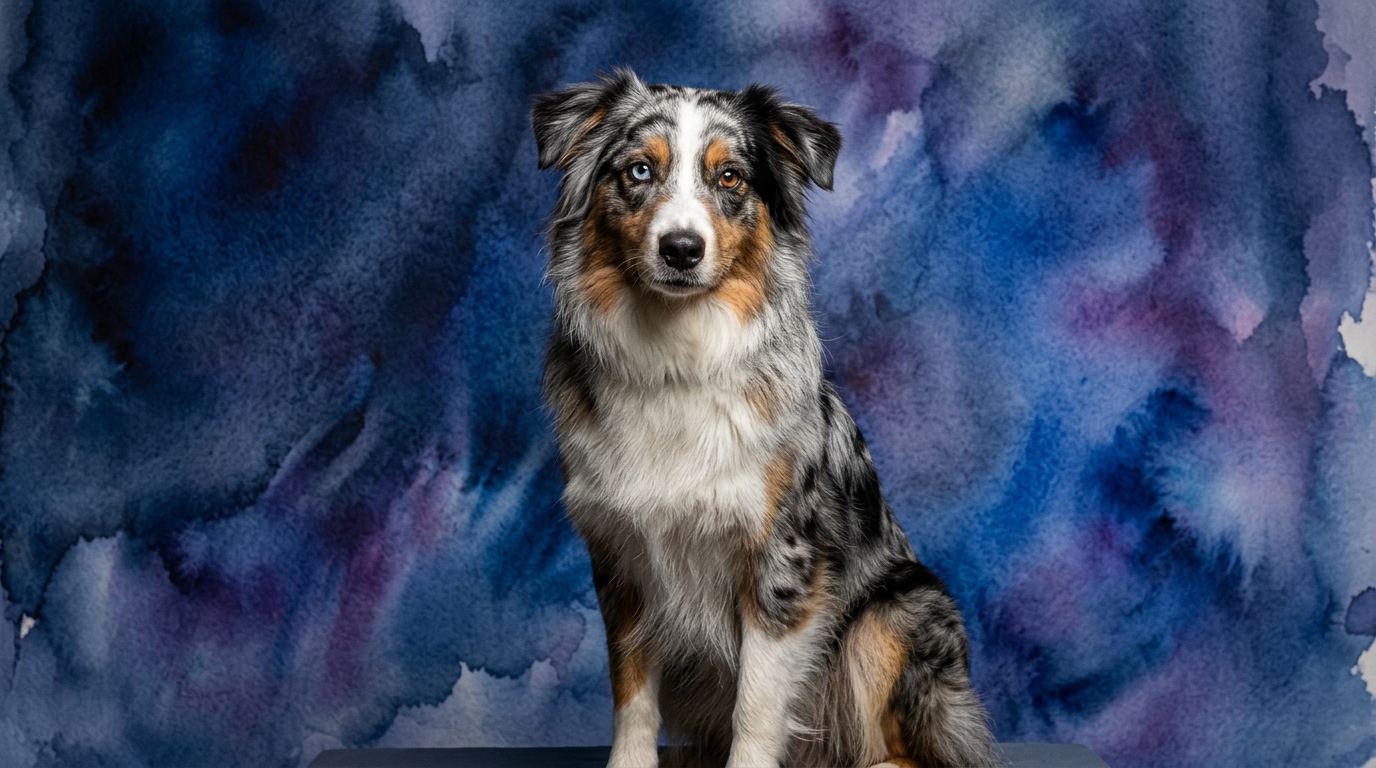
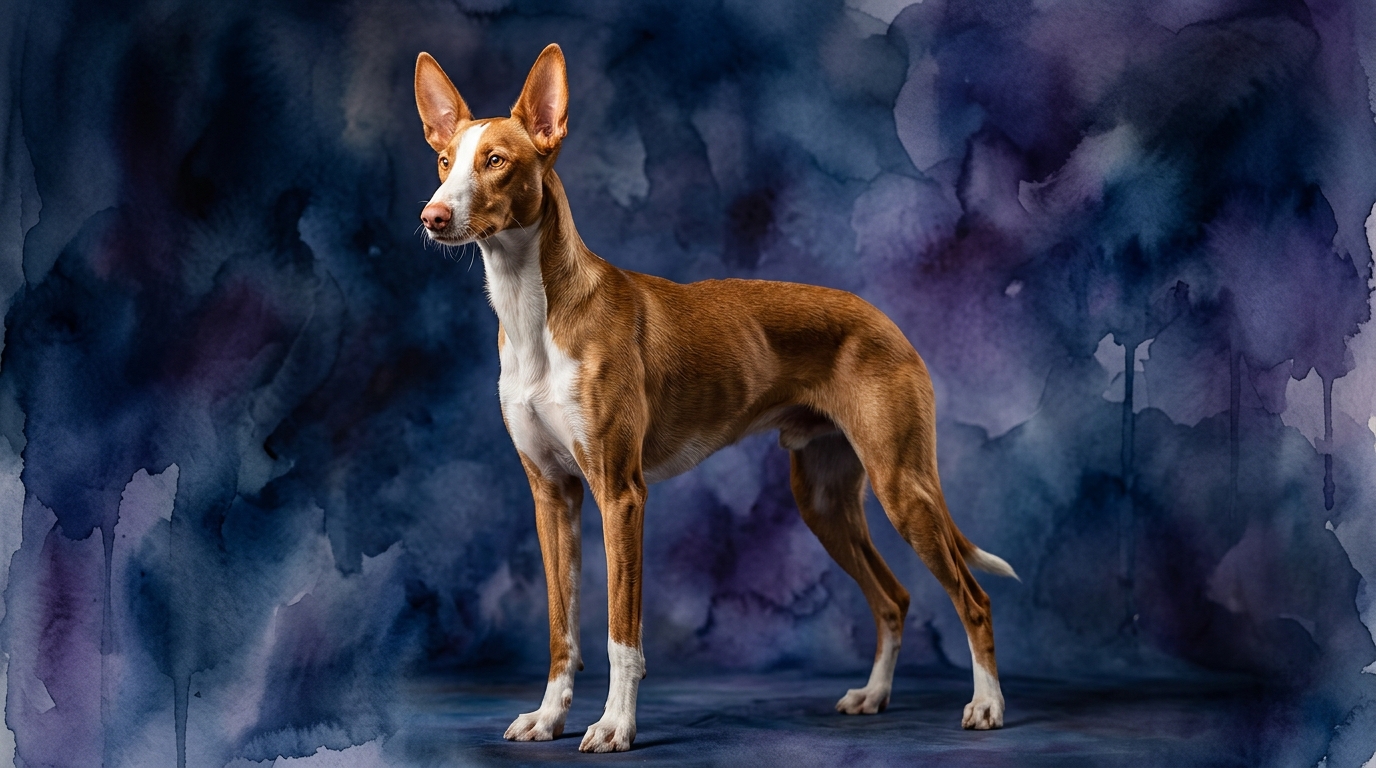
Side-by-Side Pet IQ Profile
**Australian Shepherd:** This herding breed showcases a formidable cognitive toolkit. Their **Problem Solving (5/5)** is exceptional, enabling them to navigate complex environments and devise strategies to achieve goals, often outsmarting obstacles or livestock. Their **Training Speed (5/5)** is equally impressive; they absorb new commands and routines with remarkable quickness, often grasping concepts in very few repetitions due to their sharp focus and desire to engage. **Social Intelligence (4/5)** means Aussies are highly attuned to human cues and emotional states, effectively reading body language and vocal tones, fostering strong, responsive bonds. Their **Instinctive Drive (5/5)** is a powerful, pervasive cognitive blueprint for organizing, controlling, and moving, translating into a strong work ethic and need for purpose. Finally, their **Memory (5/5)** is outstanding, retaining learned behaviors, routines, and specific events over long periods with precision, contributing to their consistent performance.
**Ibizan Hound:** As a sighthound, the Ibizan Hound presents a different cognitive landscape. Their **Problem Solving (3/5)** is more direct and instinct-driven; while capable, their solutions tend to be less intricate or exploratory compared to a herding breed, efficient within their natural hunting context but not seeking complex mental puzzles. Their **Training Speed (3/5)** is moderate, typically requiring more repetition and patience due to their independent nature, meaning they process commands on their own terms rather than an inherent desire to please. **Social Intelligence (3/5)** sees Ibizan Hounds as affectionate but distinctly independent; they appreciate companionship but are not as intensely focused on reading human emotional nuances, maintaining a degree of self-sufficiency. Their **Instinctive Drive (3/5)** is primarily focused on powerful, specialized sight-hunting, which doesn't translate into a constant need for a "job" or pervasive organizational impulse. Their **Memory (3/5)** is functional, especially for hunting routes and familiar scents, but recall for complex command sequences or abstract concepts may not be as robust or enduring, often requiring consistent reinforcement.
Where Australian Shepherd Wins Cognitively
The Australian Shepherd's cognitive strengths are evident across nearly all dimensions measured by The Cosmic Pet Pet IQ Lab. Their exceptional **Problem Solving (5/5)** allows them to not only understand complex tasks but also to innovate solutions, such as learning to unlatch a specific gate and generalizing that knowledge to similar mechanisms through abstract understanding. Their superior **Training Speed (5/5)** means they can master an impressive repertoire of commands, from advanced obedience to intricate agility courses, with remarkable efficiency stemming from deep cognitive engagement and a desire to work collaboratively. Furthermore, their **Instinctive Drive (5/5)** isn't just about herding; it's a profound cognitive framework for spatial reasoning, pattern recognition, and strategic planning, essential for managing moving livestock. This drive imbues them with a natural inclination to organize and control, translating into a mental agility that constantly seeks purpose and engagement in their daily lives. Their perfect **Memory (5/5)** supports this, enabling them to retain vast amounts of information, from complex trick sequences to specific locations, making them incredibly reliable and consistent learners.
Where Ibizan Hound's Unique Cognition Shines
While the Ibizan Hound's scores might appear lower in a generalized cognitive assessment, their unique intellectual profile represents distinct advantages in specific contexts. Their **Problem Solving (3/5)**, while not geared towards complex human-invented puzzles, is highly effective within their natural domain: hunting. An Ibizan Hound's problem-solving excels in situations demanding quick, decisive action based on visual cues and immediate environmental factors, such as finding the most efficient path to pursue quarry over rugged terrain. They are less prone to overthinking or seeking unnecessary complexities, preferring direct, practical solutions. Their **Social Intelligence (3/5)**, characterized by independence, can be a cognitive asset for owners who appreciate a dog that is self-sufficient and less prone to separation anxiety or constant demand for attention. This isn't a deficit in affection, but rather a different expression of it—one that respects personal space while still valuing companionship. Similarly, their **Instinctive Drive (3/5)**, focused intently on sight-hunting, means their mental energy isn't constantly seeking a “job” in the same way a herding dog's might. This focused drive allows them to be relatively calm indoors once their exercise needs are met, without the perpetual cognitive need to manage or organize their surroundings. Their cognitive strengths lie in their self-reliance, their finely tuned sensory perception for hunting, and a certain elegant simplicity in their approach to the world that can be deeply appealing.
Which is Easier to Train and Why
Based on The Cosmic Pet Pet IQ Lab's metrics, the Australian Shepherd (Training Speed 5/5, Social Intelligence 4/5) is demonstrably easier to train than the Ibizan Hound (Training Speed 3/5, Social Intelligence 3/5). The Aussie's superior **Training Speed** means they grasp new commands and concepts with remarkable quickness, often requiring only a few repetitions to solidify a behavior. This is compounded by their higher **Social Intelligence**, which translates into a strong desire to cooperate and a keen awareness of their owner's intentions and feedback. They are naturally inclined to engage with humans and find satisfaction in working alongside them, making them highly biddable. In contrast, the Ibizan Hound's more moderate **Training Speed** means lessons may require more patience and consistency. Their **Social Intelligence** leans towards independence; while affectionate, they are not inherently driven to please humans in the same way an Aussie is. This can manifest as a dog that understands a command but chooses whether or not to comply based on its own assessment of the situation or its current motivation. Training an Ibizan often requires finding what *they* find rewarding, rather than relying solely on the human-dog bond, and acknowledging their independent streak means that perfect, robotic obedience is less likely.
Which Suits Active Owners vs. Relaxed Owners
The Australian Shepherd unequivocally suits highly active owners who are prepared for significant mental and physical engagement. Their **Instinctive Drive (5/5)** to herd, coupled with their high **Problem Solving (5/5)** and **Memory (5/5)**, means they require constant intellectual stimulation and a structured outlet for their energy. An Aussie thrives on activities like agility, obedience trials, herding, or complex puzzle toys that challenge their sharp minds and robust bodies. A relaxed owner might find an Australian Shepherd's unmet cognitive needs manifesting as destructive behaviors, excessive barking, or attempts to "herd" family members, stemming from a lack of purposeful engagement.
The Ibizan Hound, while still an athletic breed requiring regular exercise, offers a different dynamic. Their **Instinctive Drive (3/5)** is primarily focused on short bursts of high-speed pursuit, and their cognitive profile suggests they are less prone to inventing complex mischief out of boredom compared to an Aussie. While they need space to run and satisfy their sighthound instincts, especially in a securely fenced area, they are often content to be relaxed companions indoors once their physical needs are met. Owners who enjoy brisk walks, occasional runs, or secure off-leash play but aren't looking for a dog that constantly needs a "job" might find the Ibizan Hound's independent yet affectionate nature a better fit. They can suit moderately active owners who appreciate a dog with an "off switch" indoors, provided their outdoor exercise requirements are consistently met.
The Verdict
Opt for an Australian Shepherd if you are an active, dedicated owner eager to provide consistent mental challenges, extensive training, and a structured "job" for a highly cooperative and cognitively engaged companion.
Select an Ibizan Hound if you appreciate an independent, affectionate dog that enjoys vigorous exercise but doesn't require constant mental tasks, preferring a more self-sufficient approach to companionship.
🧠 Find Your Pet's IQ Score
Our Pet IQ Lab assessment covers 25+ tests across 5 cognitive dimensions — personalized to your breed.
Take the Full IQ Test →Frequently Asked Questions
Does an Ibizan Hound's lower social intelligence mean they aren't affectionate?
Not at all; an Ibizan Hound's 3/5 social intelligence simply indicates a more independent form of affection. They bond deeply with their families but may not display the same constant desire to please or read every human cue as a breed with higher social intelligence, preferring to show love on their own terms.
Can an Australian Shepherd be happy without a herding job?
Yes, an Australian Shepherd can be happy without actual livestock herding, but their 5/5 instinctive drive and problem-solving demand alternative outlets. Activities like agility, advanced obedience, scent work, or even complex puzzle toys can provide the necessary mental and physical stimulation to satisfy their working dog cognition.
How do the memory differences impact daily life for these breeds?
The Australian Shepherd's 5/5 memory means they quickly learn and retain routines, commands, and even subtle household cues, making daily life predictable and training efficient. The Ibizan Hound's 3/5 memory, while functional for essentials, might mean they require more consistent reinforcement for complex commands and might not pick up on intricate multi-step routines as readily, thriving on simpler, more direct interactions.