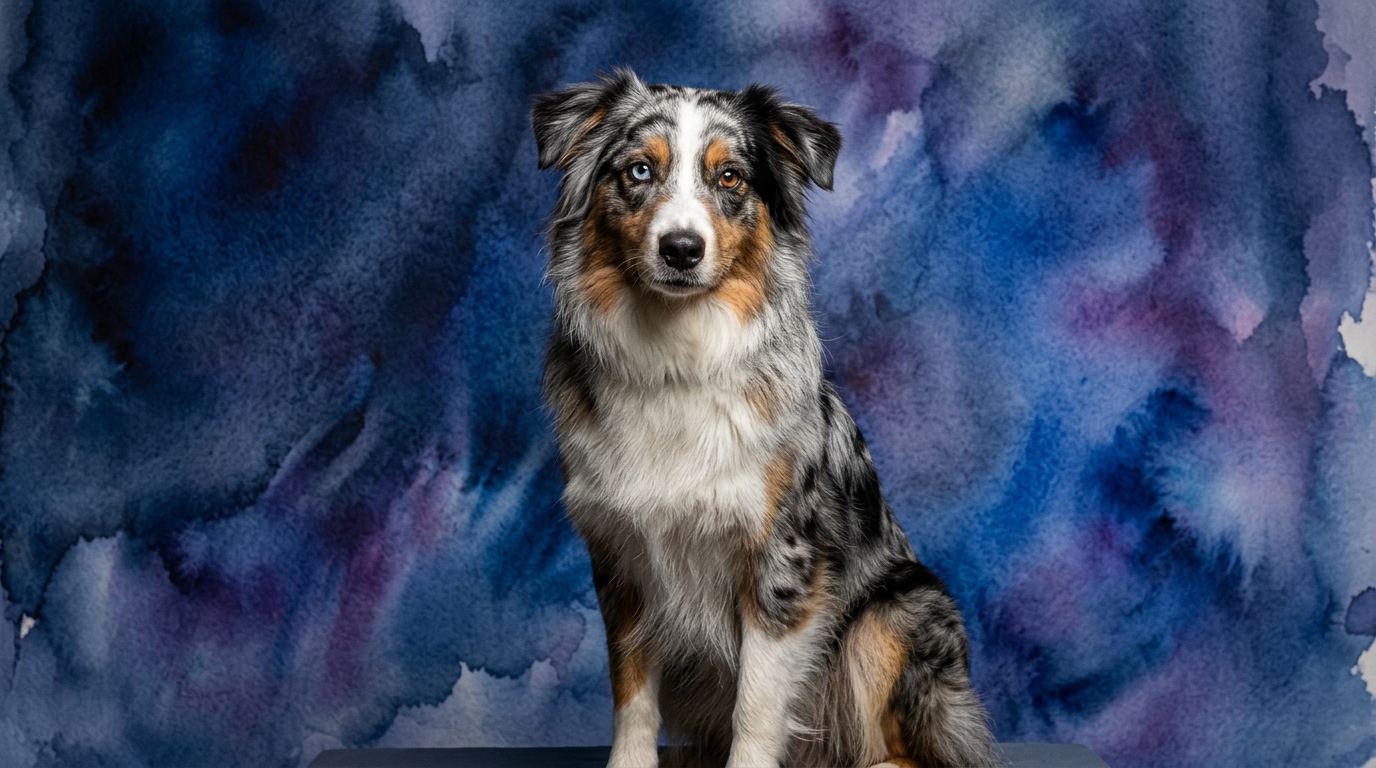
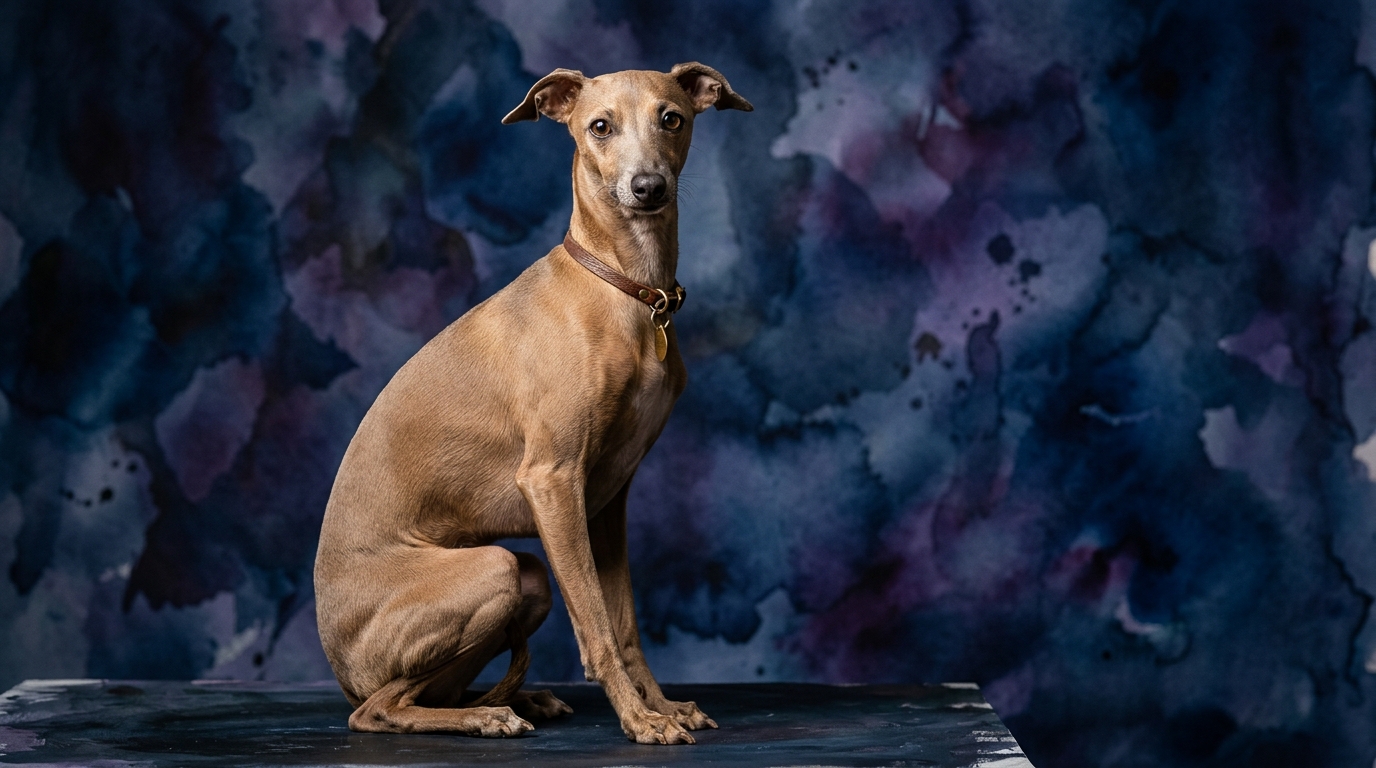
Side-by-Side IQ Profile
**Australian Shepherd (Herding)**
**Problem Solving (5/5):** The Australian Shepherd excels at navigating complex situations, demonstrating a remarkable capacity to assess environmental cues and devise effective solutions, often involving spatial reasoning or object manipulation. This score reflects their innate ability to think through challenges, a trait honed by generations of managing livestock.
**Training Speed (5/5):** Their eagerness to engage and high cognitive processing speed means Australian Shepherds grasp new commands and routines with exceptional rapidity, often requiring minimal repetitions to solidify learning. They possess an almost innate understanding of human intent, facilitating quick acquisition of new skills.
**Social Intelligence (4/5):** Australian Shepherds are adept at interpreting human body language and vocal tones, fostering strong bonds and anticipating needs within their social group. While highly attuned to their family, their focus on tasks can sometimes override nuanced social cues in novel or chaotic environments.
**Instinctive Drive (5/5):** A powerful, inherent drive to herd and control movement is central to their cognitive makeup, manifesting as a persistent desire to organize and manage their environment, whether it involves livestock, family members, or even inanimate objects. This deep-seated instinct fuels much of their problem-solving and focus.
**Memory (5/5):** Their capacity to retain complex sequences of commands, locations of objects, and past experiences is outstanding, allowing them to recall intricate tasks and adapt strategies based on prior learning. This robust memory is crucial for their multi-faceted working roles.
**Italian Greyhound (Toy)**
**Problem Solving (3/5):** Italian Greyhounds approach problem-solving with a more straightforward, often instinct-driven method, preferring direct routes or seeking human assistance rather than elaborate cognitive strategizing. Their solutions tend to be less complex, relying more on immediate gratification or established routines.
**Training Speed (3/5):** While capable of learning, Italian Greyhounds often require more consistent repetition and motivation to acquire new commands, their learning pace being steady rather than exceptionally quick. Their independent sighthound nature means they process information at their own rhythm, sometimes requiring more patience in training.
**Social Intelligence (3/5):** Italian Greyhounds form deep, affectionate bonds with their primary caregivers, demonstrating sensitivity to familiar human emotions and seeking comfort or companionship. However, their social radar is more narrowly focused on their immediate family, and they can be reserved or less inclined to engage with strangers or complex social dynamics.
**Instinctive Drive (3/5):** Their primary instinctive drive revolves around the pursuit of small, fast-moving objects and a strong preference for comfort and warmth, rather than a drive for complex management or organization. This manifests as bursts of energetic chasing followed by periods of intense relaxation.
**Memory (3/5):** Italian Greyhounds possess a functional memory for routines, favored people, and pleasant experiences, but may not retain intricate sequences or abstract concepts with the same detail or duration as breeds with higher scores. Their recall is often tied to emotional significance or immediate utility.
Where Australian Shepherd Wins Cognitively
The Australian Shepherd's cognitive profile positions it as a master of complex task execution and environmental mastery. Its 5/5 Problem Solving score means an Aussie can independently figure out how to open gates, retrieve specific items from a cluttered room, or even untangle a leash from an obstacle. This isn't just about simple obedience; it's about applying learned principles to novel situations. Coupled with a 5/5 Training Speed and 5/5 Memory, an Australian Shepherd can learn and retain an extensive repertoire of commands, tricks, and multi-step behaviors, making them exceptional candidates for advanced obedience, agility, and even service roles. Their 5/5 Instinctive Drive ensures they possess an internal motivation to work and engage, translating into sustained focus on cognitive challenges. This inherent drive to manage and organize, often seen in their “herding” of family members, is a direct manifestation of their cognitive strength in pattern recognition and control.
Where Italian Greyhound Wins Cognitively
While not scoring as high in traditional “working” intelligence metrics, the Italian Greyhound's cognitive strengths lie in areas that prioritize independence, self-preservation, and emotional attunement within their chosen social circle. Their 3/5 Problem Solving, while lower, reflects a pragmatic, often efficient approach to immediate needs; they quickly learn the most direct path to a comfortable sunbeam or the quickest way to solicit a treat. Their lower Instinctive Drive (3/5) means they are less burdened by a constant need for complex tasks or mental stimulation, a cognitive “win” for owners seeking a companion content with less demanding mental engagement. This allows them to thrive in environments where relaxation and companionship are prioritized over intricate problem-solving. Furthermore, their focused Social Intelligence (3/5) ensures deep, dedicated bonding with their primary human, where their cognitive energy is directed towards understanding and mirroring the emotional states of their inner circle, rather than expending energy on broader social interactions. They excel at being present and emotionally responsive within their intimate family unit, a specific cognitive advantage for owners valuing close, quiet companionship.
Which is Easier to Train and Why
The Australian Shepherd is demonstrably easier to train for a wide range of commands and behaviors, primarily due to its 5/5 Training Speed and 5/5 Memory. Aussies possess an inherent desire to work collaboratively and please their human partners, making them highly receptive to instruction. Their strong Problem Solving (5/5) means they quickly understand what is being asked of them and can generalize learned behaviors to new contexts without extensive re-teaching. For instance, an Aussie taught “sit” and “stay” will likely apply these concepts readily in different locations or with minor variations. They thrive on mental engagement and positive reinforcement, viewing training as a stimulating activity.
Conversely, the Italian Greyhound, with a 3/5 Training Speed and 3/5 Memory, requires a more patient, consistent, and often creative approach to training. Their sighthound heritage imbues them with a degree of independence; they are not inherently driven by the same intense desire to please or work in close partnership as a herding breed. An IG might understand a command but choose not to execute it if there's a more interesting scent or a comfortable nap beckoning. Their problem-solving often leans towards what benefits them directly, meaning motivation needs to be high-value (e.g., specific treats, favorite toys). House-training, for example, can be a longer process with an IG due to their sometimes finicky nature regarding weather and a strong preference for indoor comfort, contrasting with an Aussie's robust outdoor work ethic.
Which Suits Active Owners vs Relaxed Owners
The Australian Shepherd is undeniably suited for active owners who can meet its substantial need for mental and physical engagement. Their 5/5 Instinctive Drive, coupled with high Problem Solving and Training Speed, means they require outlets for their cognitive energy, such as advanced training, dog sports (agility, flyball), or complex puzzle toys. An owner who enjoys hiking, running, or has a passion for dog training will find an Aussie a fulfilling partner. Without sufficient mental stimulation, their cognitive strengths can manifest as undesirable behaviors like excessive herding of children, destructive chewing, or incessant barking as they attempt to create their own “work.”
The Italian Greyhound, on the other hand, is an ideal fit for relaxed owners who appreciate a quieter, more comfort-oriented companion. Their lower Instinctive Drive (3/5) and less intense Problem Solving (3/5) mean they are content with moderate exercise, such as short walks or bursts of play in a secure yard, followed by extensive periods of napping on a soft couch. While they enjoy interaction, their cognitive needs are met more by consistent routines, affectionate companionship, and a warm, predictable home environment rather than constant challenges. An owner seeking a devoted, low-impact presence who enjoys quiet evenings and gentle companionship will find the Italian Greyhound's cognitive and behavioral profile perfectly aligned.
The Verdict
Opt for an Australian Shepherd if you are an active individual or family prepared to provide daily, vigorous mental and physical challenges, thriving on a highly trainable and engaged canine partner.
Select an Italian Greyhound if you seek a devoted, affectionate companion content with moderate activity and a comfortable, predictable home life, valuing quiet companionship over intense training pursuits.
🧠 Find Your Pet's IQ Score
Our Pet IQ Lab assessment covers 25+ tests across 5 cognitive dimensions — personalized to your breed.
Take the Full IQ Test →Frequently Asked Questions
Does the Italian Greyhound's lower IQ score mean they are difficult to live with?
Not at all. The scores reflect different cognitive strengths and drives, not overall desirability. An Italian Greyhound's profile means they are often content with less demanding mental stimulation, making them ideal for owners who prefer a calm, affectionate companion without the constant need for "work."
Can an Australian Shepherd be a good family dog despite its strong herding instinct?
Yes, with proper guidance and outlets for their energy. Their high social intelligence and desire to be with their family make them devoted companions, but owners must manage their herding instinct through training and appropriate activities to prevent nipping or excessive "rounding up" of children.
How do these breeds typically interact with strangers or other pets?
Australian Shepherds, with their 4/5 social intelligence, are generally outgoing and can be friendly with strangers and other pets if well-socialized, though some may exhibit a watchful reserve. Italian Greyhounds, scoring 3/5 in social intelligence, tend to be more reserved or shy with new people and animals, preferring the company of their established inner circle and often doing best with gentle introductions.