Side-by-Side IQ Profile: Aussie vs. Kooiker
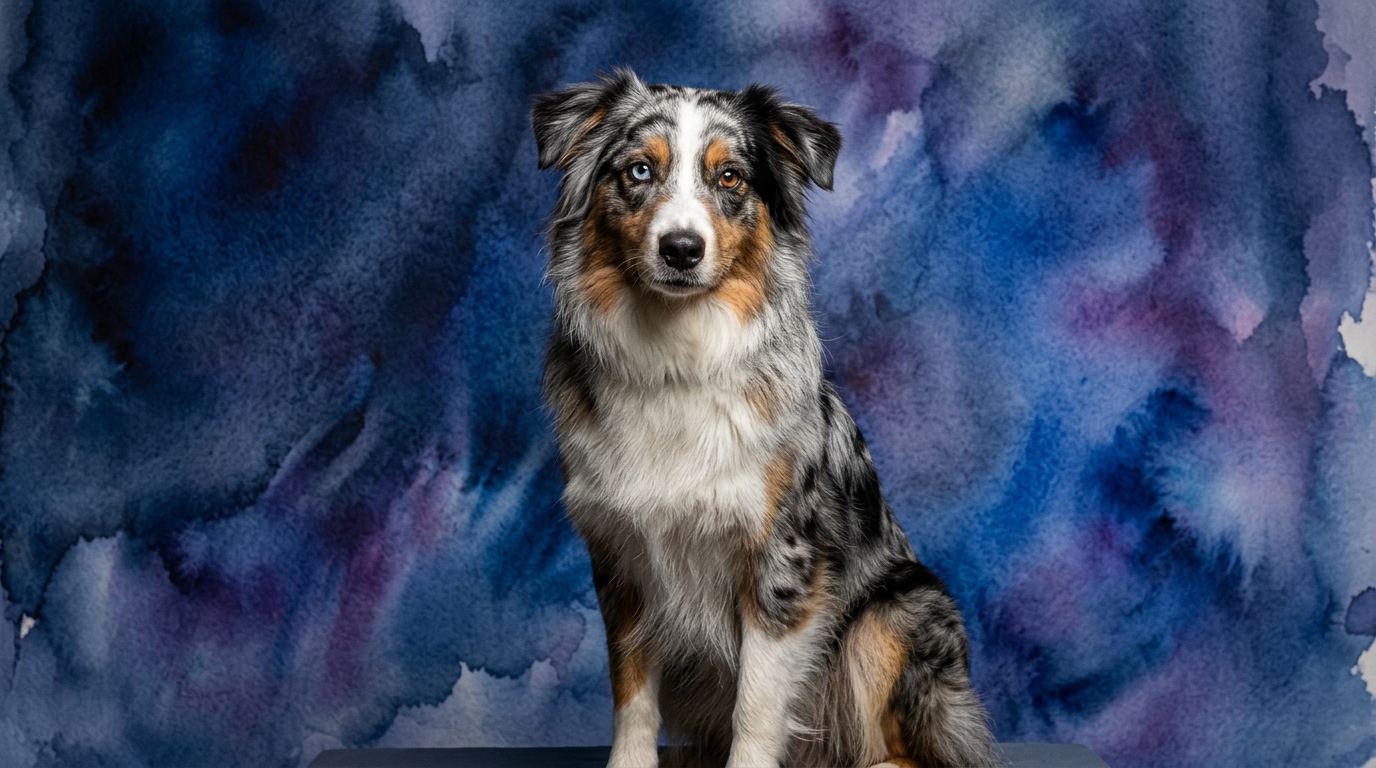
The Cosmic Pet Pet IQ Lab provides a comprehensive five-dimensional framework for understanding canine cognition, and applying it to the Australian Shepherd and Kooikerhondje reveals distinct profiles. For the Australian Shepherd, problem Solving earns a perfect 5/5, indicating an exceptional capacity to analyze situations, devise solutions, and navigate complex environments, often without direct instruction. Their training Speed also rates 5/5, meaning they grasp new commands and routines with remarkable swiftness, often requiring only a few repetitions to solidify a behavior. Social Intelligence stands at 4/5, reflecting a strong ability to read human cues and intentions, adapt to social dynamics, and form deep bonds, though they can sometimes be discerning. Instinctive Drive, a robust 5/5, highlights their powerful innate herding instincts, their intense focus, and their tireless energy for a 'job.' Finally, Memory at 5/5 signifies an impressive ability to recall past experiences, learned commands, and spatial information over long periods.
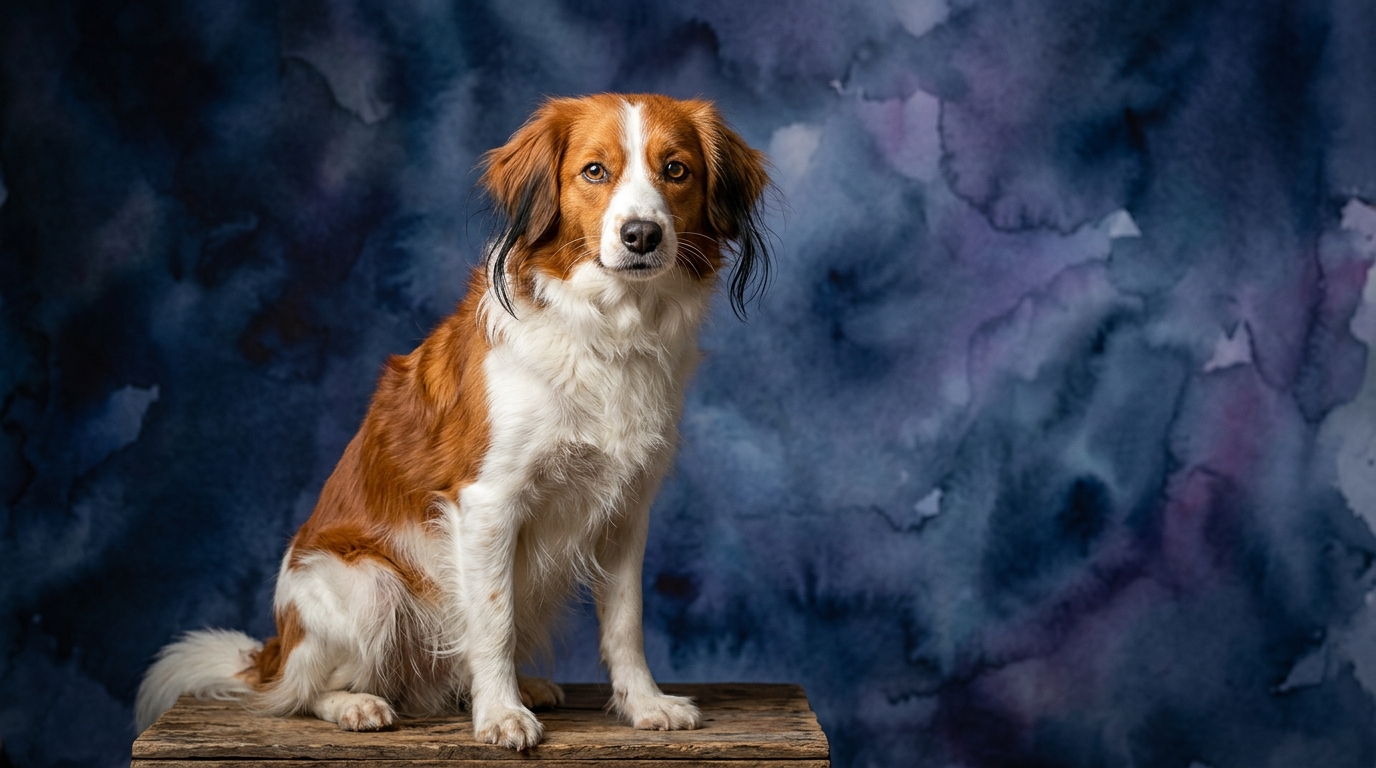
In contrast, the Kooikerhondje presents a balanced and moderate cognitive profile across the board. Their problem Solving capability is rated 3/5, suggesting they are capable of navigating challenges and learning through experience, but may require more guidance or simpler steps compared to a more analytical breed. Training Speed also registers 3/5, indicating they are certainly trainable and willing to learn, though they may require more consistent repetition and patience to master new skills. Social Intelligence at 3/5 means they are generally friendly and responsive to their human companions, but might not possess the same nuanced understanding of complex social cues or as intense a desire to 'manage' their environment as a herding breed. Instinctive Drive at 3/5 points to a moderate level of natural hunting and retrieving instincts, making them engaged but not obsessive in their pursuits. Lastly, Memory at 3/5 suggests they retain information adequately, remembering familiar routines and commands, but perhaps with less long-term precision or detail than a breed with higher recall.
Where the Australian Shepherd Wins Cognitively
The Australian Shepherd's cognitive strengths make them stand out in areas demanding complex thought and rapid adaptation. Their 5/5 in Problem Solving means they excel at tasks requiring strategic thinking, such as navigating intricate agility courses, solving puzzle toys designed for advanced canines, or even figuring out how to open gates or cupboards. This breed doesn't just learn commands; they often understand the *intent* behind them, allowing for a remarkable degree of independent action and decision-making when given a task.
Furthermore, their combined 5/5 Training Speed and 5/5 Memory give them an unparalleled advantage in competitive dog sports and working roles. An Aussie can rapidly acquire a vast repertoire of commands, from intricate obedience routines to complex herding patterns, and retain them with enduring precision. Their strong Instinctive Drive (5/5) means they approach these challenges with intense focus and unwavering motivation, consistently applying their cognitive abilities to fulfill their purpose, whether it's moving livestock or performing a choreographed freestyle routine. This breed thrives on being mentally engaged, actively seeking out opportunities to apply their sharp intellect.
Where the Kooikerhondje Wins Cognitively
While the Kooikerhondje's cognitive scores are moderate, this profile translates into distinct advantages for certain lifestyles and owner expectations. Their 3/5 in Instinctive Drive means they possess a pleasant enthusiasm for activities like retrieving or exploring, but without the intense, sometimes obsessive, focus that can characterize breeds with higher drives. This makes them less prone to developing compulsive behaviors if their mental stimulation isn't consistently at a peak level, offering a more relaxed companionship dynamic.
The Kooikerhondje's balanced 3/5 in Problem Solving and 3/5 in Social Intelligence means they are adaptable and willing to please, without the tendency to 'outsmart' their owners or take over household management through sheer intellect. They are content with a clear routine and moderate mental challenges, making them less demanding in terms of constant, high-level cognitive engagement. For owners who appreciate a charming, cooperative companion who enjoys learning but doesn't require a full-time 'job' to prevent boredom-induced mischief, the Kooikerhondje's cognitive balance can be a significant 'win' for harmonious living.
Which is Easier to Train and Why
Determining which breed is 'easier' to train depends heavily on the owner's experience and specific goals. The Australian Shepherd, with its 5/5 Training Speed, 5/5 Problem Solving, and 5/5 Memory, is exceptionally quick to pick up new commands and complex sequences. They are eager to learn and possess an inherent drive to work, often anticipating cues and strategizing to complete tasks efficiently. This makes them ideal for advanced obedience, agility, and specialized working roles, as they absorb information like sponges.
However, this very cognitive prowess can present challenges for an inexperienced owner. An Aussie's high Instinctive Drive (5/5) means they *need* a job; without appropriate mental and physical outlets, their problem-solving skills might be applied to undesirable behaviors, such as herding children, nipping heels, or inventing mischievous ways to entertain themselves. Their intense social intelligence (4/5) also means they are adept at reading their owners and can quickly learn to exploit inconsistencies in training. They require a confident, consistent handler who can channel their vast intelligence effectively.
The Kooikerhondje, with its 3/5 scores across the board, is generally easier for the average pet owner to train for basic obedience and companionship. They are willing and cooperative, and while they may require more repetitions (3/5 Training Speed) than an Aussie, their moderate Instinctive Drive (3/5) means they are less likely to develop intense behavioral issues if not constantly stimulated. They approach training with a pleasant demeanor, focusing on the task at hand without the added layer of complex strategic thinking or the overwhelming need to 'work' that defines the Aussie.
A Kooikerhondje's moderate social intelligence (3/5) means they are responsive to their owner's cues but are less likely to overthink or attempt to manipulate situations. They thrive on positive reinforcement and clear communication, making them a more straightforward training partner for individuals seeking a well-behaved family companion without the demands of a working dog's intellect. While capable of learning tricks and enjoying dog sports, their overall cognitive profile suggests a more manageable and less intense training journey for many owners.
Which Suits Active Owners vs. Relaxed Owners
The Australian Shepherd is unequivocally suited for active owners who are prepared to integrate their dog into a dynamic, engaging lifestyle. Their 5/5 Instinctive Drive and 5/5 Problem Solving demand consistent, high-level mental and physical engagement. These dogs thrive with daily vigorous exercise, such as long runs, hiking, or extensive play sessions, combined with structured mental work like advanced training, puzzle solving, or participation in dog sports like agility, flyball, or herding. An Aussie is a partner in adventure and a working companion, requiring an owner who can match their tireless energy and sharp intellect.
The Kooikerhondje, with its moderate 3/5 scores across all cognitive dimensions, is a better fit for moderately active owners. They enjoy daily walks, play sessions in the yard, and participation in recreational activities, but do not typically require the same intensity or duration of exercise and mental stimulation as an Australian Shepherd. A Kooiker can adapt well to a home that offers regular physical activity and consistent, positive training without the need for a full-time 'job.' They appreciate companionship and engagement but are also content with periods of relaxation, making them suitable for owners who enjoy activity but also cherish quieter moments at home.
The Verdict
Choose an Australian Shepherd if you are an experienced, highly active owner eager for a true working partner who thrives on intense mental and physical challenges.
Opt for a Kooikerhondje if you seek a charming, adaptable companion who enjoys regular activity and training but doesn't demand the constant, high-level engagement of a working breed.
🧠 Find Your Pet's IQ Score
Our Pet IQ Lab assessment covers 25+ tests across 5 cognitive dimensions — personalized to your breed.
Take the Full IQ Test →Frequently Asked Questions
Do Australian Shepherds need a 'job'?
Yes, Australian Shepherds possess a 5/5 Instinctive Drive and 5/5 Problem Solving, meaning they genuinely thrive when given tasks or activities that engage their minds and bodies. Without a 'job,' they can become bored and channel their intelligence into unwanted behaviors, often requiring structured activities like herding, agility, or advanced obedience training to feel fulfilled.
Are Kooikerhondjes good for first-time dog owners?
Kooikerhondjes can be good for first-time dog owners who are committed to consistent positive reinforcement training and can provide moderate daily exercise. Their balanced temperament and moderate drive (3/5 across cognitive dimensions) make them generally less demanding than breeds with higher working drives, offering a more manageable learning curve for new owners.
Which breed is more prone to separation anxiety?
Both breeds can develop separation anxiety, but the Australian Shepherd's higher Social Intelligence (4/5) and strong bonding tendencies might make them more prone if not properly acclimated to alone time. Kooikerhondjes, while affectionate, tend to be a bit more independent (3/5 Social Intelligence) and may adapt slightly better to periods of solitude, provided their needs for exercise and companionship are consistently met when their owner is present.