Side-by-Side IQ Profile: Decoding Canine Cognition
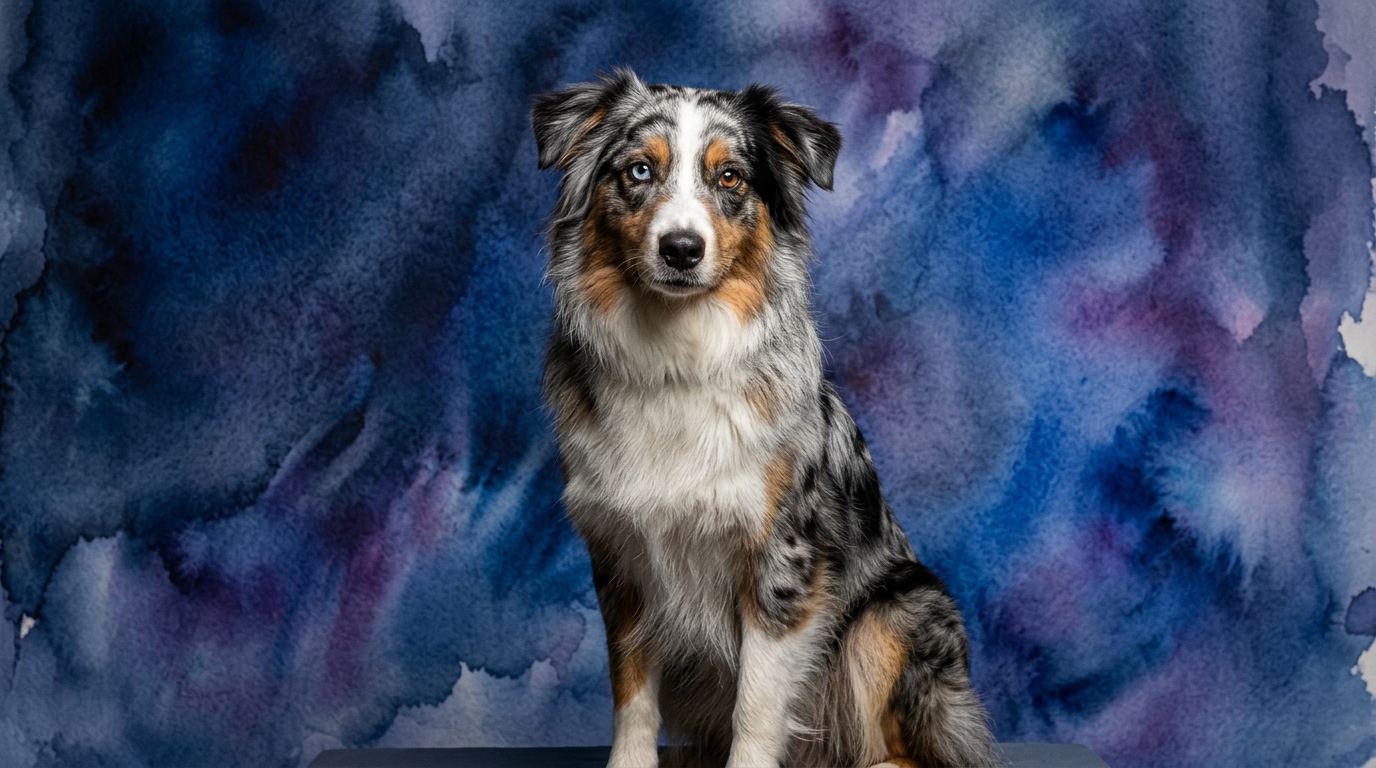
The Australian Shepherd emerges as a cognitive powerhouse within our Pet IQ Lab, demonstrating exceptional aptitudes across multiple dimensions. Their Problem Solving is rated a perfect 5/5, indicating a profound capacity for independent thought and navigating complex scenarios, such as figuring out how to open latches or strategize during herding tasks. Training Speed also scores a top 5/5, reflecting their rapid acquisition of new commands and behaviors, often requiring fewer repetitions than many other breeds. In Social Intelligence, they achieve a strong 4/5, suggesting a nuanced understanding of human cues and emotional states, though perhaps with a slight preference for task focus over pure social engagement. Their Instinctive Drive is a commanding 5/5, manifesting as an intense desire to herd, chase, and work, deeply rooted in their genetic makeup. Finally, their Memory is an impressive 5/5, allowing them to recall intricate sequences, specific locations, and learned commands over extended periods.
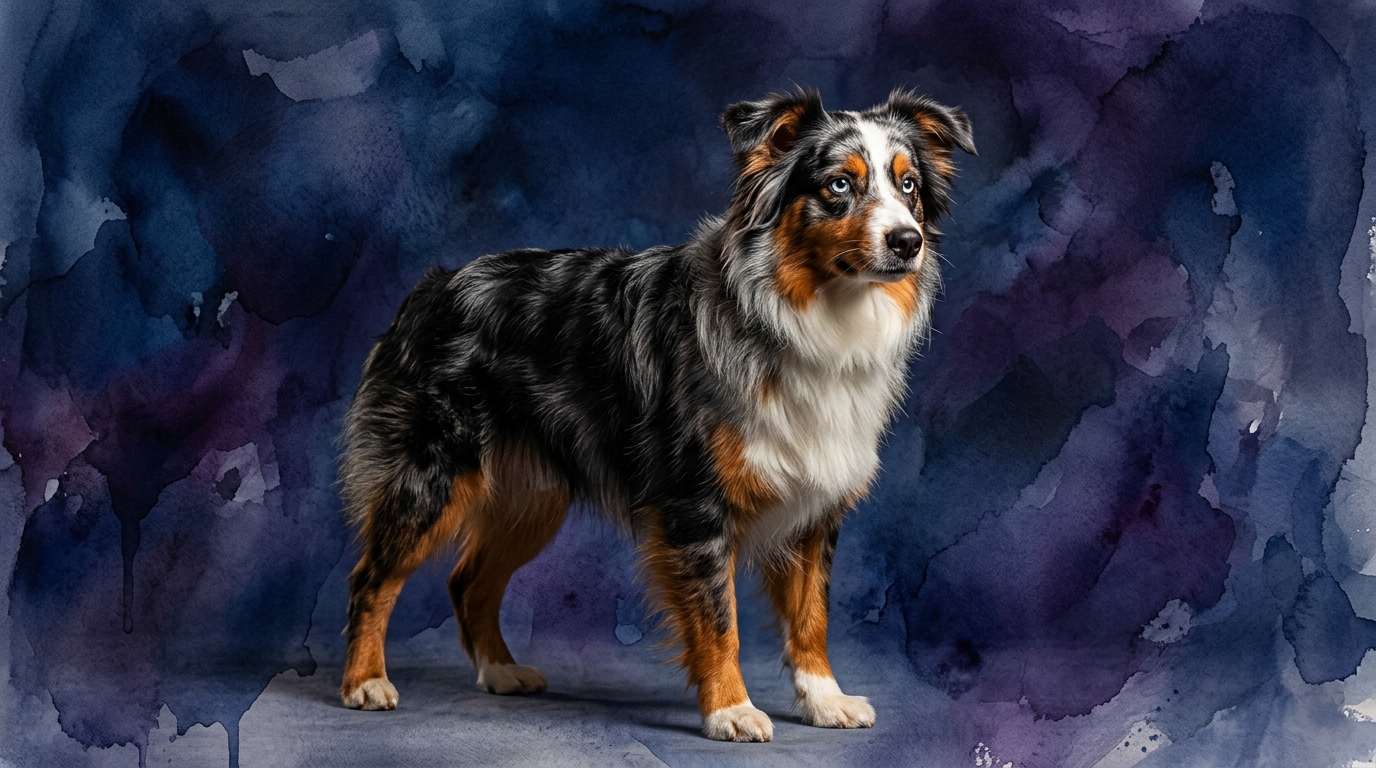
In contrast, the Miniature American Shepherd, while undeniably capable, presents a more balanced and moderately rated cognitive profile. Their Problem Solving earns a 3/5, indicating an ability to solve straightforward challenges but potentially struggling with more abstract or multi-step puzzles without significant guidance. Training Speed is also a 3/5, meaning they are responsive to instruction and learn reliably, though they may require more consistent reinforcement and patience compared to their larger counterparts. For Social Intelligence, they score 3/5, suggesting a good general understanding of human interactions and a desire for connection, but perhaps less subtlety in interpreting complex social signals than a 4/5 breed. Their Instinctive Drive is rated 3/5, present but less intense than the Aussie, meaning they possess herding instincts but might be more readily redirected or find satisfaction in less demanding activities. Their Memory, at 3/5, allows them to retain commands and routines effectively, but perhaps not with the same depth or duration for highly intricate tasks as a 5/5 breed.
Where the Australian Shepherd Wins Cognitively
The Australian Shepherd's cognitive strengths lie in its profound capacity for intricate problem-solving and its lightning-fast learning acquisition. Their 5/5 Problem Solving score means they excel at tasks requiring abstract thought, such as manipulating objects to achieve a goal or independently strategizing during agility courses. This isn't just about following commands; it's about applying learned principles to novel situations. For example, an Aussie might quickly deduce how to unlatch a complicated gate after observing it only a few times, whereas a Mini American Shepherd might require more direct instruction or trial-and-error. Their 5/5 Training Speed translates into a dog that picks up complex sequences of commands with remarkable efficiency, making them adept at advanced obedience, competitive dog sports, and specialized working roles. They often anticipate cues and generalize learning rapidly, requiring fewer repetitions to master new behaviors. This superior cognitive flexibility allows them to adapt and perform in dynamic, unpredictable environments with greater self-reliance.
Where the Miniature American Shepherd Wins Cognitively
While the Miniature American Shepherd's cognitive scores are generally lower than the Aussie's, their profile doesn't signify a lack of capability but rather a different kind of cognitive suitability. Their 3/5 scores in Problem Solving, Training Speed, and Instinctive Drive suggest a less intense, more manageable cognitive energy that can be a distinct advantage in specific living situations. For example, their moderate Instinctive Drive means they are less prone to exhibiting overwhelming herding behaviors in a typical family home, such as nipping at heels or attempting to "gather" children, which can be a common challenge with a 5/5 drive Aussie. Their more moderate Problem Solving means they are less likely to become bored and invent their own challenging (and potentially destructive) "puzzles" if not adequately stimulated. This translates to a dog that is generally content with a more structured routine and less demanding mental engagement, requiring less constant oversight to prevent self-created mischief. Their 3/5 Social Intelligence makes them generally affable and responsive to human interaction without the intense, sometimes overwhelming, focus on their handler that a higher-scoring working dog might exhibit.
Which is Easier to Train and Why
Based on our Pet IQ Lab data, the Australian Shepherd (Training Speed 5/5) is demonstrably quicker to train in terms of raw command acquisition and mastering complex sequences. Their rapid processing ability means they grasp new concepts with fewer repetitions, often anticipating the next step in a training exercise. For instance, teaching an Aussie a multi-part agility course or a complex freestyle routine might involve fewer initial walkthroughs and quicker transitions to independent execution. This speed, however, comes with a caveat: their profound problem-solving abilities (5/5) and strong instinctive drive (5/5) mean they also require consistent, engaging, and challenging training to prevent boredom or the development of self-directed, potentially undesirable, behaviors. If their minds aren't adequately stimulated, they might "train themselves" in ways not conducive to a harmonious household, such as figuring out how to escape or counter-surf.
The Miniature American Shepherd (Training Speed 3/5), while not as lightning-fast, is still a responsive and willing student. They learn reliably but may require more consistent repetition and patience to solidify new commands. For example, a Mini American Shepherd might take a few extra sessions to perfectly execute a "stay" with distractions compared to an Aussie. However, their more moderate instinctive drive (3/5) and problem-solving capacity (3/5) often make them an "easier" dog to live with for owners who aren't seeking to push the boundaries of canine performance. Their training needs, while still significant for a herding breed, are generally less intense and more forgiving of occasional lapses in engagement. They are less prone to inventing their own "jobs" if under-stimulated, often content with a good walk and some interactive play, making them easier to manage for an average pet owner who values a well-behaved companion over a competitive athlete.
Which Suits Active Owners vs. Relaxed Owners
The Australian Shepherd's cognitive profile strongly aligns with the needs of highly active and engaged owners. Their 5/5 Instinctive Drive and 5/5 Problem Solving demand an outlet beyond basic walks; they thrive on activities like competitive obedience, agility, flyball, disc dog, or actual herding work. Owners who enjoy spending hours training and participating in dog sports will find an Aussie a truly fulfilling partner, as their cognitive capacity allows for constant learning and skill refinement. A "relaxed" owner, meaning someone whose lifestyle does not include daily, vigorous physical and mental stimulation, would likely find an Australian Shepherd challenging to manage. An under-stimulated Aussie might develop behavioral issues such as excessive barking, destructive chewing, or obsessive behaviors, stemming from unchanneled mental energy and drive.
The Miniature American Shepherd, with its more moderate 3/5 scores across the board, is better suited for active owners who may not be seeking the intensity of a top-tier working dog but still enjoy regular engagement. They benefit from daily walks, play sessions, and basic obedience training, and can certainly excel in activities like rally or novice agility. However, their needs are less extreme than the Aussie's, making them a better fit for owners who appreciate an active companion but don't necessarily have the time or inclination for advanced competitive sports or extensive daily "work." While they still require mental and physical exercise to prevent boredom, their capacity for self-entertainment is lower, and their drive is less overwhelming. A "relaxed" owner, in the context of someone who provides consistent, moderate activity rather than minimal, might find a Mini American Shepherd more adaptable to their lifestyle, provided they still commit to regular exercise and mental enrichment.
The Verdict
Choose an Australian Shepherd if you are an experienced, active owner eager to dedicate significant time to advanced training, competitive dog sports, or working roles, thriving on a dog with profound problem-solving abilities and an intense drive.
Opt for a Miniature American Shepherd if you seek an active, intelligent companion with a more moderate drive and cognitive intensity, suitable for a committed owner who enjoys daily activity and consistent training without the demanding expectations of a top-tier working breed.
🧠 Find Your Pet's IQ Score
Our Pet IQ Lab assessment covers 25+ tests across 5 cognitive dimensions — personalized to your breed.
Take the Full IQ Test →Frequently Asked Questions
Are Miniature American Shepherds just smaller Australian Shepherds in terms of intelligence?
While genetically related and sharing many traits, our Pet IQ Lab data indicates distinct cognitive differences. Miniature American Shepherds generally exhibit more moderate scores across problem-solving, training speed, and instinctive drive compared to the Australian Shepherd's higher ratings, suggesting a different cognitive profile rather than simply a scaled-down version.
Does a lower IQ score mean a dog is less capable or harder to live with?
Not at all. A lower score often indicates a more moderate cognitive energy and drive, which can translate to a dog that is easier to manage for the average pet owner. For example, a dog with a 3/5 instinctive drive might be less prone to intense herding behaviors in a home environment than a 5/5 drive dog, making them a more relaxed companion.
Can a Miniature American Shepherd still excel in dog sports?
Absolutely. While their training speed and problem-solving scores are moderate, Miniature American Shepherds are still highly capable and eager to learn. They can excel in a variety of dog sports like agility, obedience, and rally, especially with consistent training and a dedicated handler, though they might require more repetitions to master complex tasks than an Australian Shepherd.