The Cosmic Pet Pet IQ Lab: Side-by-Side Cognitive Profiles
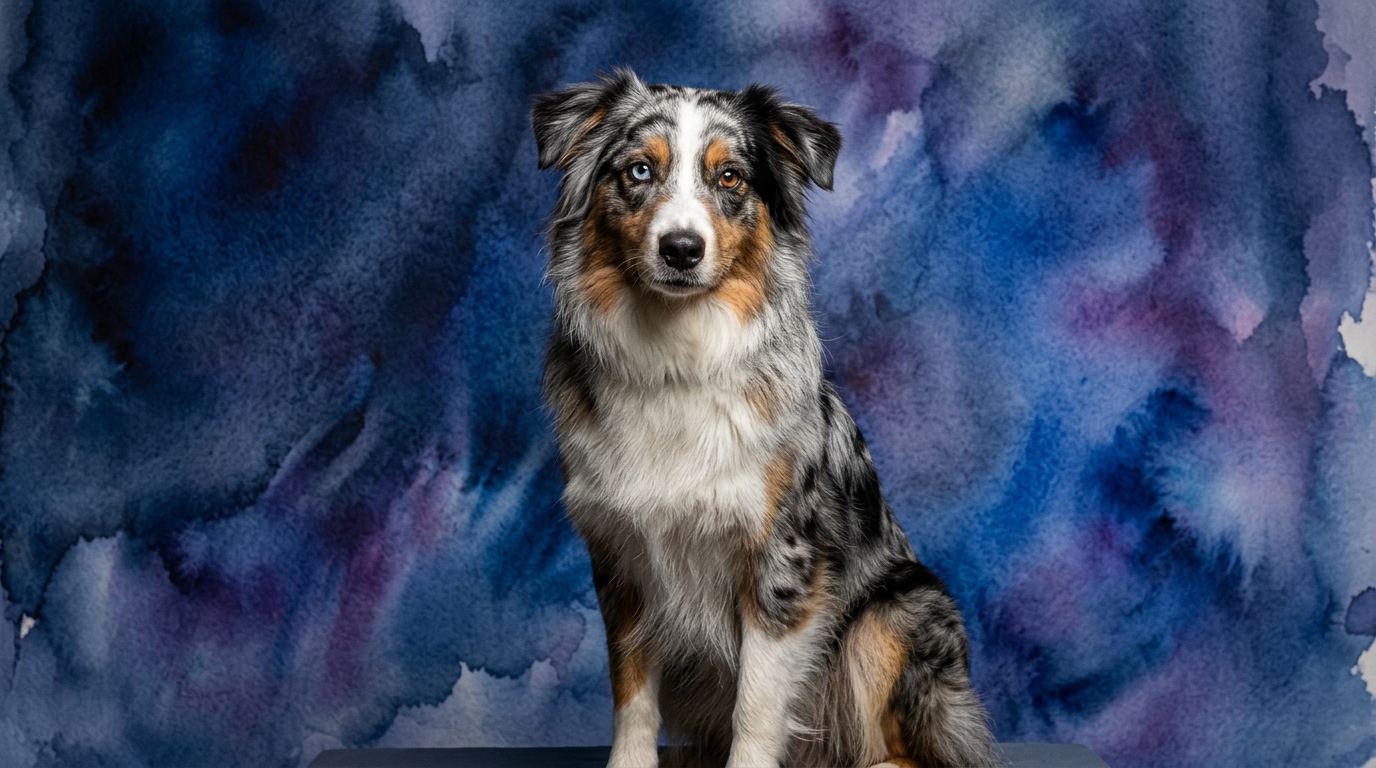
The Cosmic Pet Pet IQ Lab categorizes canine intelligence across five key dimensions, offering a granular view of each breed’s mental landscape. For the Australian Shepherd, a herding breed not Coren-ranked, their profile reveals a remarkably agile mind. They score 5/5 in Problem Solving, indicating an exceptional ability to independently figure out complex tasks and devise novel solutions. Their Training Speed is also a perfect 5/5, meaning they grasp new commands and routines with remarkable rapidity, often in very few repetitions. Social Intelligence stands at 4/5, showing a strong capacity to read human cues and social dynamics, though their focus is often task-oriented. An Instinctive Drive of 5/5 highlights a powerful, ingrained desire for herding, movement, and purposeful work. Finally, their Memory is a stellar 5/5, ensuring they retain learned information and experiences over long periods with excellent recall.
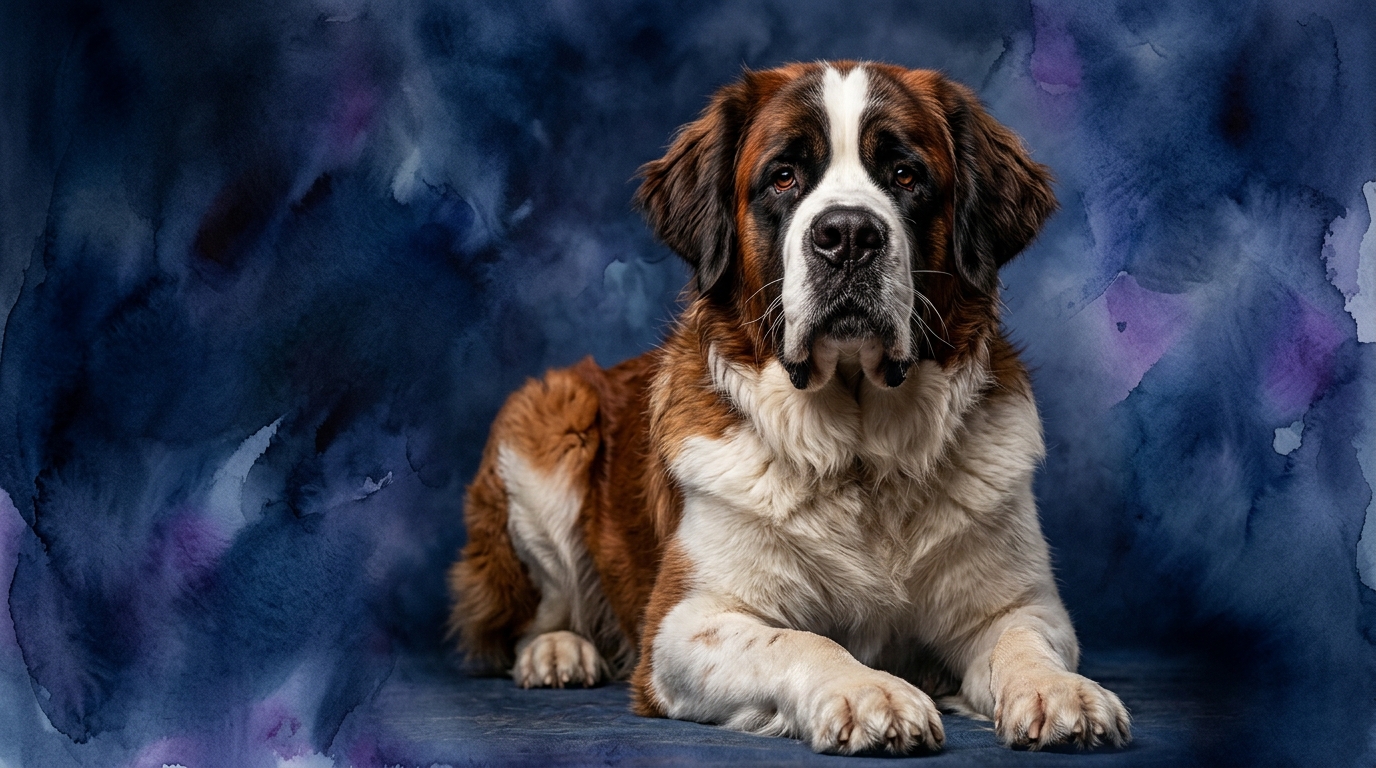
In contrast, the Saint Bernard, a working breed ranked #65 by Coren, presents a different set of cognitive strengths. Their Problem Solving is rated 3/5, suggesting a more straightforward, less experimental approach to challenges, preferring established routines over innovation. Training Speed is 2/5, indicating a need for more repetition and patience to learn new commands and behaviors; their learning style is steady and deliberate. Like the Australian Shepherd, their Social Intelligence is 4/5, demonstrating a strong capacity for understanding human emotions and social situations, often displaying empathy and a gentle demeanor. Their Instinctive Drive is a robust 5/5, rooted in a profound instinct for companionship, protection, and rescue, rather than herding, reflecting their historical role. Their Memory is 3/5, meaning they retain information adequately but may require occasional refreshers, particularly for less frequently practiced commands.
Where the Australian Shepherd Excels Cognitively
The Australian Shepherd truly shines in areas demanding rapid cognitive processing and adaptive thinking. Their 5/5 rating in Problem Solving reflects a breed that doesn't just react but actively analyzes situations, often finding creative pathways to achieve goals. This manifests in their ability to navigate complex agility courses, understand multi-step commands, or even figure out how to open tricky latches. Paired with a 5/5 Training Speed, they absorb new information with impressive efficiency, making them adept pupils in advanced obedience or specialized tasks. Their inherent eagerness to engage and mental agility means they are always seeking out the next puzzle to solve. This cognitive profile means they aren't just following instructions; they are often anticipating them and understanding the underlying objective.
Furthermore, the Australian Shepherd's 5/5 Memory solidifies this advantage, ensuring that once a lesson is learned, it tends to stick, allowing for the rapid building of a vast behavioral repertoire. This combination of quick learning, robust retention, and active problem-solving positions them as highly versatile and adaptable cognitive performers, always ready for the next mental challenge. They are the canine equivalent of a quick-witted strategist, capable of applying past knowledge to new scenarios and adjusting their approach on the fly. This mental flexibility makes them exceptional partners in competitive dog sports or any activity requiring a dog to think on its feet.
Where the Saint Bernard Stands Out Cognitively
While the Saint Bernard might not match the Australian Shepherd's pace in rapid learning or complex problem-solving, their cognitive strengths lie in different, equally valuable domains. Their 5/5 Instinctive Drive is a profound asset, rooted in centuries of dedicated rescue work and companionship. This isn't just a physical drive; it's a deep-seated cognitive predisposition towards empathy, vigilance, and enduring loyalty. This drive manifests as a calm, steadfast determination to protect and assist, rather than a need for constant physical exertion. Their historical role as mountain rescuers highlights a deep-seated desire to assist and guard, coupled with impressive endurance and a strong sense of direction.
Their 4/5 Social Intelligence, on par with the Aussie, allows them to accurately read human emotions and intentions, fostering profound bonds and making them exceptionally sensitive companions. This breed demonstrates a quiet cognitive strength in their ability to provide unwavering emotional support and exhibit patience in demanding situations, like waiting calmly for a lost hiker or gently interacting with children. Their cognitive profile emphasizes reliability, emotional depth, and a steadfast, inherent understanding of their role within a family unit, rather than quick-fire mental gymnastics. They process the world with a steady, compassionate understanding, making them incredibly intuitive and gentle giants.
Training Dynamics: Which Breed is Easier to Teach?
Based on The Cosmic Pet Pet IQ Lab data, the Australian Shepherd is demonstrably easier to train, primarily due to their superior Training Speed (5/5 vs. Saint Bernard's 2/5) and Problem Solving ability (5/5 vs. 3/5). An Aussie will typically grasp a new command or concept in significantly fewer repetitions, often showing an eagerness to experiment and understand what's being asked. Their inherent drive to work and please, combined with their sharp memory, means they quickly build associations between commands and actions. For instance, teaching an Aussie to fetch a specific item often involves just a few guided attempts before they understand the object permanence and retrieval task, rapidly connecting the command to the desired action.
In contrast, the Saint Bernard's more deliberate learning pace means trainers need to employ greater patience and consistency. While they are certainly capable of learning, their progress is slower, requiring more frequent and sustained reinforcement. A Saint Bernard might need many more repetitions to reliably perform a complex sequence, as their mental processing is less geared towards rapid abstraction and more towards solidifying foundational routines. Their training success hinges on clear, calm instruction and a deep bond, rather than relying on quick cognitive leaps. They respond best to positive reinforcement and a patient, understanding approach, where consistency is key to building lasting habits.
Matching Breeds to Lifestyles: Active vs. Relaxed Owners
The Australian Shepherd is undeniably suited for active owners who can provide ample mental and physical engagement. Their 5/5 Instinctive Drive for herding and constant mental stimulation means they thrive when given a 'job' to do, whether it's agility, obedience, herding trials, or even complex puzzle toys. An owner who enjoys hiking, running, or participating in dog sports will find the Aussie a perfect, tireless partner. Without sufficient outlets for their energetic minds and bodies, they can become bored and channel their intelligence into less desirable behaviors, like excessive chewing, 'herding' family members, or excessive barking. Their cognitive profile demands an owner who is ready to engage them daily in purposeful activities.
Conversely, the Saint Bernard is a better match for more relaxed owners who appreciate a calm, steadfast presence. While they require regular, moderate exercise to maintain their health, their instinctive drive leans more towards companionship and gentle vigilance rather than high-octane activity. A Saint Bernard will be content with daily walks, a spacious yard to patrol, and plenty of quality time with their family. Their lower training speed and problem-solving scores suggest they are less demanding in terms of constant mental challenges, preferring a predictable routine and a comfortable spot beside their human. They are the ultimate gentle giants, perfectly happy to be a quiet, loving presence in a calm household.
The Verdict
Choose an Australian Shepherd if you are an active individual or family seeking a highly trainable, mentally agile companion for dog sports, advanced obedience, or a demanding working role. Their quick learning and problem-solving will thrive with consistent engagement and clear purpose.
Opt for a Saint Bernard if you desire a patient, emotionally perceptive companion who excels in loyalty and gentle presence, fitting well into a more relaxed household that values steadfast affection over intense activity. Their deep social intelligence and rescue drive make them devoted family members.
🧠 Find Your Pet's IQ Score
Our Pet IQ Lab assessment covers 25+ tests across 5 cognitive dimensions — personalized to your breed.
Take the Full IQ Test →Frequently Asked Questions
Are Australian Shepherds good family dogs?
Australian Shepherds can be excellent family dogs, especially for active families willing to engage their keen minds and high energy. They are often very loyal and protective of their human family, but require consistent training and socialization from a young age to channel their herding instincts appropriately. Their social intelligence allows them to bond closely with their household.
How much exercise does a Saint Bernard need?
Saint Bernards require moderate, consistent exercise to stay healthy, typically one or two good walks daily totaling 30-60 minutes. While they possess endurance, they are not high-energy dogs, and excessive strenuous activity, especially in hot weather or during growth, should be avoided due to their size and potential joint issues. Their instinctive drive is more about steady companionship than intense physical exertion.
Can a Saint Bernard live in an apartment?
While a Saint Bernard can adapt to apartment living if given sufficient daily exercise and mental enrichment outside, it is not ideal due to their immense size. They need space to stretch out and move comfortably indoors, and access to a private yard is highly beneficial. Owners must be committed to regular outings to meet their exercise needs and prevent boredom.