Side-by-Side IQ Profile: Australian Shepherd vs. Toy Fox Terrier
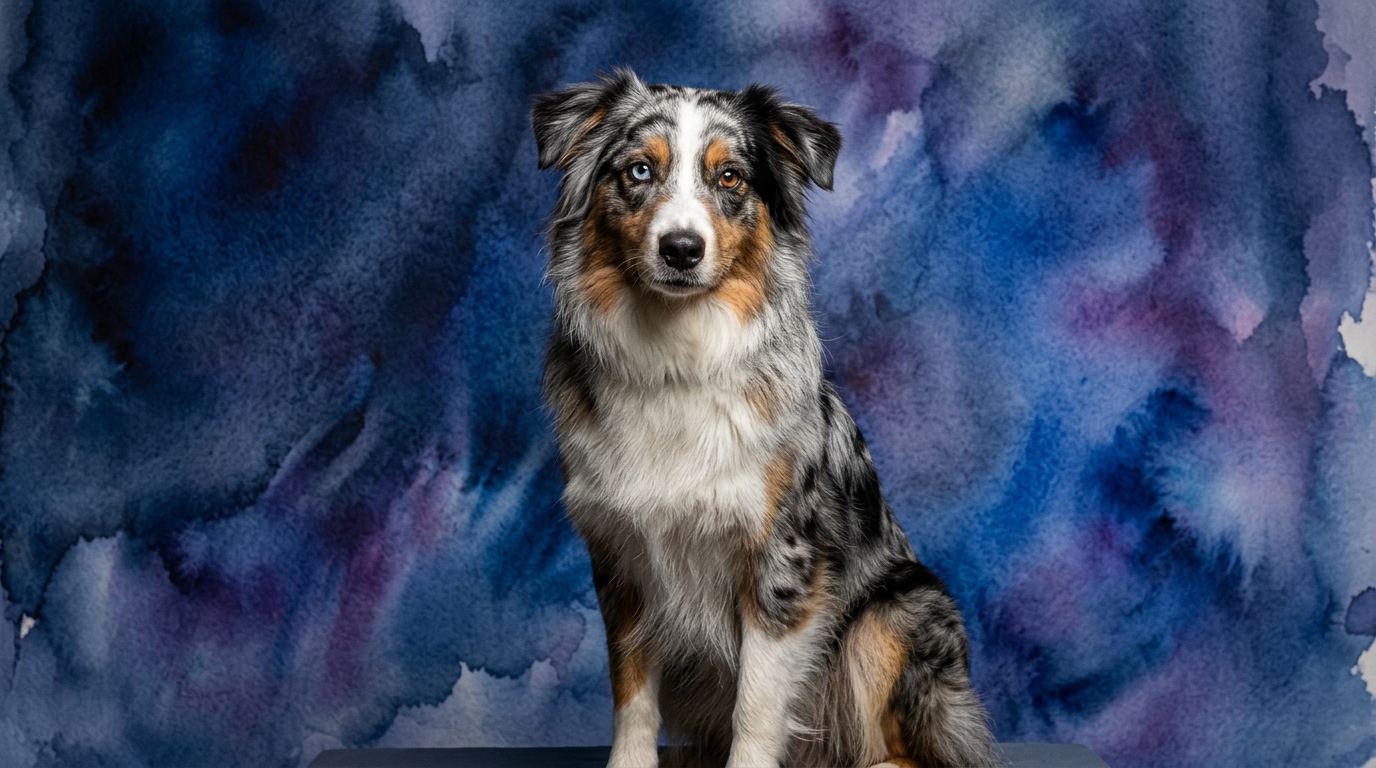
The Australian Shepherd, originating from a working lineage, possesses a cognitive profile geared towards complex tasks and collaboration. Their problem-solving capacity is rated 5/5, indicating an exceptional ability to navigate intricate scenarios, figure out multi-step puzzles, and adapt strategies to novel challenges with remarkable foresight. Their training speed, also a perfect 5/5, reflects an impressive ability to absorb new commands and routines with minimal repetitions, making them incredibly quick studies eager to engage in learning activities. Social intelligence stands at 4/5, meaning they are highly attuned to human cues, forming strong, collaborative bonds and understanding handler directives within a working context. Their instinctive drive is a profound 5/5, manifesting as a powerful urge to herd, patrol, and engage in purposeful activity, fueling their pursuit of various disciplines. Finally, their memory, a robust 5/5, demonstrates an outstanding ability to recall learned behaviors, complex sequences, and environmental details over extended periods with impressive accuracy.
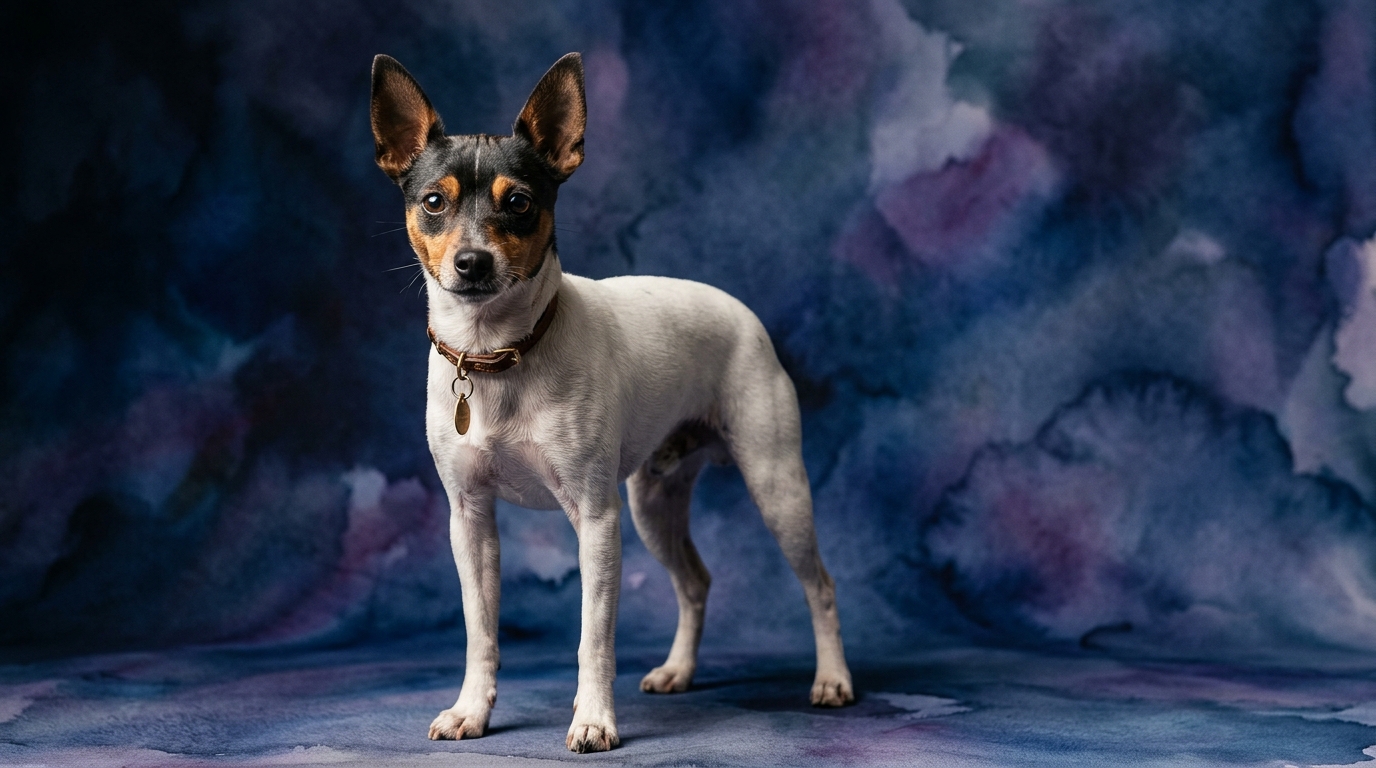
In contrast, the Toy Fox Terrier, a spirited companion breed, exhibits a more balanced and moderately driven cognitive makeup. Their problem-solving is rated 3/5, indicating they approach challenges with practical ingenuity, capable of solving straightforward puzzles and navigating familiar obstacles relevant to daily life rather than complex strategizing. Their training speed, also 3/5, means they learn new behaviors at a steady pace, requiring consistent repetition and clear communication to solidify understanding, rather than rapid acquisition. Social intelligence is 3/5, showing they are adept at forming affectionate bonds and understanding basic human emotions, with interactions typically direct and focused on companionship within their immediate family. Their instinctive drive is 3/5, manifesting as a desire for play, chasing small objects, or exploring their surroundings with spirited curiosity, less about a demanding "job." Their memory, rated 3/5, ensures they retain commands and routines adequately, remembering familiar people and places for household rules and established patterns, though not for intricate, long-term sequences.
Where the Australian Shepherd Wins Cognitively
The Australian Shepherd's cognitive profile shines brightly in areas demanding high-level processing and sustained mental effort, making them exceptional partners for demanding roles. Their exceptional problem-solving (5/5) means they excel at tasks requiring strategic thought, like navigating complex agility courses, mastering advanced puzzle toys, or even understanding intricate sequences of commands. This breed doesn't just react to stimuli; they actively analyze situations and devise solutions. Coupled with a perfect 5/5 memory, an Aussie can retain a vast repertoire of commands and understand elaborate multi-part routines, making them ideal candidates for competitive obedience, service work, or performing complex tricks. Their powerful instinctive drive (5/5) isn't merely about physical energy; it’s a deep, intrinsic motivation to engage with tasks and learn, providing the mental fuel to persist through challenges and acquire new skills rapidly. This inherent drive for purpose, combined with their swift training speed, allows them to master new abilities with remarkable efficiency, often needing fewer repetitions than many other breeds. An Aussie's cognitive strengths make them adept at anticipating and responding to dynamic environments, a trait refined by generations of herding work.
Where the Toy Fox Terrier Wins Cognitively
While the Australian Shepherd excels in complex, high-demand cognitive roles, the Toy Fox Terrier's cognitive strengths lie in their balanced and adaptable intelligence, perfectly suited for companionship and a less demanding lifestyle. Their moderate problem-solving (3/5) means they are perfectly capable of navigating daily household life, understanding routines, and engaging with interactive toys without becoming overwhelmed or requiring constant, intense mental stimulation. A Toy Fox Terrier's 3/5 instinctive drive is a distinct advantage for owners who appreciate a dog that is spirited but not compulsively driven to work. This means they are less likely to invent their own "jobs" like rearranging furniture or endlessly herding family members, which can be a significant benefit in a smaller living space or for owners seeking a more relaxed companion. Their social intelligence (3/5) allows them to form strong, affectionate bonds without the intense need for constant, collaborative work that a higher-scoring breed might exhibit, potentially making them less prone to separation anxiety in certain contexts. The Toy Fox Terrier wins by offering a cognitive profile that is highly functional and engaging for a companion animal, providing joy and responsiveness without the intense mental demands of a traditional working dog.
Which is Easier to Train and Why
When evaluating ease of training, the Australian Shepherd (training speed 5/5) presents a clear advantage for owners seeking rapid skill acquisition and the ability to teach complex behaviors. Their inherent desire to work and please their handler, combined with exceptional memory and problem-solving, means they pick up new commands and multi-step tasks with impressive speed. For instance, an Aussie might learn a new obedience sequence in just a few sessions, remembering it weeks later, and proactively offering behaviors to gain rewards. However, this high cognitive capacity also means they require consistent mental engagement; without it, their problem-solving skills might be applied to undesirable activities out of boredom. The Toy Fox Terrier (training speed 3/5), on the other hand, requires more patience and repetition. While they are certainly trainable for basic obedience and house manners, their learning curve is steadier, and complex tricks or lengthy routines will take more time and consistent reinforcement to solidify. A Toy Fox Terrier might need dozens of repetitions to reliably perform a 'stay' command in a distracting environment, whereas an Aussie could grasp it in a handful. The key difference lies in the intensity of their intrinsic motivation for structured learning and their ability to generalize concepts quickly. The Aussie's mind is a sponge, eager to absorb, while the Toy Fox Terrier's is more selective, learning what directly benefits them in their immediate environment.
Which Suits Active Owners vs. Relaxed Owners
The choice between these two breeds largely hinges on an owner's lifestyle and their capacity to meet a dog's cognitive and physical needs. The Australian Shepherd is unequivocally suited for active owners who relish engaging in demanding activities. Their robust instinctive drive (5/5) and need for problem-solving (5/5) mean they thrive with daily challenges like agility training, herding, flyball, or long, mentally stimulating hikes. Owners who can provide consistent mental and physical outlets, perhaps even a "job" such as farm work or competitive dog sports, will find the Aussie to be an incredibly fulfilling and collaborative partner. Their energy isn't just physical; it's a profound mental energy that needs consistent direction. Conversely, the Toy Fox Terrier is an ideal match for more relaxed owners. Their moderate instinctive drive (3/5) and problem-solving (3/5) mean they are content with regular walks, interactive play sessions, and comfortable indoor companionship. While they enjoy activity, they don't possess the relentless need for intense, structured work that defines the Aussie. A Toy Fox Terrier will happily curl up on the couch after a good play session, whereas an Aussie might still be looking for the next task. For owners who desire a lively, affectionate companion without the commitment to extensive daily mental and physical exercise, the Toy Fox Terrier fits perfectly into a less demanding routine.
The Verdict
Choose an Australian Shepherd if you are an active individual or family eager to commit to extensive daily mental stimulation, advanced training, and engaging in dog sports or working roles.
Opt for a Toy Fox Terrier if you seek a spirited, affectionate companion dog that thrives on moderate activity and enjoys a more relaxed, yet still engaging, home life.
🧠 Find Your Pet's IQ Score
Our Pet IQ Lab assessment covers 25+ tests across 5 cognitive dimensions — personalized to your breed.
Take the Full IQ Test →Frequently Asked Questions
Can a Toy Fox Terrier excel in dog sports like agility?
Yes, Toy Fox Terriers can certainly participate and enjoy dog sports like agility, though they may not achieve the same speed or precision as an Australian Shepherd due to their moderate training speed and instinctive drive. Their enthusiasm and agility make them fun competitors, but success will require more consistent, patient training.
Do Australian Shepherds need a 'job' to be content?
Australian Shepherds genuinely thrive when given a sense of purpose or a 'job,' whether it's herding, competitive obedience, agility, or even advanced trick training. Their high instinctive drive and problem-solving skills mean that without adequate mental and physical engagement, they can become bored and potentially develop undesirable behaviors.
How do their social intelligence scores impact household dynamics?
An Australian Shepherd's 4/5 social intelligence means they are highly attuned to their family, often forming deep, collaborative bonds, but they can be reserved with strangers. A Toy Fox Terrier's 3/5 social intelligence indicates they are affectionate with their family and generally outgoing, adapting well to various social situations without intense demands for constant interaction.