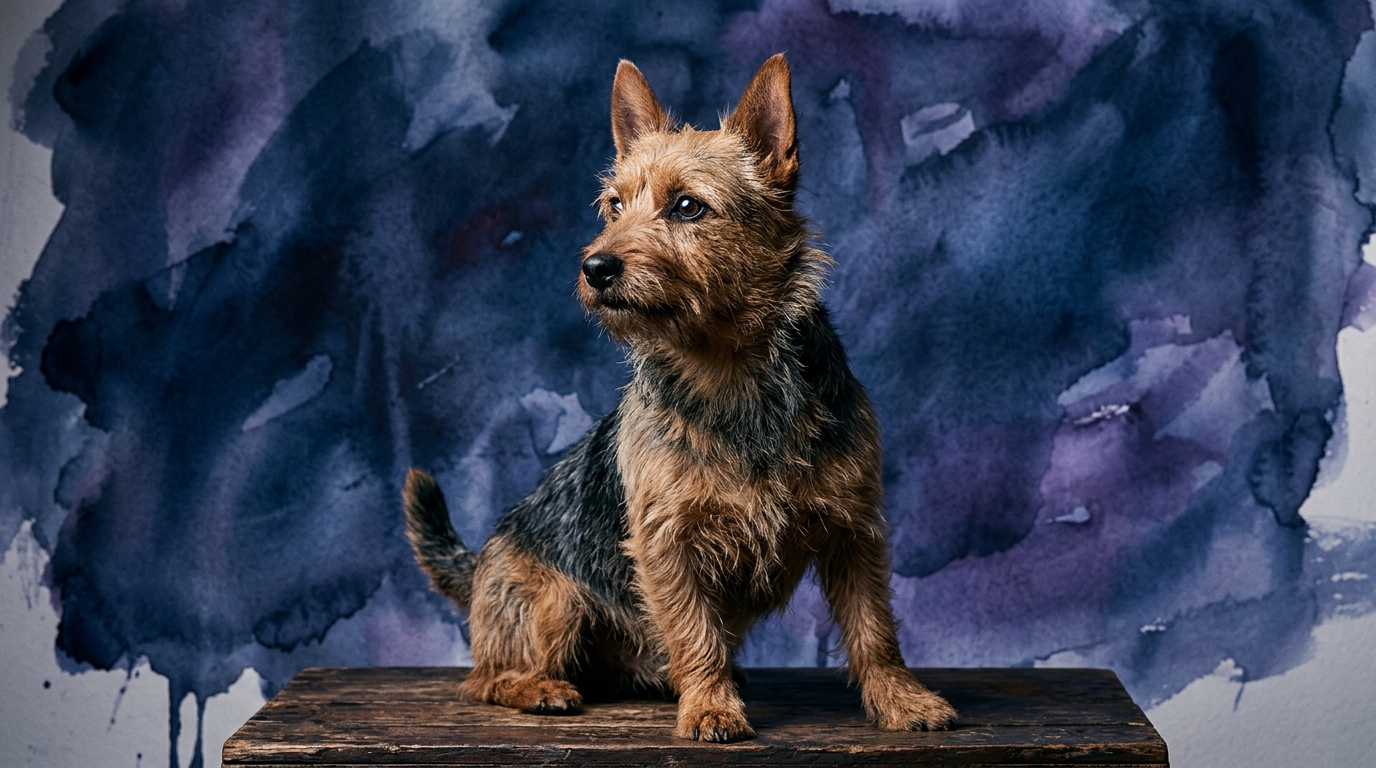
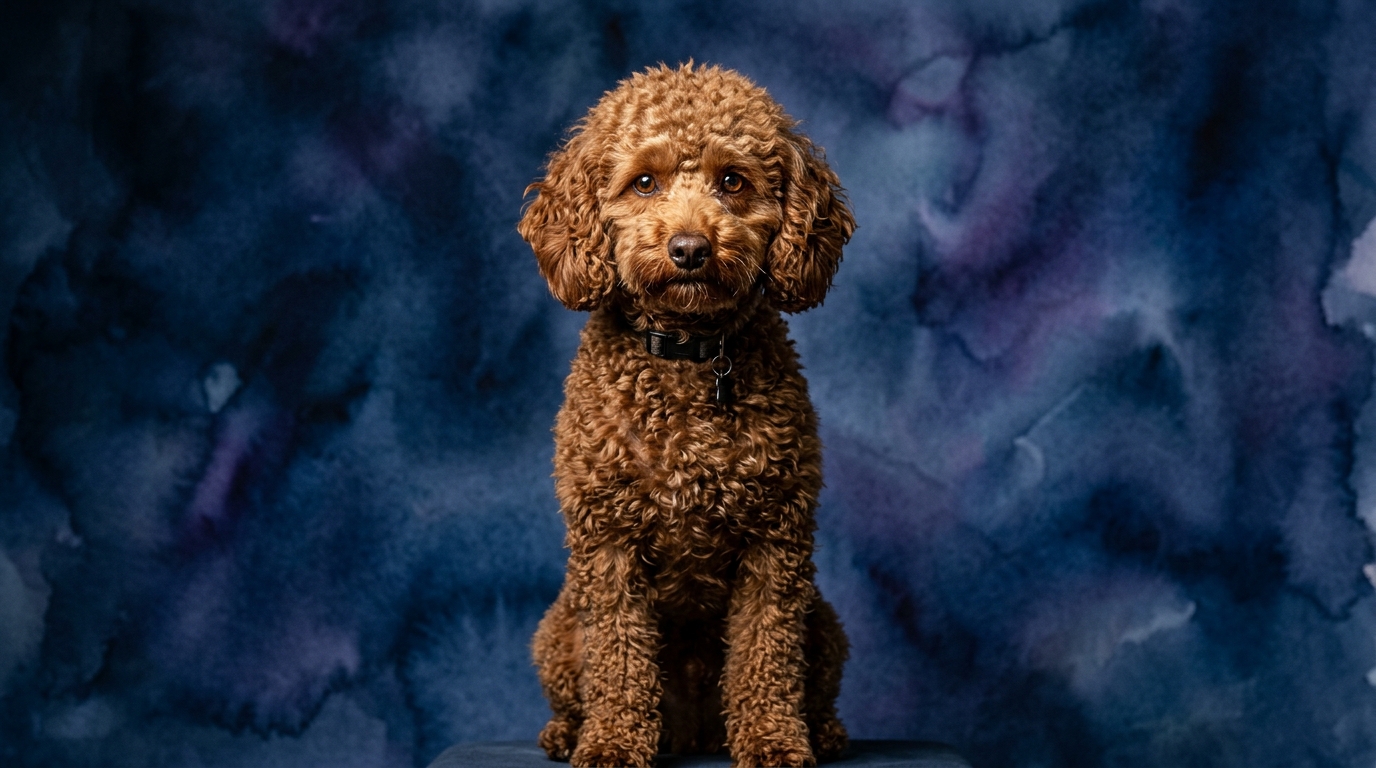
Side-by-Side IQ Profile: Australian Terrier vs. Miniature Poodle
Our Cosmic Pet Pet IQ Lab assesses canine intelligence across five crucial dimensions, providing a nuanced look beyond simple 'smart' labels. For the Australian Terrier, we observe a balanced yet tenacious cognitive makeup. Their Problem Solving is rated at 3/5, indicating a capacity to navigate challenges and figure out puzzles, often with a practical, hands-on approach, though they might take more trials or prefer tangible rewards. Training Speed also sits at 3/5; they are capable learners but typically require consistent, patient guidance, and methods that tap into their independent spirit. Social Intelligence, at 3/5, means they are adept at reading human cues and forming strong bonds, often discerning in their affections rather than universally eager to please. Their Instinctive Drive, also 3/5, reflects their terrier heritage, manifesting as a moderate but persistent desire to explore, dig, and pursue, driven by scent and movement. Finally, Memory at 3/5 suggests they retain learned behaviors and routines adequately, though occasional refreshers for complex tasks might be beneficial.
The Miniature Poodle, in contrast, presents a profile marked by exceptional cognitive prowess in several key areas. Their Problem Solving scores a remarkable 5/5, indicating a profound ability to grasp complex concepts, strategize, and adapt solutions to novel situations with impressive speed and efficiency. This translates to a dog that can quickly master intricate puzzle toys or figure out how to open gates. Training Speed is equally impressive at 5/5; Miniature Poodles are renowned for their rapid acquisition of new commands and routines, often needing only a few repetitions to solidify a behavior. Social Intelligence is rated 3/5, similar to the Australian Terrier, suggesting they are perceptive to human emotions and social dynamics, forming deep connections and understanding intentions, though perhaps less universally effusive than some breeds. Their Instinctive Drive is 3/5, showing a moderate inclination for natural behaviors like retrieving or swimming, often channeled readily into human-directed activities. A standout feature is their Memory, which scores 5/5, signifying an extraordinary capacity to retain learned information, commands, and experiences over long periods, making cumulative training exceptionally effective and reliable.
Where the Australian Terrier Wins Cognitively
While the Miniature Poodle boasts higher scores in several areas, the Australian Terrier's cognitive strengths lie in its unique blend of independence and terrier tenacity. Its 3/5 Problem Solving, though not as high as the Poodle's, often manifests as a self-reliant form of intelligence. An Australian Terrier might excel at figuring out how to navigate a tricky outdoor environment or persistently work to retrieve a hidden toy, driven by its own internal motivation rather than solely seeking human approval. This breed's 3/5 Instinctive Drive fuels a practical, exploratory intelligence, enabling them to excel at tasks requiring keen senses and determination, such as scent work or navigating varied terrains. They are not easily deterred once they set their mind to a task, a cognitive persistence that can be invaluable in certain contexts.
Their 3/5 Social Intelligence can also be seen as a strength for owners who appreciate a discerning companion. Australian Terriers form deep, loyal bonds, often reading their primary family's cues with precision, even if they aren't outwardly demonstrative with everyone. This translates to a dog that understands its inner circle intimately, offering a focused and unwavering companionship that values quality over quantity in social interactions. Their memory, while 3/5, is perfectly adequate for remembering routines, favorite people, and key commands, ensuring a reliable and predictable companion for daily life.
Where the Miniature Poodle Wins Cognitively
The Miniature Poodle's cognitive advantages are clearly reflected in its exceptional scores, particularly in Problem Solving, Training Speed, and Memory. A 5/5 in Problem Solving means these dogs can rapidly analyze situations, understand complex sequences, and apply learned concepts to new challenges. This makes them highly adaptable and quick to learn intricate games, multi-step tricks, or even assistance tasks. They process information with remarkable efficiency, often anticipating next steps and finding optimal solutions quickly.
Their 5/5 Training Speed is a testament to their eagerness to learn and retain information effortlessly. This breed picks up new commands with minimal repetition, making them a joy to train for advanced obedience, agility, rally, or any activity requiring a broad vocabulary of behaviors. Coupled with their 5/5 Memory, the Miniature Poodle not only learns quickly but also retains that knowledge reliably over long periods, allowing for the building of extensive repertoires of skills without constant refreshing. This combination of rapid learning and excellent retention makes them highly versatile and capable partners for almost any canine endeavor.
Which Is Easier to Train and Why?
Based on our IQ Lab data, the Miniature Poodle is demonstrably easier to train due to its superior scores in Training Speed (5/5) and Problem Solving (5/5). These dogs possess an innate ability to quickly grasp new concepts and commands, often needing only a few repetitions before a behavior is learned. Their high memory score (5/5) ensures that once a command is learned, it is retained long-term, making cumulative training highly effective. For example, a Miniature Poodle will likely master a complex agility course or a multi-step retrieve much faster, and with fewer corrections, than many other breeds, including the Australian Terrier.
The Australian Terrier, with a Training Speed of 3/5, requires a more patient and creative approach. While capable of learning, they may need more repetitions and consistent reinforcement to solidify commands. Their independent terrier spirit means they might not always see the immediate value in performing a task for human approval alone, sometimes preferring to follow their own instincts. Training an Australian Terrier often benefits from making sessions feel like a game, tapping into their instinctive drive rather than relying solely on rote repetition. For instance, teaching 'stay' might be a quicker, more straightforward process for a Poodle, while an Australian Terrier might test boundaries more frequently, requiring greater consistency from the handler.
Which Suits Active Owners vs. Relaxed Owners?
For active owners seeking a dynamic partner for dog sports, advanced training, or complex activities, the Miniature Poodle is an exceptional fit. Their high scores in Problem Solving, Training Speed, and Memory mean they thrive on mental stimulation as much as physical exercise. Owners interested in agility, obedience trials, flyball, or even therapy work will find the Poodle's cognitive abilities make them highly adaptable and eager participants. They require consistent engagement to prevent boredom, making them ideal for individuals who enjoy teaching new things and maintaining an active, mentally stimulating lifestyle.
The Australian Terrier, while certainly an active breed with a 3/5 Instinctive Drive, suits owners who appreciate a spirited companion for varied activities without necessarily aiming for competitive dog sports. They enjoy walks, exploring, and engaging in games that allow them to use their senses and problem-solve independently, such as scent games or exploring new trails. Their moderate cognitive scores mean they are adaptable companions for owners who lead active but perhaps less structured lives. They thrive with owners who understand their terrier nature, providing outlets for their digging and chasing instincts, and who can appreciate a dog with a distinct personality that is loyal and affectionate without being overly demanding of constant mental challenges.
The Verdict: When to Choose Each
The Verdict
Choose the Australian Terrier if you appreciate a tenacious, independent companion with a loyal heart, suited for varied outdoor adventures and owners who value a dog's spirited individuality over strict obedience. They thrive with patient, consistent training that taps into their terrier instincts.
Opt for the Miniature Poodle if you desire a highly trainable, versatile, and cognitively agile partner for dog sports, advanced obedience, or any activity demanding rapid learning and reliable memory. They excel with owners who can provide ample mental stimulation and enjoy a dog that readily masters complex tasks.
🧠 Find Your Pet's IQ Score
Our Pet IQ Lab assessment covers 25+ tests across 5 cognitive dimensions — personalized to your breed.
Take the Full IQ Test →Frequently Asked Questions
Are Australian Terriers difficult to train?
Australian Terriers are not difficult to train, but their independent nature and 3/5 training speed mean they require more patience and consistency than some breeds. Training is most effective when made fun and engaging, tapping into their natural terrier drive and curiosity.
Do Miniature Poodles need a lot of mental stimulation?
Yes, Miniature Poodles, with their 5/5 problem-solving and memory scores, thrive on mental stimulation. They need regular challenges like puzzle toys, learning new tricks, or participating in dog sports to keep their sharp minds engaged and prevent boredom.
Which breed is better for a first-time dog owner?
For a first-time dog owner, the Miniature Poodle's high trainability and eagerness to please (reflected in its 5/5 training speed) might make it an easier choice to manage and teach basic manners. The Australian Terrier's independent streak might require a bit more experience in understanding terrier traits.