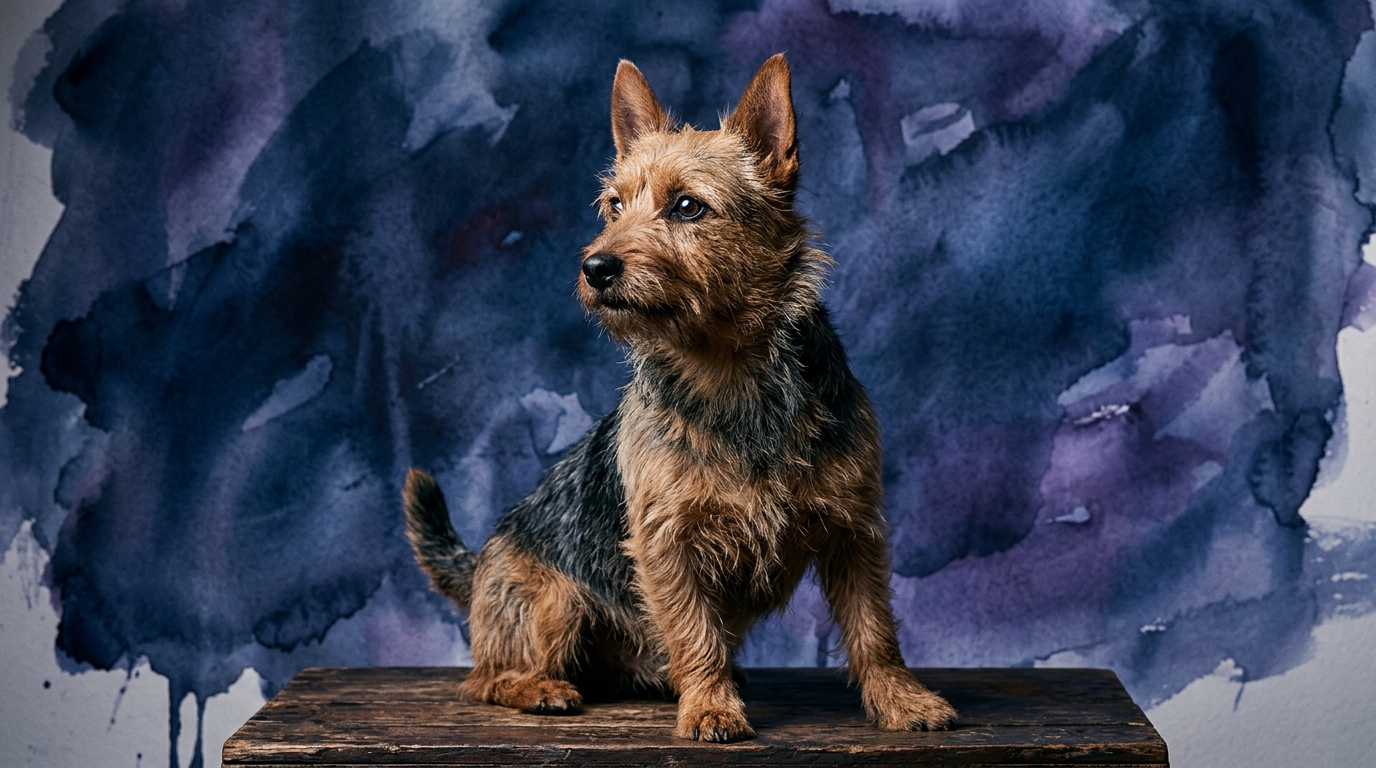
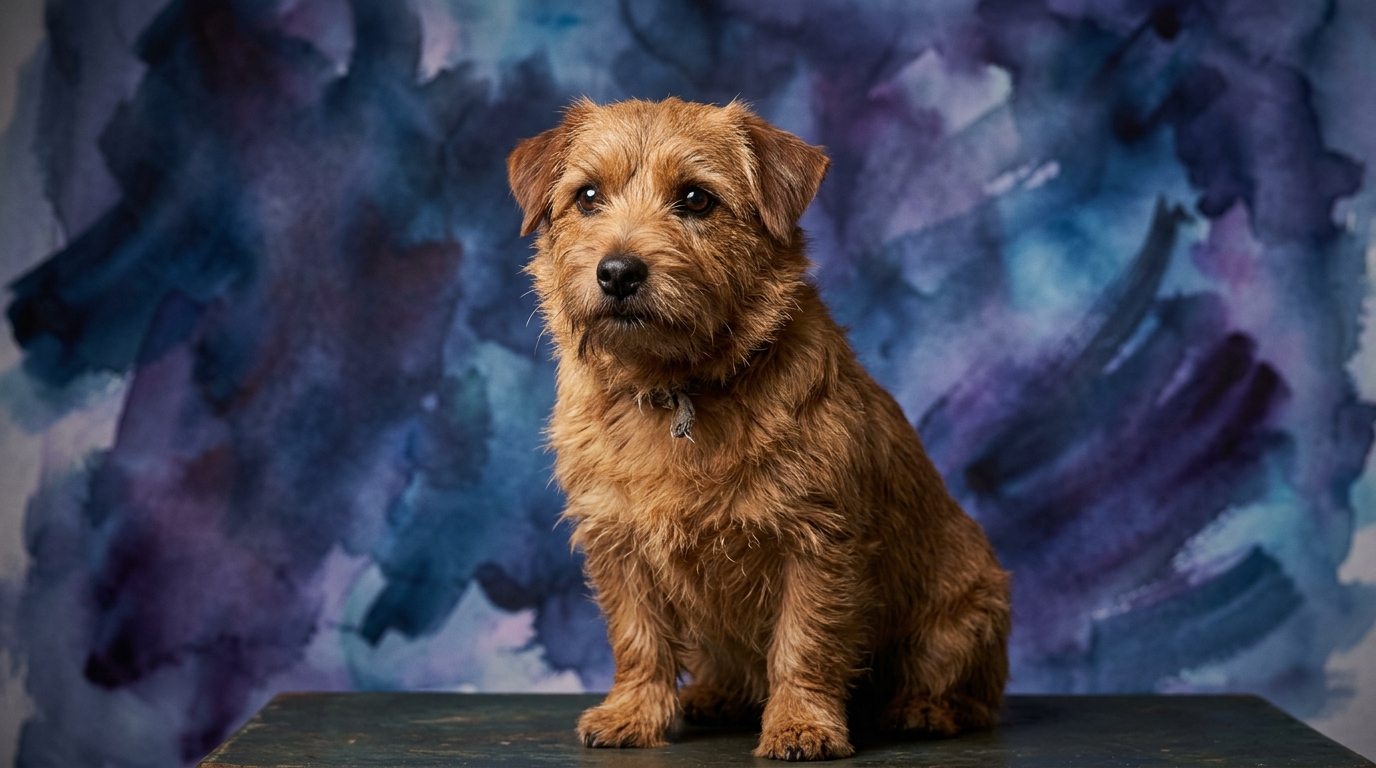
Side-by-Side IQ Profile: Unpacking the 3/5 Scores
The Cosmic Pet Pet IQ Lab assigns both the Australian Terrier and the Norfolk Terrier a consistent 3/5 across all five cognitive dimensions: Problem Solving, Training Speed, Social Intelligence, Instinctive Drive, and Memory. This uniform score suggests a baseline of solid, functional cognition, but it's crucial to understand how each breed's inherent nature shapes the expression of these abilities. A 3/5 indicates a capable, competent dog, but not one that will consistently surprise with exceptional intellectual feats or learn at lightning speed; rather, they are steady learners with practical smarts.
For **Problem Solving (3/5)**, both breeds demonstrate a capacity to figure out straightforward challenges, such as navigating a simple puzzle toy or finding a hidden treat. The Australian Terrier, with its independent and sometimes tenacious spirit, might approach a problem with determined persistence, relying on its own trial-and-error. Conversely, the Norfolk Terrier, often described as a bit more amenable and curious, might employ a more exploratory, less confrontational approach, perhaps seeking human assistance or observing patterns more readily before diving in.
Regarding **Training Speed (3/5)**, both terriers learn new commands at a moderate pace, requiring consistent repetition and positive reinforcement to solidify understanding. Neither breed is prone to picking up complex sequences instantly, but with patience, they will master a wide range of cues. The Australian Terrier's independent streak might occasionally translate to a 'what's in it for me?' attitude, needing clear motivation. The Norfolk Terrier, while still a terrier and capable of stubbornness, might be slightly more responsive to enthusiastic praise, often eager to engage in cooperative activities once the motivation is clear.
**Social Intelligence (3/5)** for both breeds means they can generally read human emotions and social cues, adapting to various social settings with appropriate behavior, though they retain their terrier assertiveness. The Australian Terrier often exhibits a more reserved initial assessment of strangers and new situations, preferring to observe before engaging, and can be quite discerning about its circle of trust. The Norfolk Terrier, generally more outgoing and less reserved, might appear to integrate into new social situations more quickly, often seeking interaction, yet still possesses a strong sense of self and will not be easily swayed if something goes against its preference.
Their **Instinctive Drive (3/5)** reflects a moderate but present set of typical terrier behaviors: a keen prey drive, a propensity for digging, and vocalizations. These are not overwhelming but require management and appropriate outlets. The Australian Terrier, originally bred for robust vermin control, might display a slightly more pronounced, focused prey drive, intently tracking small movements. The Norfolk Terrier's drive is equally present but might manifest as a more generalized curiosity about its environment, perhaps digging for fun rather than purely for hunting, and barking to alert rather than purely to confront.
Finally, **Memory (3/5)** indicates that both breeds have a good recall of learned commands, routines, and past experiences. They will remember where the treat jar is kept or the route to their favorite park. An Australian Terrier might have a particularly long memory for perceived slights or negative experiences, making consistent positive training crucial. A Norfolk Terrier, while also possessing good memory, might be more forgiving and quicker to move past minor setbacks, particularly if positive experiences are consistently reinforced.
Where the Australian Terrier Cognitively Excels
While their scores are identical, the Australian Terrier's rugged independence and inherent robustness lend themselves to subtle cognitive advantages in specific scenarios. Their problem-solving, even at a 3/5, can be characterized by a tenacious, self-reliant approach. They are less likely to give up on a task just because it's challenging and may experiment with solutions autonomously for longer periods without direct human intervention. This makes them particularly adept at navigating complex, dynamic outdoor environments where quick, independent decisions are often necessary, such as exploring varied terrains or finding their way back if momentarily separated from their owner.
Their social intelligence, while scoring a 3/5, is underpinned by a discerning nature. This means they are often excellent judges of character, quickly assessing new people or situations for potential threats or trustworthiness. This cognitive trait makes them remarkably good watchdogs, not just in barking but in their nuanced understanding of who belongs and who doesn't. They process social cues with a protective and analytical lens, making their responses thoughtful rather than purely reactive. This self-assuredness in social assessment is a key cognitive strength.
Where the Norfolk Terrier Cognitively Shines
The Norfolk Terrier, despite sharing the same 3/5 cognitive profile, often exhibits its intelligence with a distinct charm and adaptability, particularly in social and cooperative contexts. Their problem-solving, also a 3/5, tends to be infused with a greater degree of curiosity and a willingness to engage their human companions in the process. They might be quicker to 'ask' for help or to involve their owner in a puzzle, indicating a nuanced understanding of collaboration as a problem-solving tool. This makes them particularly good at interactive games and tasks that require shared focus.
Their social intelligence, while equally a 3/5, often manifests as a more overtly friendly and adaptable nature. Norfolk Terriers tend to integrate smoothly into diverse family dynamics and social gatherings, quickly discerning the mood of a room and adjusting their behavior accordingly. They are often highly attuned to subtle shifts in human tone and body language, leveraging this understanding to navigate complex social landscapes with grace. This makes them very empathetic companions, capable of offering comfort or engaging playfully based on perceived human needs, showcasing a nuanced social awareness.
Training Ease: Unpacking Behavioral Differences
Despite both breeds scoring a 3/5 in Training Speed, the Norfolk Terrier is often perceived as marginally easier to train for the average owner, primarily due to subtle behavioral nuances. Norfolk Terriers, while still possessing a strong terrier will, often have a slightly softer, more people-oriented temperament. They tend to be more eager to please their owners and respond well to positive reinforcement delivered with enthusiasm. Their innate curiosity can also be harnessed, making them more receptive to learning new things if presented as an engaging game.
The Australian Terrier, by contrast, possesses a more pronounced independent streak. While perfectly capable of learning at the same 3/5 speed, they might require a more patient, consistent, and creative approach from their trainer. Their 'what's in it for me?' attitude means motivation needs to be compelling and varied. They are less likely to perform just for praise and might test boundaries more frequently. This independence, while a cognitive strength in certain situations, can make the training journey feel more demanding for someone seeking immediate compliance and a highly cooperative learner.
Lifestyle Fit: Active vs. Relaxed Owners
When considering lifestyle, both breeds, with their 3/5 Instinctive Drive and moderate energy levels, require consistent activity, but their cognitive leanings suggest slightly different fits. The Australian Terrier, with its robust and independent problem-solving and discerning social intelligence, often thrives with active owners who enjoy exploring varied outdoor environments. They appreciate structured activities that engage their tenacity and provide opportunities for independent decision-making, like agility courses, earthdog trials, or long hikes in diverse landscapes. Owners who can provide mental stimulation through challenging tasks and appreciate a dog with a strong, self-assured personality will find an excellent match.
The Norfolk Terrier, with its curious problem-solving and adaptable social intelligence, is also an active dog but might be a better fit for owners who appreciate a more integrated, cooperative approach to activity. They enjoy being central to family life and participating in activities that involve their human companions, such as interactive play, trick training, or walks around the neighborhood with plenty of social interaction. While they need regular exercise, their cognitive strengths shine when activities are shared and allow for their empathetic and engaging nature to flourish, making them suitable for owners who enjoy a blend of activity and close companionship.
The Verdict
Choose the Australian Terrier if you value a tenacious, independent canine partner capable of self-reliant problem-solving and a discerning nature, thriving with an owner who appreciates robust outdoor adventures and strong individuality.
Opt for the Norfolk Terrier if you seek a curious, adaptable companion with a slightly softer disposition, excelling in cooperative activities and seamlessly integrating into diverse social settings with an owner who enjoys shared engagement.
🧠 Find Your Pet's IQ Score
Our Pet IQ Lab assessment covers 25+ tests across 5 cognitive dimensions — personalized to your breed.
Take the Full IQ Test →Frequently Asked Questions
Do Australian Terriers and Norfolk Terriers truly have identical intelligence?
While The Cosmic Pet IQ Lab assigns them identical 3/5 scores across the board, their intelligence manifests uniquely through their distinct temperaments. The scores represent a functional baseline, but breed-specific traits influence how these cognitive abilities are expressed in real-world situations, leading to nuanced differences.
Which breed is better for first-time dog owners?
The Norfolk Terrier might be slightly more forgiving for first-time owners due to its generally more amenable and people-oriented nature, which can make training feel less challenging. However, both breeds are terriers and require consistent training and socialization to thrive, so preparedness is key for either.
Are these breeds prone to excessive barking or digging?
Both breeds score a 3/5 in Instinctive Drive, meaning they possess moderate tendencies for barking and digging, as is common with terriers. With proper training, enrichment, and outlets for their natural instincts, these behaviors can be managed and directed appropriately, preventing them from becoming excessive.