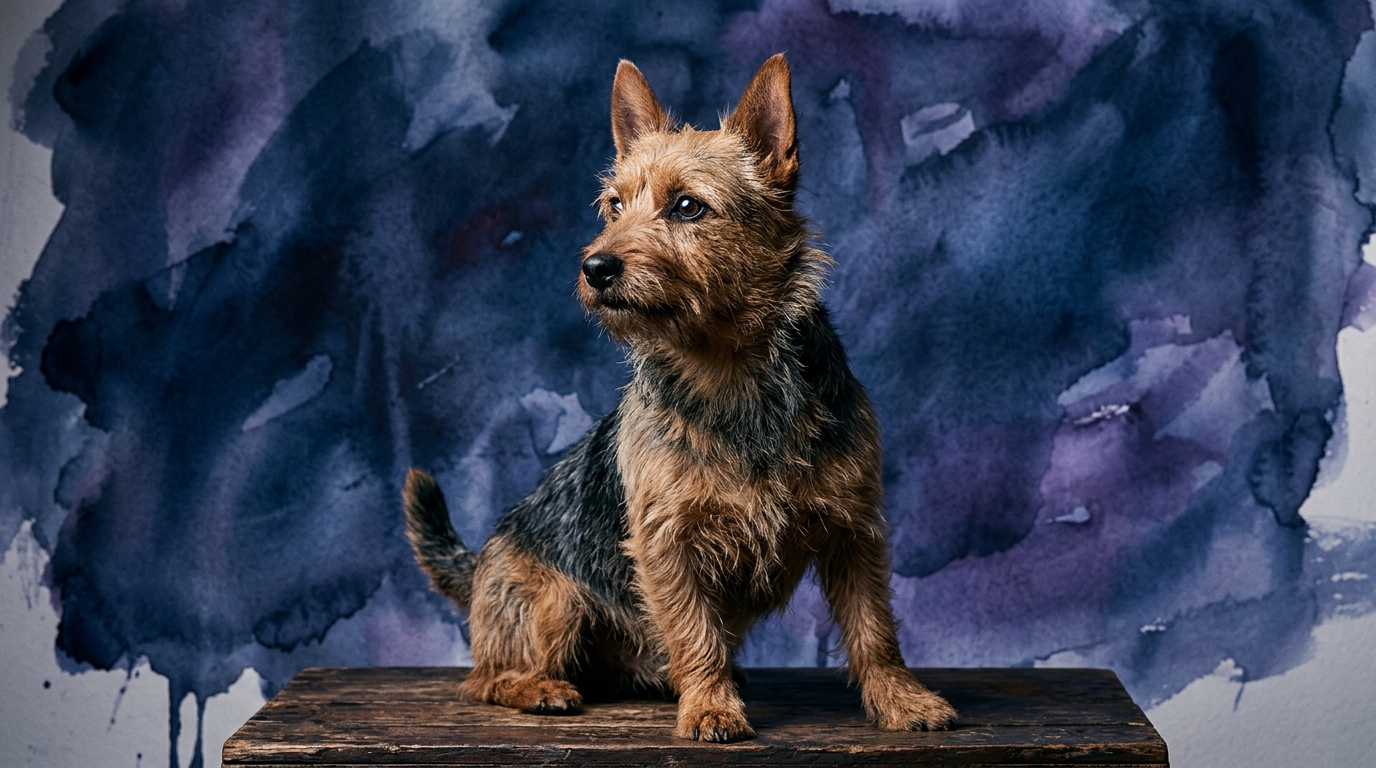
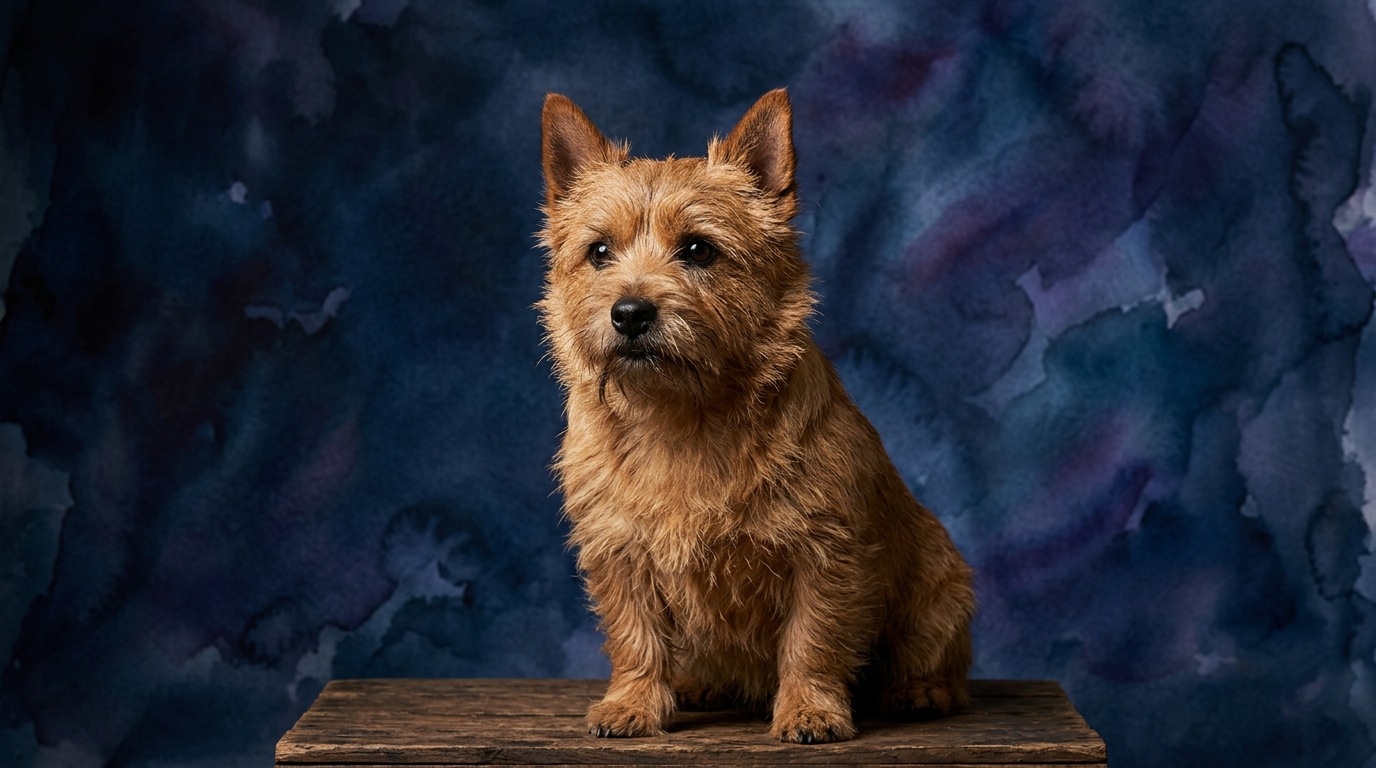
Side-by-Side IQ Profile: Unpacking Identical Scores
At first glance, the Cosmic Pet IQ Lab presents both the Australian Terrier and the Norwich Terrier with identical scores across all five cognitive dimensions: Problem Solving 3/5, Training Speed 3/5, Social Intelligence 3/5, Instinctive Drive 3/5, and Memory 3/5. These scores suggest that both breeds possess a solid, middle-ground cognitive capacity, capable of learning, adapting, and engaging with their environment and humans effectively. However, identical numerical ratings do not imply identical behavioral expressions; rather, they indicate a similar *potential* that manifests through the lens of each breed's unique history and temperament.
For the Australian Terrier, a Problem Solving score of 3/5 means they can competently navigate everyday challenges, such as figuring out how to access a desired toy or remembering the fastest route around the garden, often with an independent streak. Their Training Speed of 3/5 indicates they learn commands at a moderate pace, requiring consistent, engaging methods to solidify new behaviors. Social Intelligence at 3/5 suggests they are generally aware of human moods and routines, though they might initially reserve their full affection for their inner circle. An Instinctive Drive of 3/5 reflects their terrier heritage, prompting them to chase, dig, and explore with purpose. Finally, a Memory score of 3/5 ensures they retain learned commands, boundaries, and personal associations over time, making them reliable companions once training is established.
Similarly, the Norwich Terrier’s Problem Solving at 3/5 means they too are adept at practical solutions, perhaps excelling at finding hidden treats or devising ways to get attention. Their Training Speed of 3/5 implies a moderate learning curve, but often with a more cooperative attitude that can make the process feel smoother. Social Intelligence at 3/5 signifies their capacity to read and respond to family dynamics and emotions, often with a famously cheerful and outgoing disposition. Their Instinctive Drive of 3/5, like the Australian Terrier, is a testament to their working roots, manifesting in a keen interest in small prey and exploration. And their Memory score of 3/5 ensures they remember their training, daily schedules, and the people they love, contributing to their reputation as a steadfast companion.
Where the Australian Terrier Excels Cognitively
While their raw scores match, the Australian Terrier often demonstrates a particular cognitive strength rooted in their history as independent pest controllers and farm companions. Their problem-solving capacity, rated 3/5, often leans towards resourcefulness in solitary situations. Imagine an Australian Terrier encountering a novel barrier in their path; their cognitive approach might involve persistent, varied attempts to overcome it without immediate human intervention, driven by a strong, self-reliant spirit. This isn't necessarily a higher score, but a distinct *application* of their problem-solving ability, emphasizing their tenacity and inventive spirit when left to their own devices. Their memory of effective strategies for independent hunting or navigating complex terrain might be particularly robust, reinforcing their self-sufficiency.
Furthermore, their instinctive drive, also 3/5, often manifests with a singular focus on the 'hunt.' This cognitive tunnel vision, while not making them 'smarter,' makes them exceptionally adept at tasks requiring sustained attention on a specific target or scent, filtering out distractions more effectively when their prey drive is engaged. This intense focus, combined with their problem-solving skills, can lead to impressive feats of determination in pursuit of a perceived 'quarry,' whether it's a squirrel in the yard or a misplaced toy under the couch.
Where the Norwich Terrier Excels Cognitively
The Norwich Terrier, despite sharing the same 3/5 scores, often shines in areas related to social engagement and adaptability. Their social intelligence, rated 3/5, frequently expresses itself as a more pronounced eagerness to interact and integrate into the family unit. They tend to be highly attuned to their owners' emotional states and respond with comforting or playful gestures, suggesting a nuanced understanding of social cues that, while within the 3/5 range, feels particularly well-developed for harmonious living. This makes them excellent communicators within a human context, often using their cleverness to initiate play or seek affection.
Their problem-solving ability (3/5) often manifests in a way that involves their human companions. A Norwich might 'solve' the problem of boredom by bringing a toy, or 'solve' the problem of an empty treat jar by charming their owner. This isn't a lesser form of problem-solving, but a more socially-oriented one, leveraging their connection with people. Their memory (3/5) is often impressive for remembering social routines and the specific preferences of family members, contributing to their reputation as a delightful and engaging household member. They might remember which family member is most likely to share a snack or offer a belly rub, and adjust their approach accordingly.
Which Is Easier to Train and Why?
When considering ease of training, both breeds possess a Training Speed score of 3/5, indicating they are capable learners but require consistent effort. However, real-world behavioral differences often tip the scales slightly for new owners. The Norwich Terrier is frequently described as having a more cooperative and eager-to-please temperament. While still a terrier with an independent streak, their generally more outgoing and less reserved nature can translate into a greater willingness to engage with training exercises and respond positively to reinforcement. They often thrive on interaction and praise, which can make basic obedience feel more like a fun collaboration than a chore.
The Australian Terrier, on the other hand, while equally capable of learning, often exhibits a stronger sense of independence and a more pronounced 'what's in it for me?' attitude. Their robust terrier spirit means they might be more inclined to test boundaries or pursue their own agenda if they don't see immediate value in a command. This doesn't mean they are untrainable, but rather that their training requires extra patience, creativity, and a deep understanding of their motivations. Owners might find they need to make training feel like a game or incorporate elements of their instinctive drives to keep an Australian Terrier engaged and compliant, making the process feel marginally more challenging despite the identical 'Training Speed' score.
Cognitive Profiles for Active vs. Relaxed Owners
Both the Australian Terrier and Norwich Terrier are undeniably active breeds, and neither is truly suited for a purely 'relaxed' or sedentary owner. Their shared Instinctive Drive of 3/5 ensures a need for mental and physical engagement. However, the *type* of activity and engagement they thrive on can differ, aligning with different owner lifestyles.
The Australian Terrier, with its more pronounced independent problem-solving and focused instinctive drive, often suits active owners who enjoy robust outdoor adventures. Their cognitive makeup thrives on opportunities to explore, sniff, and perhaps even 'hunt' (safely, of course) in varied environments. Owners who appreciate a dog with a strong, self-directed spirit, and who are prepared to channel that energy into structured activities like earthdog trials, agility, or extensive hiking, will find the Australian Terrier a rewarding companion. Their cognitive engagement often benefits from tasks that allow them to use their nose and ingenuity in a relatively unassisted manner.
The Norwich Terrier, while equally active, often prefers to channel its energy and cognitive abilities in a more socially integrated manner. Their well-developed social intelligence and cooperative nature make them excellent companions for active owners who enjoy shared activities like daily walks, trips to dog parks, or engaging in interactive games and training sessions. They are often more adaptable to urban living, provided their cognitive and physical needs are met through consistent, human-led engagement. Owners who seek a cheerful, outgoing partner for their daily routines and who enjoy direct, interactive play will find the Norwich Terrier's cognitive profile a perfect match, as they often use their intelligence to forge strong bonds and participate in family life with gusto.
The Verdict
Choose the Australian Terrier if you value a robustly independent spirit, a dog whose problem-solving often manifests through self-reliance, and you're prepared to engage with their strong, focused instinctive drives in adventurous, outdoor settings.
Opt for the Norwich Terrier if you seek a cheerful, highly social companion whose intelligence is often channeled into delightful interaction and cooperation, making them a wonderfully engaging partner for shared activities and family life.
🧠 Find Your Pet's IQ Score
Our Pet IQ Lab assessment covers 25+ tests across 5 cognitive dimensions — personalized to your breed.
Take the Full IQ Test →Frequently Asked Questions
Do Australian Terriers and Norwich Terriers have the same intelligence?
According to The Cosmic Pet Pet IQ Lab, both breeds score identically across five cognitive dimensions (3/5 for all). While their *capacity* is similar, their *application* of these cognitive traits often differs based on their breed-specific temperaments and historical roles.
Which terrier is better for first-time dog owners?
Given their similar IQ scores, the choice often comes down to temperament. The Norwich Terrier's generally more cooperative and eager-to-please nature can make them feel slightly easier to train and integrate for a first-time owner, despite both requiring consistent effort.
Are Australian Terriers or Norwich Terriers more prone to digging?
Both breeds, as terriers with an Instinctive Drive of 3/5, possess a natural inclination to dig. The manifestation of this drive can vary by individual, but owners of either breed should be prepared to manage this inherent terrier trait with appropriate outlets or training.