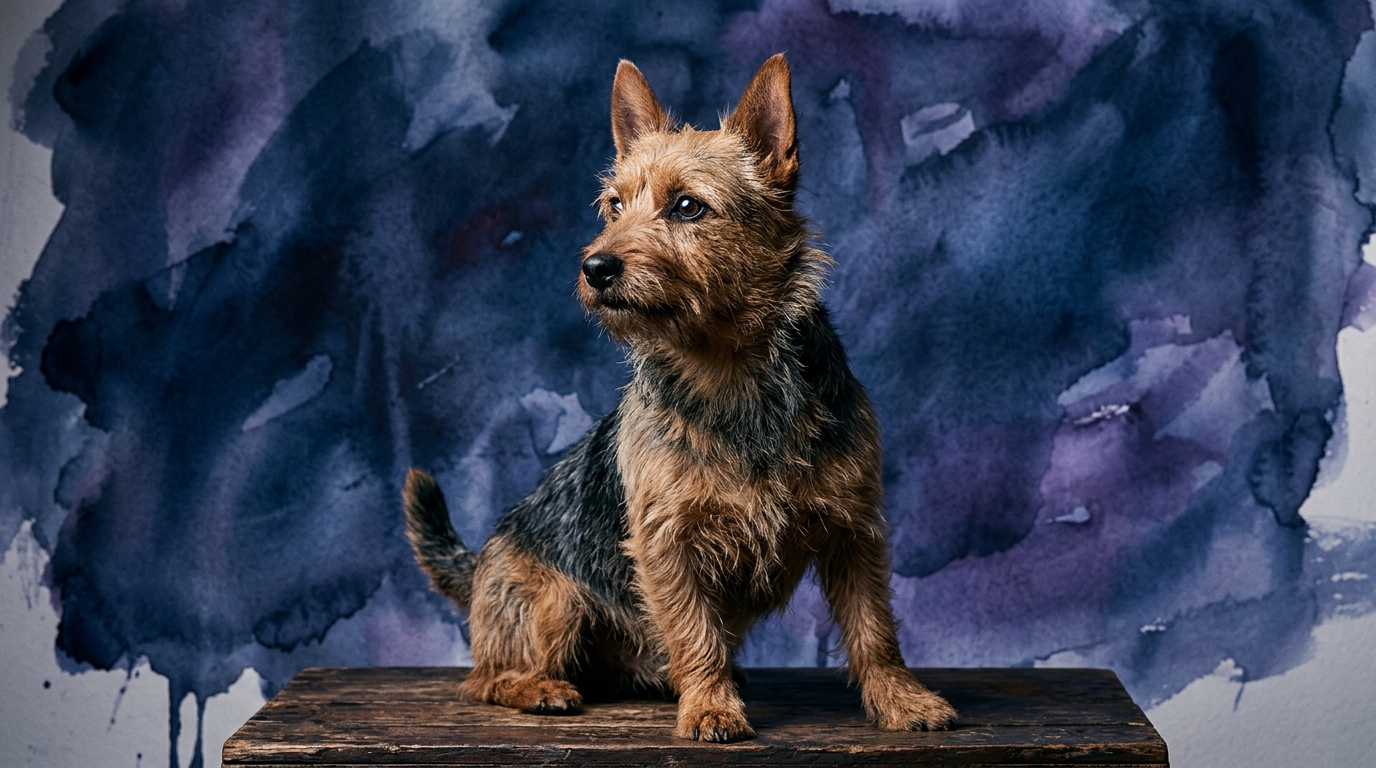
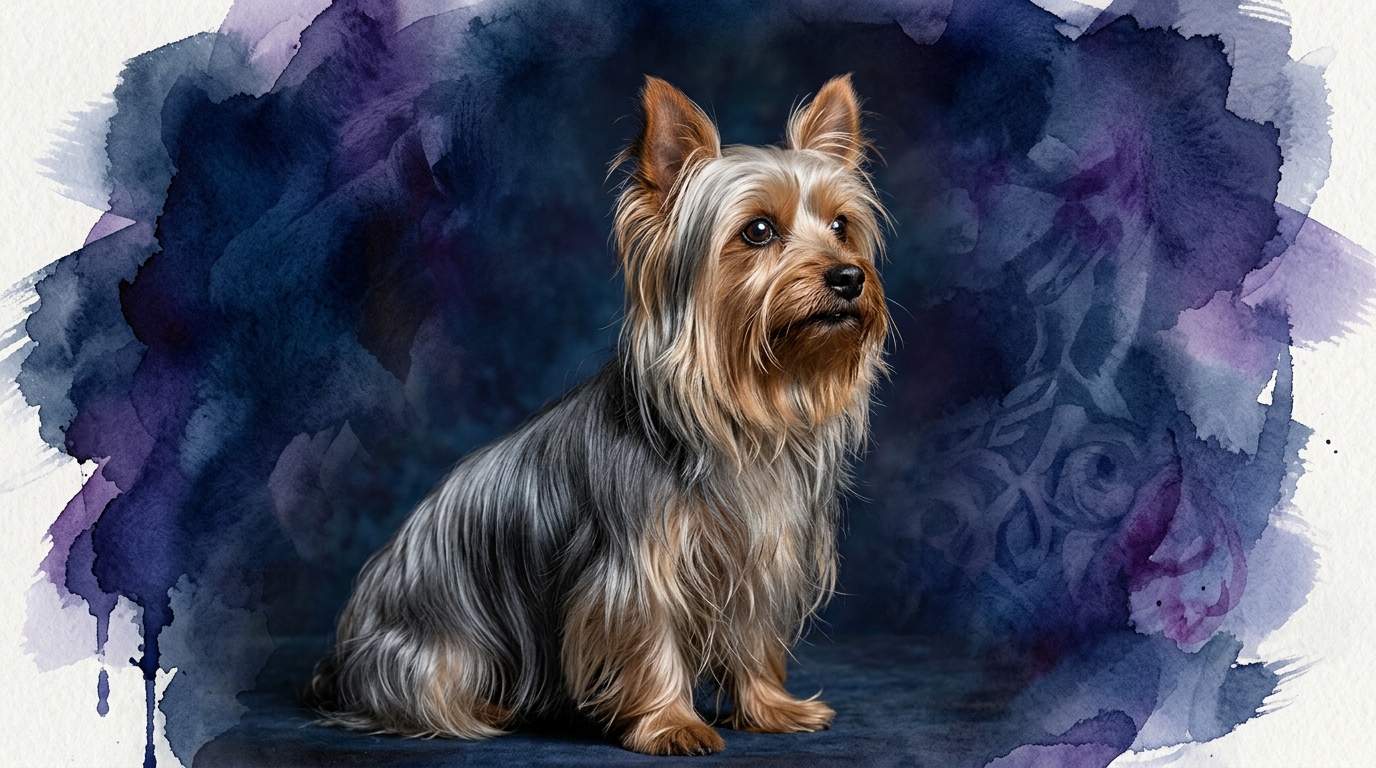
Side-by-Side IQ Profile: Australian Terrier vs. Silky Terrier
**Problem Solving (3/5 for both):** For the Australian Terrier, a 3/5 in problem-solving often manifests as independent resourcefulness. They are adept at figuring out practical solutions to immediate challenges, such as finding a way to reach a hidden toy or navigating a complex scent trail, often relying on their own ingenuity rather than seeking human direction. The Silky Terrier, also rated 3/5, exhibits problem-solving through a more socially-oriented lens. They might quickly learn how to open a cabinet to access treats or how to signal their needs effectively to their humans, demonstrating a cleverness focused on manipulating their environment for comfort or attention.
**Training Speed (3/5 for both):** Australian Terriers, with a 3/5 training speed, learn new commands and routines at a steady pace, especially when engaged with consistent, positive reinforcement. Their terrier independence means they might require more motivational consistency to maintain focus, but they are certainly capable of absorbing complex tasks. Silky Terriers, also scoring 3/5, tend to learn efficiently when training is framed as an enjoyable interaction. Their desire to please their family, combined with their sharp minds, helps them pick up cues readily, though their lively nature can sometimes lead to momentary distractions.
**Social Intelligence (3/5 for both):** An Australian Terrier’s 3/5 social intelligence typically means they form strong, loyal bonds with their immediate family, understanding household dynamics and individual moods. They can be reserved with strangers, preferring to observe before engaging, and are generally clear in their communication with their pack. Silky Terriers, with an identical 3/5, often display their social intelligence through a more outwardly engaging manner. They are typically adept at reading human emotions and social cues, using their charm to integrate into family life and often being more openly expressive in their interactions.
**Instinctive Drive (3/5 for both):** Both breeds share a 3/5 instinctive drive, reflecting their terrier heritage. For the Australian Terrier, this translates into a pronounced prey drive, an urge to chase and dig that is deeply ingrained, requiring consistent management in environments with small animals. Their drive is often directed towards practical "work." The Silky Terrier's 3/5 instinctive drive also includes a keen desire to chase and investigate, though it might sometimes be expressed more as playful exuberance than a relentless working focus. They retain the terrier's curiosity and vigilance, quick to alert their owners to novel sights or sounds.
**Memory (3/5 for both):** Both breeds exhibit a 3/5 memory capacity. Australian Terriers remember routines, command sequences, and the location of favored items with good reliability, retaining learned behaviors over time. They tend to have a strong recall for places and past experiences. Silky Terriers similarly possess a good memory for commands, house rules, and the people they encounter regularly. Their memory also extends to social interactions, recalling who is friendly and who might be approached with caution.
Where the Australian Terrier Wins Cognitively
The Australian Terrier often demonstrates a cognitive edge in independent problem-solving and self-reliance, particularly in situations requiring gritty determination without constant human input. Their intellect is geared towards practical application in varied environments, making them adept at navigating complex outdoor scenarios, devising clever strategies to overcome physical obstacles, or persistent tracking. This self-sufficiency, a hallmark of their working background, means they are less likely to become flustered when left to their own devices, often finding their own entertainment or solutions to perceived challenges. Their robust memory for practical tasks, environmental details, and scent trails can be particularly strong, aiding their exploratory tendencies and their ability to learn and recall complex routes or hunting strategies. They excel at figuring out "how things work" in a tangible, physical sense.
Where the Silky Terrier Wins Cognitively
The Silky Terrier often showcases a nuanced advantage in social adaptability and emotional attunement within a family setting, making them particularly adept at navigating the complexities of human-dog communication. Their cognitive strengths lean towards interpreting subtle human social cues, understanding household routines, and integrating seamlessly into domestic dynamics, often using their cleverness to elicit positive interactions or comfort. They can be particularly adept at "reading the room," adjusting their behavior to match the mood of their owners or guest interactions. This refined social intelligence, combined with their inherent charm, makes them exceptionally good at learning how to communicate their needs and desires in ways that resonate with their human companions, making them highly responsive to social feedback and capable of forming deep, empathetic bonds. Their memory for social interactions and preferred human behaviors is often quite acute.
Which is Easier to Train and Why
While both breeds share a 3/5 training speed, subtle behavioral differences influence their training experience. The Silky Terrier might generally be perceived as slightly easier to train for obedience and tricks due to their companion-oriented nature and a stronger inclination to engage with their humans. They often possess a lively eagerness to participate in activities that involve interaction, making them responsive to positive reinforcement and praise. In contrast, the Australian Terrier’s independent streak, while contributing to their robust problem-solving, means they can sometimes be more opinionated during training. They require a handler who understands how to channel their strong terrier drive into productive learning, often responding best to varied, engaging sessions that appeal to their inherent curiosity and self-direction. Consistency and clear expectations are paramount for both, but the Silky might offer quicker initial compliance.
Which Suits Active Owners vs. Relaxed Owners
For active owners seeking a resilient companion for outdoor adventures, the Australian Terrier is often a more fitting choice. Their cognitive makeup, particularly their robust instinctive drive and practical problem-solving, equips them for varied physical activities like hiking, agility, or earthdog trials. They thrive on challenges that engage both their bodies and minds, making them excellent partners for owners who enjoy an active, hands-on lifestyle. Conversely, the Silky Terrier, while energetic, often suits owners who appreciate a more relaxed yet still engaging domestic companion. Their social intelligence and adaptability mean they can thrive in urban environments or smaller living spaces, content with regular walks and interactive play sessions within the home. They are well-suited for owners who enjoy a close bond and appreciate a dog that is highly attuned to household life, without necessarily demanding extensive, rugged outdoor excursions daily.
The Verdict
Select the Australian Terrier if you value an independent, resilient companion with a robust intellect for outdoor adventures and practical problem-solving. They thrive with active owners who appreciate their self-sufficient nature and can provide consistent, engaging training that respects their terrier drive.
Opt for the Silky Terrier if you desire a charming, socially astute companion highly attuned to family dynamics, well-suited for engaging domestic life and urban living. They flourish with owners who enjoy interactive play and value a dog that integrates seamlessly into a home environment, offering affectionate companionship.
🧠 Find Your Pet's IQ Score
Our Pet IQ Lab assessment covers 25+ tests across 5 cognitive dimensions — personalized to your breed.
Take the Full IQ Test →Frequently Asked Questions
Do Australian Terriers and Silky Terriers shed much?
Both breeds are moderate to low-shedders, requiring regular grooming to maintain their coats. Their double coats benefit from weekly brushing to minimize loose hair and prevent matting.
Are these breeds good with children?
Both can be good with respectful, older children who understand how to interact with small, spirited dogs. Early socialization and supervision are crucial to ensure positive interactions and prevent nipping from over-excitement or fear.
What are the main differences in their energy levels?
While both are energetic terriers, Australian Terriers typically possess a slightly higher demand for vigorous outdoor activity due to their working heritage. Silky Terriers are energetic but are often content with structured indoor play and regular walks, making them more adaptable to various living situations.