Side-by-Side IQ Profile
To truly grasp the nuanced differences between these two breeds, let's break down their cognitive strengths as measured by The Cosmic Pet Pet IQ Lab:
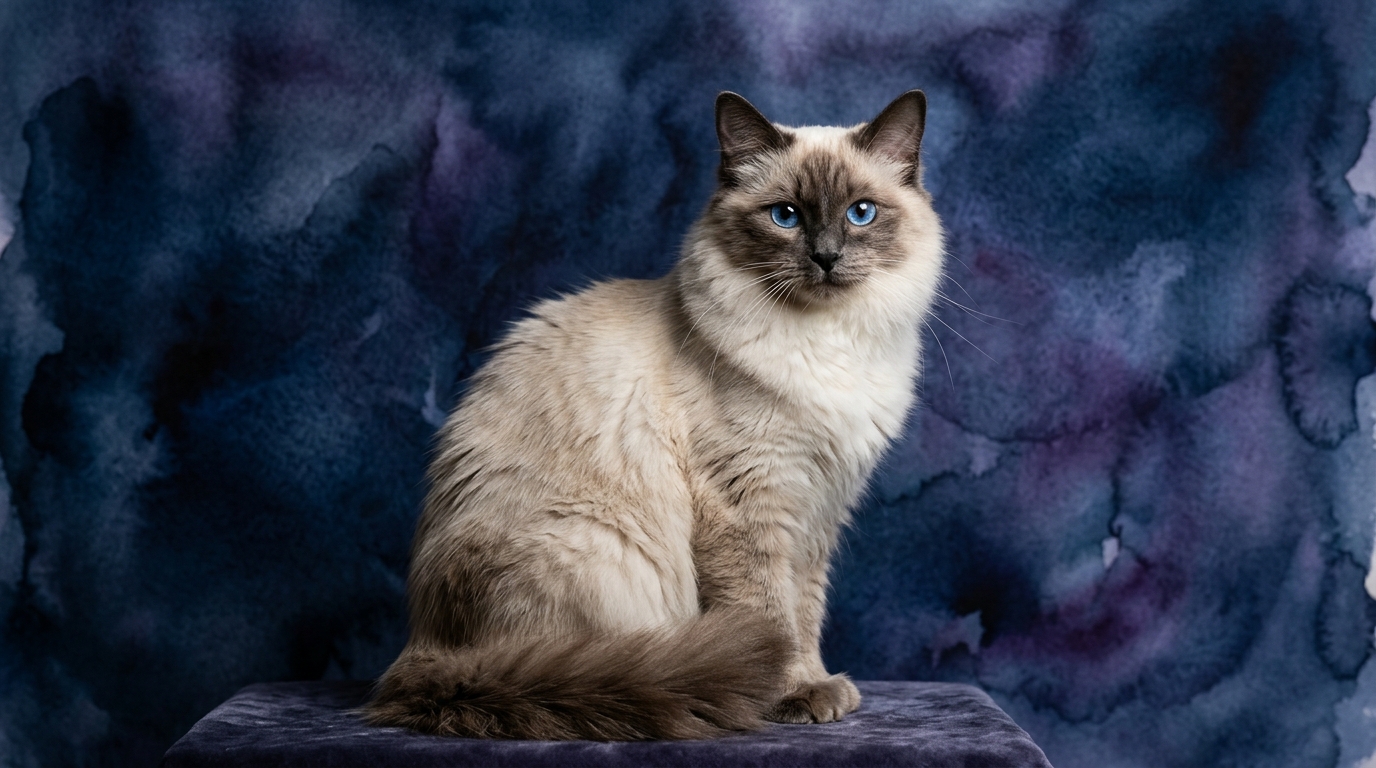
Balinese (Problem Solving 4/5, Training Speed 5/5, Social Intelligence 5/5, Instinctive Drive 3/5, Memory 4/5): The Balinese cat exhibits a notable aptitude for problem-solving, often observing and strategizing to navigate complex situations. Their 4/5 score indicates they are likely to quickly figure out how to open a treat cupboard or manipulate a puzzle feeder, showcasing an agile mind that appreciates mental challenges. With a remarkable 5/5 in Training Speed, this breed absorbs new commands and routines with exceptional swiftness, responding enthusiastically to consistent instruction. This makes them highly receptive to advanced training, such as learning complex tricks or leash walking. Their Social Intelligence, also a 5/5, highlights an exceptional capacity to understand and respond to human emotions and social cues. They form deep, responsive attachments, often seeking interaction and comfort, and can adapt their behavior based on the mood of their human companions. The Balinese possesses a moderate Instinctive Drive (3/5), meaning their innate predatory urges are present but well-balanced, allowing them to enjoy interactive play without an overwhelming demand for constant hunting simulation. Finally, their 4/5 in Memory signifies strong recall for routines, people, and past experiences, ensuring they remember learned behaviors and familiar faces over extended periods.
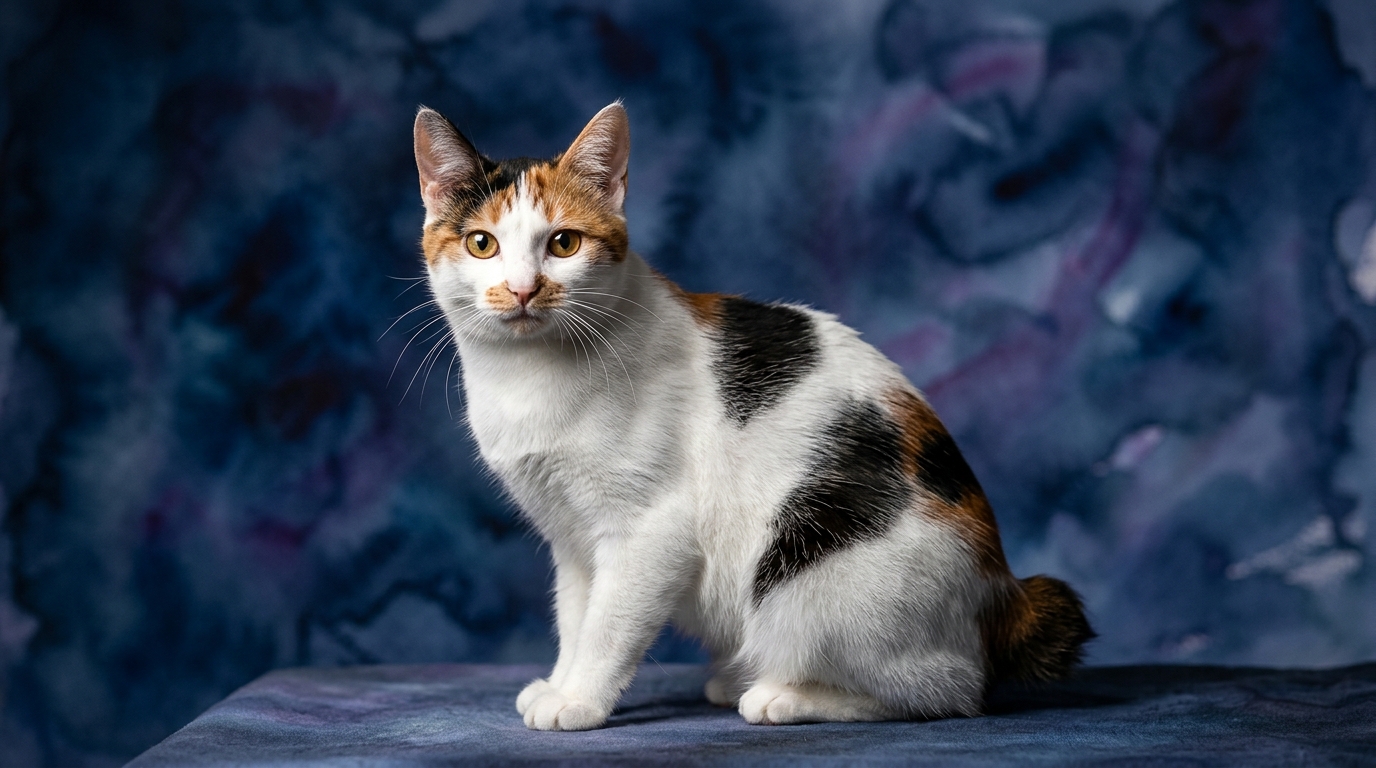
Japanese Bobtail (Problem Solving 3/5, Training Speed 3/5, Social Intelligence 3/5, Instinctive Drive 3/5, Memory 3/5): The Japanese Bobtail shows a competent, yet moderate, ability in Problem Solving (3/5). They are capable of figuring out straightforward puzzles or navigating their environment effectively, but typically won't devise elaborate schemes to achieve their desires, offering a more predictable intellectual presence. Their Training Speed, rated at 3/5, indicates they are certainly trainable, capable of learning commands and routines, but generally require more repetition and patience compared to breeds with higher scores. Consistent, positive reinforcement in short sessions tends to be most effective. In terms of Social Intelligence (3/5), Japanese Bobtails are affectionate and enjoy interaction, but their capacity to interpret subtle human cues is more moderate. They appreciate attention and companionship, yet they might not always pick up on nuanced emotional shifts as readily as a higher-scoring breed, providing a more straightforward social dynamic. Their Instinctive Drive, also at 3/5, mirrors the Balinese in its moderation. They enjoy play that simulates prey, but this drive is well-integrated and not overly demanding, making them good companions for homes seeking a playful yet not intensely predatory cat. Lastly, their Memory score of 3/5 means Japanese Bobtails have a solid recall for important routines and people, remembering their daily schedules and recognizing familiar individuals, which supports a stable and predictable home life.
Where Balinese Wins Cognitively
The Balinese clearly distinguishes itself with its superior cognitive agility across multiple dimensions, particularly in problem-solving, training speed, and social intelligence. A Balinese cat's 4/5 in Problem Solving means they are more likely to quickly decipher novel situations, such as figuring out how to open child-proof cabinet latches or mastering multi-step puzzle feeders designed to challenge their intellect. Their remarkable 5/5 in Training Speed highlights an eagerness and capacity to learn complex sequences of commands, potentially performing tricks or navigating obstacle courses with relative ease, often surprising owners with their quick uptake. Furthermore, the Balinese's 5/5 Social Intelligence translates into a highly empathetic companion; they frequently seem to 'read' their owner's mood, offering comfort or initiating play precisely when it's most welcome. This deep understanding of human social cues fosters a profound, responsive bond that goes beyond simple affection, making them incredibly intuitive household members who are not just present, but truly engaged in the family dynamic.
Where Japanese Bobtail Wins Cognitively
While the Japanese Bobtail's cognitive scores are consistently at 3/5, this balanced profile can be a significant advantage for specific living situations and owner preferences. Their moderate Problem Solving (3/5) means they are less likely to become 'master escape artists' or to constantly outsmart their environment in ways that might lead to mischief, offering a more predictable and less demanding intellectual presence compared to a higher-scoring breed. Owners who prefer a cat that is less inclined to dismantle elaborate enrichment toys or to persistently test boundaries might find this level of cognitive engagement ideal. Similarly, their 3/5 in Instinctive Drive means they enjoy playful interactions without the intense, often relentless, predatory focus seen in breeds with higher drive scores. This makes them excellent companions for homes where a balanced play ethic is desired—they will enthusiastically chase a feather wand but are typically content to settle down afterwards without continually seeking the next 'hunt.' Their consistent 3/5 across all categories suggests a stable, well-rounded cognitive profile that promotes a calm, adaptable, and generally less demanding companion who thrives on routine and straightforward interaction, providing consistent, amiable companionship without the need for constant, intricate mental stimulation.
Which is Easier to Train and Why
Based on The Cosmic Pet Pet IQ Lab data, the Balinese is unequivocally easier to train, primarily due to its exceptional Training Speed (5/5) and high Social Intelligence (5/5). A Balinese cat's rapid learning curve means they pick up commands, routines, and even complex tricks with minimal repetition, often eager to please and engage in structured learning sessions. Their strong social intelligence further enhances trainability; they are highly attuned to human cues, praise, and body language, allowing for a more fluid and responsive training dialogue. For example, a Balinese might quickly learn to 'sit' on command or retrieve a specific toy after only a few sessions, driven by both their cognitive agility and their desire for social interaction and approval. In contrast, the Japanese Bobtail, with a Training Speed of 3/5, is certainly trainable but requires more patience, consistency, and a greater number of repetitions to solidify new behaviors. While they respond well to positive reinforcement, their learning process is more gradual, meaning an owner might need to invest more time and employ more varied motivational techniques to achieve similar training outcomes. The Japanese Bobtail's more moderate social intelligence also means they might not be as intensely focused on human approval during training, relying more on direct rewards and clear, consistent commands.
Which Suits Active Owners vs. Relaxed Owners
The cognitive profiles of the Balinese and Japanese Bobtail naturally align with different owner lifestyles. The Balinese, with its high Problem Solving (4/5), Training Speed (5/5), and Social Intelligence (5/5), is an ideal match for active owners who relish engaging deeply with their pets on an intellectual and social level. These cats thrive in environments where they receive consistent mental stimulation through puzzle toys, interactive training sessions, and ample social interaction. An active owner might enjoy teaching a Balinese complex tricks, taking them on supervised outdoor adventures, or simply engaging in extended periods of conversation and play, as the Balinese's mind is always seeking engagement and connection. This breed's demand for interaction and mental challenge means they can become bored or mischievous if not adequately stimulated, making them perfect for owners who want a truly participatory feline companion. Conversely, the Japanese Bobtail, with its consistent 3/5 across all cognitive dimensions, is well-suited for more relaxed owners who appreciate a stable, amiable, and moderately independent companion. While they enjoy play and social interaction, their cognitive needs are less intense than those of the Balinese. A relaxed owner can provide a comfortable home with regular playtimes and affection, knowing that their Japanese Bobtail will be content without requiring constant, elaborate mental exercises. They are adaptable and happy to observe their surroundings, engaging when the mood strikes but not demanding incessant attention or complex problem-solving opportunities. This breed offers a harmonious balance of companionship and self-sufficiency, making them an excellent choice for individuals or families seeking a pleasant, predictable, and affectionate cat without the need for a highly demanding intellectual partnership.
The Verdict
If you are an active owner eager for a highly interactive, trainable, and socially astute feline partner who thrives on mental engagement and deep connection, the Balinese is your ideal choice.
Opt for the Japanese Bobtail if you prefer a well-rounded, amiable companion with moderate cognitive demands, offering consistent affection and adaptability without requiring intense mental stimulation.
🧠 Find Your Pet's IQ Score
Our Pet IQ Lab assessment covers 25+ tests across 5 cognitive dimensions — personalized to your breed.
Take the Full IQ Test →Frequently Asked Questions
Are Balinese cats prone to destructive behavior if not mentally stimulated?
With their high problem-solving and social intelligence, Balinese cats can indeed become bored and might resort to exploring or manipulating their environment in ways owners might perceive as destructive if their cognitive needs are not met. Providing ample puzzle toys, training, and interactive play is crucial to channel their mental energy constructively.
Do Japanese Bobtails enjoy playing fetch or learning simple commands?
Yes, Japanese Bobtails with their 3/5 training speed and instinctive drive can certainly enjoy playing fetch or learning simple commands, especially with consistent positive reinforcement. While they might take a bit longer to grasp new concepts compared to a Balinese, they are capable and often enjoy engaging in these activities with their owners.
How do the social intelligence differences impact household harmony with other pets?
The Balinese's 5/5 social intelligence often means they are highly adaptable and can quickly learn to navigate social dynamics with other pets, potentially forming strong bonds and mediating interactions. The Japanese Bobtail's 3/5 social intelligence suggests they will integrate well but might be more straightforward in their interactions, requiring a bit more observation to ensure smooth introductions and establishing clear boundaries.