Side-by-Side IQ Profile: Basenji vs. Belgian Tervuren
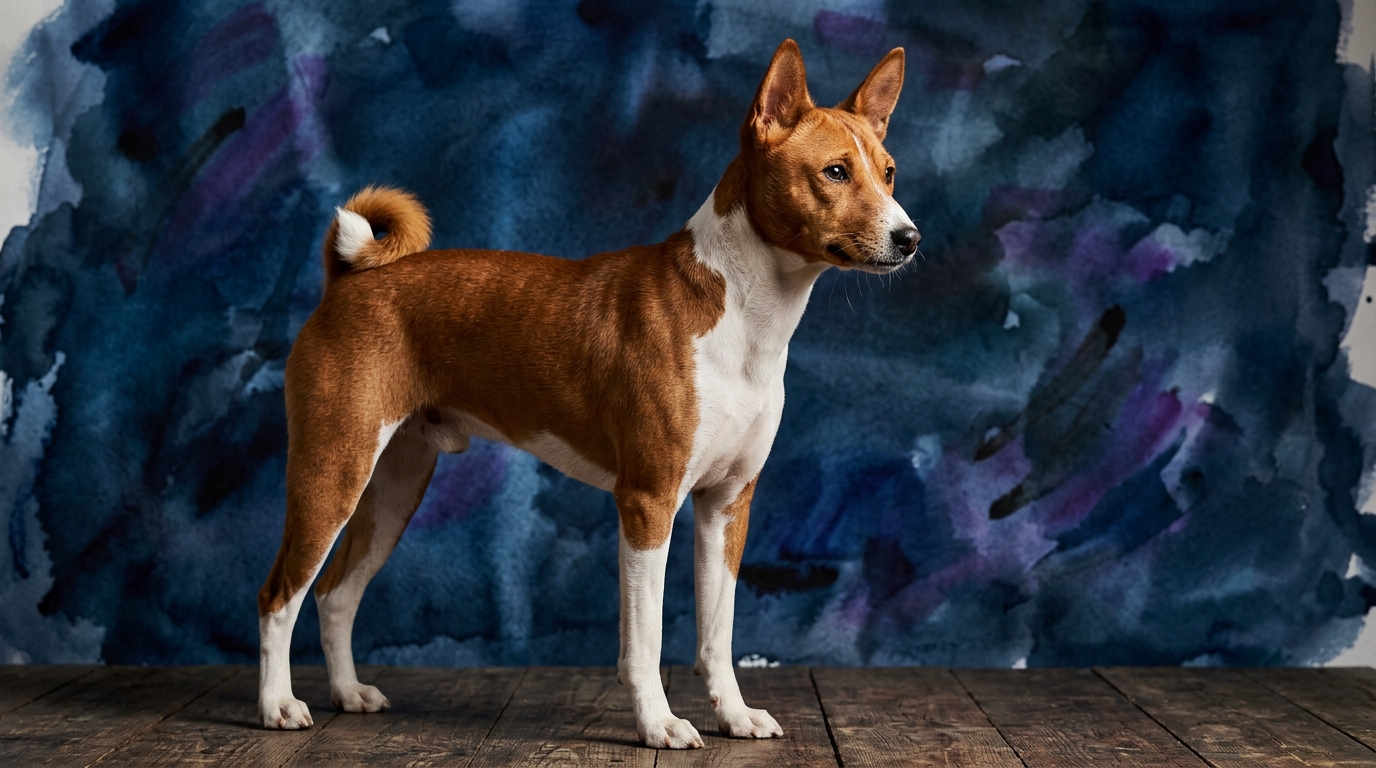
Originating from Central Africa, the Basenji's cognitive makeup reflects its ancient heritage as a self-sufficient hunter. Their Problem Solving ability rates a 5 out of 5, indicating a sharp, independent mind capable of navigating complex situations and devising novel solutions. This high score is juxtaposed with a Training Speed of 1 out of 5, suggesting a strong independent streak and a disinterest in repetitive, human-directed tasks. Social Intelligence sits at 3 out of 5, meaning they form bonds but might not always prioritize human social cues. Their Instinctive Drive is a formidable 5 out of 5, fueled by a powerful prey drive and an inherent need to explore. Memory, at 4 out of 5, allows them to recall intricate details of their environment. With a Coren rank of #78, the Basenji demonstrates its unique cognitive strengths lie outside traditional obedience frameworks.
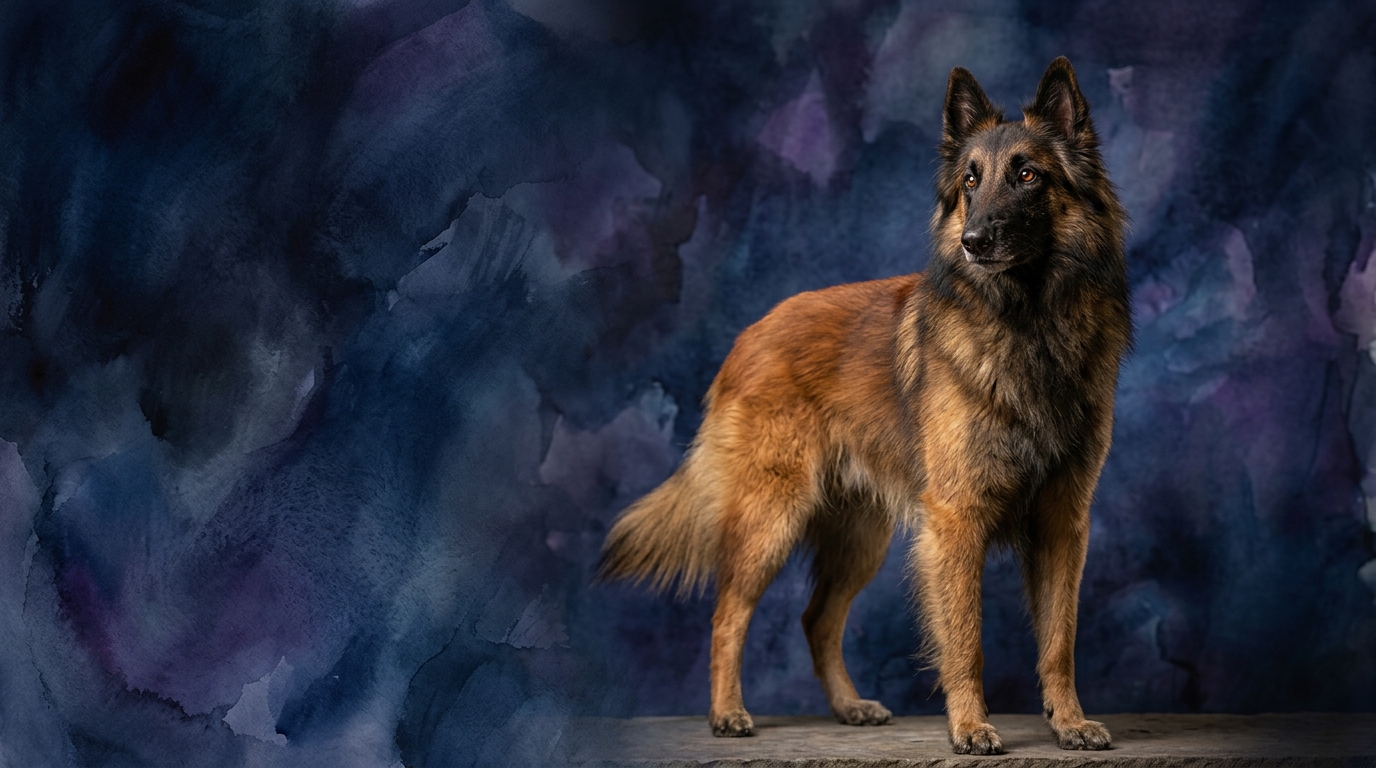
The Belgian Tervuren, a refined herding dog from Belgium, showcases a cognitive structure optimized for partnership and demanding tasks. Their Problem Solving capacity also achieves a 5 out of 5, demonstrating mental agility to assess situations. Where they diverge significantly is in Training Speed, scoring a perfect 5 out of 5, highlighting eagerness to learn, quick comprehension, and a strong desire to work. Social Intelligence is rated 3 out of 5, indicating responsiveness to social cues and capacity for strong, interactive bonds. Their Instinctive Drive is a moderate 3 out of 5, reflecting a balanced drive. A stellar Memory score of 5 out of 5 ensures they retain complex commands and routines with remarkable fidelity, essential for their working roles. Ranked #14 by Coren, the Tervuren exemplifies a dog bred for collaboration and mental prowess in structured environments.
Where the Basenji Wins Cognitively
The Basenji’s cognitive strengths shine particularly in areas requiring independent thought and self-reliance. Their top-tier Problem Solving score of 5/5, combined with a powerful Instinctive Drive (5/5), means they are masters of navigating their environment and achieving their own goals without constant human direction. A Basenji might expertly figure out how to open a child-proof gate or systematically deconstruct a “tough” puzzle toy, driven by innate curiosity or the challenge itself. This breed excels in situations demanding ingenuity and persistence, often surprising owners with their cleverness in overcoming obstacles that would stump less independently-minded dogs.
Their strong memory (4/5) further enhances their problem-solving, allowing them to recall successful strategies for acquiring resources or escaping confinement. This combination makes them exceptionally resourceful, capable of thriving in varied environments. While this independence can be challenging for owners seeking an obedient companion, it represents a profound cognitive advantage in situations where self-sufficiency and innovative thinking are paramount.
Where the Belgian Tervuren Wins Cognitively
The Belgian Tervuren's cognitive profile is geared towards partnership and intricate learning, making them exceptional in collaborative tasks. Their perfect 5/5 score in Training Speed, coupled with a 5/5 in Memory, means they absorb new information and commands with remarkable speed and retain them for extended periods. This capacity allows Tervurens to master complex sequences of behaviors, multi-stage commands, and intricate sport routines, often requiring fewer repetitions than many other breeds. They thrive on the mental engagement of learning and working, demonstrating palpable enthusiasm for training sessions.
This breed's cognitive prowess is evident in their ability to excel in disciplines like obedience, agility, herding, and protection work, where precise execution and rapid response to cues are critical. Their problem-solving (5/5) is often channeled through a desire to understand and fulfill human expectations, allowing them to adapt learned behaviors to new contexts. For example, a Tervuren might quickly generalize a “stay” command from a quiet room to a bustling park, demonstrating superior cognitive flexibility within a structured learning framework.
Training Accessibility: Basenji vs. Belgian Tervuren
When evaluating ease of training, the Belgian Tervuren stands out as the significantly more accessible option. Their Training Speed of 5/5 indicates an inherent desire to learn and cooperate, coupled with a quick grasp of new concepts and commands. Tervurens are eager to please and find satisfaction in successful interactions with their human partners, making positive reinforcement highly effective. They thrive on structured training, relishing the mental stimulation and clear communication of expectations. A Tervuren is likely to pick up basic obedience commands like “sit,” “stay,” and “come” within a few repetitions and reliably perform them, even in distracting environments, due to their strong memory and focus.
The Basenji, in stark contrast, presents a formidable training challenge due to its 1/5 Training Speed. This isn't a lack of cognitive capacity, but rather a profound independence and selective hearing. Basenjis operate on their own terms, often prioritizing their innate drives (5/5 Instinctive Drive) over human directives. They understand commands but may choose not to obey if there's a more interesting scent or no immediate motivation. Training a Basenji requires immense patience, creativity, and finding extremely high-value rewards to capture their fleeting attention. They learn best through positive reinforcement and making training feel like their idea, rather than a forced exercise.
Matching Lifestyles: Active vs. Relaxed Owners
For active owners seeking a true partner in adventure and mental challenges, the Belgian Tervuren is an ideal match. Their considerable physical stamina and mental acuity demand consistent engagement. Tervurens thrive on activities like long hikes, running, competitive dog sports (agility, obedience, flyball), and even working roles such as search and rescue. They need an owner who can commit to daily rigorous exercise, both physical and mental, through training, puzzle toys, and interactive play. A Tervuren left without sufficient stimulation can become bored and destructive, channeling their impressive problem-solving into less desirable behaviors. They are not content to be couch potatoes and require an owner who enjoys an active lifestyle and is prepared to integrate their dog into it fully.
The Basenji can appeal to a different kind of active owner – one who appreciates independence and enjoys activities that tap into a dog's natural instincts, but doesn't necessarily demand strict obedience. While they have a high Instinctive Drive (5/5) and require outlets for their energy, their independence means they are less likely to be a “team player” in structured sports. They excel at free-running in secure areas, lure coursing, or scent work where they can follow their nose. For truly relaxed owners, neither breed is a perfect fit, as both require significant engagement. However, an owner who enjoys a more self-directed companion and is content with less formal training might find the Basenji's unique charm more appealing than the Tervuren's intense need for directed activity.
The Verdict
Choose a Basenji if you appreciate a highly independent, resourceful companion with a unique self-sufficient character, and are prepared for a creative, patience-driven training journey that often feels like negotiation.
Opt for a Belgian Tervuren if you desire a highly trainable, collaborative, and mentally agile partner for dog sports, working roles, and an active lifestyle, thriving on consistent engagement and clear guidance.
🧠 Find Your Pet's IQ Score
Our Pet IQ Lab assessment covers 25+ tests across 5 cognitive dimensions — personalized to your breed.
Take the Full IQ Test →Frequently Asked Questions
Can a Basenji be trained for advanced obedience?
While a Basenji's training speed is low (1/5), they are capable of learning complex commands due to high problem-solving and memory. However, their independent nature means consistent, positive, and highly motivating training is essential, and compliance may always be optional for them.
How much exercise does a Belgian Tervuren need daily?
Belgian Tervurens require substantial daily exercise, typically 60-90 minutes of vigorous activity, combined with significant mental stimulation. This can include long runs, challenging training sessions, dog sports, or engaging puzzle toys to prevent boredom.
Are Basenjis good with other pets or children?
Basenjis have a strong instinctive drive (5/5) and can possess a high prey drive, which means careful introduction and supervision are crucial with smaller pets. With children, their moderate social intelligence (3/5) means they can coexist, but may prefer less boisterous interactions and need clear boundaries.