Side-by-Side IQ Profile: Basenji vs Border Terrier
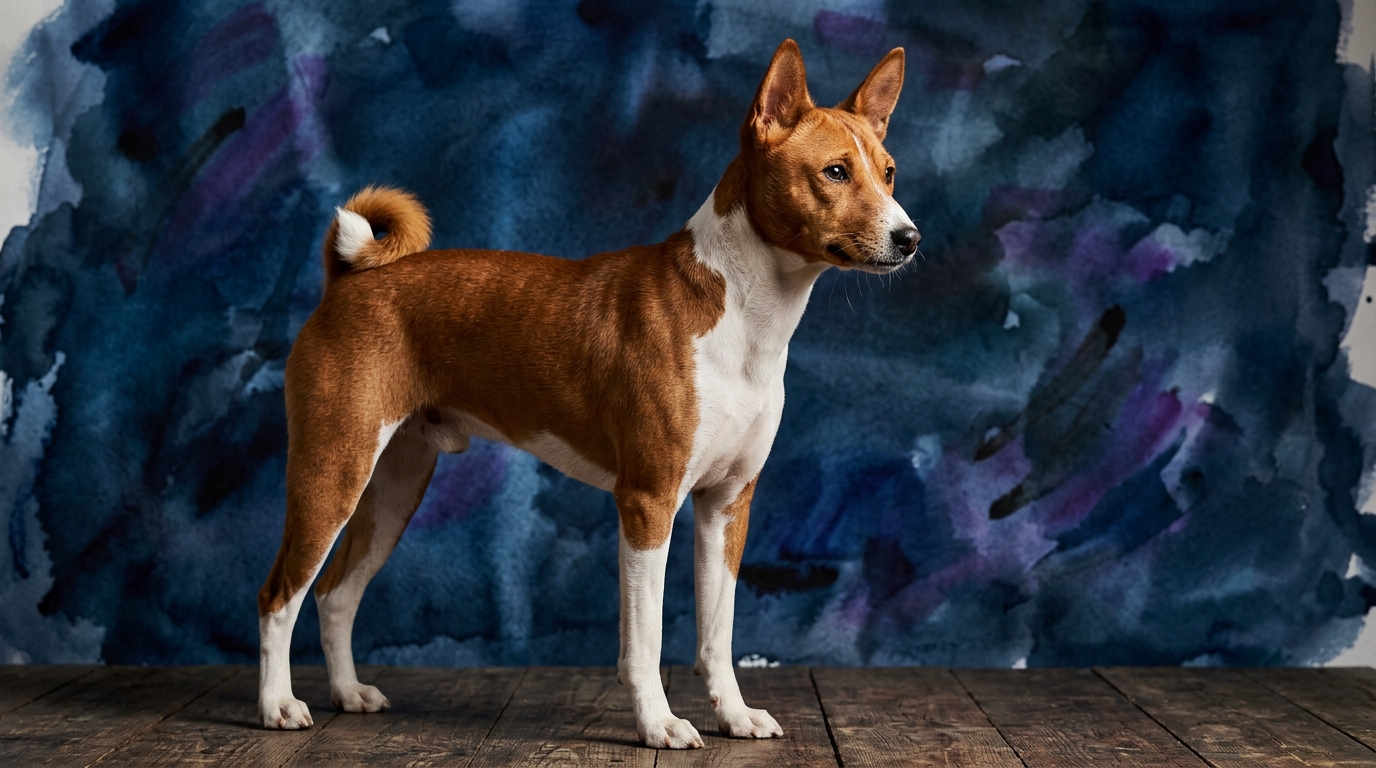
To understand the cognitive landscape of these two breeds, we turn to The Cosmic Pet Pet IQ Lab's five-dimensional intelligence framework. The Basenji, a sighthound originating from central Africa, holds a Coren rank of #78, reflecting its ancestral independence. Its problem-solving ability scores an impressive 5/5, indicating a keen capacity for independent thought and strategic action. Training speed, however, is a modest 1/5, suggesting a more selective approach to human directives. Social intelligence sits at 3/5, demonstrating a moderate ability to interpret human cues, while instinctive drive is a robust 5/5, reflecting its strong prey drive and natural hunting prowess. Memory for the Basenji is rated at 4/5, showing a good capacity to retain information and learned behaviors, even if executing them on command is not always its priority.
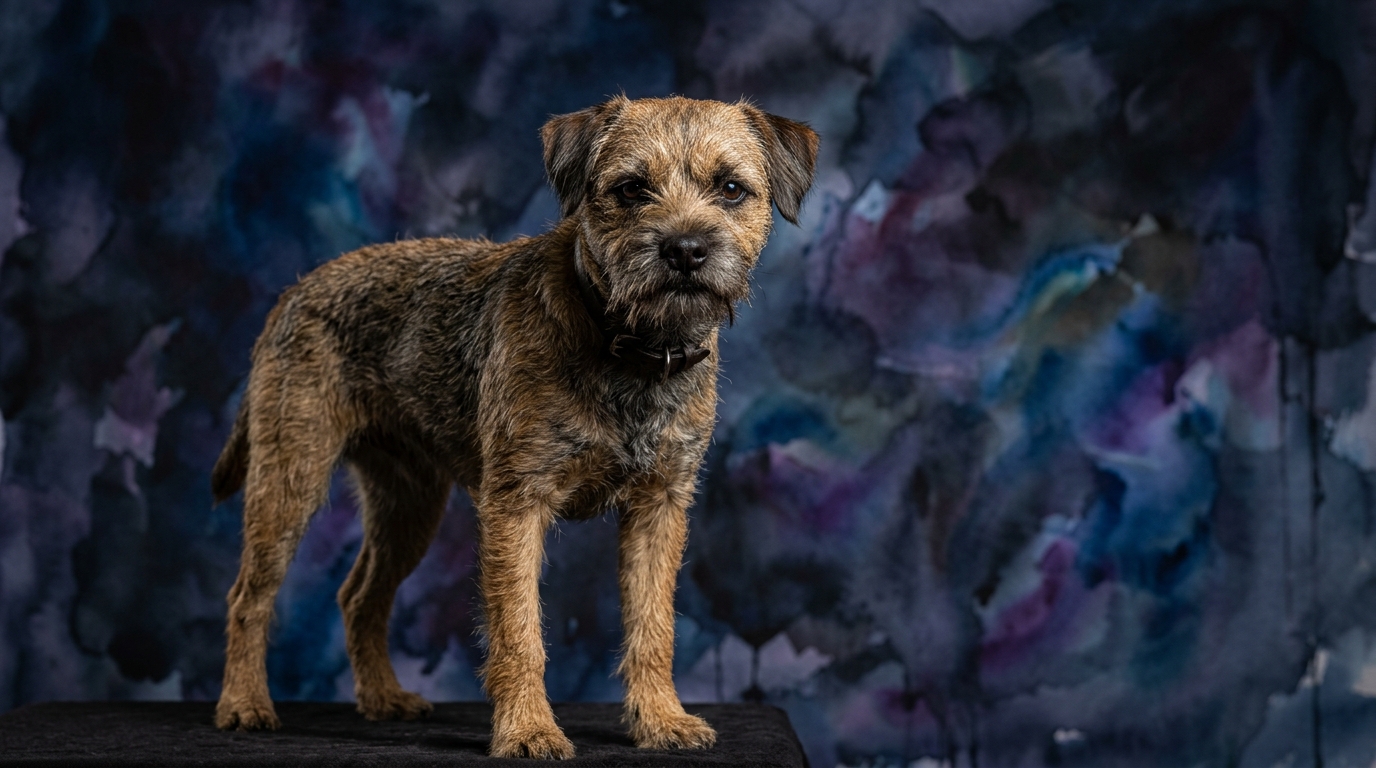
In contrast, the Border Terrier, a plucky working terrier from the Anglo-Scottish border, boasts a Coren rank of #30, placing it significantly higher in terms of obedience and working intelligence. Its problem-solving score is a solid 4/5, showcasing practical intelligence in navigating challenges. Where it truly shines is in training speed, earning a 4/5, indicative of a willingness and aptitude for learning commands quickly. Social intelligence matches the Basenji at 3/5, meaning it also possesses a fair understanding of human communication. Instinctive drive is rated 3/5, present but typically more manageable than the Basenji's, reflecting its historical role in bolting foxes rather than free-ranging hunts. Like the Basenji, its memory is also a strong 4/5, enabling it to recall a wide array of experiences and learned information effectively.
Where the Basenji Excels Cognitively
The Basenji's primary cognitive advantage lies in its exceptional problem-solving ability, scoring a perfect 5/5. This isn't about solving puzzles for human approval; it's about independent, often ingenious, ways to achieve its own goals. A Basenji might figure out how to open a cabinet to retrieve a treat, unlock a gate, or navigate complex environments without direct guidance. This high problem-solving capacity stems from its history as an ancient hunting dog, where self-reliance and quick, autonomous decision-making were crucial for survival in challenging terrains. This breed isn't waiting for instructions; it's actively assessing, planning, and executing its own solutions to perceived obstacles.
Another area of Basenji strength is its instinctive drive, also rated 5/5. This refers to its innate behaviors related to hunting, tracking, and exploring. A Basenji's senses are incredibly sharp, and its drive to follow a scent or chase moving objects is profound. This isn't just a physical attribute; it's a cognitive one, involving pattern recognition, focus, and an intrinsic motivation to engage with its environment in a predatory or investigative manner. While this can manifest as a challenge for owners in terms of recall or leash manners, it underscores a deep, evolutionarily honed cognitive programming for self-sufficiency and environmental mastery.
Where the Border Terrier Holds the Cognitive Edge
The Border Terrier’s most significant cognitive win is its training speed, rated 4/5 compared to the Basenji’s 1/5. This breed exhibits a far greater eagerness and aptitude for learning and executing commands from its human companions. Its history as a working terrier required close cooperation with hunters, leading to a genetic predisposition for responsiveness and biddability. A Border Terrier is typically quicker to grasp new tricks, obedience commands, and behavioral rules, making it a more straightforward partner in formal training endeavors. This difference is stark and directly impacts the ease of integrating the dog into a structured household environment.
While the Basenji edges it out in problem-solving (5/5 vs 4/5), the Border Terrier's 4/5 is still very respectable, indicating practical, functional intelligence. It's adept at navigating its immediate world, learning routines, and adapting to changes. Its Coren rank of #30 further reinforces its standing as a breed that understands and performs tasks reliably. This means it processes information related to human expectations efficiently and applies learned solutions consistently, making it a highly capable and adaptable companion in various settings, from agility courses to family life. Its memory, like the Basenji's, is strong at 4/5, ensuring that once it learns something, it tends to stick.
Training Dynamics: Basenji vs. Border Terrier
The stark difference in training speed (Basenji 1/5, Border Terrier 4/5) is the defining factor in their training dynamics. A Basenji's low training speed isn't a reflection of a lack of intelligence, but rather a profound independence and a strong sense of self-interest. They learn quickly what benefits them and are less inclined to perform actions simply to please a human. Training a Basenji requires immense patience, consistency, and creative motivation, often relying on high-value rewards and making the training feel like the dog's idea. They are masters of selective deafness, choosing to engage only when it aligns with their internal agenda, making off-leash reliability a significant challenge due to their high instinctive drive.
Conversely, the Border Terrier's higher training speed makes it a much more amenable student. They generally enjoy the interaction and mental stimulation that training provides, often displaying an eagerness to please that the Basenji lacks. While they still possess a terrier's characteristic tenacity and occasional stubbornness, they are typically more responsive to cues and readily form associations between commands and actions. Their moderate instinctive drive means that while they might chase a squirrel, they are generally more likely to return when called, especially with consistent positive reinforcement. This makes them suitable for a wider range of activities like obedience, agility, and earthdog trials, where cooperation is key.
Lifestyle Suitability: Active vs. Relaxed Owners
When considering lifestyle, the Basenji's high instinctive drive (5/5) and problem-solving prowess make it an ideal companion for active, experienced owners who appreciate a dog with a strong, independent spirit and can provide ample mental and physical engagement. These are not dogs content with simply lounging; they thrive on exploration, scent work, and activities that challenge their clever minds. Owners must be prepared for a dog that will consistently test boundaries and require secure environments to prevent escapes driven by curiosity or prey drive. Their energy levels, combined with their independent nature, demand an owner who enjoys active outdoor pursuits and is prepared for a dog that often thinks for itself.
The Border Terrier, with its balanced instinctive drive (3/5) and higher training speed, is generally more adaptable to a variety of active lifestyles, offering a blend of energy and biddability. They enjoy being part of family activities, whether it's hiking, running, or playing in the yard. While they are energetic and require regular exercise to prevent boredom and destructive behaviors, they are typically more inclined to participate alongside their owners rather than embark on solo adventures. Their manageable size and willingness to learn make them suitable for active families or individuals who want a capable, engaging companion for outdoor adventures, but also appreciate a dog that can settle down indoors after a good workout.
Social Intelligence and Memory
Both the Basenji and the Border Terrier share a similar social intelligence score of 3/5, indicating they are moderately adept at understanding human social cues. This means they can generally interpret body language, tone of voice, and facial expressions, but they may not be as finely tuned to subtle human emotions as some other breeds. For the Basenji, this moderate score aligns with its independent nature; it processes information but filters it through its own motivations. For the Border Terrier, it suggests a practical understanding of its human companions, sufficient for cooperation but without excessive emotional dependency. Neither breed is typically described as overly clingy, preferring a more balanced relationship.
Memory, at 4/5 for both breeds, is a shared strength. This high score means both Basenjis and Border Terriers have excellent recall of past experiences, learned commands (even if the Basenji chooses not to perform them), and the consequences of their actions. This strong memory contributes to their ability to navigate complex environments, remember routines, and retain training over time. For the Basenji, this means remembering where a treat was hidden or how to open a door. For the Border Terrier, it means remembering a sequence of agility obstacles or the rules of the house. This robust memory underpins their individual cognitive approaches, supporting both independent problem-solving and effective learning.
The Verdict
Choose a Basenji if you are an experienced, active owner who values a highly independent, clever, and self-sufficient companion, ready for a challenge in creative problem-solving and training.
Opt for a Border Terrier if you seek an energetic, adaptable, and more biddable partner for various activities, valuing quicker training progress and a strong, cooperative bond.
🧠 Find Your Pet's IQ Score
Our Pet IQ Lab assessment covers 25+ tests across 5 cognitive dimensions — personalized to your breed.
Take the Full IQ Test →Frequently Asked Questions
Are Basenjis really untrainable?
Basenjis are not untrainable, but their training speed of 1/5 means they require a highly dedicated, patient, and creative approach. They learn what benefits them and are less motivated by pleasing their owners, making consistency and high-value rewards essential for success.
Which breed is better for a first-time dog owner?
Given its higher training speed and more adaptable nature, the Border Terrier is generally a better choice for first-time dog owners. The Basenji's strong independence and lower training speed can be challenging for those without prior experience.
Do Border Terriers have a strong prey drive?
Yes, Border Terriers have a notable instinctive drive of 3/5, reflecting their terrier heritage and history of bolting foxes. While generally more manageable than a Basenji's, they will pursue small animals, necessitating secure leashes and fenced areas.