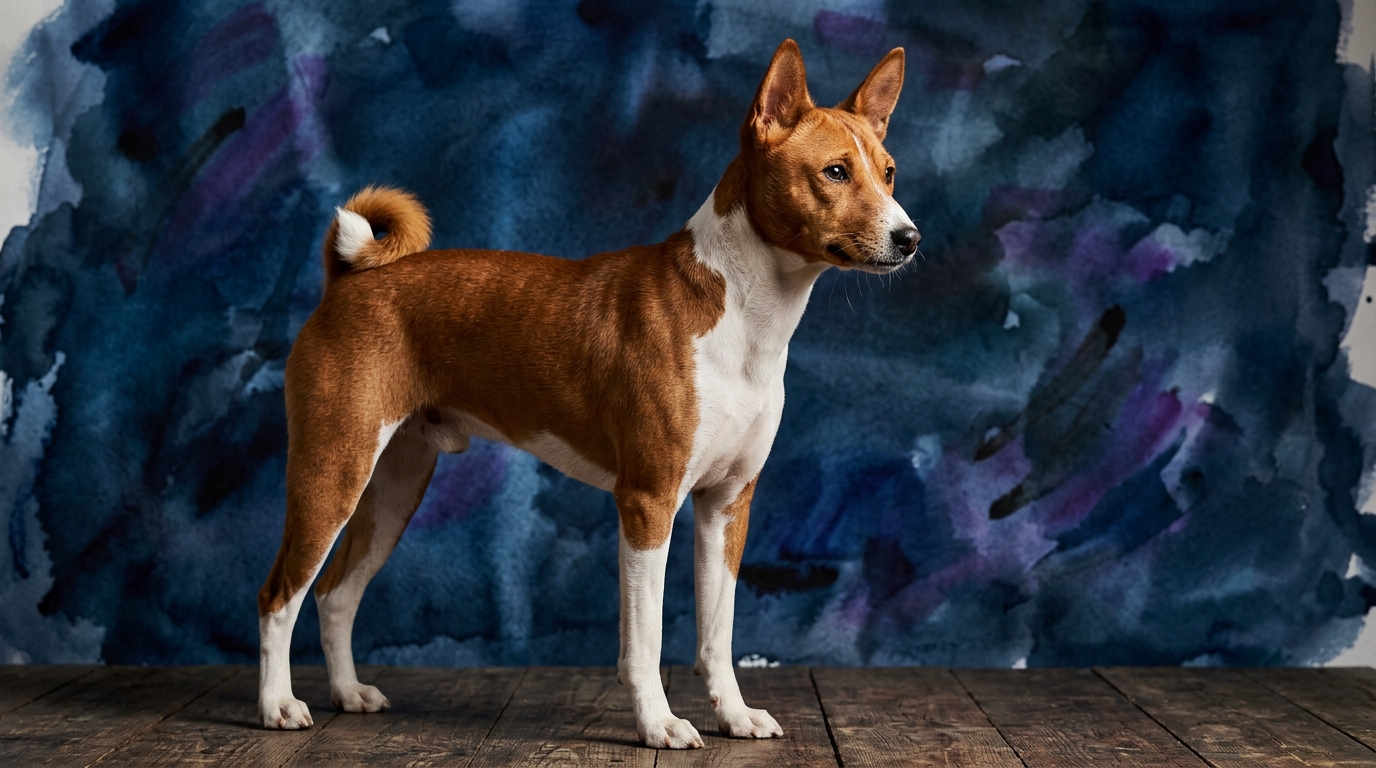
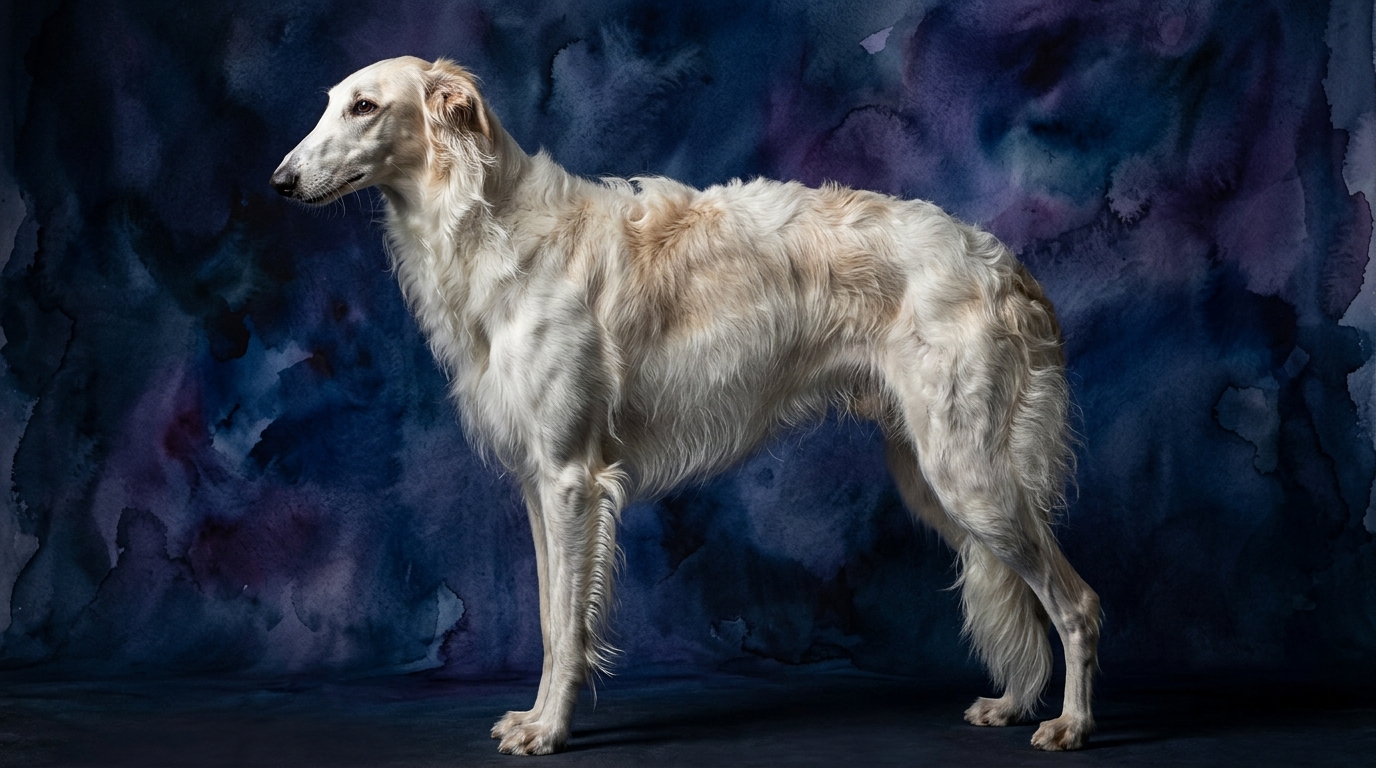
Side-by-Side Cognitive Profiles
The Cosmic Pet Pet IQ Lab provides a fascinating lens through which to compare the Basenji and Borzoi. The Basenji, ranked #78 by Coren, demonstrates exceptional problem-solving skills (5/5) and a powerful instinctive drive (5/5), complemented by a strong memory (4/5). However, their training speed is notably low (1/5), while their social intelligence is moderate (3/5).
In contrast, the Borzoi, ranked #75, presents a more balanced cognitive profile. They exhibit moderate scores across the board: problem-solving (3/5), training speed (3/5), social intelligence (3/5), instinctive drive (3/5), and memory (3/5). This equilibrium suggests a different kind of cognitive strength, one perhaps more amenable to traditional companionship.
Where the Basenji Wins Cognitively
Basenjis showcase a remarkable capacity for autonomous thought and ingenuity, scoring a perfect 5/5 in problem-solving. This means they are adept at navigating complex environments, bypassing obstacles, and devising their own solutions to challenges, often to their owner's surprise. Their superior memory (4/5) further enhances this, allowing them to recall successful strategies and apply them in new situations, or remember where forbidden treats are hidden.
Coupled with an intense instinctive drive (5/5), Basenjis are incredibly self-reliant, driven by their internal motivations to explore, hunt, and investigate, making them formidable in tasks requiring independent decision-making. This combination of problem-solving, memory, and drive positions the Basenji as a master of self-directed action, always thinking several steps ahead and often outmaneuvering less prepared humans.
Where the Borzoi Wins Cognitively
The Borzoi, while scoring moderately across several IQ dimensions, presents a more balanced and potentially adaptable cognitive profile for many households. Their 3/5 training speed, in contrast to the Basenji's 1/5, suggests a greater willingness and capacity to learn and comply with human direction, making them more amenable to standard obedience training and household rules. This moderate trainability indicates a cooperative spirit that, while not always immediate, is generally present.
This moderate trainability, combined with a 3/5 instinctive drive, means their inherent sighthound tendencies are present but less overwhelming than the Basenji's intense drive, allowing for easier integration into a controlled environment. The Borzoi's cognitive strengths lie in their ability to be trained to a reasonable degree without the profound stubbornness seen in some highly independent breeds, offering a more harmonious partnership for owners seeking a responsive companion who still retains a dignified independence.
Which Is Easier to Train and Why
When it comes to ease of training, the Borzoi distinctly holds the advantage over the Basenji. The Borzoi's training speed is rated at 3/5, indicating a moderate ability to grasp and perform commands, especially when approached with patience and positive reinforcement. They possess a desire to please their owners, albeit with a characteristic sighthound independence, meaning they respond well to clear expectations and consistent methods. Their moderate instinctive drive (3/5) is manageable, allowing owners to channel their prey drive through appropriate outlets like lure coursing rather than constant vigilance against escapes from the yard.
In contrast, the Basenji’s training speed is a challenging 1/5, reflecting their profound independence and lack of inherent desire to obey commands simply because they were given. Basenjis are often described as 'cat-like' in their autonomy; they learn quickly what *they* want to learn, but convincing them to perform tasks on command requires immense creativity, patience, and a deep understanding of their unique motivations. Their exceptional problem-solving (5/5) means they are often outsmarting their trainers, finding ways to avoid compliance or manipulate situations to their advantage, while their intense instinctive drive (5/5) means recall can be virtually nonexistent if a compelling scent or sight distracts them. Therefore, for most owners, the Borzoi will present a significantly less demanding training experience, while the Basenji will require an owner who embraces the challenge of their independent spirit.
Matching Breeds to Owner Lifestyles
The choice between a Basenji and a Borzoi largely hinges on an owner's lifestyle and their willingness to engage with distinct canine temperaments. Active owners who thrive on mental challenges and are prepared for a highly engaged, yet independent, canine partner might find the Basenji a fascinating match. Their high instinctive drive (5/5) and problem-solving prowess (5/5) mean they require consistent mental stimulation, intricate puzzle toys, and regular, varied physical exercise to prevent boredom and destructive behaviors. Basenjis are not dogs content to simply 'be'; they need their minds occupied and their bodies moving, often preferring to engage in self-directed activities like exploring or inventing games, making them a demanding but rewarding companion for experienced, dedicated individuals.
Conversely, owners seeking a more relaxed companion who still appreciates bursts of activity will likely find the Borzoi a better fit. While still requiring daily exercise to stretch their long limbs and satisfy their sighthound instincts, Borzois are generally calmer indoors, often content to lounge gracefully after their exercise needs are met. Their moderate instinctive drive (3/5) means less constant vigilance against escape compared to a Basenji, making them suitable for owners who appreciate a quieter, more elegant presence in the home without the constant need for mental gymnastics from their canine partner. They are magnificent athletes outdoors but possess a serene demeanor within the home.
The Verdict
Choose a Basenji if you are an experienced, active owner who relishes a cognitive challenge, appreciates profound independence, and is prepared for a dog that will constantly test boundaries and outsmart expectations.
Opt for a Borzoi if you seek an elegant, generally calm companion with moderate trainability, who enjoys regular exercise but is content to relax indoors, offering a more serene partnership.
🧠 Find Your Pet's IQ Score
Our Pet IQ Lab assessment covers 25+ tests across 5 cognitive dimensions — personalized to your breed.
Take the Full IQ Test →Frequently Asked Questions
Are Basenjis genuinely difficult to train?
Yes, Basenjis are rated 1/5 for training speed due to their profound independence and strong instinctive drives, making them notoriously challenging for traditional obedience. They require highly creative, patient, and consistent training methods focused on motivation rather than compliance, often treating commands as suggestions.
Do Borzois need a lot of exercise?
Borzois require regular, vigorous exercise, especially opportunities to run at full speed in a securely fenced area, to satisfy their sighthound instincts. However, they are generally calm indoors and are not as relentlessly demanding of constant activity as some other breeds, often enjoying long periods of rest after their exercise needs are met.
Which breed is better for a first-time dog owner?
Given their challenging training speed and intense independence, Basenjis are generally not recommended for first-time dog owners, as they can be overwhelming. A Borzoi, with its moderate trainability and calmer indoor demeanor, might be a more manageable choice for a novice, provided they are prepared for the breed's size and specific exercise requirements.