
Side-by-Side IQ Profile
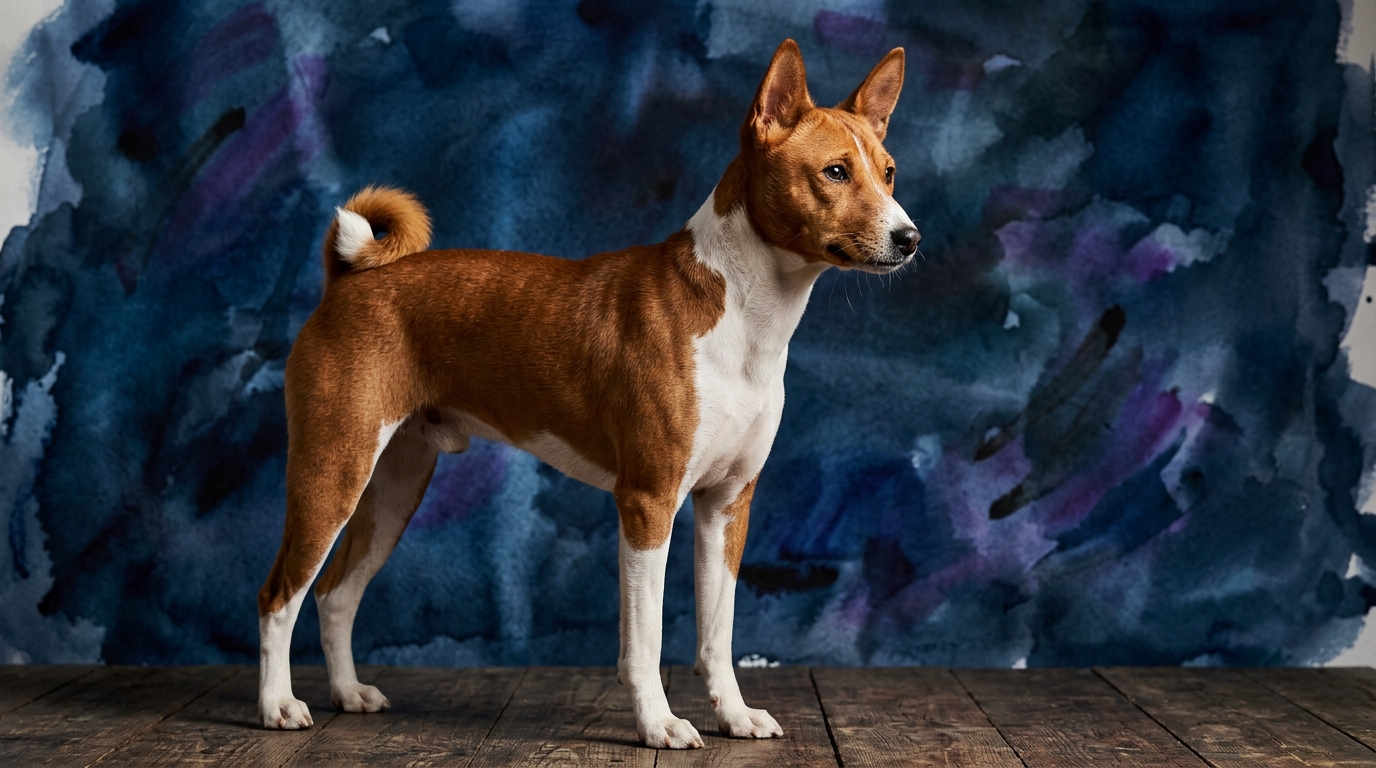
**Basenji:** The Basenji's cognitive makeup reveals a breed driven by independence and instinct. Their **Problem Solving (5/5)** score reflects an exceptional aptitude for devising their own strategies to overcome obstacles or achieve objectives, such as opening latches or navigating complex environments with clever manipulation. Learning new commands, however, is a deliberate process for the Basenji, earning them a **Training Speed (1/5)**; their strong will requires significant repetition, patience, and highly motivating rewards for consistent behavioral adoption. In **Social Intelligence (3/5)**, Basenjis possess a moderate level, forming strong bonds within their core group but often exhibiting a reserved or aloof demeanor towards strangers and sometimes other dogs, not being primarily driven by a need to please a wide social circle. Their **Instinctive Drive (5/5)** is remarkably potent, with an unwavering urge to chase, explore, and follow scents, profoundly influencing their behavior and focus. Finally, their **Memory (4/5)** is considerable, retaining information and experiences with clarity, which contributes to their cleverness and ability to learn from their environment, even if they choose not to apply lessons consistently.
**Boston Terrier:** In contrast, the Boston Terrier presents a profile centered more on sociability and adaptability. Their **Problem Solving (3/5)** capacity is solid and average; they can navigate familiar challenges and learn established solutions but might require more guidance or struggle with novel, complex puzzles compared to breeds with higher scores. **Training Speed (3/5)** for Boston Terriers is also average, meaning they learn new commands and routines at a steady pace, generally responding well to consistent, positive reinforcement methods due to their eagerness to please. Their **Social Intelligence (4/5)** is a standout feature, as they are highly attuned to human emotions and intentions, thriving on companionship and frequently seeking to engage with their family members and often friendly towards new acquaintances. **Instinctive Drive (2/5)** is relatively low in Boston Terriers; while they may enjoy a playful chase, these impulses are not as overwhelming or defining a characteristic as in many other breeds, making them generally less prone to wandering or predatory behaviors. Their **Memory (3/5)** is average, adequately remembering routines, commands, and familiar individuals, benefiting from consistent reinforcement to solidify learned behaviors and recall past experiences.
Where Basenji Wins Cognitively
The Basenji's cognitive strengths distinctly lie in their exceptional problem-solving abilities and robust instinctive drive. With a 5/5 in Problem Solving, they are master strategists, capable of independently figuring out how to open gates, escape enclosures, or retrieve desired objects through clever manipulation of their environment. This isn't about following commands; it's about intrinsic ingenuity. Their 5/5 Instinctive Drive fuels this intellect, providing a relentless motivation to explore, hunt, and satisfy their primal urges, often leading them to discover creative solutions to achieve their goals. Furthermore, their 4/5 Memory means they learn from these experiences, remembering which tactics worked and which didn't, building a sophisticated internal map of their world and its possibilities. This combination creates a self-reliant thinker, often one step ahead, making them fascinating, albeit challenging, companions.
Where Boston Terrier Wins Cognitively
The Boston Terrier's cognitive advantages are most evident in their social intelligence and moderate training speed. Scoring 4/5 in Social Intelligence, they are remarkably adept at reading human emotions and intentions, making them exceptionally empathetic and responsive companions. This high social acumen allows them to integrate seamlessly into family life, understanding nuances in tone and body language that might elude more independent breeds. Their 3/5 Training Speed, combined with this desire to connect, means they are generally receptive to learning and eager to please their human counterparts, making the training process a cooperative effort rather than a battle of wills. Unlike the Basenji's independent problem-solving, the Boston Terrier often solves "social problems" by adapting their behavior to better align with human expectations, demonstrating a distinct form of practical intelligence centered on harmony and companionship.
Which is Easier to Train and Why
Without a doubt, the Boston Terrier is significantly easier to train than the Basenji. The Boston Terrier's 3/5 Training Speed indicates they learn new commands and routines at an average pace, but crucially, this is coupled with their 4/5 Social Intelligence. They genuinely enjoy interacting with people and respond positively to praise and connection, making them inherently more biddable. Their lower Instinctive Drive (2/5) means they are less likely to be distracted by external stimuli or their own deep-seated urges during training sessions, allowing them to focus on the task at hand and their handler's cues.
Conversely, the Basenji's 1/5 Training Speed is a direct reflection of their profound independence and high Instinctive Drive (5/5). They are not motivated by a strong desire to please and often find their own pursuits far more engaging than human-directed commands. Their exceptional Problem Solving (5/5) means they're often thinking of ways to outsmart the training process, not cooperate with it. Training a Basenji requires immense patience, creativity, and a deep understanding of their unique motivations, as they will consistently challenge boundaries and prioritize their own agenda. They learn what benefits them, not necessarily what you want them to do.
Which Suits Active Owners vs. Relaxed Owners
For owners seeking a highly active and intellectually stimulating companion who appreciates an independent spirit, the Basenji is a compelling choice. Their 5/5 Instinctive Drive demands regular, engaging physical and mental outlets, whether it’s scent work, lure coursing, or extensive hiking. These dogs thrive with owners who understand and can channel their relentless drive and exceptional problem-solving abilities, enjoying the challenge of managing a clever, self-reliant hound. They require an owner who is proactive in providing enrichment and consistent in setting boundaries, comfortable with a dog that might prefer exploring to cuddling.
In contrast, the Boston Terrier is an ideal fit for relaxed owners who value companionship, social interaction, and a more adaptable lifestyle. Their moderate Instinctive Drive (2/5) means they are content with regular walks and playtime but do not demand the same intensity of activity as a Basenji. Their high Social Intelligence (4/5) and eagerness to please make them wonderful family dogs who thrive on being part of daily routines and close to their humans, whether that involves a leisurely stroll or an evening on the couch. They are generally less demanding in terms of constant mental stimulation, preferring to engage socially rather than constantly seeking independent adventures.
The Verdict
When choosing a canine companion, the Basenji is best suited for experienced, active owners who admire a fiercely independent intellect, are prepared for consistent, creative training, and can provide ample outlets for a potent instinctive drive.
Opt for the Boston Terrier if you desire a highly social, adaptable, and generally biddable companion who thrives on human interaction and fits seamlessly into a moderately active or relaxed household.
🧠 Find Your Pet's IQ Score
Our Pet IQ Lab assessment covers 25+ tests across 5 cognitive dimensions — personalized to your breed.
Take the Full IQ Test →Frequently Asked Questions
Are Basenjis stubborn?
Basenjis often perceive as stubborn due to their low training speed and high independent problem-solving skills, meaning they'll follow their own clever solutions over commands if not adequately motivated. Their strong instincts and self-reliance lead them to prioritize their own agenda, requiring a patient and consistent approach from their owners.
Do Boston Terriers need a lot of exercise?
Boston Terriers have a moderate energy level with a low instinctive drive, meaning they enjoy daily walks and playtime but do not typically require intense, prolonged exercise. They are generally content with regular activity that includes their human companions, making them suitable for various living situations.
Which breed is better with children?
The Boston Terrier's high social intelligence and generally eager-to-please nature often make them a more suitable choice for families with children, as they are typically patient and enjoy interaction. Basenjis, while forming strong bonds, can be more reserved and less tolerant of boisterous play, making supervision essential.