Side-by-Side IQ Profile: Basenji vs. English Bulldog
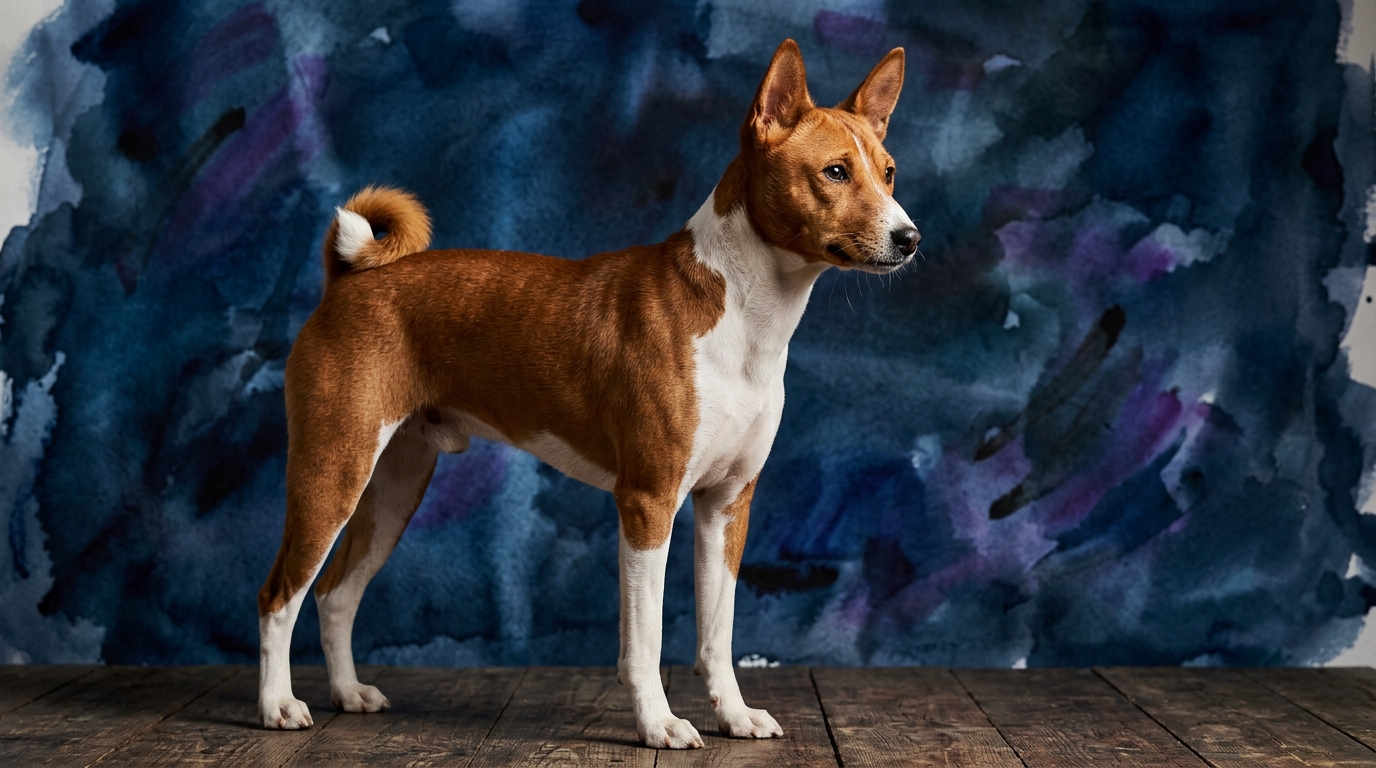
The Basenji (Coren rank #78), often called the 'barkless dog,' presents a fascinating paradox of capabilities. Their Problem Solving is exceptional at 5/5, indicative of a breed that can independently navigate complex situations and devise novel solutions, often to their own advantage. However, their Training Speed registers a challenging 1/5, reflecting a strong independent streak and a disinterest in repetitive, human-directed tasks. Social Intelligence sits at 3/5, suggesting they can form bonds but might not always prioritize human social cues above their own agenda. Instinctive Drive is a robust 5/5, a clear echo of their heritage as resourceful hunters, meaning they are highly motivated by innate urges like chasing or exploring. Finally, their Memory is strong at 4/5, allowing them to recall past experiences and learned strategies effectively.
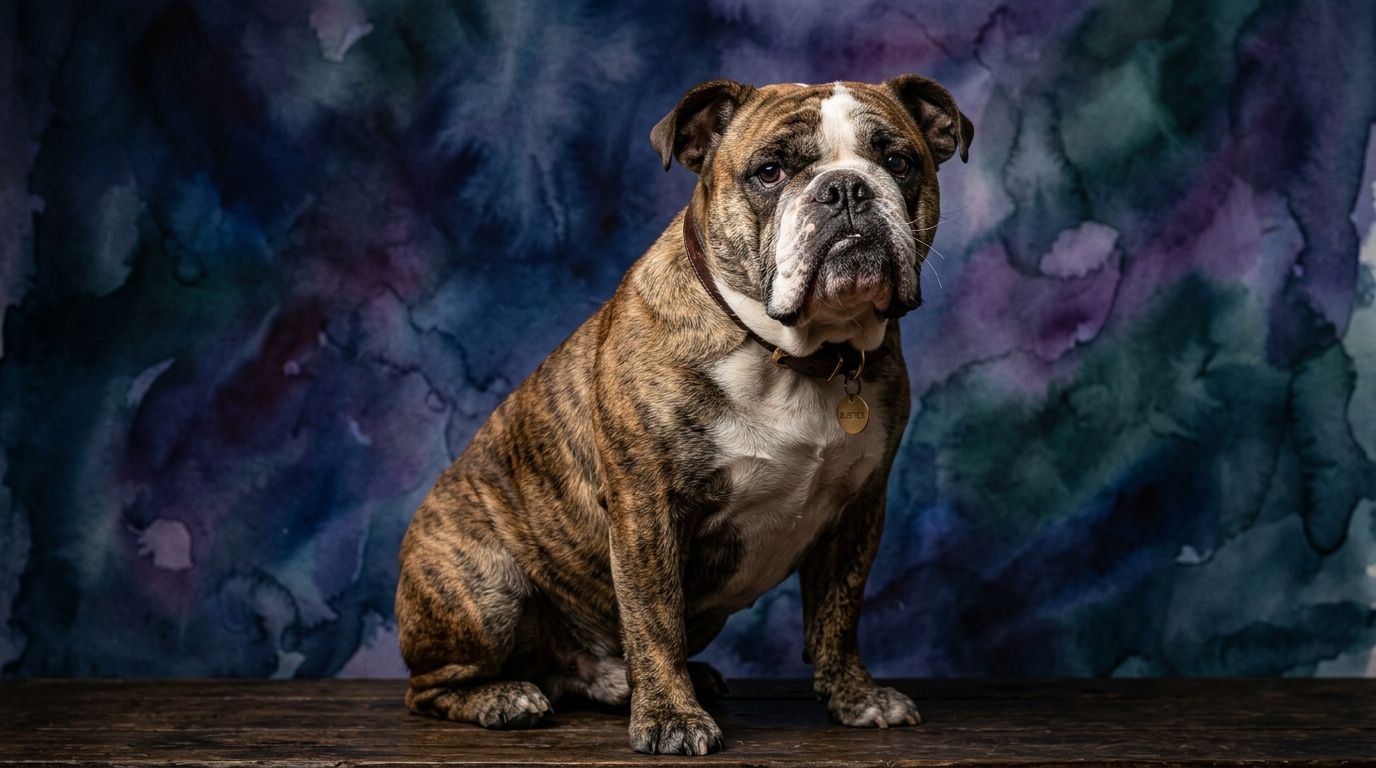
The English Bulldog (Coren rank #77) offers a contrasting cognitive landscape, often characterized by a more laid-back approach. Their Problem Solving is rated 2/5, indicating they prefer simpler solutions or relying on established routines rather than intricate strategizing. Training Speed is a slightly higher 2/5, but still suggests a need for patience and positive reinforcement, as they can be quite resolute in their own comfort. Social Intelligence shines at 4/5, demonstrating a strong capacity for bonding and understanding human emotional states, making them agreeable companions. Instinctive Drive is a moderate 3/5, present but not overwhelming, often manifesting as a desire for comfort or short bursts of play rather than relentless pursuit. Their Memory score of 2/5 implies they learn best through consistent, simple repetition, and might not retain complex sequences as readily.
Where the Basenji Wins Cognitively
The Basenji clearly excels in areas demanding independent thought and self-reliance. Their 5/5 Problem Solving ability means they are adept at figuring things out on their own, whether it's opening a cabinet, escaping a yard, or devising a strategy to get a desired toy. This isn't about following commands; it's about intrinsic ingenuity. Coupled with a 5/5 Instinctive Drive, Basenjis possess an unwavering internal motivation to pursue their interests, making them relentless in their chosen tasks, be it tracking a scent or exploring new territory. This high drive, combined with a 4/5 Memory, allows them to efficiently store and retrieve information pertinent to their self-directed goals, remembering escape routes or where a squirrel was last seen. They are, in essence, highly capable self-starters who learn from their environment through active engagement and experimentation, rather than through direct instruction. This makes them profoundly effective at navigating the world on their own terms.
Where the English Bulldog Wins Cognitively
The English Bulldog's cognitive strengths lie primarily in their social engagement and agreeable nature. With a 4/5 Social Intelligence score, Bulldogs are notably more attuned to human companionship and emotional states than the Basenji. This makes them excellent at forming deep, empathetic bonds and understanding the nuances of their owner's mood or intentions, even if they don't always act on complex commands. Their slightly higher Training Speed (2/5 compared to the Basenji's 1/5) suggests they are somewhat more amenable to learning basic cues, particularly when motivation involves comfort, food, or gentle praise. While not quick learners, their desire for companionship often translates into a willingness to cooperate, provided the training is positive, low-pressure, and rewards their inherent good nature. They thrive in environments where social harmony is prioritized, demonstrating a cognitive preference for connection over intricate independent problem-solving.
Which is Easier to Train and Why?
When it comes to ease of training, neither the Basenji nor the English Bulldog are considered 'beginner-friendly,' but for very different reasons. The Basenji's 1/5 Training Speed and powerful 5/5 Instinctive Drive make them particularly challenging. Their independent nature means they often perceive commands as suggestions rather than directives, preferring to follow their own sophisticated problem-solving instincts. They are not interested in performing repetitive tasks for human approval; their motivation is internal. Training a Basenji requires immense patience, creativity, and finding ways to leverage their strong drives, such as scent work or lure coursing, rather than traditional obedience. Conversely, the English Bulldog, with a 2/5 Training Speed, is often described as stubborn. This isn't a lack of understanding, but rather a strong preference for comfort and a low tolerance for strenuous or repetitive activity. Their moderate 3/5 Instinctive Drive means they might engage in short bursts, but quickly lose interest if they don't find the task inherently rewarding or comfortable. While more socially motivated than a Basenji, their physical limitations and inherent calm temperament mean training must be kept brief, positive, and focused on simple, functional behaviors, often relying on food rewards. Therefore, while both require dedication, the Bulldog might be marginally 'easier' for basic manners due to their higher social intelligence and slightly less pronounced independence, provided expectations are realistic and the training respects their physical and mental pace.
Which Suits Active Owners vs. Relaxed Owners?
The choice between a Basenji and an English Bulldog hinges significantly on an owner's lifestyle and energy levels. The Basenji, with its 5/5 Instinctive Drive and exceptional problem-solving abilities, is ideally suited for active owners who relish engaging with a mentally and physically stimulating companion. These dogs thrive on activities that tap into their heritage, such as lure coursing, agility, extensive hiking, or complex scent games. Their high energy and independent spirit mean they require consistent mental challenges and physical outlets to prevent boredom and destructive behaviors. They are not content to lounge for long periods; their minds are always working, seeking engagement. In contrast, the English Bulldog is the quintessential companion for relaxed owners. Their moderate 3/5 Instinctive Drive and lower problem-solving score mean they are far happier with a leisurely pace of life. Short, gentle walks, comfortable napping spots, and calm companionship are their preferred activities. While they enjoy play, it's typically in short bursts, followed by extended periods of rest. An owner who appreciates a placid presence, values quiet companionship, and is content with minimal, low-impact exercise will find the Bulldog a perfect match. Trying to force a Basenji into a sedentary lifestyle or expecting an English Bulldog to be a hiking partner would be a disservice to both breeds' intrinsic natures.
The Verdict
Choose a Basenji if you are an experienced, active owner seeking a truly independent, clever companion who thrives on mental challenges and engaging in complex, self-directed activities.
Opt for an English Bulldog if you prefer a calm, affectionate, and relatively low-energy companion who excels at social bonding and enjoys a relaxed, comfortable lifestyle.
🧠 Find Your Pet's IQ Score
Our Pet IQ Lab assessment covers 25+ tests across 5 cognitive dimensions — personalized to your breed.
Take the Full IQ Test →Frequently Asked Questions
Are Basenjis truly 'barkless' or do they make other sounds?
Basenjis are often called 'barkless' because they typically don't bark in the conventional sense. Instead, they produce a unique yodel-like sound called a 'barroo,' along with chortles, growls, and whines, especially when excited or expressing themselves.
Do English Bulldogs require a lot of grooming despite their short coat?
While English Bulldogs have short coats, they do require regular grooming, particularly attention to their facial wrinkles. These folds need to be cleaned daily to prevent irritation, infection, and skin issues due to moisture and debris accumulation.
How do Basenji's high instinctive drive impact their behavior in a home setting?
A Basenji's high instinctive drive often translates to strong urges to chase, explore, and 'hunt' within the home. This can manifest as counter-surfing, opening cabinets, or relentless pursuit of small moving objects, requiring consistent management and secure environments.