Side-by-Side Cognitive Profiles: Basenji vs. Gordon Setter
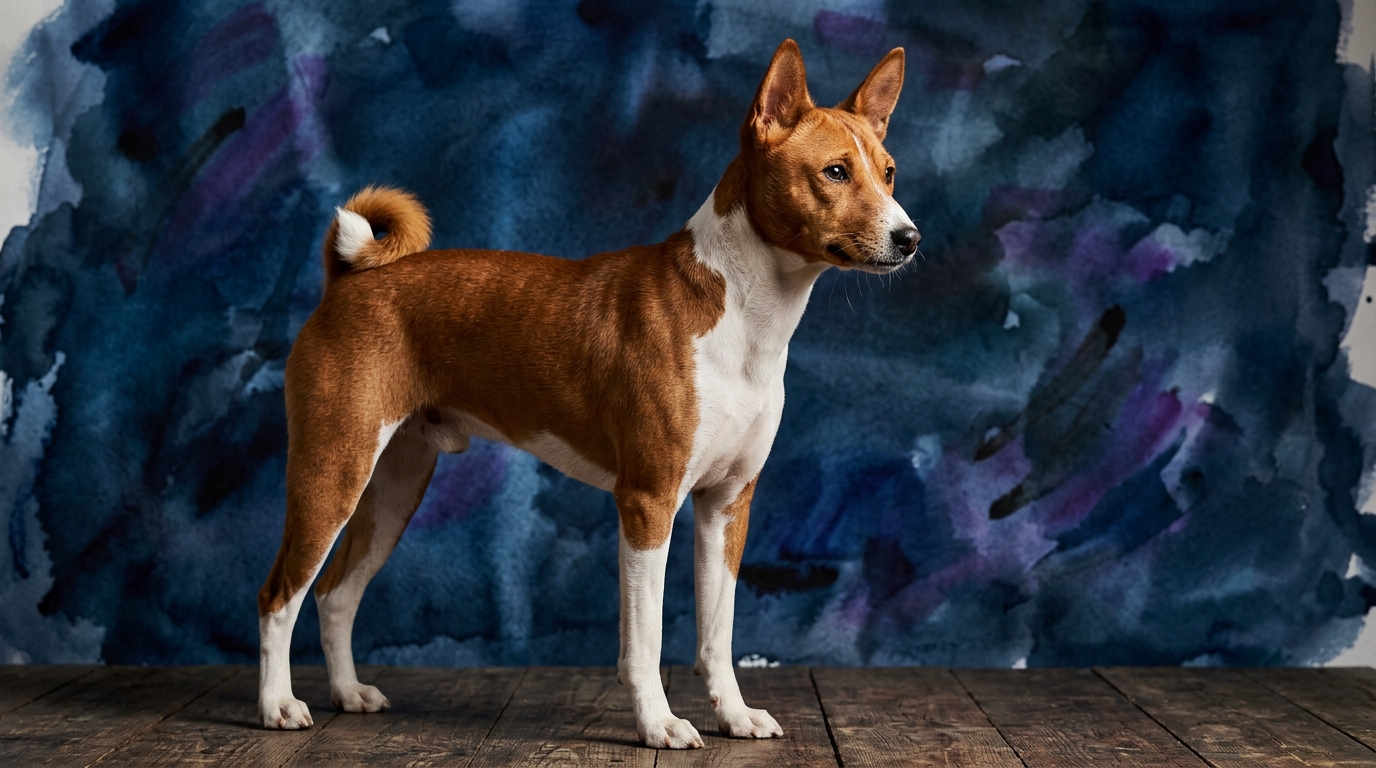
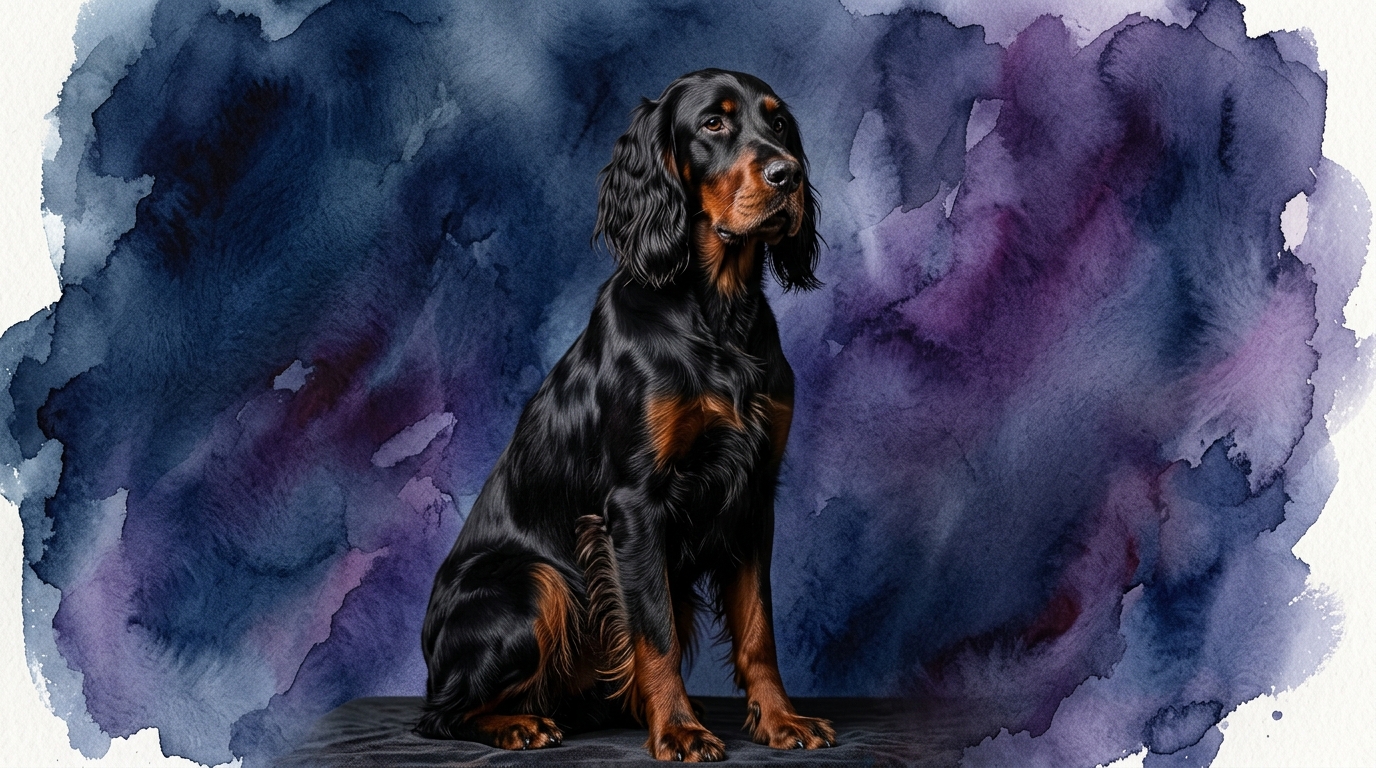
To truly understand the intelligence of these two distinct breeds, we must look beyond generalized notions and examine their specific cognitive dimensions. The Basenji, a hound breed with a Coren ranking of #78, presents a profile marked by independence and cleverness, while the Gordon Setter, a sporting breed ranked #39, showcases a more cooperative and biddable intellect. Our Pet IQ Lab's five-dimensional assessment provides a detailed breakdown of their mental landscapes.
The Basenji's cognitive strengths and challenges are clearly defined. In Problem Solving, they achieve an impressive 5/5. This reflects their exceptional capacity for independent, lateral thinking; they are masters at devising novel solutions to obstacles, often involving complex maneuvers to achieve their goals, whether it's opening a cabinet or navigating a tricky escape. However, this ingenuity comes with a significant trade-off in Training Speed, where they score 1/5. Basenjis are not motivated by pleasing a handler in the traditional sense; their independent nature means they learn at their own pace, often requiring extensive repetition and highly creative motivational techniques, making training a lengthy and often challenging endeavor. Their Social Intelligence is rated 3/5; while capable of deep bonds with their chosen family, they can be aloof with strangers and are less inclined to read or conform to human social expectations outside their immediate circle. Instinctive Drive is a powerful 5/5, manifesting as an intense, unwavering prey drive and a relentless focus on scent, a deep-seated cognitive program for hunting that overrides many other considerations. Finally, their Memory is strong at 4/5, allowing them to recall complex routes, past experiences, and successful problem-solving strategies with remarkable accuracy, often to their owner's chagrin when those strategies involve mischief.
In contrast, the Gordon Setter offers a different set of cognitive strengths. Their Problem Solving is rated 4/5, indicating a strong capability for understanding and executing complex tasks, particularly those related to their work or environment. They are adept at applying learned solutions effectively and can navigate intricate scenarios, though they typically operate within established rules rather than constantly seeking to subvert them. Their Training Speed is a robust 4/5, reflecting an eagerness to please and a high responsiveness to instruction. Gordon Setters generally pick up new commands and routines with relative ease, enjoying the process of learning and working cooperatively with their handler. Their Social Intelligence, also 3/5, often manifests as an affectionate, family-oriented nature and a generally amiable disposition towards strangers once proper introductions are made. They possess a good understanding of human emotions and intentions, which they use to build rapport and facilitate interaction. The Gordon Setter's Instinctive Drive scores 3/5; while they possess a strong birding instinct for pointing and retrieving, this drive is typically more controlled and channeled into cooperative partnership with a hunter, rather than the pure, unbridled pursuit seen in a Basenji. Their Memory is also 4/5, demonstrating a reliable capacity for recalling commands, intricate routines, and past training experiences, making them consistent performers in field work or obedience trials.
Where the Basenji Excels Cognitively
The Basenji's primary cognitive advantage lies in its exceptional problem-solving acumen and unparalleled independence. A Basenji doesn't just learn a trick; it analyzes a situation and devises a strategy. This breed consistently demonstrates a capacity for lateral thinking, often figuring out intricate latches, gates, or even complex sequences of actions to achieve a desired outcome, such as accessing forbidden areas or specific food items. Their high score in this dimension reflects an innate ingenuity and a willingness to experiment with solutions, making them extraordinarily resourceful. This cognitive strength means they don't just follow; they innovate.
Furthermore, the intensity of their instinctive drive, rated 5/5, is a profound cognitive strength in its own right. When a Basenji locks onto a scent or visual cue, their entire cognitive apparatus becomes singularly focused on the pursuit. This isn't merely a physical impulse; it's a deep-seated mental programming that allows for unwavering concentration and an almost relentless dedication to their hunting objective. This singular focus, while challenging in a domestic setting, is a testament to their powerful, ancient intelligence as a hunter.
Where the Gordon Setter Excels Cognitively
The Gordon Setter's cognitive strengths are rooted in its cooperative nature and adaptability, particularly evident in its training speed. With a 4/5 rating, they process and internalize commands efficiently, driven by a desire to engage with and please their human companions. This means they are quicker to establish associations between cues and actions, making them highly effective partners in structured learning environments, whether in obedience, agility, or field work. Their cognitive framework is geared towards understanding and complying with human direction, a stark contrast to the Basenji's self-directed learning.
Beyond just speed, the Gordon Setter's social intelligence, while rated similarly at 3/5, manifests differently in practical application. It translates into a greater willingness to work *with* humans, reading subtle cues and adapting their behavior to social contexts more readily. This cooperative intelligence allows them to integrate more seamlessly into family life and structured activities, leveraging their understanding of human expectations to foster a harmonious partnership. Their instinctive drive, rated 3/5, also demonstrates a cognitive strength in its controlled application; they can channel their natural hunting abilities into a collaborative effort, showing restraint and working in tandem with a handler, a level of cognitive collaboration less inherent in the Basenji.
Training Dynamics: Basenji vs. Gordon Setter
When it comes to training, the Basenji and Gordon Setter present fundamentally different experiences, largely due to their distinct cognitive profiles. The Gordon Setter is, unequivocally, the easier breed to train. Their 4/5 training speed is a direct result of their inherent eagerness to please and their responsiveness to instruction. They derive satisfaction from successful cooperation with their handler, making them highly motivated students. A Gordon Setter typically absorbs new commands and routines relatively quickly, making the training process a rewarding partnership for both dog and owner. They are often keen to anticipate cues and enjoy the structured interaction of training sessions.
The Basenji, on the other hand, represents a significant training challenge, scoring a mere 1/5 in training speed. Their high problem-solving ability (5/5) often means they are applying their intellect to understand 'what's in it for me?' rather than simply complying. They quickly grasp the concept of a command but may choose to execute it only if it aligns with their immediate interests or if the reward is sufficiently enticing. Repetitive drills bore them, and their independent nature means they are constantly assessing the value of compliance. Training a Basenji demands immense patience, creativity, and a deep understanding of their unique motivations. Owners must be prepared to make training a continuous, engaging puzzle rather than a series of rote commands, often needing to outwit their clever companion.
Owner Lifestyles: Active Engagement vs. Relaxed Companionship
Neither the Basenji nor the Gordon Setter is suited for a truly 'relaxed' owner who seeks minimal engagement, but the *type* of activity they require differs significantly based on their cognitive make-up. For active owners seeking a dynamic, cooperative partner in outdoor pursuits, the Gordon Setter is an exceptional choice. Their sporting heritage and cognitive profile, particularly their reliable memory and channeled instinctive drive, make them ideal for activities like hiking, field trials, or dog sports where teamwork and consistent performance are valued. They thrive on physical exertion combined with mental tasks that involve collaboration, making them excellent companions for dedicated outdoor enthusiasts who appreciate a biddable partner.
The Basenji, conversely, demands an owner who is 'active' in a different, often more intellectually demanding sense. While they require physical outlets, their high problem-solving ability and independent nature mean they need constant mental stimulation to prevent boredom and potential mischief. An owner must be actively engaged in providing new challenges, puzzle toys, and creative training methods to satisfy their inquisitive minds. They suit owners who appreciate a dog that thinks for itself, enjoys a cognitive 'game' of wits, and is prepared for a companion that constantly explores boundaries. A 'relaxed' owner who doesn't provide sufficient mental engagement for a Basenji will likely find themselves with a dog that invents its own, often destructive, entertainment.
The Verdict
Choose the Basenji if you are captivated by an independent, resourceful thinker who will consistently challenge your expectations and offer unique insights into canine ingenuity. Be prepared for a lifelong cognitive puzzle and a dog that marches to the beat of its own drum.
Opt for the Gordon Setter if you seek a cooperative, eager-to-please companion for active adventures, valuing a dog that thrives on working alongside you and learns with enthusiasm. They offer a more traditional partnership built on mutual understanding and shared purpose.
🧠 Find Your Pet's IQ Score
Our Pet IQ Lab assessment covers 25+ tests across 5 cognitive dimensions — personalized to your breed.
Take the Full IQ Test →Frequently Asked Questions
Do Basenjis make good family pets?
Basenjis can be wonderful family pets, forming strong bonds with their immediate family members, but their independent nature means they may not always be overtly affectionate or tolerant of rough play from young children. Early socialization and consistent training are key to integrating them successfully into a family environment.
What kind of exercise does a Gordon Setter need daily?
Gordon Setters are energetic sporting dogs that require substantial daily exercise, typically at least one to two hours of vigorous activity such as running, brisk walks, or off-leash play in a secure area. They thrive on activities that engage both their bodies and their minds, like retrieving games or field work.
Are Basenjis difficult to house train?
Basenjis are generally clean dogs and can be house trained, but their independent nature means it might take more consistency and patience than with some other breeds. They respond well to positive reinforcement and a structured schedule, but owners must be diligent in their training approach.