Side-by-Side Cognitive Profiles
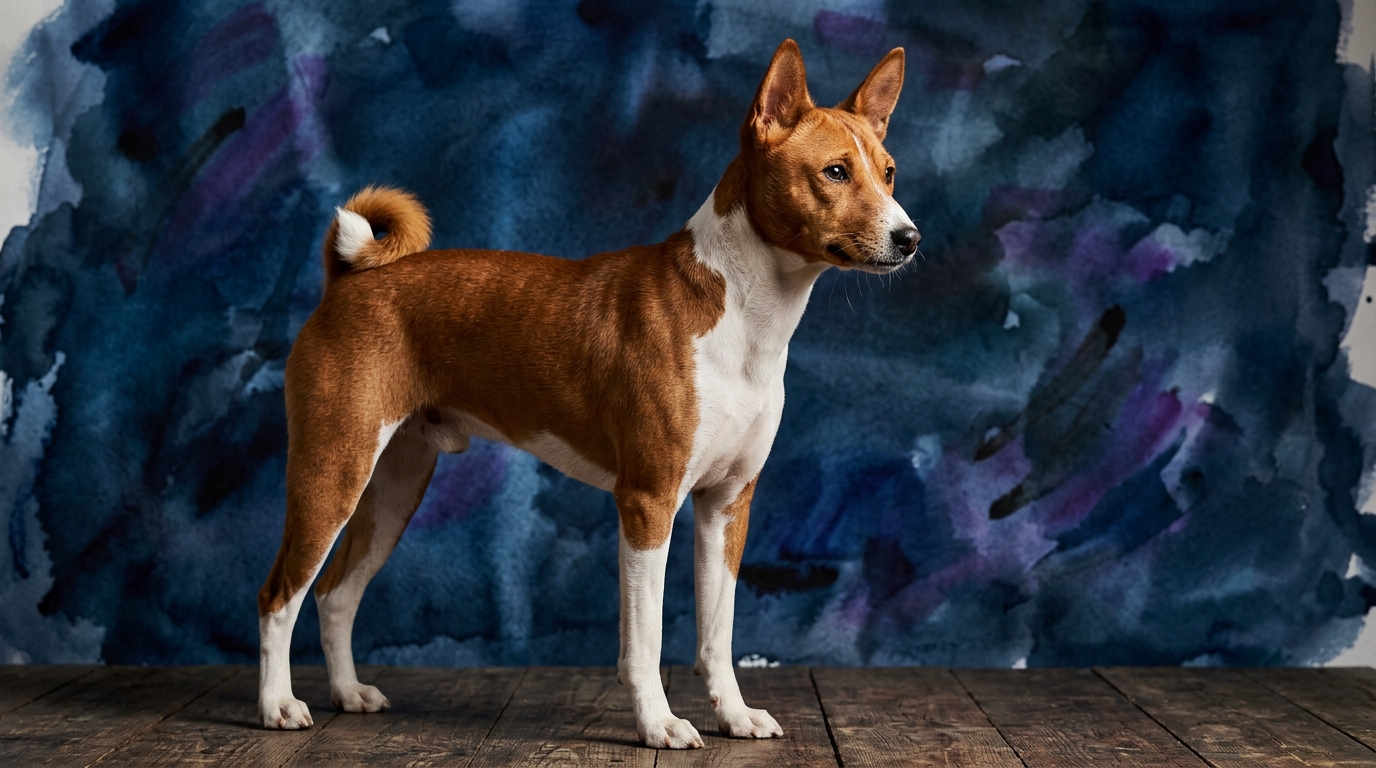
Originating from Africa, often called the “barkless dog,” the Basenji holds a Coren rank of #78, indicating a distinct approach to learning and command following compared to many breeds. Their cognitive profile highlights a Problem Solving score of 5/5, showcasing a remarkable capacity for independent thought and figuring things out on their own terms. However, their Training Speed is a low 1/5, suggesting a strong preference for self-direction over rote obedience. Social Intelligence is rated 3/5, implying they can form bonds but maintain a certain independence, while an Instinctive Drive of 5/5 underscores their deeply ingrained hound behaviors like chasing and tracking. Their Memory, at 4/5, means they retain information well, for better or worse regarding past experiences or learned tricks.
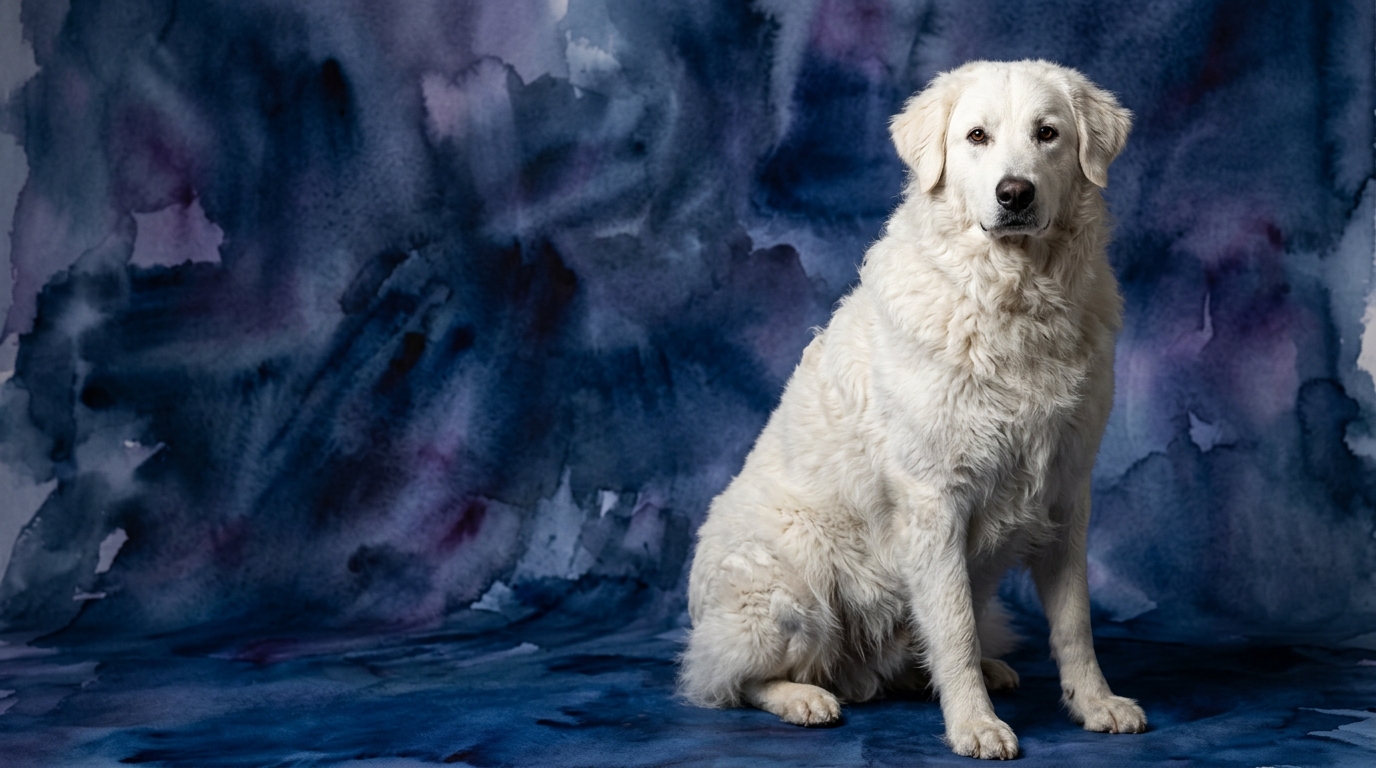
Hailing from Hungary, the majestic Kuvasz, a working breed, secures a Coren rank of #42, placing them significantly higher in their responsiveness to human direction. Their cognitive breakdown shows a Problem Solving score of 3/5, indicating competence but less of the independent, 'figure-it-out-yourself' drive seen in the Basenji. Training Speed is a moderate 3/5, meaning they are capable of learning commands at a reasonable pace, though consistency is key. Their Social Intelligence also stands at 3/5, reflecting a capacity for connection while retaining their protective instincts. An Instinctive Drive of 3/5 points to their inherent guarding behaviors, which are present but perhaps more manageable than a Basenji's prey drive. With a Memory score of 4/5, the Kuvasz also demonstrates a solid ability to recall past lessons and experiences.
Where the Basenji Excels Cognitively
The Basenji’s cognitive strengths lie profoundly in their Problem Solving ability, rated an exceptional 5/5. This isn't about solving puzzles for human approval, but rather about their innate capacity to navigate complex situations independently, often to achieve their own goals. A Basenji might expertly figure out how to open a child-proof gate, scale a fence, or unravel a complicated toy to get to a treat, driven by their own curiosity and persistence. This high score reflects a mental agility that allows them to adapt and innovate when faced with obstacles, making them incredibly resourceful. Coupled with a powerful Instinctive Drive (5/5), this means a Basenji will relentlessly pursue what their instincts tell them, whether it’s a scent trail or an escape route, using their problem-solving skills to overcome any barriers. Their strong Memory (4/5) ensures they learn from these experiences, remembering which strategies worked or failed in previous attempts to achieve their desired outcome.
Where the Kuvasz Shines Cognitively
The Kuvasz’s cognitive advantages are rooted in a balanced intelligence that supports its historical role as a guardian. While their Problem Solving is a respectable 3/5, it's their more moderate Training Speed (3/5) and Social Intelligence (3/5) that create a different kind of cognitive strength. A Kuvasz is more inclined to engage with human instruction and respond to commands, making them more amenable to structured learning environments than a Basenji. Their Problem Solving, while not as independently driven as the Basenji’s, is applied within the context of their duties, such as assessing threats or navigating their territory. The Kuvasz’s Instinctive Drive (3/5) is focused on protection and vigilance, allowing them to process environmental cues and potential dangers effectively. This breed exhibits a cognitive profile geared towards reliability and partnership in a working capacity, where discerning information and acting upon learned commands are crucial. Their 4/5 Memory score further aids this, ensuring they recall training and recognize patterns in their environment, crucial for their guarding responsibilities.
Training Dynamics: Basenji vs. Kuvasz
When it comes to ease of training, the Kuvasz generally presents a more straightforward path than the Basenji. The Kuvasz's Training Speed of 3/5 means they are receptive to learning and capable of retaining commands when taught with consistent, positive reinforcement. Their Social Intelligence of 3/5 indicates a willingness to engage with their human companions in a learning context, forming a partnership that facilitates instruction. While they still require a firm, fair hand due to their independent and protective nature, they are generally eager to understand expectations.
The Basenji, conversely, poses a significant challenge with a Training Speed of 1/5. This isn't due to a lack of ability, but rather a profound independence and a strong preference for self-governance. A Basenji learns quickly what benefits them, but they often see little intrinsic value in performing repetitive tasks on command. Their high Problem Solving (5/5) means they might figure out the "trick" but choose not to perform it unless adequately motivated or if it aligns with their immediate interest. They are masters of selective hearing, and their strong Instinctive Drive (5/5) means they are easily distracted by environmental stimuli, making off-leash reliability a rare achievement. Training a Basenji demands immense patience, creativity, and a deep understanding of canine motivation, focusing on making training a game rather than a chore, and accepting that perfect obedience is often not their forte.
Lifestyle Suitability: Active vs. Relaxed Owners
The choice between a Basenji and a Kuvasz also depends heavily on an owner's lifestyle and expectations. For active owners seeking a dynamic, independent companion who thrives on mental engagement and physical outlets, the Basenji can be a rewarding, albeit challenging, choice. Their intense Instinctive Drive (5/5) necessitates significant daily exercise, not just a casual stroll. They require owners who appreciate their cunning Problem Solving (5/5) and can channel it into appropriate activities like lure coursing, agility, or advanced puzzle toys, rather than letting them apply it to escaping the yard. Owners must be prepared for a dog that is always thinking, always exploring, and often devising its own entertainment.
The Kuvasz, while also requiring regular exercise to maintain health and mental well-being, is better suited for owners who appreciate a more measured pace and a strong guardian presence. Their Instinctive Drive (3/5) focuses more on vigilance and protection of their home and family, rather than endless pursuit. They are not necessarily "relaxed" dogs, as their guarding instincts are always on, but their activity demands are often satisfied with secure yard access and regular walks rather than high-octane sports. They suit owners who are comfortable with a large, powerful dog that requires consistent leadership and clear boundaries, providing a sense of security and a devoted, if sometimes reserved, companionship.
The Verdict
Choose the Basenji if you are an experienced, patient owner who values an independent, clever, and endlessly curious companion and are prepared for a lifelong intellectual challenge.
Opt for the Kuvasz if you seek a loyal, protective guardian with a strong presence, who responds well to consistent training and offers a deep sense of security.
🧠 Find Your Pet's IQ Score
Our Pet IQ Lab assessment covers 25+ tests across 5 cognitive dimensions — personalized to your breed.
Take the Full IQ Test →Frequently Asked Questions
Is a Basenji difficult to live with due to its low training speed?
A Basenji's low training speed (1/5) means they are highly independent and often choose not to comply with commands unless it serves their interest. This can make them challenging for owners seeking a perfectly obedient dog, requiring creative motivation and a patient approach.
How does the Kuvasz's guarding instinct manifest in daily life?
The Kuvasz's instinctive drive (3/5) is primarily focused on protecting its family and territory, leading to vigilance and sometimes wariness of strangers. Early socialization and consistent training are crucial to ensure these natural guarding tendencies are channeled appropriately and do not become problematic.
Which breed is better for a first-time dog owner?
Neither breed is typically recommended for first-time dog owners due to their strong personalities and specific needs. However, the Kuvasz's moderate training speed and social intelligence might make it slightly more manageable for a committed novice willing to invest heavily in training and socialization, compared to the highly independent Basenji.