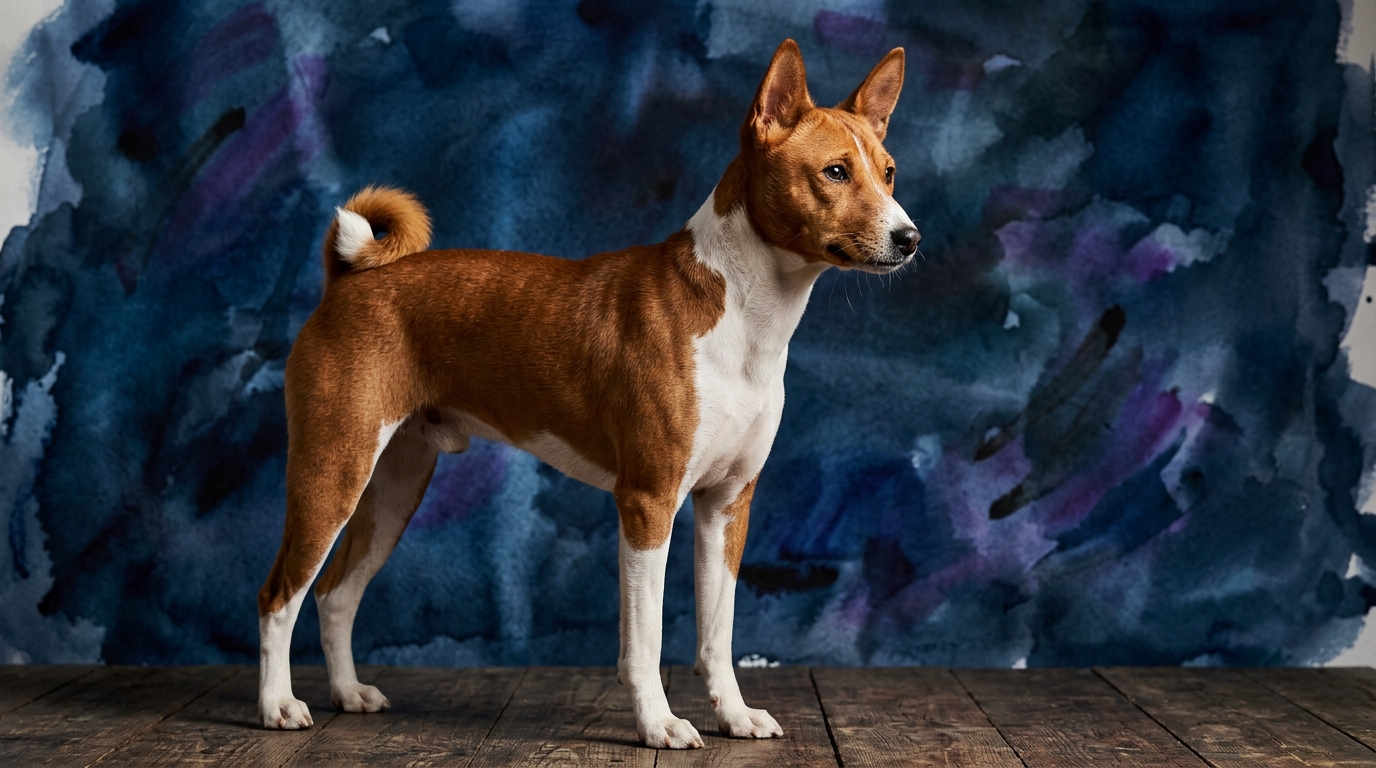
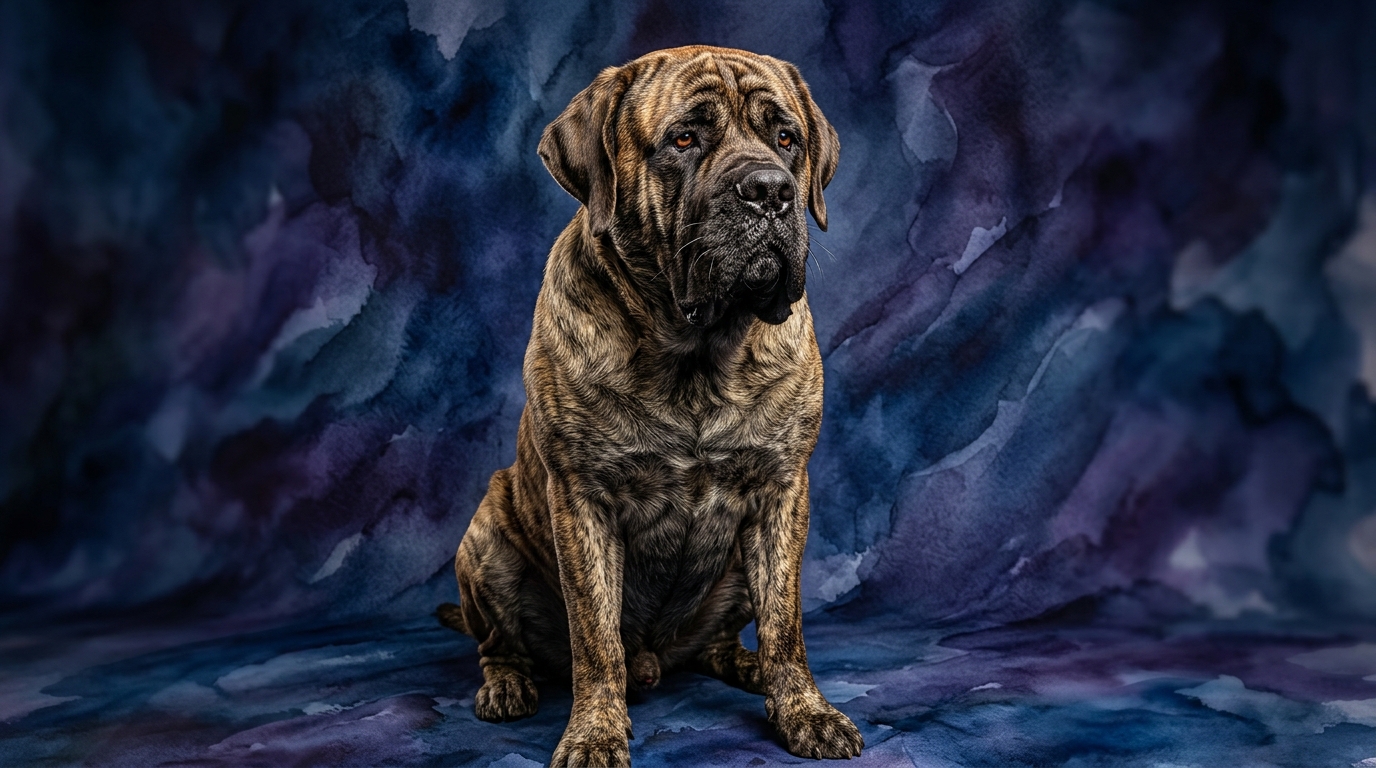
Side-by-Side Cognitive Profiles: Basenji vs. Mastiff
The Cosmic Pet Pet IQ Lab assesses canine intelligence across five critical dimensions, providing a nuanced understanding beyond simple obedience. For the Basenji, a Hound breed with a Coren rank of #78, its cognitive profile paints a picture of independent thought and strong instinct. Their Problem Solving capability scores an impressive 5/5, indicating a dog adept at figuring out complex situations and often devising their own solutions. However, this ingenuity comes with a Training Speed of 1/5, reflecting a self-willed nature that can make conventional obedience work a significant challenge. Social Intelligence for the Basenji is rated 3/5, suggesting a capacity for bonding deeply with their chosen family but often maintaining a reserved demeanor with strangers. Their Instinctive Drive is exceptionally high at 5/5, highlighting a powerful connection to their ancestral hunting behaviors, particularly sight and scent tracking. Finally, Basenjis demonstrate a Memory score of 4/5, meaning they retain learned information and recall experiences quite effectively.
In contrast, the Mastiff, a Working breed with a slightly higher Coren rank of #72, presents a more balanced and often cooperative cognitive profile. Their Problem Solving ability is rated 3/5, indicating they can learn and adapt, but are less inclined to independent strategizing compared to the Basenji. The Mastiff's Training Speed is 3/5, signifying a moderate willingness to cooperate and respond to consistent instruction, making them more amenable to standard training protocols. Social Intelligence also stands at 3/5, as Mastiffs typically form strong, affectionate bonds with their families while often displaying a calm, watchful reservation towards unfamiliar individuals. Their Instinctive Drive is 3/5, reflecting a protective rather than a predatory nature, with less emphasis on hunting behaviors. Lastly, the Mastiff's Memory score is 3/5, showing they are capable of retaining training and social cues, though perhaps requiring more repetition for complex tasks than their Basenji counterparts.
Where the Basenji's Mind Shines Brighter
The Basenji's cognitive strengths are particularly pronounced in areas demanding independent thought and the application of inherent drives. Their Problem Solving score of 5/5 is a standout, indicating a remarkable ability to assess situations and formulate solutions without direct human guidance. This manifests in behaviors like cleverly opening latches, navigating complex environments, or strategizing to obtain desired objects. Owners often report Basenjis demonstrating a cunning resourcefulness, transforming household items into tools or finding unexpected ways to achieve their goals, a testament to their exceptional cognitive flexibility. This problem-solving prowess is deeply intertwined with their high Instinctive Drive (5/5). Originating as African hunting dogs, Basenjis possess an innate capacity for observation, tracking, and independent decision-making in the field. This drive translates into intense focus when engaged in activities that tap into their natural instincts, making them formidable participants in scent work or lure coursing where their ancestral skills are paramount.
Furthermore, the Basenji's Memory, rated at 4/5, surpasses the Mastiff's, allowing them to retain complex information and recall past experiences with notable clarity. This means a Basenji remembers training cues, household routines, and the consequences of their actions (or misactions) over extended periods. While their Training Speed is low, their good memory ensures that once a concept is truly understood and accepted, it is likely to stick. This superior recall can be a double-edged sword: they remember where the treats are hidden and also past negative experiences, which can influence their future cooperation. This combination of high problem-solving, strong instinctive drive, and solid memory makes the Basenji a compelling study in autonomous canine cognition.
Where the Mastiff's Cognitive Strengths Lie
While the Basenji excels in independent problem-solving, the Mastiff's cognitive profile highlights strengths in areas that foster a more harmonious partnership with their human companions. The Mastiff's Training Speed of 3/5 is a significant advantage over the Basenji's 1/5. This moderate score indicates a greater willingness to engage with and respond to human instruction, making them generally more receptive to training efforts. Their steady temperament and desire to please their family mean they often approach learning with a calm focus, absorbing commands and routines without the strong independent streak seen in Basenjis. This difference in trainability makes the Mastiff a more straightforward candidate for obedience training, public manners, and complex tasks that require consistent cooperation.
The Mastiff's balanced scores across Problem Solving (3/5), Social Intelligence (3/5), Instinctive Drive (3/5), and Memory (3/5) contribute to a predictable and stable cognitive foundation. Their moderate Problem Solving capability means they can adapt to new situations and learn from experience, but they are less likely to constantly test boundaries through creative mischief. Their Instinctive Drive, while not as intense as the Basenji's, is channeled more towards protection and companionship, making them reliable guardians rather than relentless hunters. The slightly higher Coren rank of #72 also suggests a general aptitude for understanding and executing commands more readily than the Basenji. This overall cognitive balance makes the Mastiff a steadfast and reliable companion, less prone to the spontaneous, self-directed behaviors that characterize some highly independent breeds.
Training Dynamics: Effort with a Basenji vs. a Mastiff
The disparity in Training Speed between the Basenji (1/5) and the Mastiff (3/5) fundamentally shapes the training experience for prospective owners. A Basenji's training journey demands immense patience, creativity, and a deep understanding of their independent nature. Their low training speed is not an indicator of inability to learn, but rather a reflection of their strong will and preference for self-direction over human directives. Basenjis respond best to training methods that make learning a game, offer high-value rewards, and are consistently varied to prevent boredom. Owners must contend with their high Instinctive Drive (5/5), which means a Basenji’s attention can easily be diverted by a squirrel, a scent, or any perceived prey, making recall particularly challenging in unfenced areas. Their intelligence allows them to understand what is being asked, but their independent spirit often leads them to weigh whether compliance serves their immediate interest.
Conversely, training a Mastiff, while still requiring consistency, tends to be a more cooperative endeavor. Their 3/5 Training Speed means they are generally receptive to positive reinforcement and clear, consistent commands. Mastiffs typically possess a calmer demeanor and a stronger desire to please their family, which translates into a more focused and willing participant in training sessions. While they may not grasp concepts with the immediate spark of a Basenji's problem-solving mind, their steady learning pace and lower Instinctive Drive (3/5) mean they are less likely to be distracted by environmental stimuli. Their larger size necessitates early and consistent training for manners and leash behavior, but their cognitive profile makes this a manageable task for most dedicated owners, especially compared to the persistent challenges of motivating a Basenji to comply.
Matching Minds to Lifestyles: Active vs. Relaxed Owners
The distinct cognitive profiles of the Basenji and Mastiff naturally align with different owner lifestyles. The Basenji, with its 5/5 Problem Solving and 5/5 Instinctive Drive, thrives with active, mentally engaging owners who appreciate and can channel their dog's independent spirit. These are dogs that benefit from puzzle toys, advanced obedience, agility, or scent work, activities that challenge their intellect and satisfy their deep-seated drives. An owner who enjoys outdoor adventures, can provide secure environments (due to their escape artistry and prey drive), and is prepared for a companion that thinks for itself will find the Basenji a stimulating partner. They are not dogs content to be simply decorative; their minds require constant interaction and enrichment to prevent boredom-induced mischief. Owners must be prepared to invest significant time in creative engagement and consistent, positive training to foster a strong bond with this self-possessed breed.
The Mastiff, with its balanced 3/5 scores across most cognitive dimensions, is better suited for owners seeking a calm, loyal, and generally more predictable companion. While they still benefit from mental stimulation, their needs are less intense and more aligned with routine and gentle guidance. Owners who lead a more relaxed lifestyle, enjoy leisurely walks, and appreciate a large, affectionate presence will find the Mastiff a wonderful fit. Their moderate Training Speed means they respond well to consistent, reward-based training, making them suitable for owners who might not have extensive experience with highly independent breeds. A Mastiff’s cognitive makeup supports their role as a devoted family member and a watchful, protective presence, without the constant need for complex challenges that a Basenji's mind demands. They are content with a comfortable home, regular interaction, and clear, consistent boundaries.
The Verdict: When to Choose Each
The Verdict
Choose a Basenji if you are an experienced, active owner who relishes a cognitive challenge, can provide consistent mental stimulation, and embraces a highly independent, resourceful companion.
Opt for a Mastiff if you desire a calm, loyal, and protective family member who responds well to consistent training and a more relaxed, predictable home environment.
🧠 Find Your Pet's IQ Score
Our Pet IQ Lab assessment covers 25+ tests across 5 cognitive dimensions — personalized to your breed.
Take the Full IQ Test →Frequently Asked Questions
Are Basenjis difficult to train?
Basenjis have a Training Speed of 1/5, indicating they are generally challenging to train due to their independent nature and strong will. They understand commands but often choose whether to comply based on their own assessment of the situation, requiring creative and patient approaches.
Do Mastiffs make good family pets?
Yes, Mastiffs can be excellent family pets, scoring 3/5 in Social Intelligence and having a protective Instinctive Drive. They are typically affectionate with their families, calm, and patient, though their large size requires early socialization and training to ensure good manners.
Which breed is better for a first-time dog owner?
Given their cognitive profiles, the Mastiff (Training Speed 3/5, balanced drives) is generally a more suitable choice for a first-time dog owner due to their greater willingness to cooperate in training. The Basenji's extreme independence and low training speed (1/5) often require a more experienced hand.