Side-by-Side IQ Profile: Basenji vs. Neapolitan Mastiff
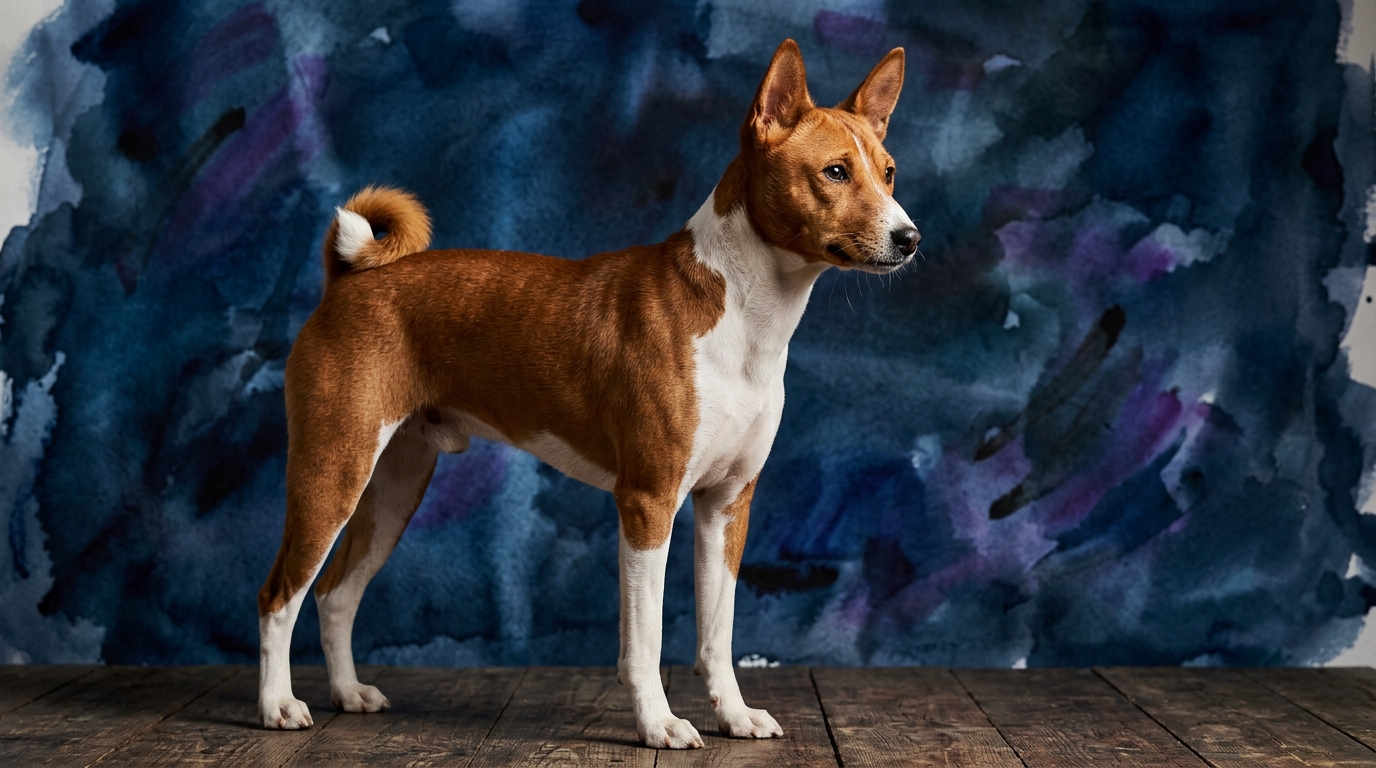
The Cosmic Pet Pet IQ Lab employs five key dimensions to evaluate a breed's cognitive strengths, offering a nuanced perspective beyond simple obedience. For the Basenji, a Hound group member with a Coren rank of #78, these dimensions paint a picture of an independent and sharp-witted dog. Their Problem Solving is rated at an impressive 5/5, indicating a strong capacity for independent thought and creative solutions to environmental challenges. However, their Training Speed is a low 1/5, reflecting a breed often described as challenging to motivate through traditional methods. Social Intelligence stands at 3/5, suggesting they understand social cues but might not always prioritize human directives over their own inclinations. Their Instinctive Drive is a powerful 5/5, a testament to their ancient hunting heritage, while Memory is strong at 4/5, meaning they retain information well, for better or worse.
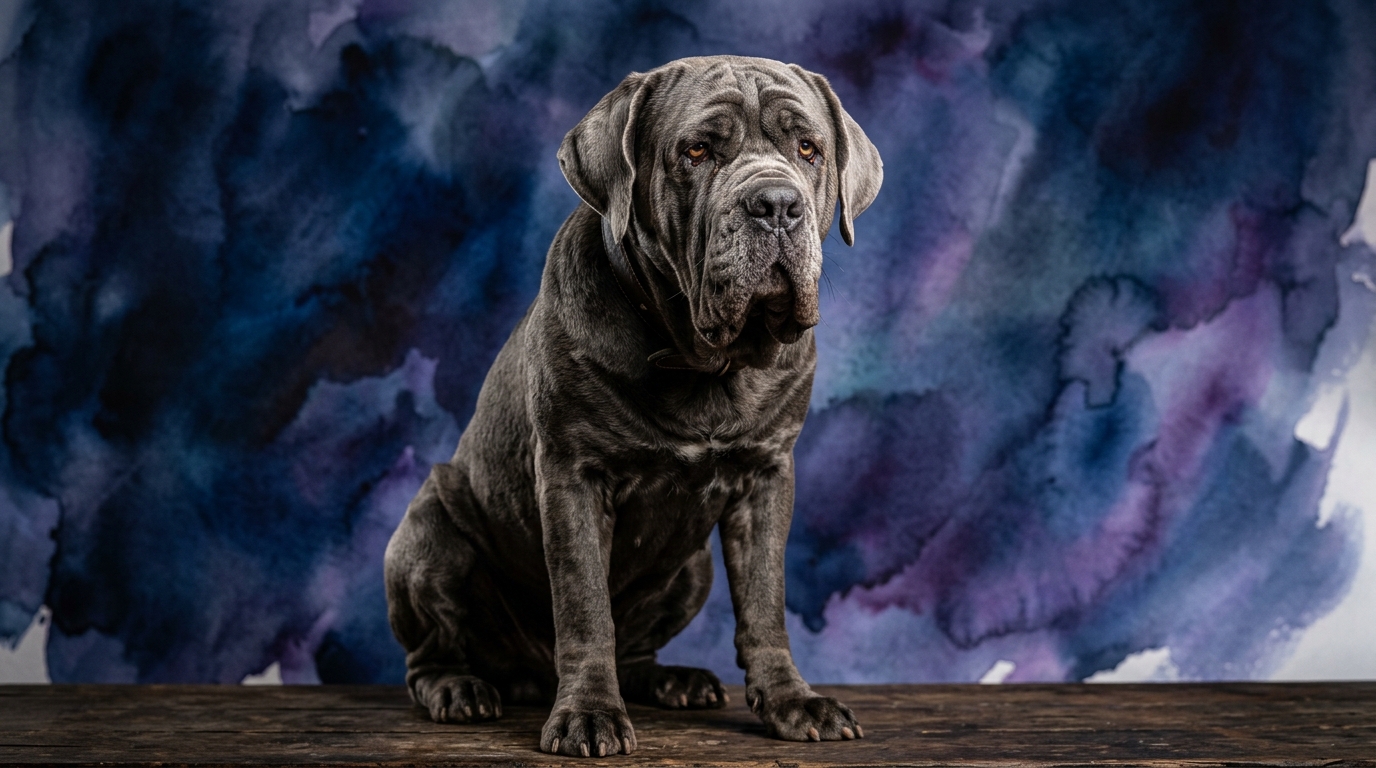
In contrast, the Neapolitan Mastiff, a Working group member not included in Coren's ranking system, presents a more balanced, albeit less extreme, cognitive profile. Their Problem Solving is rated 3/5, indicating a moderate ability to navigate novel situations without extensive human intervention. Their Training Speed is also 3/5, suggesting they are reasonably receptive to learning and establishing routines. Social Intelligence matches the Basenji at 3/5, implying an understanding of human and canine social structures, often expressed through their protective instincts. Instinctive Drive is likewise 3/5, present but not overwhelming, fitting for a guardian breed whose primary role is presence rather than active pursuit. Memory also scores 3/5, allowing them to learn and remember commands and routines adequately.
Where the Basenji Excels Cognitively
The Basenji’s cognitive prowess shines brightest in areas demanding independent thought and innate drive. Their 5/5 Problem Solving score means they are adept at figuring out how to get what they want, whether it's opening a gate, reaching a counter-top treat, or devising a strategy to pursue a scent. This isn't about following commands; it's about active, self-directed mental effort. Owners frequently report Basenjis bypassing obstacles with inventive flair, a direct manifestation of this high cognitive function. This capacity for self-directed problem-solving often translates into a dog that requires constant mental engagement to prevent them from creating their own, potentially mischievous, entertainment.
Furthermore, their 5/5 Instinctive Drive is not merely a physical trait but a cognitive one. It reflects a deeply ingrained mental framework for hunting, tracking, and exploring. This drive fuels their curiosity and provides a powerful internal motivation that guides their actions, often overriding external commands. Paired with their 4/5 Memory, a Basenji remembers past successes in problem-solving and hunting endeavors, reinforcing behaviors that serve their innate drives. For instance, if they successfully escape a yard once, they will remember the method and likely attempt it again, demonstrating the synergy between their memory and problem-solving skills in pursuit of their instincts.
Where the Neapolitan Mastiff Finds its Cognitive Strengths
While the Neapolitan Mastiff may not boast the extreme problem-solving or instinctive drives of the Basenji, their cognitive strengths lie in their balanced and consistent nature. Their 3/5 Training Speed is a notable advantage over the Basenji's 1/5, indicating a more amenable disposition towards learning and responding to human instruction. This moderate receptiveness makes them more straightforward to guide through basic obedience and household rules, requiring less intensive, creative training approaches than their Basenji counterparts. They are generally more willing to engage in cooperative learning rather than constantly challenging directives.
The Neapolitan Mastiff's 3/5 Social Intelligence, combined with their 3/5 Instinctive Drive, fosters a stable and predictable temperament that is highly valued in a guardian breed. Their instinctive drive is focused on protection and presence rather than independent hunting, which means their cognitive energy is directed towards observing and assessing their environment for potential threats. This balanced drive prevents the high-energy, often disruptive, pursuit behaviors seen in breeds with extreme instinctive drives. Their 3/5 Memory allows them to reliably recall learned behaviors and recognize familiar faces, contributing to their role as a steadfast and dependable family protector, without the intense, often challenging, cognitive independence of the Basenji.
Training Dynamics: Basenji vs. Neapolitan Mastiff
When it comes to training, the Basenji and Neapolitan Mastiff present vastly different experiences, primarily due to their disparate Training Speed scores. The Basenji's 1/5 Training Speed is not an indicator of inability to learn, but rather a reflection of their independent spirit and a perceived lack of motivation to comply with human commands if they don't see immediate benefit or if it conflicts with their powerful 5/5 Instinctive Drive. This means Basenjis often require highly engaging, positive reinforcement methods, short sessions, and immense patience. Their keen Problem Solving (5/5) can sometimes be a double-edged sword in training; they might outsmart the trainer or find more rewarding activities than the task at hand. Behavioral differences include a tendency towards selective hearing when a compelling scent or sight takes precedence, making recall particularly challenging.
Conversely, the Neapolitan Mastiff's 3/5 Training Speed signifies a more cooperative and less independently driven learner. They are generally more eager to please and respond well to consistent, calm guidance. While they may not grasp concepts as quickly as some of the top-ranked breeds, their willingness to engage and their less intense instinctive drives make them more predictable. Their behavioral pattern leans towards a desire for routine and stability, which aids in training. They are less likely to be distracted by environmental stimuli to the same extent as a Basenji, allowing for more focused training sessions. Early socialization and consistent, firm yet gentle training are crucial for a Neapolitan Mastiff to develop into a well-mannered giant, capitalizing on their moderate social intelligence and amiable nature.
Matching Breeds to Lifestyles: Active vs. Relaxed Owners
The cognitive profiles of these two breeds dictate their suitability for different owner lifestyles. The Basenji, with its 5/5 Problem Solving and 5/5 Instinctive Drive, thrives with active, experienced owners who can provide consistent mental and physical challenges. Owners who enjoy puzzle toys, advanced trick training, scent work, or agility (despite their stubbornness) will find a partner in the Basenji. Their independent nature means they are not a 'velcro' dog, making them suitable for individuals who appreciate a companion with a strong sense of self and are prepared to manage a dog that consistently thinks for itself. A relaxed owner who expects passive companionship will quickly become overwhelmed by a Basenji's need for engagement and propensity for self-directed activity.
The Neapolitan Mastiff, with its more balanced 3/5 scores across most cognitive dimensions, is better suited for owners seeking a calm, steadfast companion and a protective presence. While they require regular, moderate exercise for their physical health, their mental needs are less about constant problem-solving and more about routine, companionship, and a clear understanding of their role within the family. Relaxed owners who appreciate a dignified, less demanding canine presence will find a loyal friend in the Neapolitan Mastiff. Their moderate instinctive drive means they are less prone to chasing wildlife or exploring independently, making them generally easier to manage in a home environment, provided they receive proper socialization and consistent guidance to channel their protective instincts appropriately.
The Verdict
Choose a Basenji if you are an active, experienced owner who appreciates a highly independent, problem-solving companion and is prepared for significant mental and physical engagement.
Opt for a Neapolitan Mastiff if you seek a calm, loyal, and protective companion for a more relaxed lifestyle, valuing consistency and a less mentally demanding canine presence.
🧠 Find Your Pet's IQ Score
Our Pet IQ Lab assessment covers 25+ tests across 5 cognitive dimensions — personalized to your breed.
Take the Full IQ Test →Frequently Asked Questions
Is the Basenji truly difficult to train?
The Basenji's 1/5 training speed reflects their independent nature and strong instinctive drives, making traditional obedience challenging. They learn readily but often choose whether to comply, requiring patient, creative, and highly motivating training methods from their owners.
Do Neapolitan Mastiffs require a lot of exercise?
Neapolitan Mastiffs require moderate, consistent exercise to maintain their health and prevent obesity, but they are not high-energy dogs. Their cognitive profile suggests they thrive on routine and companionship more than intense physical or mental stimulation, fitting a more relaxed pace.
Which breed is better for a first-time dog owner?
Given the Basenji's extreme independence, high problem-solving, and low training speed, they are generally not recommended for first-time owners. The Neapolitan Mastiff's more balanced cognitive profile and higher training speed make them a more manageable, though still substantial, choice for an experienced or dedicated first-time owner willing to commit to consistent training and socialization.