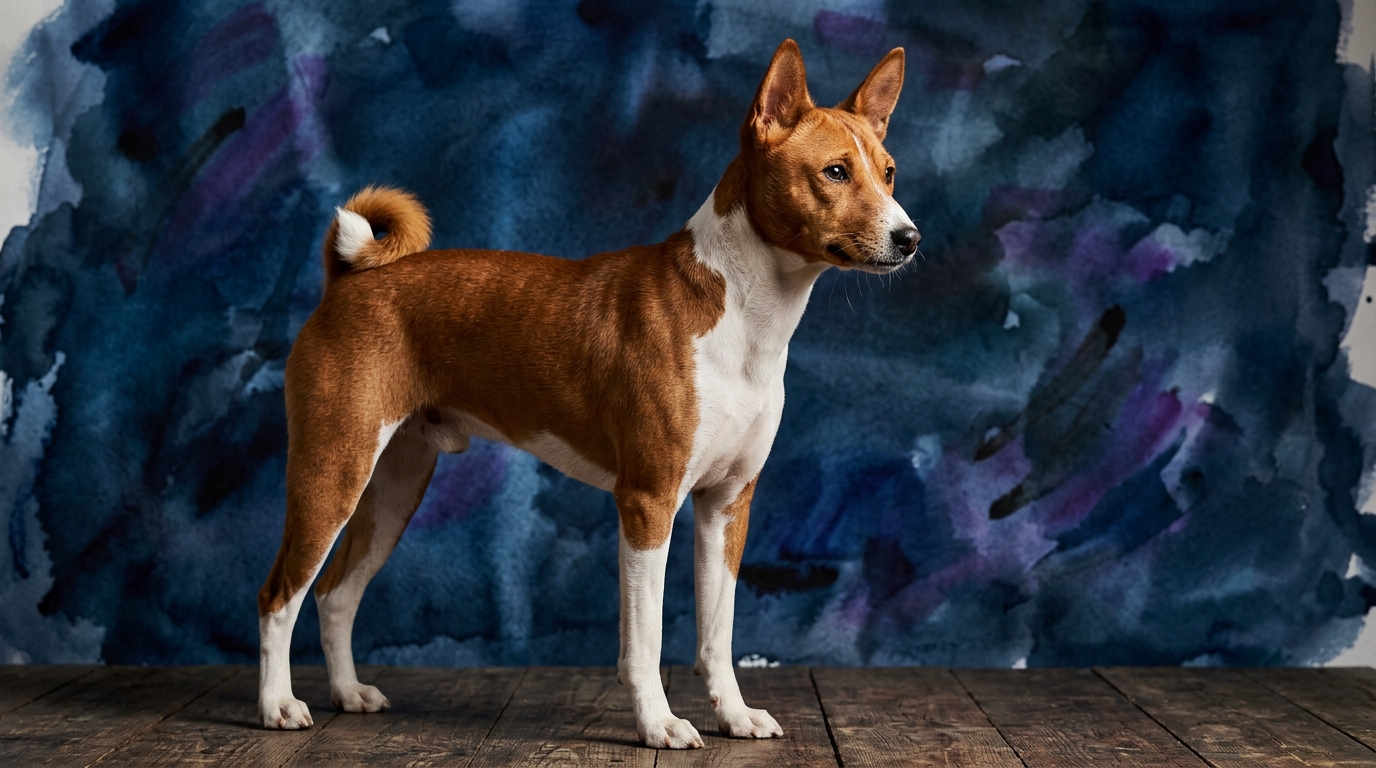
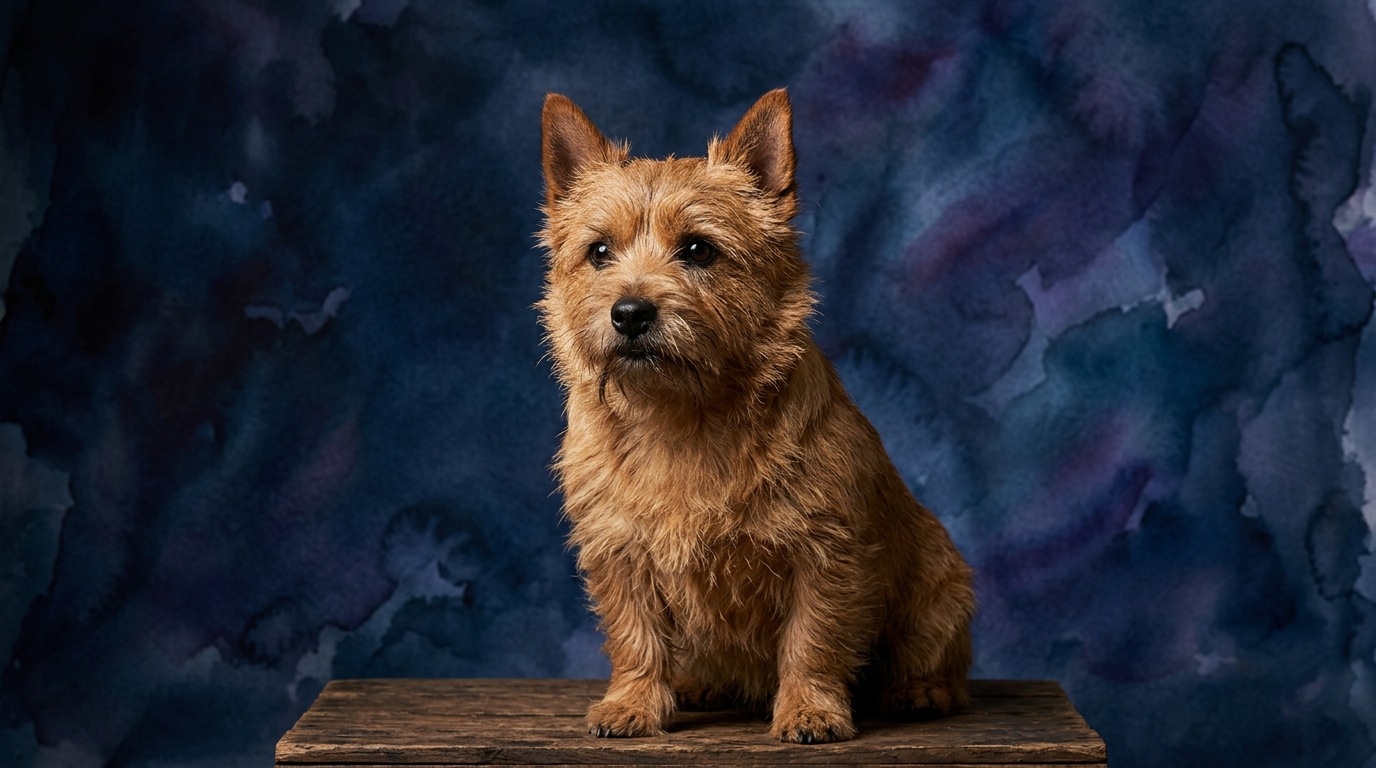
Side-by-Side Cognitive Profiles: Basenji vs. Norwich Terrier
The Basenji, a sighthound originating from central Africa, presents a unique cognitive profile. Their Problem Solving is rated 5/5, indicating a remarkable capacity for independent thought and figuring out complex situations, often without human direction. Training Speed, however, stands at a low 1/5, reflecting their independent nature and a general disinterest in repetitive, human-initiated tasks. Social Intelligence is 3/5, suggesting they understand social cues but might prioritize their own agenda. Their Instinctive Drive is a powerful 5/5, fueling their strong prey drive and need for mental and physical exertion. Finally, their Memory is 4/5, enabling them to retain information about their environment and past experiences effectively.
The Norwich Terrier, a plucky British terrier, offers a more balanced cognitive spread. Their Problem Solving is rated 3/5, indicating a competent ability to navigate challenges, though perhaps less inventively than a Basenji. Training Speed is 3/5, suggesting they are reasonably receptive to training and capable of learning commands at a moderate pace. Social Intelligence also scores 3/5, meaning they are generally aware of and responsive to social dynamics within their family unit. Their Instinctive Drive is 3/5, reflecting a typical terrier's drive for hunting vermin but without the overwhelming intensity seen in some sighthounds. Their Memory is 3/5, allowing them to recall learned behaviors and routines adequately.
Where the Basenji Excels Cognitively
The Basenji clearly excels in raw Problem Solving and Instinctive Drive, both rated 5/5. This breed demonstrates an exceptional aptitude for independent decision-making, often finding ingenious ways to overcome obstacles, such as opening latched doors or scaling fences. Their problem-solving isn't about pleasing a handler but about achieving their own goals, whether accessing food or escaping confinement. This high instinctive drive manifests as intense focus when pursuing a scent or visual target, showcasing a deep-seated connection to their ancestral hunting roles. Furthermore, their 4/5 Memory allows them to remember these successful problem-solving strategies and environmental layouts, making them adept at navigating complex territories and repeating effective behaviors. This combination makes them formidable independent thinkers, capable of complex strategic planning for their own purposes.
Where the Norwich Terrier Shows Cognitive Strengths
While the Basenji shines in independent problem-solving, the Norwich Terrier holds an advantage in areas that foster cooperative living, particularly Training Speed, rated 3/5. This moderate score indicates a willingness and capacity to engage with human instruction, making them generally more amenable to learning basic obedience and tricks compared to the Basenji's 1/5. Their balanced 3/5 scores across Problem Solving, Social Intelligence, Instinctive Drive, and Memory suggest a more adaptable and less single-minded cognitive profile. This means they are less likely to be overwhelmed by a singular, intense drive and more capable of integrating various cognitive functions to respond appropriately to different situations. Their competence in social intelligence and memory, combined with their training speed, enables them to form stronger, more compliant working partnerships with their owners.
Training Ease: Basenji vs. Norwich Terrier
Without a doubt, the Norwich Terrier is significantly easier to train than the Basenji. The data shows the Norwich with a Training Speed of 3/5, a perfectly respectable score, while the Basenji lags at 1/5. This stark difference stems directly from their inherent behavioral tendencies. Norwich Terriers, despite their terrier tenacity, generally possess a desire to please their owners and are motivated by positive reinforcement, making them responsive to commands and eager to learn. Their moderate instinctive drive means their focus can be more readily directed towards human interaction during training sessions. In contrast, Basenjis are notoriously independent and self-willed. Their powerful instinctive drive and high problem-solving capacity are geared towards achieving their own objectives, not necessarily following human directives. They often see little intrinsic value in repetitive obedience exercises and require immense patience, creativity, and highly rewarding incentives to engage, often performing tasks only if they perceive a clear benefit to themselves. Their independent nature means they can appear stubborn or aloof during training, making progress slow and challenging for the inexperienced owner.
Matching Canine Cognition to Owner Lifestyles
The Basenji, with its 5/5 Instinctive Drive and 5/5 Problem Solving, is unequivocally suited for active owners who can provide consistent, engaging outlets for its considerable mental and physical energy. These dogs thrive on activities that challenge their intellect and harness their natural drives, such as lure coursing, scent work, or advanced agility. A relaxed owner who cannot meet these needs will likely encounter a Basenji inventing its own 'problems' to solve, which often translates into destructive behaviors or escape attempts. The Norwich Terrier, possessing a more moderate 3/5 Instinctive Drive and 3/5 Problem Solving, offers greater flexibility. While they certainly enjoy activity and benefit from regular exercise, they are generally content with daily walks, play sessions, and interactive toys. They can adapt more readily to a somewhat relaxed owner who still provides consistent engagement but perhaps not with the intense, specialized focus a Basenji demands. Their balanced profile makes them suitable for active families who enjoy regular outdoor adventures, but also for those who appreciate quieter evenings at home.
The Verdict
Opt for a Basenji if you are an experienced, highly active owner who thrives on intellectual challenges, appreciates an independent thinker, and is prepared to dedicate significant time to unique training methodologies and stimulating activities that channel their intense instinctive drives and problem-solving prowess.
Select a Norwich Terrier if you desire a competent, cooperative companion who learns readily, integrates well into family life, and offers a balanced blend of playful energy and affectionate companionship, suitable for owners who enjoy moderate activity and a more straightforward training experience.
🧠 Find Your Pet's IQ Score
Our Pet IQ Lab assessment covers 25+ tests across 5 cognitive dimensions — personalized to your breed.
Take the Full IQ Test →Frequently Asked Questions
Are Basenjis truly difficult to train?
Yes, Basenjis are rated 1/5 for Training Speed due to their independent nature and strong self-will. They require highly creative, positive reinforcement-based training from patient owners who understand their motivation often lies in self-interest rather than a desire to please.
Do Norwich Terriers need a lot of mental stimulation?
Norwich Terriers have a 3/5 rating for Problem Solving and Instinctive Drive, meaning they benefit from regular mental stimulation like puzzle toys, training sessions, and varied walks to keep them engaged, but their needs are generally less intense than a Basenji's.
Which breed is better for a first-time dog owner?
Given the Basenji's challenging training speed and intense independent drives, the Norwich Terrier, with its more balanced and cooperative cognitive profile, would generally be a more suitable choice for a first-time dog owner looking for a manageable and rewarding experience.