Side-by-Side IQ Profile: Basenji vs. Puli
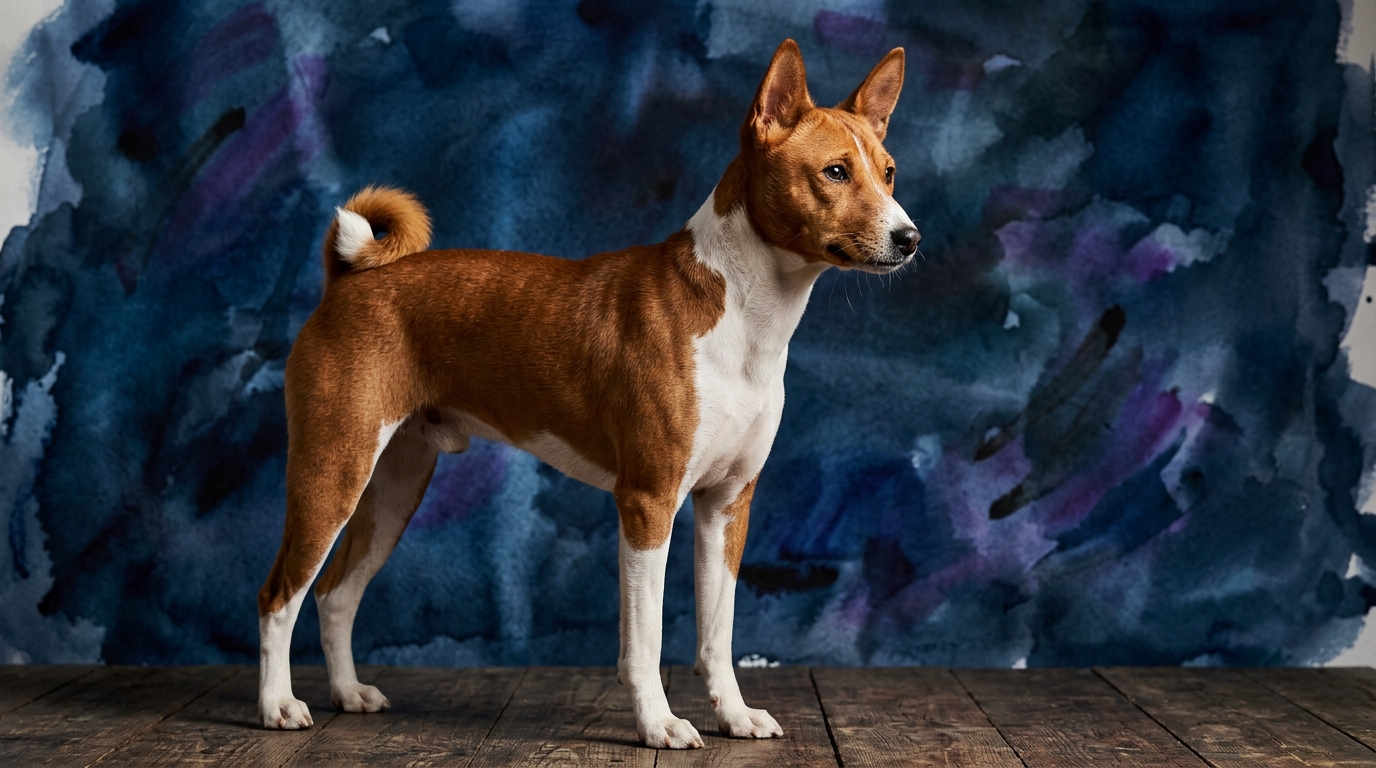
The Cosmic Pet Pet IQ Lab employs five critical dimensions to assess canine intelligence, moving beyond simple obedience to explore the nuances of each breed's mind. For the Basenji, a Hound breed with a Coren rank of #78, their profile paints a picture of independent ingenuity. They boast an exceptional Problem Solving score of 5/5, indicating a mind that thrives on finding unconventional solutions, often to their own benefit. However, their Training Speed is a modest 1/5, reflecting a strong self-will. Social Intelligence sits at 3/5, suggesting discerning but capable interactions, while their Instinctive Drive is a powerful 5/5, a testament to their deep hunting heritage. Finally, their Memory is robust at 4/5, allowing them to recall complex sequences and experiences.
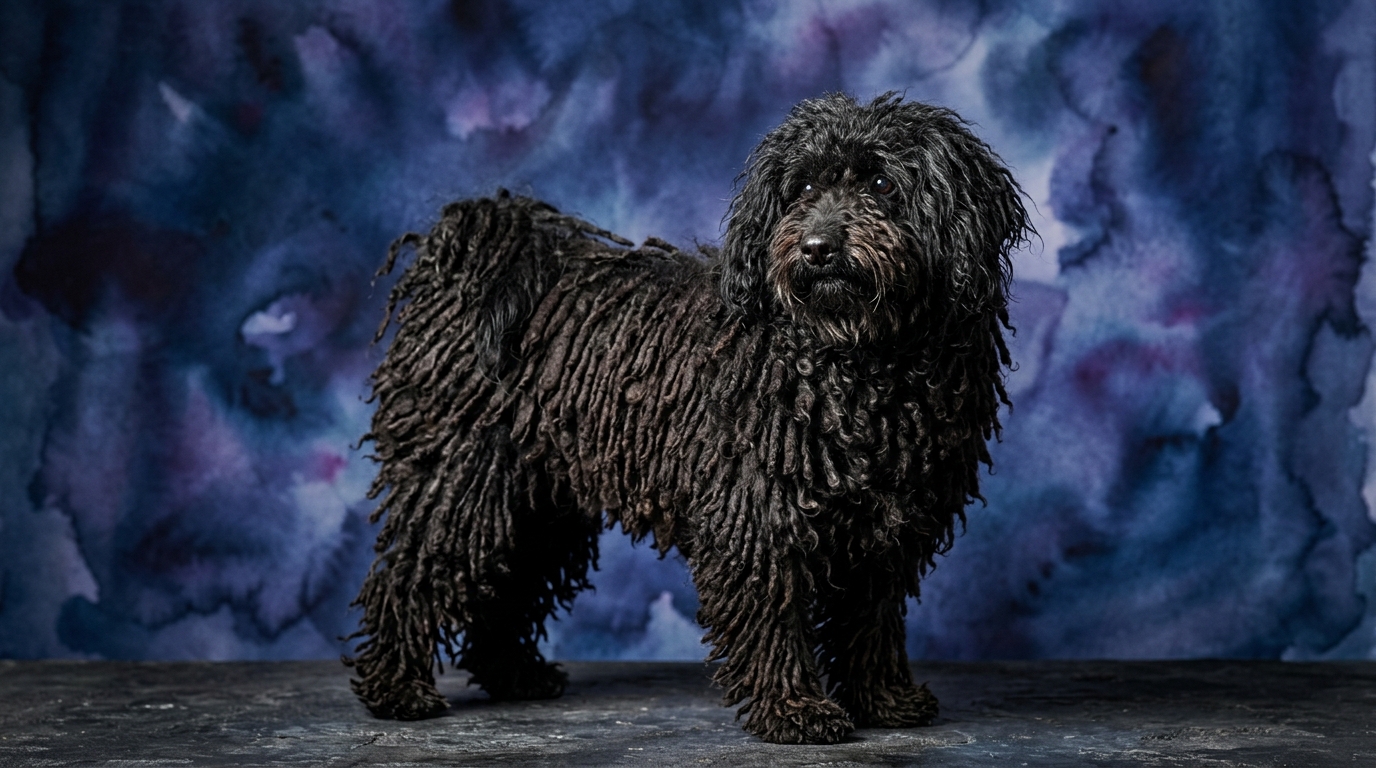
In contrast, the Puli, a Herding breed ranked #25 by Coren, presents a different cognitive blueprint. Their Problem Solving ability is a commendable 4/5, showcasing a strategic mind adept at navigating complex situations, particularly in a working context. Where they truly shine is in Training Speed, scoring an impressive 4/5, highlighting their eagerness to learn and cooperate. Similar to the Basenji, their Social Intelligence is rated 3/5, implying strong bonds with their inner circle but a watchful reserve towards strangers. Their Instinctive Drive, primarily focused on herding and protection, is a solid 3/5, and their Memory matches the Basenji's at 4/5, ensuring consistent recall of learned behaviors and social cues.
Where the Basenji Excels Cognitively
The Basenji's cognitive prowess truly shines in its unparalleled Problem Solving ability (5/5). This breed is a master of independent thought, often devising ingenious methods to achieve its goals, whether it's opening child-proof gates, manipulating latches, or discovering hidden stashes of treats. Their solutions are frequently creative and demonstrate a profound understanding of cause and effect, even if it's not always in line with human expectations. This isn't just about figuring out a puzzle; it's about persistent, self-motivated ingenuity.
Furthermore, the Basenji's Instinctive Drive (5/5) is a force to be reckoned with. This isn't merely an urge; it's a deep-seated, intrinsic motivation rooted in their ancient hunting heritage. This powerful drive translates into an intense focus when scenting prey or exploring new territories, making them relentless and determined. While it can be channeled into activities like lure coursing or scent work, this powerful inner compass means they are often driven by their own instincts rather than human directives, showcasing a self-reliant cognitive framework.
Where the Puli Demonstrates Superiority
The Puli's most significant cognitive advantage lies in its remarkable Training Speed (4/5). This breed exhibits a genuine eagerness to learn and cooperate, quickly grasping new commands and complex sequences. Their herding background has honed a responsive mind that thrives on partnership and purpose, making them highly receptive to instruction. This fast learning curve and willingness to engage actively in training distinguish them sharply from the Basenji, facilitating a smoother and more rewarding training experience for owners.
Additionally, the Puli's higher Coren rank (#25 compared to Basenji's #78) suggests a broader operational intelligence in human-directed tasks. This indicates a greater capacity for understanding and consistently obeying new commands, reflecting a mind that processes and applies learned information with greater reliability. While both breeds have strong memory (4/5), the Puli’s superior training speed and higher Coren ranking mean their memory is more readily applied to structured, cooperative tasks, making them more adaptable to diverse environments and owner expectations through learned behaviors.
Ease of Training: Behavioral Differences
When it comes to ease of training, the Puli unequivocally holds the advantage. Their 4/5 Training Speed is a direct reflection of their cooperative nature and historical role as working dogs. Pulik are bred to work in partnership with humans, responding to commands and adapting to changing situations within a herding context. They are generally responsive to positive reinforcement, quickly connecting actions with rewards and showing a genuine desire to please their owners. Their inherent drive to participate makes them enthusiastic learners in obedience, agility, and other canine sports, readily integrating new commands into their behavioral repertoire.
The Basenji, conversely, presents a considerably steeper training challenge, highlighted by their 1/5 Training Speed. Their independent spirit and high problem-solving ability mean they are not inherently motivated to 'please' in the traditional sense; rather, they are motivated by what benefits them. A Basenji will often evaluate a command, deciding if it aligns with their current desires or if there's a more interesting alternative. This isn't a lack of intelligence, but a profound self-reliance. Training a Basenji requires immense patience, creativity, and consistency, often necessitating that the owner make training feel like an irresistible game or make the desired action seem like the Basenji's own brilliant idea. Their strong memory means they recall past 'forbidden' activities, and their high instinctive drive can easily override commands if a more compelling scent or sight emerges.
Matching Canine Cognition to Lifestyles
The distinct cognitive profiles of the Basenji and Puli mean they thrive in different household environments and with varying owner personalities. For active owners who relish a challenge and appreciate an independent, resourceful companion, the Basenji can be an incredibly rewarding choice. Their high instinctive drive and problem-solving prowess mean they require significant mental and physical engagement to prevent boredom and channeling their intelligence into mischief. Owners who enjoy activities like lure coursing, scent work, or long, exploratory hikes where the Basenji can follow its nose, will find a compatible partner. This breed suits those who understand and respect a dog's profound self-sufficiency and are prepared to engage with a clever, sometimes defiant, mind.
Conversely, the Puli is an excellent fit for owners who appreciate a responsive, engaged, and trainable companion that enjoys learning and active participation in family life. While Pulik are energetic and require regular exercise, their cognitive makeup makes them highly adaptable to structured activities such as obedience, agility, or rally. They excel with owners who enjoy teaching new tricks and commands, and who can provide consistent mental stimulation through training and interactive play. Their cooperative nature means they are generally less likely to create their own 'entertainment' through destructive independence, making them suitable for owners who prefer a dog that readily integrates into routines and seeks to work alongside its human companions, even if they are more relaxed about extreme sports.
The Verdict
Choose the Basenji if you are an experienced, patient owner who values an independent, resourceful companion and enjoys the intellectual challenge of a dog that thinks for itself. Be prepared for a persistent, clever mind that requires consistent, creative engagement.
Opt for the Puli if you desire a responsive, trainable partner eager to learn and participate in family life, excelling in structured activities. Their cooperative nature and quick grasp of commands make them a rewarding choice for owners seeking a mentally agile and engaged companion.
🧠 Find Your Pet's IQ Score
Our Pet IQ Lab assessment covers 25+ tests across 5 cognitive dimensions — personalized to your breed.
Take the Full IQ Test →Frequently Asked Questions
Do Basenjis and Pulik get along with other pets?
Both breeds have a moderate social intelligence (3/5), meaning they can coexist with other pets if properly socialized from a young age. Basenjis' high prey drive requires careful introduction to smaller animals, while Pulik tend to be watchful but less predatory towards existing household members.
Are Basenjis or Pulik better for first-time dog owners?
The Puli, with its 4/5 Training Speed and cooperative nature, is generally a more forgiving choice for first-time owners willing to commit to consistent training and mental stimulation. The Basenji's 1/5 Training Speed and strong independence make it a significant challenge, better suited for experienced individuals prepared for its unique cognitive demands.
How do their memory scores (4/5 for both) impact daily life?
Both breeds possess excellent memory, remembering commands, routines, and experiences. For Basenjis, this means they recall past 'escapades' and learn from consequences (or lack thereof), while for Pulik, it translates to reliable retention of training, quick mastery of complex tasks, and a strong understanding of household rules and social interactions.