Side-by-Side IQ Profile: Basenji vs. Saluki
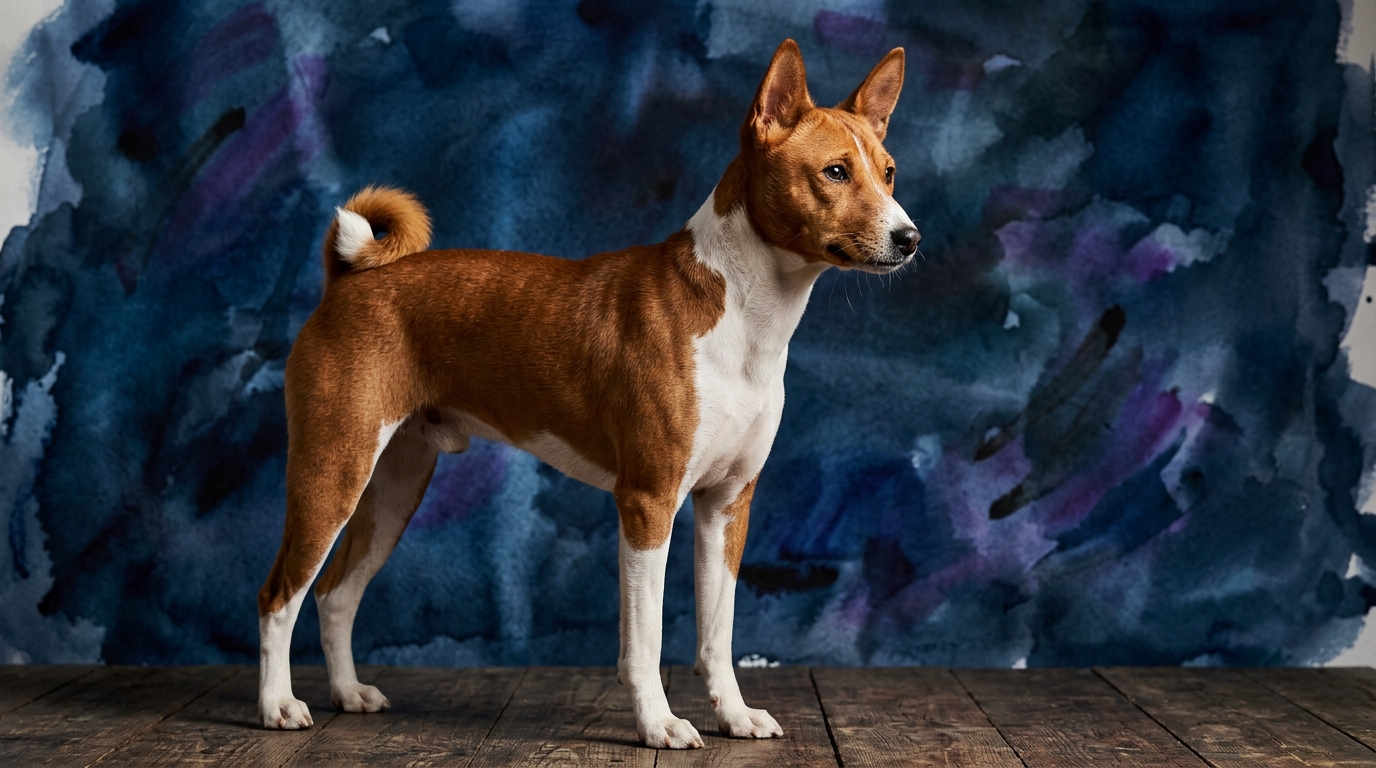
The Basenji, a distinct hound, showcases a remarkable cognitive blueprint. Its Problem Solving is rated 5/5, indicating a profound capacity for independent thought and innovative solutions to environmental puzzles, often devising unconventional ways to achieve goals. However, its Training Speed is a challenging 1/5, reflecting a strong will and low eagerness to please that demands immense owner patience. Social Intelligence sits at 3/5, as they are often reserved and selective with affection, preferring a trusted inner circle. An Instinctive Drive of 5/5 means they are profoundly motivated by hunting and tracking, displaying an intense prey drive and innate need for exploration. Memory is strong at 4/5, retaining experiences and problem-solving successes quite well.
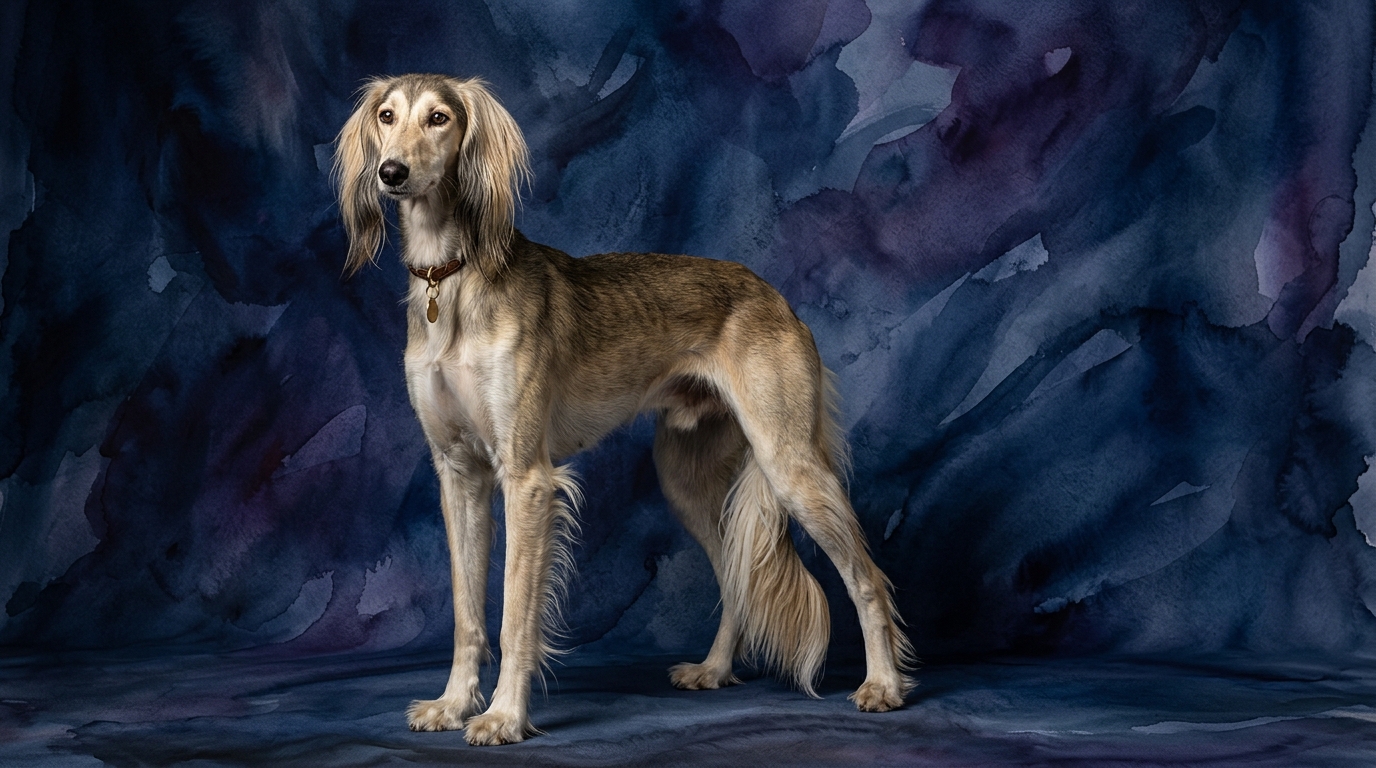
In contrast, the elegant Saluki, another hound, offers a different cognitive balance. Its Problem Solving is 3/5, meaning it capably navigates situations but often relies on established patterns or handler guidance rather than improvising novel solutions. Training Speed is a more moderate 3/5, indicating a balanced aptitude for learning new commands, responding best to positive reinforcement and clear instruction. Social Intelligence also scores 3/5; like the Basenji, they are reserved with strangers but form deep, loyal bonds with their family. Their Instinctive Drive is 3/5, possessing a strong sighthound prey drive, particularly for chasing, which is often more manageable than the Basenji's pervasive exploratory drive. Memory is 3/5, holding onto training and experiences adequately, though sometimes requiring refreshers for less practiced tasks.
Where the Basenji Wins Cognitively
The Basenji truly shines in its Problem Solving (5/5), demonstrating a proactive, independent approach to obstacles. A Basenji might systematically test different escape routes rather than repeatedly trying one method, excelling at figuring out how to access forbidden areas or navigate complex environments. This high score reflects an adeptness at independent learning and adapting to new challenges on their own terms, making them endlessly intriguing. Their Instinctive Drive (5/5), while challenging, signifies sophisticated sensory processing and an innate ability to track and hunt, involving keen observation and strategic pursuit, showcasing a highly developed natural intelligence in their ancestral role. Furthermore, their Memory (4/5) allows them to recall these successful problem-solving strategies, solidifying their reputation as clever innovators.
Where the Saluki Wins Cognitively
The Saluki, while not matching the Basenji's problem-solving ingenuity, presents a more balanced and generally more cooperative cognitive profile crucial for harmonious human cohabitation. Their Training Speed (3/5), a significant improvement over the Basenji's 1/5, indicates greater receptiveness to commands and routines. Unlike the Basenji, a Saluki is more inclined to follow a handler's lead and respond to cues, making basic obedience more attainable. While they retain sighthound independence, their willingness to engage with training, coupled with moderate Social Intelligence (3/5), facilitates smoother integration. Their loyalty and deep affection for family translate into a greater inclination to work with their people, understanding and responding to expectations with less resistance. Their balanced Instinctive Drive (3/5), primarily focused on the chase, is often more predictable and manageable with appropriate outlets.
Which is Easier to Train and Why
Without a doubt, the Saluki is the easier breed to train. The Basenji's Training Speed of 1/5 directly reflects its profound independence and self-directed nature, stemming from its heritage as a hunter operating without human intervention. These dogs often perceive little inherent value in performing tasks solely to please. While capable of learning, their motivation must be exceptionally high, requiring novel, high-value rewards and an owner with immense patience and creativity. They learn on their own timeline, which is often perceived as stubbornness; a Basenji might understand 'sit' but choose not to comply if a more interesting scent or sight intervenes.
In contrast, the Saluki's Training Speed of 3/5 indicates a more amenable disposition. Though they possess characteristic sighthound independence, they are generally more responsive to positive reinforcement and consistent methods. A Saluki is more likely to engage with training as a cooperative activity, particularly when it provides mental stimulation and strengthens the bond with their owner. Their motivation often stems from companionship and the intrinsic reward of the activity itself, rather than purely external drivers. This makes teaching basic commands, leash manners, and even more complex tasks significantly less frustrating for the average owner, enabling a smoother training journey.
Which Suits Active Owners vs. Relaxed Owners
Both Basenji and Saluki demand active engagement, but their ideal activity types differ, informing their suitability for owners. The Basenji, with its Instinctive Drive (5/5) and high Problem Solving (5/5), thrives with owners providing consistent mental stimulation and outlets for profound exploratory instincts. They need environments where they can investigate, track, and 'figure things out,' requiring structured activities like scent work, puzzle toys, and secure areas for off-leash exploration to manage their intense prey drive. Owners who enjoy challenging a dog's intellect and engaging in varied activities like lure coursing, agility, or extensive hiking will find a Basenji fulfilling; a bored Basenji will invent its own, often destructive, entertainment.
The Saluki, while also needing significant exercise, suits owners who appreciate bursts of intense physical activity followed by calm. Their Instinctive Drive (3/5) focuses on chasing, making them excellent for sighthound sports like lure coursing. After a good run, Salukis are often content to lounge gracefully, making them surprisingly good quiet companions. They require a secure space to run, but their daily enrichment involves less intricate problem-solving than a Basenji. Active owners who enjoy long, brisk walks, secure off-leash running opportunities, and appreciate a serene companion indoors will find the Saluki a good match, adapting better to a relaxed home environment *after* exercise needs are met.
The Verdict
Opt for a Basenji if you are an experienced, patient owner who relishes a cognitive challenge, appreciates a highly independent thinker, and can dedicate significant time to mental enrichment and creative problem-solving outlets.
Select a Saluki if you seek a dignified companion that values intense bursts of physical activity followed by serene relaxation, and are prepared for consistent, positive reinforcement training for a moderately independent sighthound.
🧠 Find Your Pet's IQ Score
Our Pet IQ Lab assessment covers 25+ tests across 5 cognitive dimensions — personalized to your breed.
Take the Full IQ Test →Frequently Asked Questions
Are Basenjis truly untrainable?
Basenjis are not untrainable, but their low Training Speed (1/5) means they require immense patience, creativity, and high-value motivation. They are independent thinkers who learn on their own terms, making traditional obedience challenging but not impossible with the right approach.
Do Salukis need a lot of exercise?
Yes, Salukis require regular, intense bursts of exercise, ideally in a secure, fenced area where they can run at full speed. While they can be calm indoors, daily opportunities to stretch their legs are crucial for their physical and mental well-being.
Which breed is better for a first-time dog owner?
Neither breed is typically recommended for first-time dog owners due to their independent natures and specific needs. However, if forced to choose, the Saluki's slightly higher Training Speed and more predictable drives might make it a marginally less challenging option, provided the owner is committed to understanding sighthound traits.