Side-by-Side Cognitive Profiles from The Cosmic Pet Pet IQ Lab
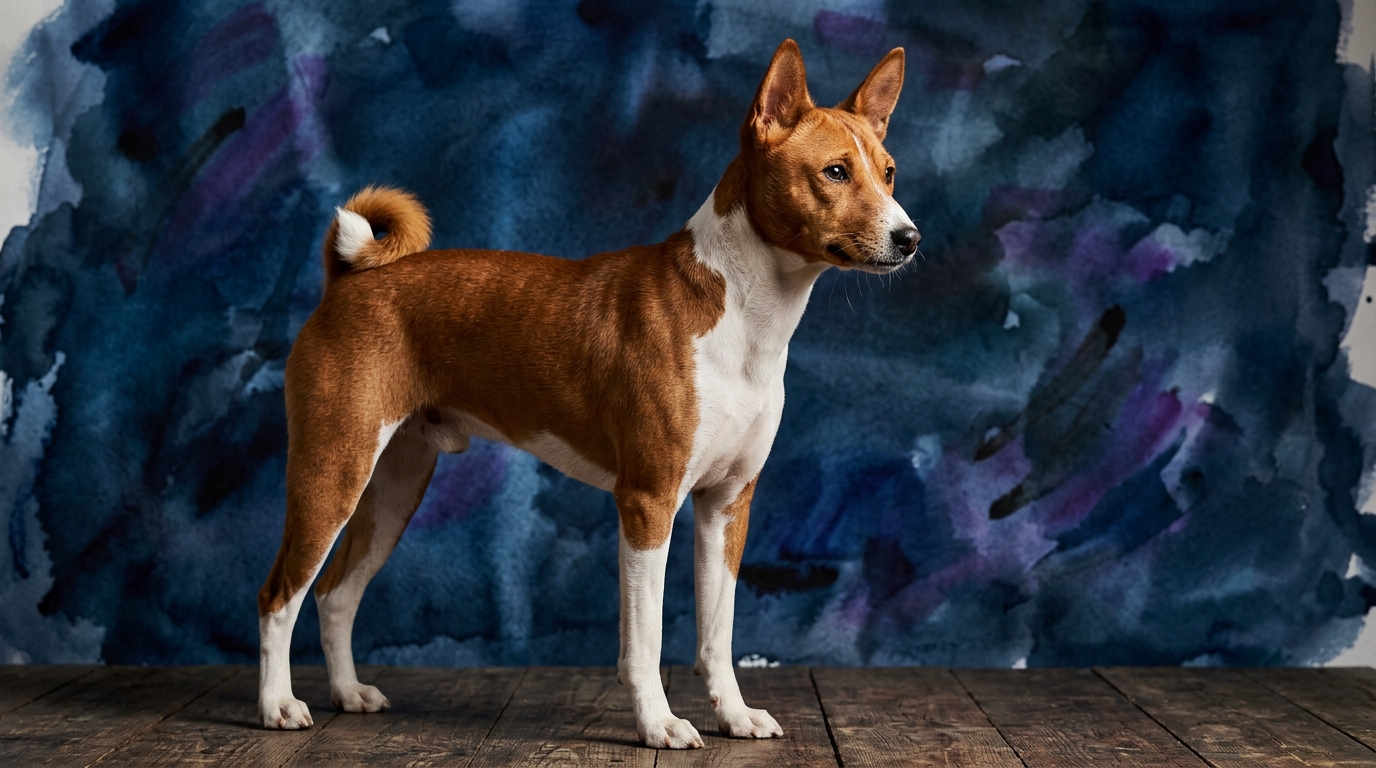
**Basenji (Hound)**
**Problem Solving (5/5):** Basenjis excel at independent thought, often devising clever strategies to achieve their goals, whether it's opening a gate or finding a hidden treat. This high score reflects a strong capacity for intrinsic, creative strategizing.
**Training Speed (1/5):** Despite their problem-solving prowess, Basenjis are notoriously challenging for traditional obedience. Their independent nature means they often prioritize their own interests over human commands, resulting in slow learning of structured tasks.
**Social Intelligence (3/5):** This breed exhibits moderate social intelligence, forming strong bonds with their chosen family. However, they tend to be reserved with strangers and other animals, not always seeking broad social engagement.
**Instinctive Drive (5/5):** Their strong prey drive and ancestral hunting instincts are deeply ingrained. This manifests as a keen sense of smell, an urge to chase, and a natural ability to work independently, reflecting their heritage as sighthounds.
**Memory (4/5):** Basenjis possess a good memory, quickly learning routines and recalling past experiences, locations, or specific people. This aids their independent problem-solving but also means they remember rules they'd rather ignore.
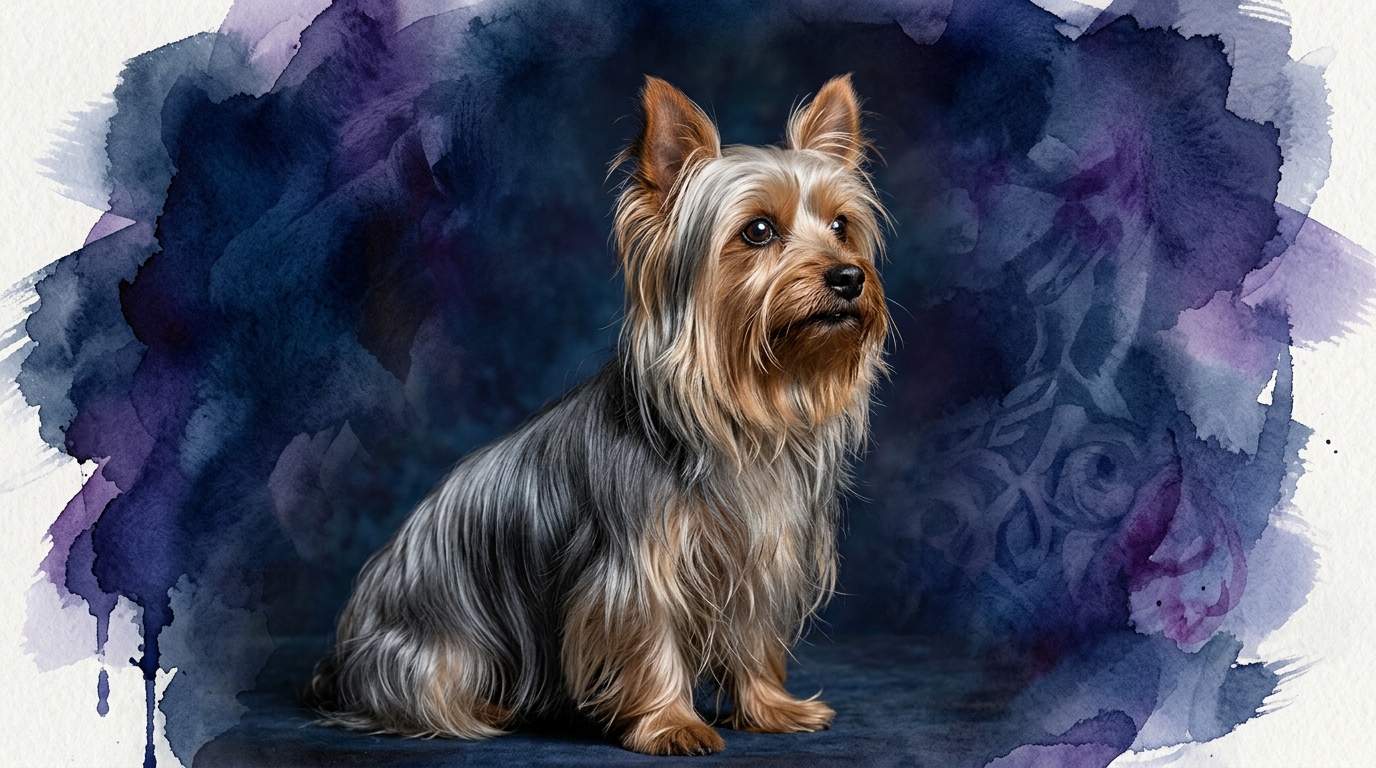
**Silky Terrier (Toy)**
**Problem Solving (3/5):** The Silky Terrier shows an average capacity for problem-solving. They can navigate typical household challenges and learn simple tricks, but generally don't exhibit the same level of cunning or complex independent strategizing as a Basenji.
**Training Speed (3/5):** Silkies are moderately trainable, capable of learning basic commands and house rules at a reasonable pace. They typically respond well to positive reinforcement and consistent methods, making them more amenable to instruction.
**Social Intelligence (3/5):** Like the Basenji, the Silky Terrier scores 3/5 in social intelligence, though their expression differs. They are generally friendly and enjoy human company, often being quite affectionate with their family, though they can be wary of strangers.
**Instinctive Drive (3/5):** While retaining some terrier feistiness and a moderate prey drive, it's less intense than the Basenji's. This drive is manageable in most home environments, manifesting as an occasional desire to chase small critters rather than an overwhelming urge.
**Memory (3/5):** Silky Terriers have an average memory, capable of retaining learned commands and routines. They remember their family and familiar environments well, but their recall might not be as sharp or as long-lasting as a breed with a higher score.
Where the Basenji Excels Cognitively
The Basenji clearly surpasses the Silky Terrier in problem-solving and instinctive drive. Their perfect 5/5 problem-solving score signifies exceptional independent thought, enabling them to ingeniously overcome obstacles like child-proof latches or secure enclosures. This isn't about following instructions, but intrinsic, creative strategizing to achieve a goal. Their profound instinctive drive, also rated 5/5, reflects a deep connection to their ancient hunting heritage, manifesting as unparalleled alertness, exceptional tracking, and an inherent understanding of their environment. This powerful instinctual intelligence allows them to react swiftly and decisively to stimuli, making them incredibly self-sufficient in certain situations, guided by millennia of survival instincts.
Where the Silky Terrier Shows Cognitive Strengths
The Silky Terrier holds a distinct advantage in training speed, scoring a 3/5 compared to the Basenji's challenging 1/5. This indicates a greater willingness and capacity to learn and comply with human commands, making them more responsive to consistent training efforts and positive reinforcement. Their moderate training speed means an owner can expect to teach them a wider range of cues and behaviors with less frustration. While the Basenji's problem-solving often works against human instruction, the Silky's cognitive makeup allows for a more harmonious learning partnership. Furthermore, their balanced instinctive drive (3/5) means their natural urges are less overwhelming, allowing for easier redirection and control in a domestic setting, which implicitly supports their superior trainability.
Ease of Training: Basenji vs. Silky Terrier
The Silky Terrier is undoubtedly the easier breed to train, primarily due to its higher training speed score and a more balanced instinctive drive. Silky Terriers typically possess a greater desire to interact and cooperate with their human companions, responding well to praise, treats, and consistent routines. Their moderate problem-solving skills mean they learn what is expected without constantly trying to outsmart the system. In contrast, the Basenji's profound problem-solving abilities and powerful instinctive drives often lead to independent decision-making that prioritizes their own agenda over human directives. A Basenji might understand a command but choose not to execute it if a more interesting or instinctually rewarding alternative exists. Their independent nature requires immense patience, creativity, and acceptance that perfect obedience might never be achieved. For example, a Basenji's strong prey drive makes off-leash reliability a significant challenge, whereas a Silky, while still a terrier, is generally more attentive to its handler.
Matching Breeds to Owner Lifestyles
The Basenji, with its high instinctive drive and need for mental stimulation, is better suited for active owners who can provide consistent engagement and outlets for their energy. These owners should be prepared for long walks, engaging puzzle toys, and potentially dog sports like lure coursing or agility that tap into their natural abilities. Their independent nature means they thrive with challenges but can become destructive or vocal if under-stimulated. A relaxed owner might find a Basenji's relentless curiosity and high energy overwhelming. The Silky Terrier, on the other hand, fits well with owners who enjoy a moderate level of activity. While they appreciate walks and playtime, their instinctive drive and overall energy levels are more manageable. They are often content with a good daily walk, some indoor games, and plenty of cuddle time, making them a good choice for individuals or families seeking a lively but not constantly demanding companion. They can adapt to a slightly more relaxed lifestyle, provided their social and exercise needs are met.
The Verdict
Opt for a Basenji if you are an experienced, active owner who appreciates a highly independent, problem-solving companion and is prepared for unique training challenges and a powerful instinctive drive.
Select a Silky Terrier if you prefer a moderately active, more conventionally trainable companion who enjoys human interaction and offers a balanced cognitive profile for a harmonious home life.
🧠 Find Your Pet's IQ Score
Our Pet IQ Lab assessment covers 25+ tests across 5 cognitive dimensions — personalized to your breed.
Take the Full IQ Test →Frequently Asked Questions
Is a Basenji difficult to live with due to its low training speed?
While Basenjis present training challenges, their independent nature can be a joy for owners who appreciate a dog with strong self-will. Living with them requires patience, creative engagement, and a good sense of humor, as they often have their own agenda.
Are Silky Terriers good apartment dogs despite their terrier instincts?
Yes, Silky Terriers can adapt well to apartment living. Their moderate size and instinctive drive mean that with regular walks and mental stimulation, they are generally content indoors, making them suitable for urban environments.
How do these breeds compare in terms of vocalization?
Basenjis are known as "barkless dogs" but communicate through unique yodels, howls, and chortles, especially when excited or expressing displeasure. Silky Terriers, true to their terrier heritage, can be quite vocal, using barks to alert their owners to visitors or perceived threats.