Side-by-Side IQ Profile
The Cosmic Pet Pet IQ Lab employs five key dimensions to evaluate canine cognition, moving beyond simple obedience scores to paint a more nuanced picture of a breed's intellect. Let's dissect the profiles of the Basenji and the Spanish Water Dog.
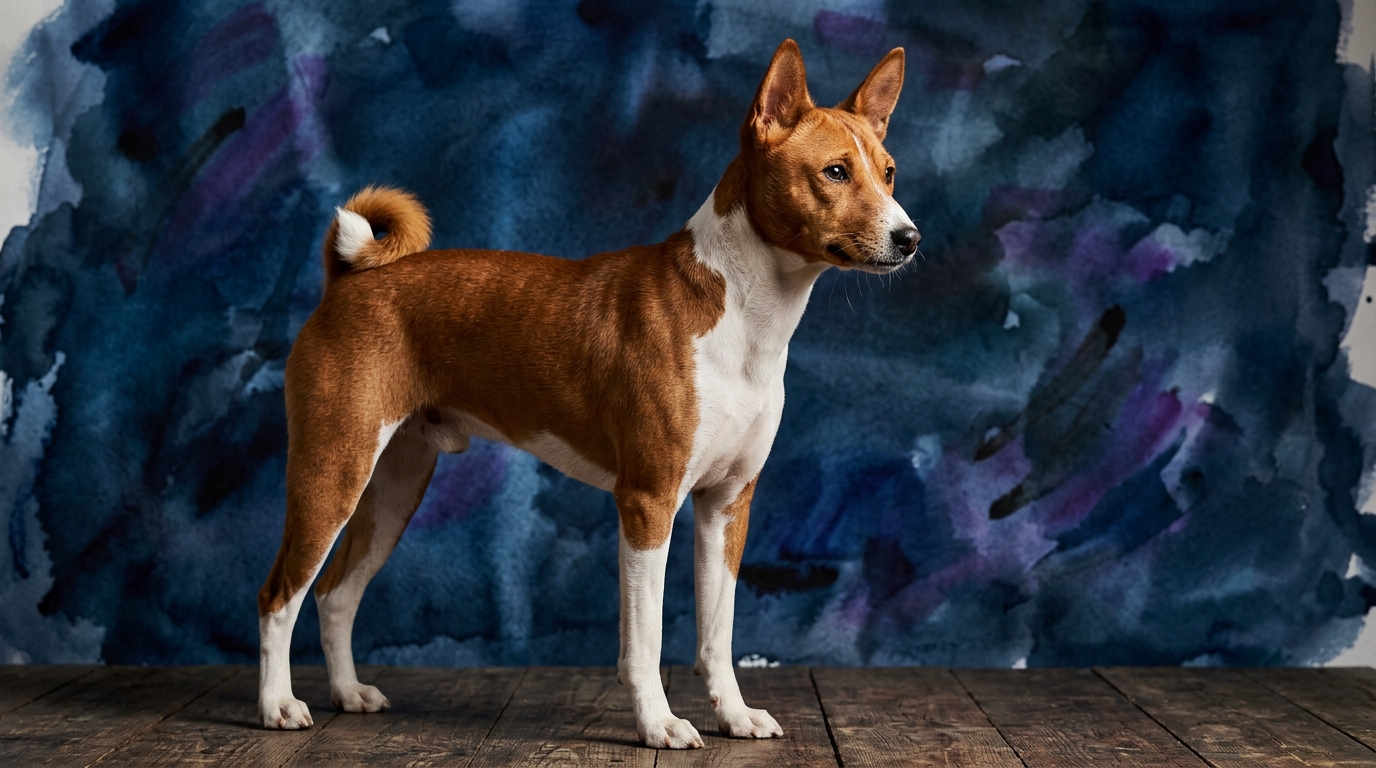
Basenji (Hound group, Coren rank #78): Problem Solving (5/5) — This score indicates an exceptional capacity for independent thought and creative solutions to environmental challenges. A Basenji will often observe a situation, formulate a plan, and execute it, whether that involves opening a gate, reaching a treat on a high counter, or devising an escape route. Their motivation is typically internal, driven by curiosity or desire, rather than a need to please a handler. This high score is a testament to their ancestral independence, where survival often depended on quick, self-directed thinking. Training Speed (1/5) — This is where the Basenji presents a significant challenge. A score of 1/5 means they are slow to learn new commands and require an extraordinary amount of repetition, patience, and highly motivating rewards. Their independent spirit often translates into a lack of inherent desire to comply with human directives, making traditional obedience training a long and often frustrating endeavor. They learn best when they perceive value in the action, not just because they are told. Social Intelligence (3/5) — With a moderate score, Basenjis can understand human social cues and interact appropriately, but they are not typically described as highly empathetic or overly eager to please. They form deep bonds with their chosen family but often maintain a reserved, almost "cat-like" demeanor, even with those they love. Their social interactions are often on their own terms, and they may not actively seek out or respond to subtle emotional shifts in their human companions. Instinctive Drive (5/5) — An extremely high score here reflects the Basenji's potent, deeply ingrained natural behaviors, primarily those of a sight hound. This includes an intense prey drive, a strong urge to chase moving objects, and an innate desire to explore and hunt. These drives are powerful and often override learned behaviors, requiring consistent management and appropriate outlets. Their instincts are a core part of their being, not easily suppressed. Memory (4/5) — Basenjis possess a strong memory, particularly for spatial arrangements, routines, and consequences (both positive and negative). This means they will remember where the treats are hidden, how to open a specific latch, or the location of a favored squirrel run. This excellent recall of environmental details and experiences contributes to their problem-solving prowess, as they can draw upon past successes and failures.
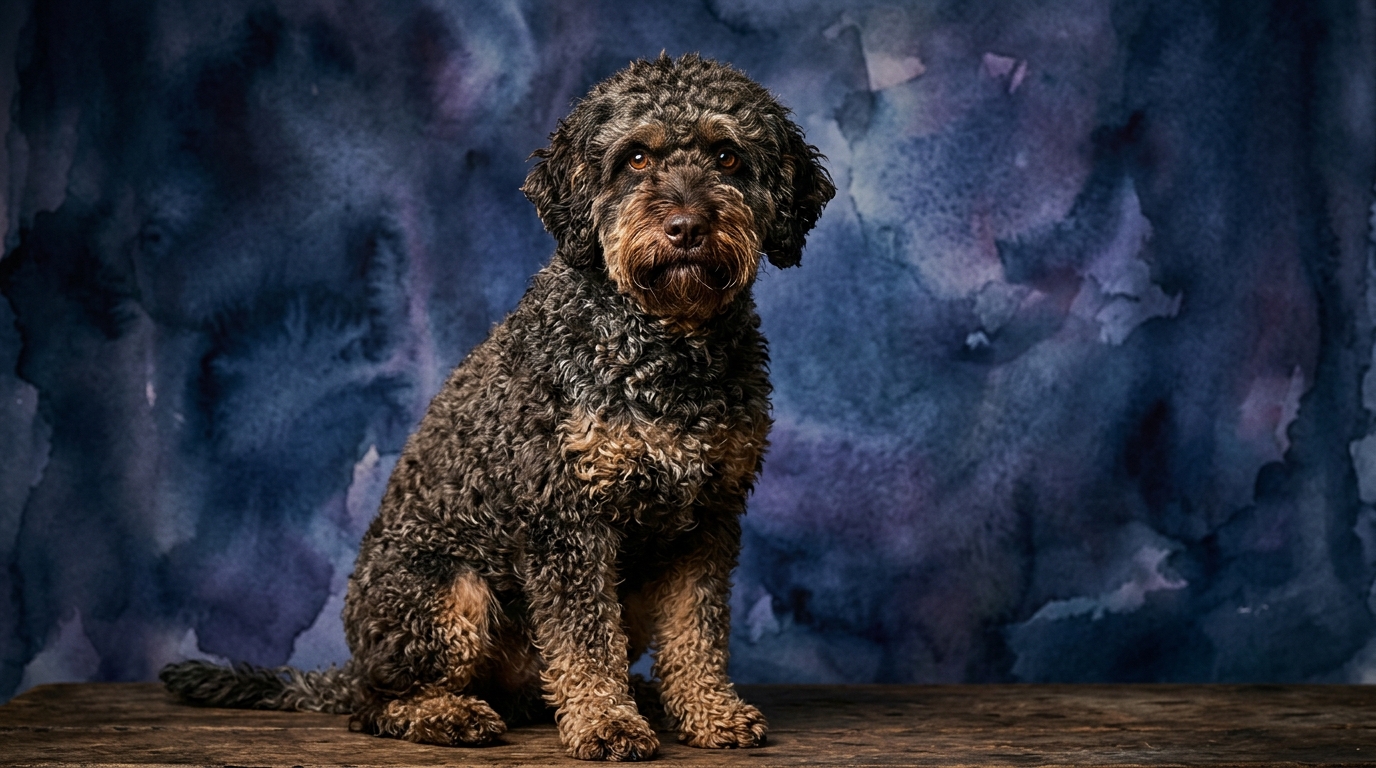
Spanish Water Dog (Herding group, Not Coren-ranked): Problem Solving (3/5) — The Spanish Water Dog exhibits a moderate capacity for problem-solving. They are capable of figuring out tasks and navigating challenges, but perhaps not with the same independent ingenuity or creative flair as a Basenji. Their problem-solving often leans towards practical, learned solutions within a working context, rather than devising entirely novel approaches. They are smart enough to learn a task, but less likely to invent a new way to do it for mischief. Training Speed (3/5) — Scoring a moderate 3/5, the Spanish Water Dog learns new commands and routines at a reasonable pace. They are generally responsive to training, requiring consistent repetition but showing a willingness to engage with their handler. This score indicates a good balance between their intelligence and their biddability, making them a more approachable breed for structured training compared to the Basenji. Social Intelligence (3/5) — Similar to the Basenji, the Spanish Water Dog has a moderate social intelligence score. They are loyal and form strong bonds with their families, understanding social cues within their pack. However, they can be reserved or wary with strangers and are not typically effusive in their greetings. Their social interactions are often purposeful and family-centric, rather than broadly outgoing. Instinctive Drive (3/5) — Their instinctive drives are moderate, reflecting their heritage as a versatile working dog involved in herding, retrieving, and guarding. These drives are present and provide motivation for work, but they are generally more manageable and less overwhelming than the Basenji's intense prey drive. Their drives can be channeled into constructive activities like herding trials or retrieving games. Memory (3/5) — The Spanish Water Dog has an average memory. They remember commands, routines, and past experiences sufficiently to perform their duties and adapt to their environment. They retain learned information without requiring constant re-teaching, but might not recall every minute detail with the same precision as a Basenji.
Where Basenji Wins Cognitively
The Basenji's cognitive profile showcases a clear advantage in independent problem-solving and an intense, unwavering instinctive drive. Their 5/5 problem-solving ability means they are masters of figuring things out on their own terms. This isn't about following instructions; it's about observing their environment, identifying a goal (often self-serving, like accessing food or escaping a yard), and creatively devising a method to achieve it. This cognitive strength, while challenging for owners, is a testament to their ancient lineage where self-reliance was paramount for survival. They excel at understanding cause-and-effect within their environment and exploiting loopholes. Furthermore, their 5/5 instinctive drive, while requiring careful management, means they possess an innate, powerful motivation for activities aligned with their hound heritage. This makes them exceptional in pursuits like lure coursing, where their natural drive to chase is fully engaged and celebrated. Their strong memory (4/5) further enhances these capabilities, allowing them to recall successful strategies and navigate complex environments with precision, remembering exactly where that weak spot in the fence was or the precise moment the back door was left ajar. This combination creates a highly resourceful and self-directed canine mind.
Where Spanish Water Dog Wins Cognitively
The Spanish Water Dog's cognitive strengths lie in its balanced and adaptable intelligence, particularly its superior training speed and more manageable instinctive drives. With a training speed of 3/5 compared to the Basenji's 1/5, the Spanish Water Dog is significantly more receptive to learning new commands and routines. This means they require fewer repetitions and are generally more eager to engage in structured training, making them a more biddable and cooperative student. Their moderate problem-solving (3/5) allows them to understand tasks and follow sequences without being so independently minded that they constantly try to outsmart their handler. Their instinctive drive (3/5) is also a distinct advantage; while present, it is less overwhelming than the Basenji's and more easily channeled into productive activities. This makes them excellent candidates for various dog sports and working roles where their natural herding and retrieving instincts can be honed and directed. This balance across their cognitive dimensions makes them highly versatile and suitable for a wider range of activities and lifestyles where partnership with a human is key.
Which is Easier to Train and Why
Without question, the Spanish Water Dog is easier to train than the Basenji. This difference stems directly from their respective cognitive profiles, particularly their training speed and the nature of their problem-solving and instinctive drives. The Spanish Water Dog's 3/5 training speed signifies a willingness and capacity to learn at a reasonable pace. They generally possess a higher desire to work cooperatively with their human companions, a trait common in herding breeds. Their problem-solving ability (3/5) is sufficient for understanding and executing complex commands, but not so dominant that they are constantly seeking to circumvent rules or devise independent plans during training. Their moderate instinctive drives (3/5) can be effectively channeled into training exercises, providing natural motivation for tasks like retrieving or agility. In contrast, the Basenji's 1/5 training speed is a formidable hurdle. Their profound independence and powerful 5/5 problem-solving often manifest as a disinterest in compliance, instead focusing their mental energy on achieving their own goals. A Basenji might understand a command but choose not to execute it if they see no personal benefit, or if their 5/5 instinctive drive (e.g., chasing a squirrel) overrides any learned behavior. This means training a Basenji demands extraordinary patience, creativity in motivation, and a deep understanding of their unique, often stubborn, personality. They don't aim to please in the same way many other breeds do; their intellect is geared towards self-sufficiency, not obedience.
Which Suits Active Owners vs Relaxed Owners
Neither the Basenji nor the Spanish Water Dog are ideal companions for truly relaxed owners seeking a sedentary lifestyle; both breeds possess cognitive profiles that demand significant engagement, albeit in different forms. For active owners, the choice depends on the type of activity and the desired partnership dynamic. The Spanish Water Dog is an excellent fit for active owners who enjoy structured activities, dog sports like agility, obedience, or herding, and who desire a dog that thrives on having a job and working collaboratively. Their balanced cognitive profile, moderate training speed, and manageable instinctive drives make them highly adaptable to various active pursuits where they can partner with their human. They flourish with consistent physical and mental exercise that engages their working intelligence. Conversely, the Basenji suits a different kind of active owner – one who appreciates a dog's independent spirit and is prepared for extensive mental stimulation to prevent boredom-driven mischief, rather than expecting eager participation in traditional dog sports. Their high problem-solving (5/5) and intense instinctive drives (5/5) mean they require secure environments and outlets for their natural behaviors, such as lure coursing, long sniff walks, or complex puzzle toys. They need an owner who respects their independence and can provide stimulating challenges that appeal to their self-directed intellect, rather than expecting a compliant workout partner. For owners who are truly "relaxed," meaning minimal daily engagement beyond basic care, both breeds are likely to develop behavioral issues due to unmet cognitive and physical needs; the Basenji might escape or destroy property, while the Spanish Water Dog could become anxious or excessively vocal.
The Verdict
You are an experienced owner who values a dog's profound independent thought and unique, often challenging, personality; you are prepared for a dog that consistently tests boundaries and requires immense patience and creativity in training, and you can provide a stimulating, secure environment that respects their powerful instincts.
You seek a versatile, biddable companion for active pursuits, are committed to consistent training and socialization to channel their working drives, and desire a loyal dog that thrives on purposeful activity and a close partnership.
🧠 Find Your Pet's IQ Score
Our Pet IQ Lab assessment covers 25+ tests across 5 cognitive dimensions — personalized to your breed.
Take the Full IQ Test →Frequently Asked Questions
Are Basenjis untrainable due to their 1/5 training speed?
No, Basenjis are not untrainable, but they are uniquely challenging; their 1/5 training speed means they require immense patience, creativity, and consistency, often responding best to positive reinforcement and understanding their strong independent nature rather than strict obedience.
Do Spanish Water Dogs need a lot of exercise, given their moderate instinctive drive?
Yes, Spanish Water Dogs are active working dogs with moderate instinctive drives (3/5) and benefit greatly from regular physical activity and mental engagement, such as structured training, dog sports, or long walks, to prevent boredom and potential destructive behaviors.
How do their social intelligence scores (3/5) impact their interactions with people?
Both breeds score 3/5 in social intelligence, meaning they understand cues but may not be overly demonstrative; Basenjis can be aloof even with family and reserved with strangers, while Spanish Water Dogs are loyal to their family but often wary or reserved with unfamiliar people.