Side-by-Side IQ Profile: Basenji vs. Staffordshire Bull Terrier
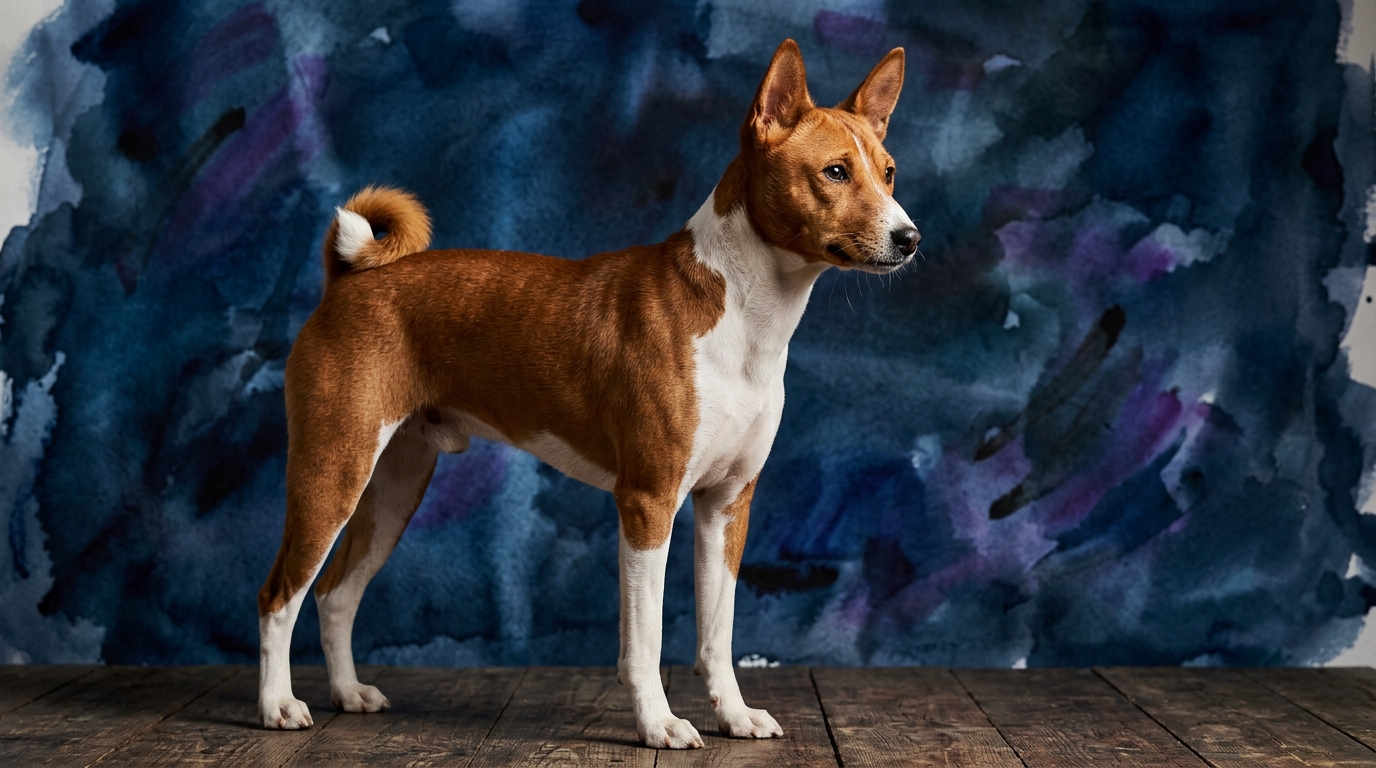
At The Cosmic Pet Pet IQ Lab, we evaluate canine cognition across five key dimensions. The Basenji, a sighthound ranked #78 by Coren, presents a profile marked by profound independence. Their Problem Solving is rated 5/5, indicating an exceptional capacity for autonomous thought and devising novel solutions to obstacles without human guidance. Their Training Speed, however, stands at 1/5, reflecting a significant reluctance to comply with commands purely for human pleasure. Social Intelligence is 3/5, suggesting an understanding of social cues but often from a self-interested perspective. Their Instinctive Drive is a powerful 5/5, showcasing an intense, innate urge to hunt, chase, and explore. Finally, their Memory is strong at 4/5, meaning they retain information and experiences with notable clarity.
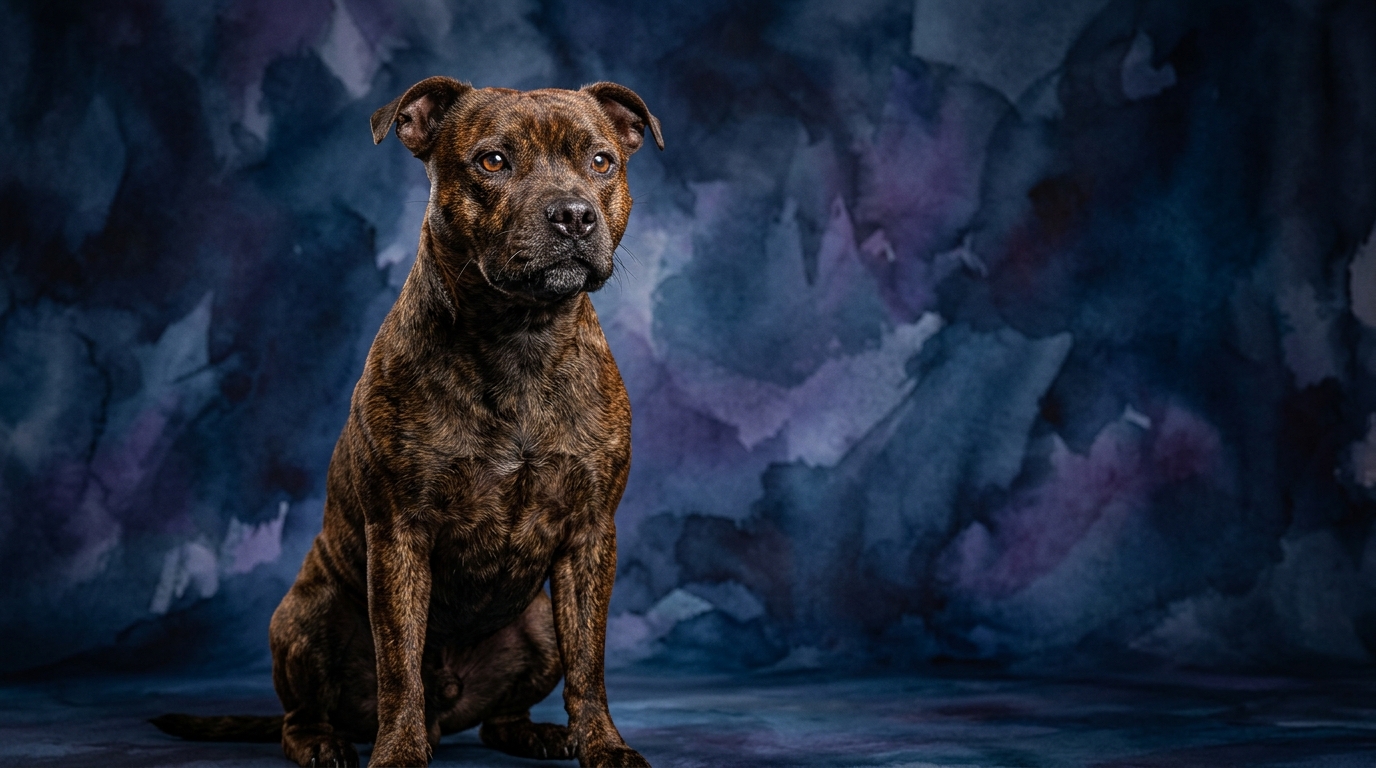
In contrast, the Staffordshire Bull Terrier, while not Coren-ranked, exhibits a more balanced and cooperative cognitive profile. Their Problem Solving is rated 3/5, indicating a competent ability to navigate their environment and figure out moderately complex tasks, often relying on learned routines or human cues. Training Speed is 3/5, signifying a reasonable receptiveness to learning and a willingness to engage in training. Social Intelligence also scores 3/5, demonstrating an understanding of social dynamics and a capacity for deep bonds, particularly with their human family. Instinctive Drive is 3/5, reflecting a present but more manageable prey drive compared to the Basenji. Their Memory is also 3/5, indicating an adequate retention of learned behaviors and environmental information.
Where the Basenji Wins Cognitively
The Basenji's cognitive strengths truly shine in areas demanding independent thought and self-directed problem-solving. Their 5/5 score in this dimension means they excel at devising novel solutions to environmental challenges, often without human prompting. For instance, a Basenji might systematically test various latches on a gate until they discover how to open it, or meticulously plan an escape route from a yard by assessing weak points in a fence. This isn't about obedience, but about an intrinsic drive to overcome obstacles using their own wits. Furthermore, their 5/5 instinctive drive is a testament to their profound connection with their ancestral role, allowing them to focus intensely on scent or sight, demonstrating a specialized form of cognitive processing geared towards tracking and hunting. Their 4/5 memory supports this by allowing them to recall successful strategies or the location of interesting stimuli.
Where the Staffordshire Bull Terrier Wins Cognitively
While the Basenji excels in autonomous problem-solving, the Staffordshire Bull Terrier demonstrates a more balanced cognitive profile that makes them more adaptable to a companion role. Their 3/5 scores across most dimensions, particularly in training speed and social intelligence, suggest a more cooperative and human-oriented cognitive style. Staffies are typically more attuned to human expectations during training, showing a willingness to engage and learn for the sake of interaction and reward. This makes them more responsive to commands and more eager to participate in structured activities. Their social intelligence, while rated similarly, often manifests as a deep affection and ability to read their owner's moods, fostering a strong emotional bond that influences their learning and behavior, making them highly attuned to their human companions.
Which is Easier to Train and Why
When it comes to ease of training, the Staffordshire Bull Terrier clearly holds an advantage over the Basenji. The Staffy's 3/5 training speed score reflects a generally amenable and cooperative disposition. They typically enjoy the interaction involved in training sessions and are motivated by praise, treats, and the desire to please their human companions. This makes them relatively straightforward to teach basic obedience commands and even more complex tricks, provided consistency and positive reinforcement are employed. In contrast, the Basenji's 1/5 training speed score is a direct reflection of their profound independence and self-sufficiency. They are not naturally inclined to follow commands purely to please; instead, they weigh whether an action benefits them personally. This leads to a 'what's in it for me?' attitude, making traditional obedience training a test of extreme patience and creativity. Basenjis learn best through engaging, game-like methods that appeal to their problem-solving instincts rather than rote repetition. A Basenji might understand a command perfectly but simply choose not to execute it if their internal motivation is lacking, a behavioral difference rooted in their distinct cognitive priorities.
Active Owners vs. Relaxed Owners: Matching Cognitive Needs
Both breeds require engagement, but their ideal activity levels and mental stimulation needs diverge significantly. The Basenji, with its 5/5 instinctive drive and 5/5 problem-solving, is best suited for active owners who understand and can channel their hound nature. These dogs thrive with opportunities for scent work, lure coursing, long hikes, and complex puzzle toys that challenge their independent intellect. A relaxed owner expecting a couch potato without adequate mental and physical outlets will likely find their Basenji inventing their own 'activities,' often involving destruction or escape. Their strong memory (4/5) means they'll remember where they found mischief before. The Staffordshire Bull Terrier, while also energetic, has a more balanced 3/5 instinctive drive and 3/5 problem-solving. They enjoy regular walks, playtime, and interactive games, but their energy is often more focused on human interaction. They can adapt to a more relaxed home environment provided they receive consistent daily exercise and mental engagement through training and social play. Owners who enjoy structured activities and a dog eager to participate will find the Staffy a rewarding companion, whereas the Basenji demands an owner who embraces their unique, often challenging, autonomy.
The Verdict
Choose the Basenji if you are an experienced, patient owner who values an independent, clever companion and can provide consistent mental and physical challenges that appeal to their ancient instincts and problem-solving prowess.
Opt for the Staffordshire Bull Terrier if you seek a cooperative, affectionate companion who responds well to positive training and enjoys an active yet adaptable lifestyle, thriving on human interaction and structured engagement.
🧠 Find Your Pet's IQ Score
Our Pet IQ Lab assessment covers 25+ tests across 5 cognitive dimensions — personalized to your breed.
Take the Full IQ Test →Frequently Asked Questions
Are Basenjis difficult to live with due to their independence?
Basenjis present unique challenges due to their profound independence and strong instinctive drives. They require consistent, creative mental stimulation and secure environments to prevent them from using their excellent problem-solving skills for escape or mischief. For the right owner, their unique character is highly rewarding.
How does a Staffordshire Bull Terrier's social intelligence manifest?
A Staffy's social intelligence often manifests as a deep capacity for affection and an ability to read human emotions, making them sensitive and empathetic companions. While generally good with people, careful socialization from a young age is important to ensure positive interactions with other dogs.
Do Basenjis bark, given their 'barkless dog' reputation?
Basenjis are often called 'barkless' because they don't bark in the conventional sense. Instead, they produce a unique yodel-like sound, often called a 'barroo.' They can also whine, growl, and make various other noises, but the typical canine bark is rare.