Side-by-Side IQ Profile: Unpacking Hound Cognition
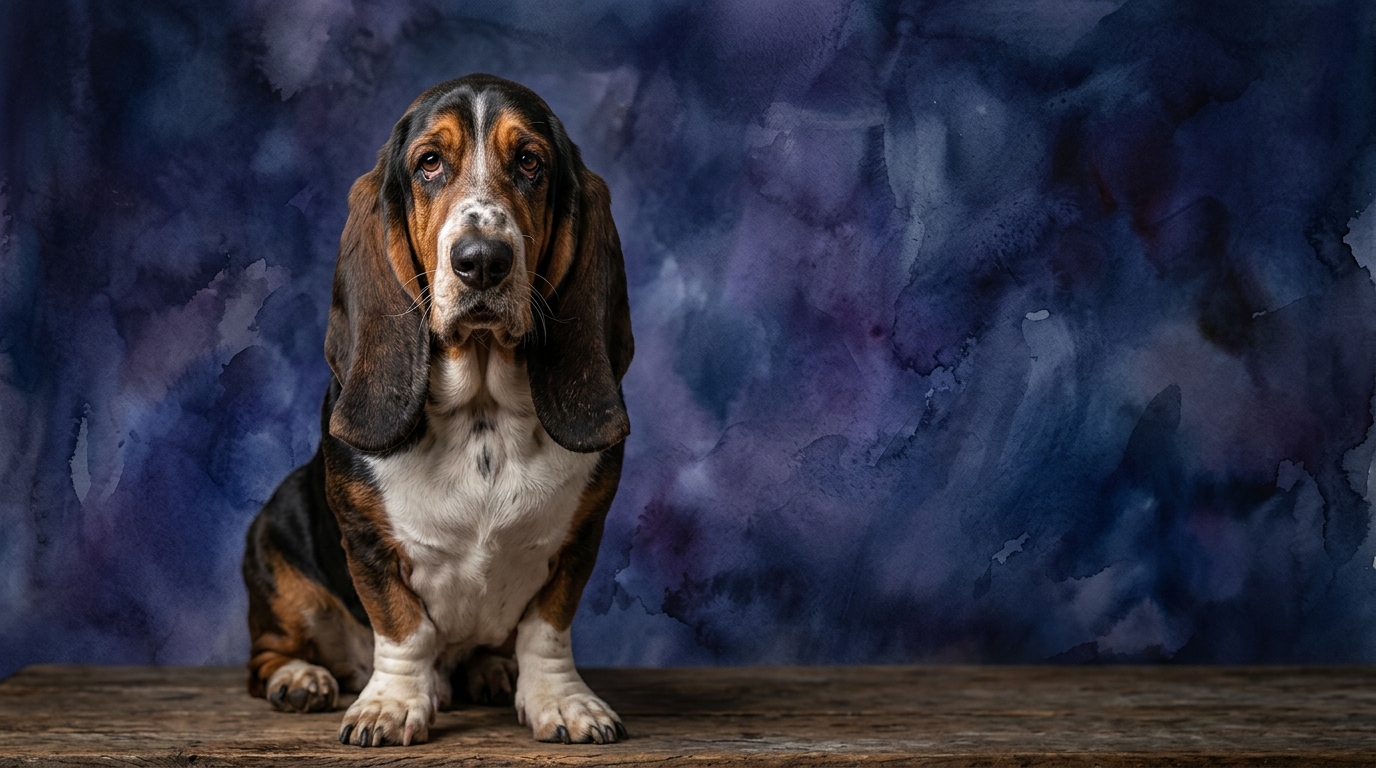
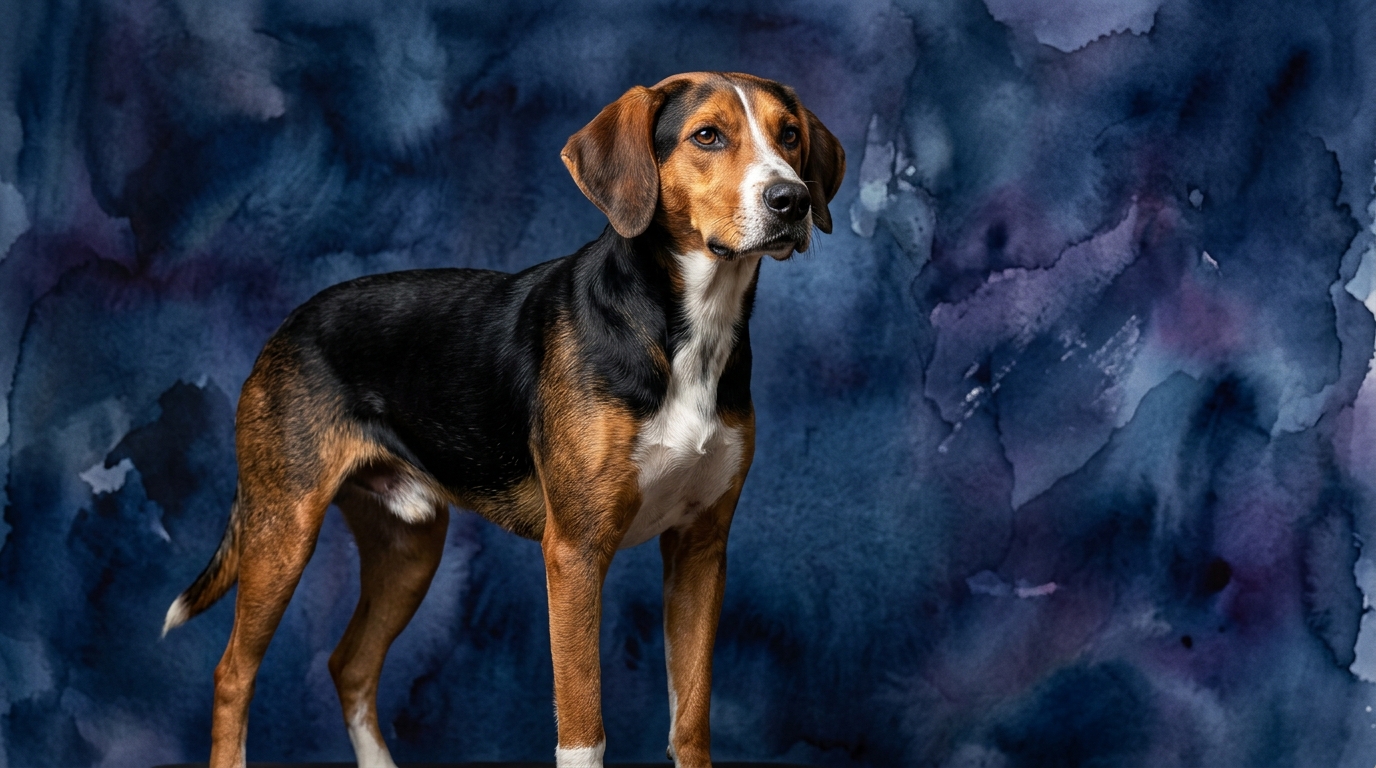
At The Cosmic Pet's Pet IQ Lab, we assess canine intelligence across five key dimensions. For the Basset Hound, ranked #71 by Coren, and the American Foxhound, while not formally Coren-ranked, both breeds exhibit a similar baseline across these metrics, each scoring 3/5, suggesting a functional and specialized form of intelligence rather than broad, generalized problem-solving.
**Basset Hound - Problem Solving (3/5):** The Basset Hound's problem-solving abilities are often directed by their profound olfactory sense. They excel at figuring out how to navigate complex scent trails, demonstrating persistence in locating the source of an intriguing aroma, even if it involves overcoming minor physical obstacles or detours. Their approach is methodical and often characterized by a determined, low-to-the-ground pursuit, showing a focused application of their cognitive resources towards scent-driven puzzles.
**American Foxhound - Problem Solving (3/5):** The American Foxhound's problem-solving shines in the context of their historical role. They exhibit robust spatial reasoning and navigational skills, adept at finding the most efficient path through varied terrain during a chase. Their cognitive efforts are geared towards effective pursuit and working around environmental challenges, such as fences or dense undergrowth, to maintain a line on their quarry, indicating a practical, action-oriented problem-solving style.
**Basset Hound - Training Speed (3/5):** Basset Hounds can learn commands, but their training speed is often influenced by their strong independent streak and single-minded focus on scent. While they understand what is asked, their drive to follow a compelling smell can override immediate obedience. Consistent, patient, and reward-based training is essential, as they respond best when motivated by something they truly value, making the learning process a steady rather than rapid progression.
**American Foxhound - Training Speed (3/5):** American Foxhounds, bred for independent work over vast distances, also present a moderate training speed. Their high prey drive and desire to roam mean they can be easily distracted by environmental stimuli. While capable of learning, their attention to human instruction might waver when their instincts are engaged. Early and continuous socialization and training are crucial to harness their energy and focus their formidable drive.
**Basset Hound - Social Intelligence (3/5):** Basset Hounds typically display a good level of social intelligence within their human family unit. They are generally amiable and form strong bonds, often seeking companionship and comfort. They can read human moods and respond to affection, thriving in a pack environment whether it's canine or human. Their social interactions are usually gentle and tolerant, making them agreeable companions who understand the dynamics of their household.
**American Foxhound - Social Intelligence (3/5):** American Foxhounds exhibit social intelligence particularly within a canine pack structure, reflecting their working heritage. They are generally friendly with people but may not be as overtly demonstrative as some other breeds, often preferring to interact with other dogs. They understand hierarchical structures and group dynamics well, making them adaptable to multi-dog households, though their primary social drive is often towards other canines or their hunting cohort.
**Basset Hound - Instinctive Drive (3/5):** The Basset Hound's instinctive drive is overwhelmingly centered on their nose. Their drive to track a scent is incredibly powerful and can lead them to completely tune out their surroundings. This instinctive persistence is a hallmark of their breed, guiding their every exploration and often dictating their behavior outdoors. This drive is not merely curiosity but a deep-seated urge to follow a trail to its conclusion.
**American Foxhound - Instinctive Drive (3/5):** The American Foxhound possesses a robust instinctive drive for pursuit and endurance. Their drive is not just about scent but about the chase itself, covering significant distances with tireless energy. This powerful hunting instinct fuels their need for extensive exercise and mental engagement, pushing them to explore and follow potential quarry, often with a characteristic baying vocalization. Their drive is a comprehensive package of scent, stamina, and pursuit.
**Basset Hound - Memory (3/5):** Basset Hounds demonstrate a solid memory, particularly for scent trails and positive associations. They can recall the location of favored napping spots, the routine for meals, and the scent signature of familiar people and places. Their memory serves their methodical nature, allowing them to revisit known scent paths or remember where a treat was last found, showing practical memory application rather than rote memorization of complex sequences.
**American Foxhound - Memory (3/5):** American Foxhounds possess a strong memory for routes, territories, and the details of a chase. They can remember complex hunting paths, the locations of various scents, and the learned responses to commands relevant to their work. Their memory is vital for efficient hunting, allowing them to build a mental map of their environment and recall successful strategies or scent locations, contributing to their effectiveness in the field.
Where the Basset Hound Wins Cognitively
The Basset Hound exhibits a cognitive edge in its unwavering focus and resilience in scent-tracking, even when faced with distractions. While both breeds are scent-driven, the Basset's methodical, ground-level approach allows for an almost meditative absorption in a single scent, demonstrating a unique form of cognitive persistence. Their ability to filter out extraneous sensory input to concentrate solely on a specific odor is a specialized form of problem-solving and memory recall, allowing them to meticulously unravel complex olfactory puzzles. This single-minded dedication, while sometimes perceived as stubbornness in other contexts, is a cognitive strength when applied to their primary instinct.
Where the American Foxhound Wins Cognitively
The American Foxhound's cognitive strengths lie in its comprehensive environmental awareness and sustained pursuit strategy. While both have strong drives, the Foxhound's ability to integrate scent information with visual cues and terrain assessment during a high-speed chase demonstrates a more dynamic and multi-faceted problem-solving approach. Their capacity for sustained, independent work over vast and varied landscapes requires a superior spatial memory and the cognitive agility to adapt to changing conditions while maintaining focus on a long-term objective. This robust synthesis of sensory input and physical execution gives them an advantage in complex, wide-ranging environments.
Training Dynamics: Basset Hound vs. American Foxhound
When considering ease of training, real behavioral differences come to the fore, despite both breeds sharing a 3/5 training speed score. The Basset Hound's training challenges often stem from their profound single-mindedness regarding scent; once their nose is engaged, diverting their attention can be a significant hurdle. This isn't a lack of understanding, but rather an overriding instinctual priority. They respond well to positive reinforcement, patience, and making training sessions engaging enough to compete with their olfactory world, often thriving in structured home environments where routines are clear and rewards are motivating. Their slower pace and lower energy levels can sometimes make them appear more amenable to training within a domestic setting, provided their scent drive is managed.
The American Foxhound, conversely, presents training challenges rooted in their high prey drive and historical independence. Bred to work without constant human direction across large areas, they possess an inherent desire to roam and follow their instincts. Their boundless energy and need for extensive physical and mental stimulation mean that training must be consistently firm, engaging, and provide clear boundaries. Without adequate outlets for their drive, they can become restless and prone to independent decision-making, which can manifest as difficulty recalling when off-leash or a tendency to explore far afield. While intelligent, their independence and drive require an owner who understands how to channel their energy and maintain their focus amidst distractions.
Matching Breeds to Lifestyles: Active vs. Relaxed Owners
For owners seeking a more relaxed pace, the Basset Hound often proves to be a suitable companion. While they absolutely require daily walks and opportunities to engage their powerful noses, their overall energy level is lower than that of the American Foxhound. They are content with comfortable indoor living after their exercise needs are met, often enjoying extended periods of lounging. Their gentle demeanor and social nature make them excellent family pets for those who appreciate a calm presence and are prepared to manage their scent-driven explorations on leash. They fit well into homes that value a steady routine and a dog that is less demanding of constant, high-intensity activity.
Conversely, the American Foxhound is an ideal match for active owners who lead an outdoor-oriented lifestyle. These dogs thrive on significant daily exercise, including long runs, hikes, or opportunities to engage in scent work or dog sports. Their endurance and desire to cover ground make them excellent partners for runners, hikers, or those with ample secure outdoor space. Owners must be prepared to provide consistent mental and physical stimulation to prevent boredom and destructive behaviors. They are best suited for individuals or families who can integrate a dog's need for extensive activity and exploration into their daily lives, understanding that a tired Foxhound is a well-behaved Foxhound.
The Verdict: When to Choose Each Breed
The Verdict
Choose the Basset Hound if you appreciate a calm, amiable companion who excels at methodical scent work and fits into a more relaxed household rhythm, understanding their dedicated pursuit of intriguing aromas. They are best for owners who can provide moderate daily exercise and consistent, patient training tailored to their independent, scent-focused nature.
Opt for the American Foxhound if you lead an active, outdoor-centric life and seek a tireless partner for extensive adventures, prepared to channel their robust prey drive and independent spirit. They thrive with owners who can provide ample high-intensity exercise, consistent training, and opportunities for wide-ranging exploration.
🧠 Find Your Pet's IQ Score
Our Pet IQ Lab assessment covers 25+ tests across 5 cognitive dimensions — personalized to your breed.
Take the Full IQ Test →Frequently Asked Questions
Are Basset Hounds difficult to train because of their intelligence?
Basset Hounds are not difficult to train due to a lack of intelligence, but rather their profound scent drive and independent nature. Their 3/5 training speed score indicates they learn at an average pace, but their focus on scent can make them appear stubborn. Consistent, positive reinforcement is key to engaging them.
How does the American Foxhound's 'not Coren-ranked' status impact its perceived intelligence?
The American Foxhound's 'not Coren-ranked' status simply means it hasn't been formally assessed on that specific scale, which often favors breeds with high obedience and rapid learning in controlled settings. Our 3/5 scores across dimensions show they possess functional intelligence highly adapted for their working roles, excelling in areas like endurance, pursuit, and environmental problem-solving.
Which breed is better for a first-time dog owner?
For a first-time dog owner, the Basset Hound might be a slightly more manageable choice due to their lower energy demands and generally more relaxed demeanor indoors. However, both breeds require dedicated training and an understanding of their strong hound instincts. The American Foxhound's intense exercise needs and independent streak can be more challenging for an inexperienced owner.