
Side-by-Side Cognitive Profiles: Decoding the 3/5 Score
The Basset Hound, Coren rank #71, approaches the world primarily through its nose. Their Problem Solving (3/5) is deeply rooted in scent detection; they excel at unraveling complex olfactive puzzles, meticulously tracing trails over varied terrains, demonstrating a tenacious focus unmatched when a compelling scent is present. This persistence, however, can translate to a Training Speed (3/5) that requires immense patience, as their independent pursuit of scent often overrides human commands. Social Intelligence (3/5) in a Basset is typically amiable and pack-oriented, reading human cues for comfort or food with ease, though their focus can quickly shift to an intriguing smell. Their Instinctive Drive (3/5) is almost exclusively dedicated to trailing, a powerful, almost meditative pursuit that defines their existence. Memory (3/5) serves their primary function well, allowing them to recall intricate scent patterns and the locations of past discoveries.
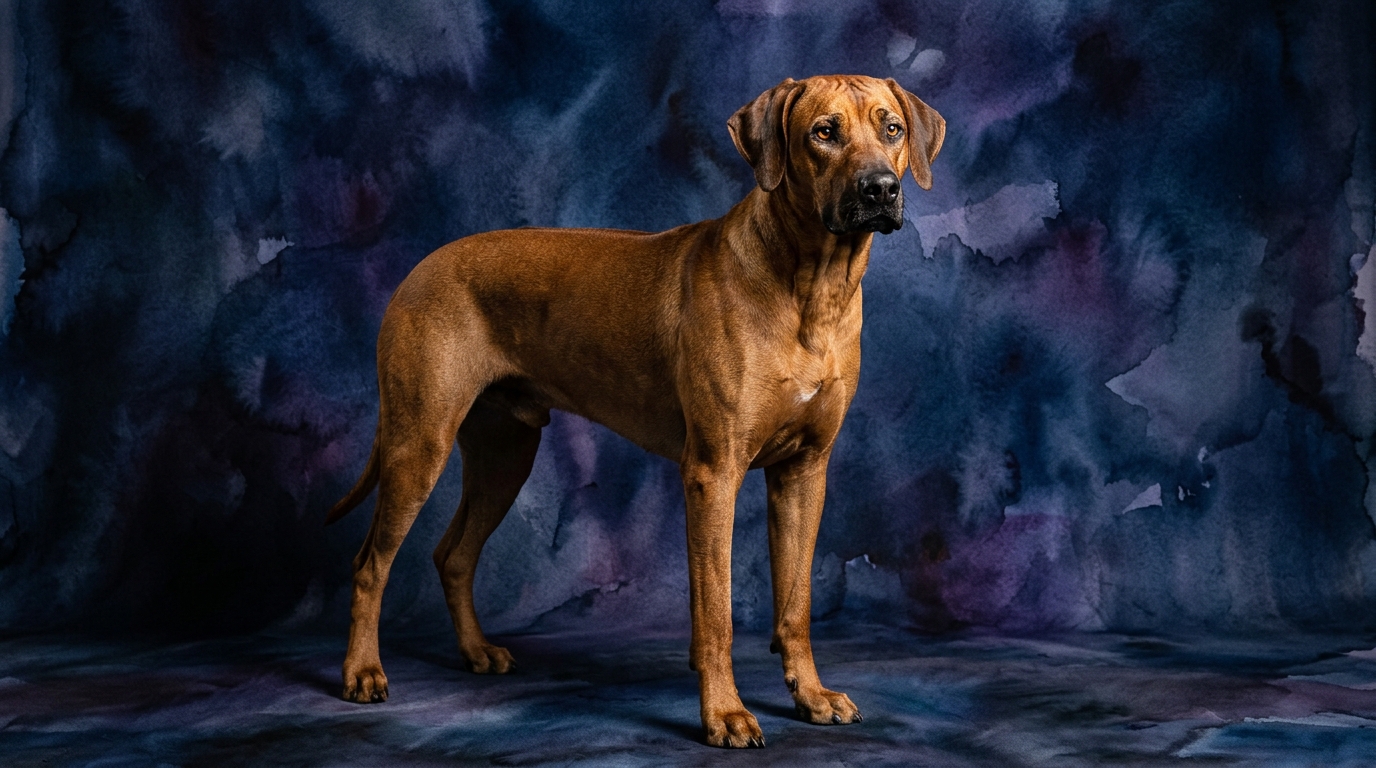
The Rhodesian Ridgeback, Coren rank #52, presents a different cognitive landscape. Their Problem Solving (3/5) is characterized by a more strategic and adaptable approach, reflecting their history of confronting formidable prey; they might devise ways to navigate obstacles or assess threats, demonstrating independent thought in complex situations. Training Speed (3/5) for a Ridgeback can be quite responsive when they understand the purpose of a command, but their strong will and independent streak mean consistency and clear leadership are paramount. Their Social Intelligence (3/5) is often reserved but deeply loyal to their family, adept at discerning friend from foe and protective of their inner circle, reading subtle shifts in human demeanor. Instinctive Drive (3/5) is channeled into guarding, patrolling, and a strong prey drive, demanding both physical and mental outlets. Memory (3/5) allows them to retain complex sequences of learned behaviors, remember boundaries, and recall past interactions, contributing to their discerning nature.
Where the Basset Hound's Mind Shines Brightest
The Basset Hound’s cognitive strengths are undeniably tethered to their unparalleled olfactory prowess. Their 3/5 Problem Solving isn't about opening complicated latches, but about the intricate, multi-layered cognitive process of disentangling a specific scent from a cacophony of others, following a trail for miles with unwavering determination, even when faced with environmental distractions. This hyper-specialized focus means they can effectively 'tune out' visual or auditory stimuli that would derail other breeds, dedicating all mental resources to the task at hand. Their 3/5 Memory is particularly robust for scent-related information, allowing them to revisit and pick up old trails with surprising accuracy, demonstrating a long-term recall for specific olfactory signatures.
Furthermore, their 3/5 Instinctive Drive provides a deep, intrinsic motivation for this type of cognitive work. While it can make training challenging in other areas, it means that when engaged in a scent-based activity, their engagement and persistence are exceptional. This relentless dedication to a task, once initiated by a compelling smell, showcases a unique form of cognitive endurance. Their social intelligence, while sometimes overshadowed by their nose, allows them to form strong, affectionate bonds within their human pack, demonstrating a capacity for deep companionship once their primary sensory world is satisfied.
The Rhodesian Ridgeback's Unique Cognitive Edge
The Rhodesian Ridgeback’s cognitive victories lie in their blend of physical capability and independent strategic thought. Their 3/5 Problem Solving manifests as a discerning intelligence, allowing them to assess situations and make independent decisions, a trait honed by their historical role in hunting dangerous game. This isn't just about following a command, but about understanding the *why* behind it and executing it effectively, sometimes with a touch of personal flair. They might figure out how to outmaneuver a perceived threat or cleverly navigate complex physical environments, indicating a versatile cognitive toolkit beyond a single sensory focus.
Their 3/5 Social Intelligence is particularly nuanced; they are not indiscriminately friendly but form deep, protective bonds with their chosen family, reading subtle emotional cues within their inner circle and acting as vigilant guardians. This requires a sophisticated understanding of social dynamics and threat assessment. Their 3/5 Training Speed, while not always immediate, allows them to learn and retain complex, multi-step commands and routines, particularly those that involve practical application or contribute to their sense of purpose, such as advanced obedience or protection work. Their memory is robust for these learned sequences and for the social landscape of their home.
Training Dynamics: Patience vs. Purpose
When it comes to ease of training, the Basset Hound and Rhodesian Ridgeback present distinct challenges stemming directly from their cognitive makeups. The Basset Hound, with its profound 3/5 Instinctive Drive for scent, often finds external commands secondary to an enticing aroma. This translates to a 3/5 Training Speed that demands extraordinary patience and consistency. A Basset might perfectly execute a 'sit' command indoors, but the moment a compelling scent trail appears outdoors, all prior learning can seem to vanish, requiring the handler to re-engage their attention against a powerful biological imperative. Their learning curve isn't necessarily steeper, but their motivation is highly specialized, making generalized obedience a slow and steady endeavor focused on positive reinforcement and high-value rewards to compete with their nose.
The Rhodesian Ridgeback, while also a hound, approaches training with a different set of internal priorities. Their 3/5 Training Speed suggests they can learn quickly, particularly when tasks are presented logically and they perceive a clear purpose or benefit. However, their 3/5 Problem Solving and independent nature mean they are less likely to perform a command simply because it was given; they often need to understand *why* or be convinced of its utility. This can manifest as a 'what's in it for me?' attitude or even a challenge to authority if they deem a command illogical. Training a Ridgeback requires a confident, consistent leader who can establish trust and respect, leveraging their desire for partnership and purpose-driven work rather than sheer obedience. While less prone to scent-induced distraction than a Basset, their protective instincts and strong prey drive require careful management and socialization from an early age.
Ideal Companions: Active Engagement vs. Relaxed Dedication
The cognitive profiles of these two breeds naturally align them with different owner lifestyles. The Basset Hound, despite its substantial frame, is better suited for owners who appreciate a more relaxed pace, yet are dedicated to intellectual stimulation that caters to their profound olfactory world. A relaxed owner for a Basset isn't one who ignores mental exercise; rather, it’s someone who finds joy in slow, meandering 'sniffaris,' engaging in scent work games around the house, or participating in tracking sports. Their 3/5 Instinctive Drive for scent means they thrive when given opportunities to use their nose, providing mental enrichment without demanding high-impact physical exertion. They are content with comfortable home life, provided their cognitive need to 'work' their nose is met.
Conversely, the Rhodesian Ridgeback is an ideal match for active owners who can provide consistent, challenging mental and physical engagement. Their 3/5 Problem Solving and Instinctive Drive necessitate a lifestyle that includes regular strenuous exercise, structured training, and opportunities for purposeful work. This could involve hiking, running, advanced obedience, or even protection sports. An active owner for a Ridgeback is one who understands and respects their independent, strategic mind, providing clear boundaries, consistent leadership, and varied activities that prevent boredom and channel their considerable energy and intelligence constructively. Without adequate mental and physical outlets, a Ridgeback's problem-solving skills might be applied to less desirable activities, reflecting their inherent need for engagement.
The Verdict
Choose the Basset Hound if you seek a dedicated, amiable companion who finds immense joy and mental fulfillment in the world of scent, and if you are prepared to embrace patience and positive reinforcement in training their independent, nose-driven spirit.
Opt for the Rhodesian Ridgeback if you are an active, experienced owner ready to provide consistent leadership, rigorous physical activity, and diverse mental challenges to a discerning, protective, and strategically-minded partner.
🧠 Find Your Pet's IQ Score
Our Pet IQ Lab assessment covers 25+ tests across 5 cognitive dimensions — personalized to your breed.
Take the Full IQ Test →Frequently Asked Questions
Do Basset Hounds get bored easily if they can't sniff?
Yes, a Basset Hound deprived of scent-based mental stimulation can become bored and potentially destructive. Their strong instinctive drive and problem-solving are deeply tied to their nose, so regular 'sniffaris' or scent games are crucial for their cognitive well-being.
Are Rhodesian Ridgebacks good for first-time dog owners?
Rhodesian Ridgebacks are generally not recommended for first-time dog owners due to their strong will, independent problem-solving abilities, and protective instincts. They require confident, consistent leadership, early socialization, and extensive training to thrive.
How do these breeds compare in terms of house training speed?
Both breeds, with a 3/5 Training Speed, require consistency in house training. Basset Hounds can be slower due to their independent nature and distraction by scents, while Rhodesian Ridgebacks might learn faster but can be more challenging if they decide they don't see the point or are not properly motivated.