Side-by-Side Cognitive Profiles
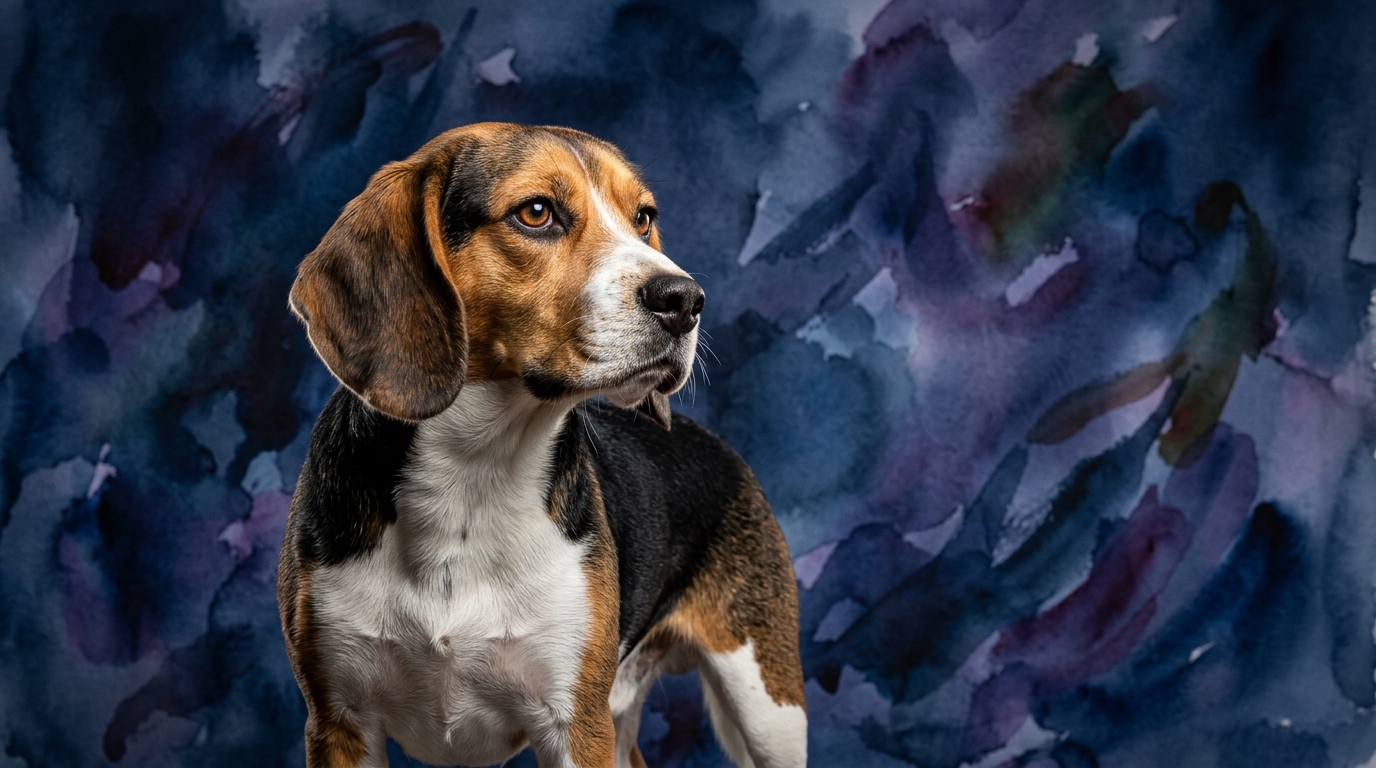
The Beagle, ranking 72nd on Coren’s list of working and obedience intelligence, showcases a very specialized form of intellect. Their Problem Solving is rated 4/5, primarily driven by their phenomenal sense of smell; they excel at figuring out how to follow a complex scent trail, locate hidden treats, or navigate environments when motivated by an aroma. Their Training Speed is a lower 2/5, as their independent nature and overwhelming scent distractions often make formal command acquisition a slow process, requiring immense patience and high-value rewards. Social Intelligence stands at 3/5; Beagles are generally affable and can read human emotions, but their focus can become singularly scent-driven, making them temporarily oblivious to social cues. Their Instinctive Drive is a profound 5/5, an overwhelming urge to hunt, track, and follow scents that often overrides other commands or desires. Finally, their Memory is 4/5, particularly strong for scent-related information, locations of food, and routines.
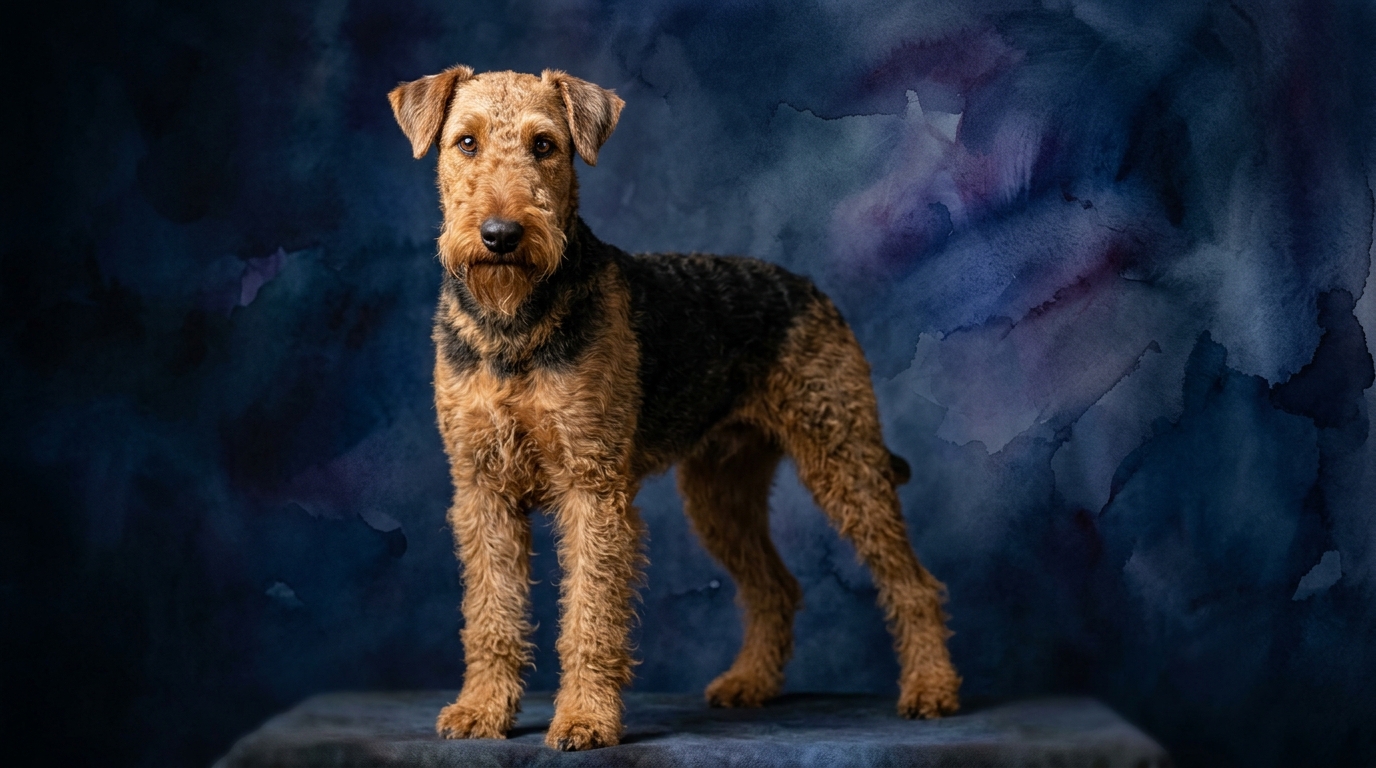
The Airedale Terrier, with a significantly higher Coren rank of 29, exhibits a more generalized and versatile intelligence. Their Problem Solving is also 4/5, but it encompasses a broader range of challenges; they are capable of complex strategic thinking, adapting to new situations, and figuring out novel solutions, often driven by a desire to work or achieve a goal. Training Speed is a solid 4/5, reflecting their quicker grasp of new commands and eagerness to please a trusted handler, though they can become bored with repetition and demand varied, engaging training. Social Intelligence is 3/5; Airedales are observant of human behavior and social cues, forming strong bonds, but also possess a confident streak that requires firm handling. Their Instinctive Drive is 3/5, a moderate prey drive that manifests in chasing, digging, and guarding, but these instincts are generally more manageable than the Beagle's scent obsession. Their Memory is 4/5, retaining training, experiences, and lessons effectively over long periods.
Where the Beagle Wins Cognitively
When it comes to specific cognitive strengths, the Beagle’s olfactory prowess is unmatched. Their superior ability to process and discriminate between an infinite array of scents is a cognitive feat that few breeds can rival. This isn't just about smelling; it's about interpreting a complex tapestry of odors, following intricate scent trails that are invisible to others, and identifying specific targets with incredible accuracy, even in challenging environments. Their brain is wired for this, dedicating significant processing power to their nose. This translates into an unparalleled persistence in the pursuit of a scent, a single-minded focus that, while sometimes frustrating to owners, is a testament to their specialized cognitive architecture. Once locked onto a scent, their determination to follow it to its source demonstrates a remarkable cognitive drive, often overriding external distractions or even basic comfort. Furthermore, their memory for scent-related information, such as the exact location where a particular squirrel vanished yesterday or the path a fascinating odor took through the neighborhood, is exceptionally robust, allowing them to revisit and re-engage with their olfactory world.
Where the Airedale Terrier Wins Cognitively
The Airedale Terrier's cognitive triumphs lie in its remarkable versatility and strategic adaptability. Unlike the Beagle's specialized olfactory intelligence, the Airedale excels in applying diverse skills across a broad spectrum of tasks. They demonstrate superior strategic thinking, capable of analyzing novel situations and devising solutions that go beyond simple instinct. This might involve figuring out how to manipulate a latch, understanding the nuances of a multi-step command, or creatively navigating an agility course. Their capacity for faster acquisition of complex obedience commands is another clear win; they are often quicker to grasp new concepts and sequences, showing an eagerness to learn and participate in varied training tasks with their handler. This breed doesn't just learn; it often seeks to understand the 'why' behind the command, leading to more generalized learning and application. Moreover, the Airedale typically exhibits better impulse control in the face of distractions that aren't directly related to a primary, overwhelming drive. While they certainly have their terrier instincts, these are generally more manageable and less likely to completely derail their focus compared to a Beagle encountering an irresistible scent.
Training Dynamics: Which is Easier?
Assessing ease of training between these two breeds reveals distinct differences rooted in their cognitive profiles and inherent drives. The Airedale Terrier is generally considered easier to train for formal obedience and a wider array of tasks. Their higher Coren rank of 29, coupled with a training speed of 4/5, indicates a stronger inclination to engage with human instruction and a quicker grasp of new commands. Airedales often enjoy the mental challenge of learning and working alongside their owners, thriving on varied and stimulating training sessions. However, their independent and sometimes strong-willed terrier nature means they require a confident, consistent, and fair handler to prevent boredom or the development of self-directed behaviors that might not align with human expectations. They respond best to positive reinforcement, clear boundaries, and a sense of partnership.
Conversely, the Beagle, with its Coren rank of 72 and a training speed of 2/5, presents a more significant training challenge, particularly in traditional obedience. Their overwhelmingly powerful instinctive drive (5/5) to follow a scent means they can become 'deaf' to commands when engrossed in an interesting smell. This isn't a lack of understanding; it's a prioritization of their primary, innate purpose. Training a Beagle demands immense patience, exceptionally high-value rewards (often food-based), and a deep understanding of their scent-driven world. While their social intelligence (3/5) allows them to comprehend human cues and intentions, their instinct often overrides immediate compliance. Owners must be creative in making training more compelling than the surrounding odors, often necessitating specific scent-work activities to satisfy their cognitive needs while reinforcing desired behaviors.
Matching Breeds to Lifestyles: Active vs. Relaxed Owners
The question of suitability for active versus relaxed owners highlights the significant energy and engagement requirements of both breeds, albeit with different manifestations. The Beagle suits active owners who are prepared for consistent, often long, outdoor excursions. They require substantial physical activity to manage their energy levels and, crucially, to satisfy their profound tracking instincts. Owners who enjoy hiking, long walks in varied environments, or engaging in scent work activities will find a fulfilling partnership with a Beagle. A more relaxed owner might find their persistent energy, vocal tendencies (baying), and unwavering pursuit of scents challenging to manage without sufficient outlets, potentially leading to frustration for both dog and human. Their need to explore with their nose means short, confined walks are often insufficient.
The Airedale Terrier, on the other hand, demands a very active owner who can provide not just physical exercise but also consistent mental stimulation. These dogs thrive on having a 'job' and excel in various dog sports such as agility, obedience, or even protection work. Their impressive physical stamina and need for intellectual engagement mean they are not suited for purely relaxed owners who cannot commit to daily rigorous activity, structured training, and varied challenges. An under-exercised or under-stimulated Airedale can become destructive or develop unwanted behaviors, channelizing their considerable energy and problem-solving skills in less desirable directions. They are partners in adventure, requiring an owner who embraces an active lifestyle and enjoys training.
The Verdict
Choose a Beagle if you are captivated by a dog with an extraordinary sense of smell, appreciate a cheerful companion, and are prepared for the dedication required to manage a strong hunting instinct through consistent outdoor exploration and engaging scent-based activities.
Choose an Airedale Terrier if you seek a versatile, robust companion eager for diverse challenges and capable of mastering complex tasks, provided you are an experienced owner who can provide consistent, engaging training and ample physical and mental activity for a dog that thrives on purpose and partnership.
🧠 Find Your Pet's IQ Score
Our Pet IQ Lab assessment covers 25+ tests across 5 cognitive dimensions — personalized to your breed.
Take the Full IQ Test →Frequently Asked Questions
Are Beagles difficult to train?
Beagles can be challenging for traditional obedience due to their powerful scent drive, which often distracts them from commands; patience, high-value rewards, and consistent positive reinforcement are key to success. They learn, but their instincts frequently take precedence over human requests, requiring owners to be creative and persistent in their training methods.
Do Airedale Terriers need a lot of exercise?
Yes, Airedale Terriers require a substantial amount of physical exercise and mental stimulation daily; they thrive on having a 'job' and excel in various dog sports, making them unsuitable for owners who cannot commit to rigorous activity and engaging training sessions. Without adequate outlets, their energy and problem-solving skills can lead to destructive behaviors or boredom.
Which breed is better with children?
Both breeds can be good with children when properly socialized and trained, but their interactions differ; Beagles are generally good-natured and tolerant, while Airedales are loyal and protective but require confident handling to prevent dominant behaviors. Adult supervision is always crucial, and children should be taught how to interact respectfully with any dog.