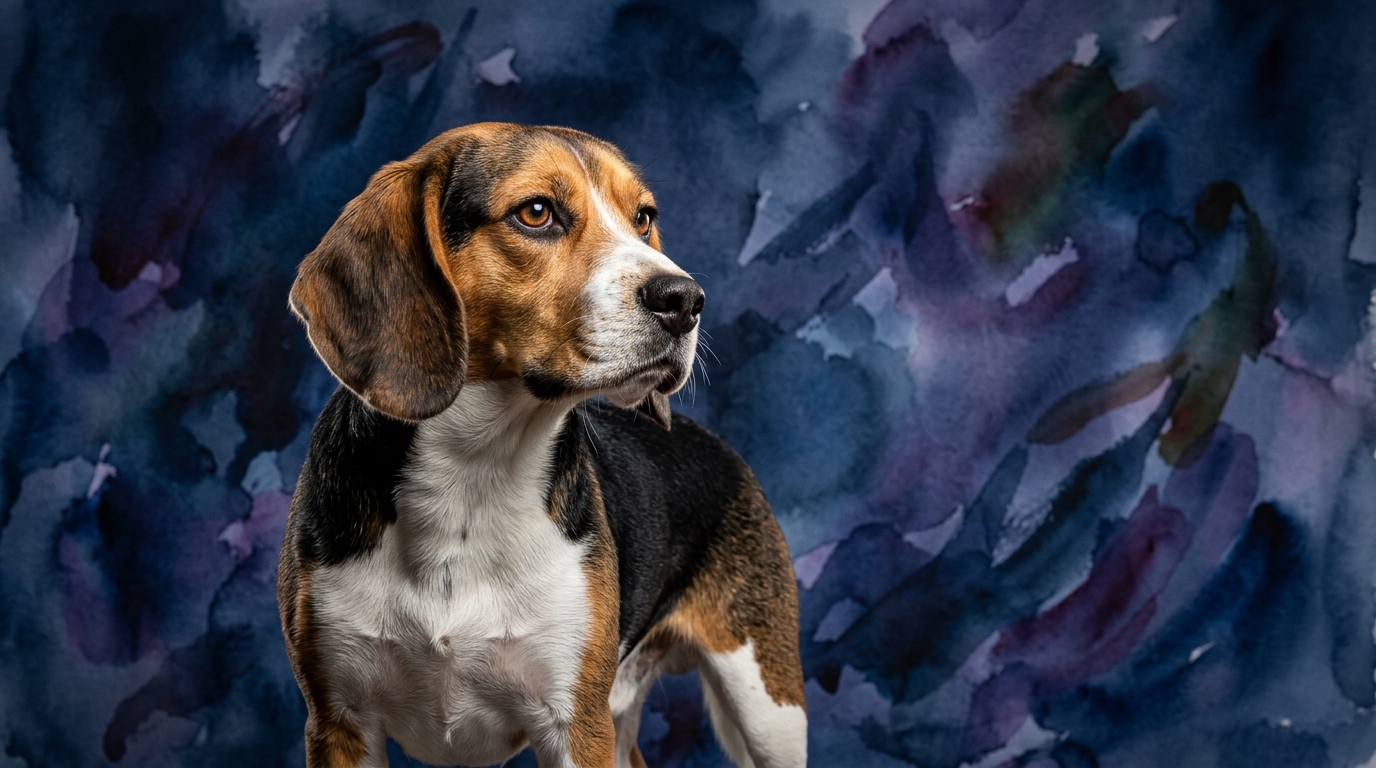
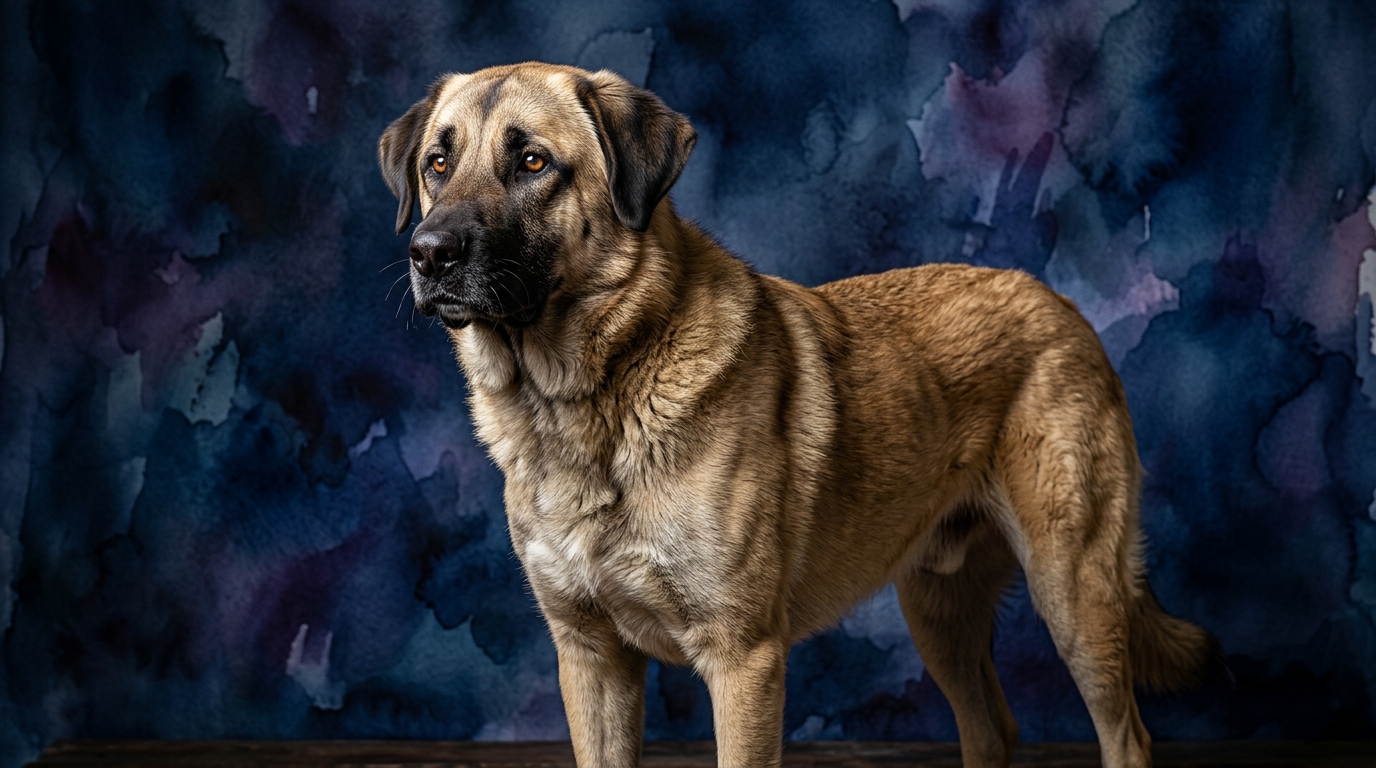
Side-by-Side IQ Profile: Beagle vs. Anatolian Shepherd Dog
The Cosmic Pet Pet IQ Lab employs a multi-faceted approach to assess canine cognition, moving beyond simple obedience to understand the nuances of a breed's mental aptitude. For the Beagle, we observe a strong specialization in olfactory tasks, while the Anatolian Shepherd Dog's profile highlights practical intelligence geared towards protection and independent decision-making.
**Beagle IQ Breakdown:** Problem Solving (4/5) reflects their adeptness at unraveling complex scent trails, often requiring persistence and intricate navigation to locate a hidden source. Training Speed (2/5) indicates that while capable, their powerful independent drive, particularly when engaged by a scent, can make rapid obedience training a challenge. Social Intelligence (3/5) shows they are generally amiable and responsive to pack dynamics, though their primary focus can easily shift to environmental stimuli. Instinctive Drive (5/5) is their defining characteristic, an unparalleled and tireless impulse to follow scent. Memory (4/5) highlights their impressive recall for specific scent patterns and associated locations, crucial for their historical role.
**Anatolian Shepherd Dog IQ Breakdown:** Problem Solving (3/5) demonstrates practical, situational intelligence, especially in assessing threats and protecting their charges, often requiring autonomous judgment. Training Speed (3/5) suggests a moderate learning curve, as they are capable learners but possess an inherent independence rooted in their guardian role, sometimes questioning commands if they conflict with their perceived duty. Social Intelligence (3/5) reflects their nuanced ability to bond deeply with their family and flock while maintaining a watchful, reserved demeanor towards strangers, adept at reading intentions. Instinctive Drive (3/5) is centered on guardianship and territorial defense, manifesting as a strong impulse to patrol and observe. Memory (3/5) indicates a functional recall for their territory, the individuals under their care, and past interactions, vital for their protective duties.
Where the Beagle Wins Cognitively
The Beagle's cognitive strengths are undeniably rooted in its olfactory prowess. Their Problem Solving score of 4/5 is a testament to their capacity for intricate scent discrimination and trail following. They can meticulously pick apart overlapping odors, mentally mapping a path that might be invisible to other breeds, demonstrating a highly specialized form of intelligence geared towards investigation and discovery. This isn't just about following a line; it's about interpreting a complex tapestry of information through their nose.
Furthermore, their Memory score of 4/5 is intricately linked to this scent-based problem-solving. A Beagle remembers not just the presence of a scent, but its direction, age, and relationship to other environmental cues. They excel at recalling specific scent profiles and the associated locations or outcomes, allowing them to learn from past experiences on the trail and apply that knowledge to new olfactory puzzles. This memory is less about recalling a 'sit' command and more about remembering the 'smell of that rabbit that went under the fence three fields back'.
Where the Anatolian Shepherd Dog Wins Cognitively
The Anatolian Shepherd Dog's cognitive advantages lie in their independent decision-making and situational awareness, critical for their guardian role. Their Problem Solving score of 3/5 reflects a practical intelligence focused on assessing threats and devising protective strategies without constant human direction. They are not solving abstract puzzles; they are evaluating real-time environmental data—the approach of a stranger, the distress of a flock member, the presence of a predator—and formulating a response that prioritizes safety.
Their Social Intelligence, also rated 3/5, is specifically tailored for their unique bond with their charges and family. This isn't about universal amiability, but about discerning friend from potential foe, understanding the subtle cues of their flock, and acting as a steadfast protector. They remember individuals within their care and can differentiate between routine occurrences and genuine threats, showcasing a sophisticated social understanding within their defined protective sphere. Their memory is practical, recalling the layout of their territory and the patterns of behavior of those they guard.
Which Is Easier to Train and Why?
When considering ease of training, the Beagle's Training Speed of 2/5 and the Anatolian Shepherd Dog's 3/5 reveal distinct challenges. Beagles, while eager to please in some contexts, are profoundly distracted by their powerful Instinctive Drive (5/5). A compelling scent overrides almost any command, making consistent obedience a marathon of patience and creative distraction management. Their minds are constantly processing olfactory information, which means retaining focus on a human instructor requires significant effort and a highly engaging training approach.
The Anatolian Shepherd Dog, with a moderate Training Speed of 3/5, is capable of learning but often requires a different approach due to their inherent independence. Bred to make autonomous decisions in the field, they are not naturally inclined to blindly follow commands that might conflict with their guardian instincts. Training an Anatolian involves building trust and demonstrating the utility of commands, rather than sheer repetition. They are less prone to scent distractions but more likely to 'think for themselves,' requiring an owner who can be a confident, consistent leader they respect.
Ultimately, neither breed is considered 'easy' in the conventional sense of quick, compliant obedience. The Beagle's challenge stems from an overwhelming sensory input that diverts attention, while the Anatolian's challenge arises from a deep-seated independence and a need to validate commands against their protective judgment. An owner needs to understand and work with these fundamental behavioral differences to achieve successful training outcomes.
Which Suits Active Owners vs. Relaxed Owners
For active owners, the Beagle presents a compelling companion, particularly those who enjoy engaging in scent work, hiking, or field trials. Their boundless energy and relentless Instinctive Drive (5/5) mean they thrive on activities that stimulate their powerful nose and allow them to explore. An active owner for a Beagle isn't just about physical exercise; it's about providing ample opportunities for mental enrichment through scent games, long sniffy walks, or even structured nose work. A relaxed owner who cannot fulfill this intense need for mental and physical engagement will likely find a Beagle to be a boisterous, potentially destructive, and certainly vocal housemate.
The Anatolian Shepherd Dog, while appearing less 'active' in a typical fetch-and-run sense, requires a different kind of dedicated owner. Their energy is often expressed through patrolling, observing, and maintaining vigilance. They need space to move and monitor their territory, and their mental stimulation comes from their perceived responsibility. A relaxed owner who expects a low-maintenance, sedentary dog will be overwhelmed by an Anatolian's need for purpose and structure, and their strong territorial instincts. They are ideal for owners who are active in managing property, livestock, or who appreciate a canine companion with a serious, protective demeanor and can provide consistent, calm leadership. Their 'activity' is more about presence and oversight than high-impact sport.
The Verdict
Choose a Beagle if you are captivated by their singular focus on scent, enjoy engaging in stimulating nose work activities, and are prepared for a lively, vocal companion whose curiosity often outweighs immediate obedience.
Opt for an Anatolian Shepherd Dog if you seek a steadfast, independent guardian, value a dog with a strong protective instinct, and are ready to provide consistent leadership and ample space for their watchful nature to flourish.
🧠 Find Your Pet's IQ Score
Our Pet IQ Lab assessment covers 25+ tests across 5 cognitive dimensions — personalized to your breed.
Take the Full IQ Test →Frequently Asked Questions
Are Beagles good family dogs despite their training challenges?
Yes, Beagles are generally good family dogs due to their amiable Social Intelligence (3/5) and playful nature. Their training challenges primarily stem from their powerful scent drive, which requires consistent, positive reinforcement and patience, rather than a lack of desire to connect with their human pack.
Do Anatolian Shepherd Dogs require a lot of early socialization?
Anatolian Shepherd Dogs benefit greatly from early and consistent socialization to develop their nuanced Social Intelligence (3/5). This helps them learn to appropriately distinguish between routine situations and actual threats, fostering a balanced protective instinct rather than undue wariness or aggression towards harmless stimuli.
Can a Beagle be trained for protection or guarding?
While Beagles have some problem-solving skills and memory, their Instinctive Drive (5/5) is overwhelmingly geared towards scenting, not protection. Their social intelligence and physical build are not suited for guarding roles, and attempting to train them for such tasks would go against their natural inclinations and likely be ineffective.