Side-by-Side Cognitive Profiles: The Cosmic Pet Pet IQ Lab Insights
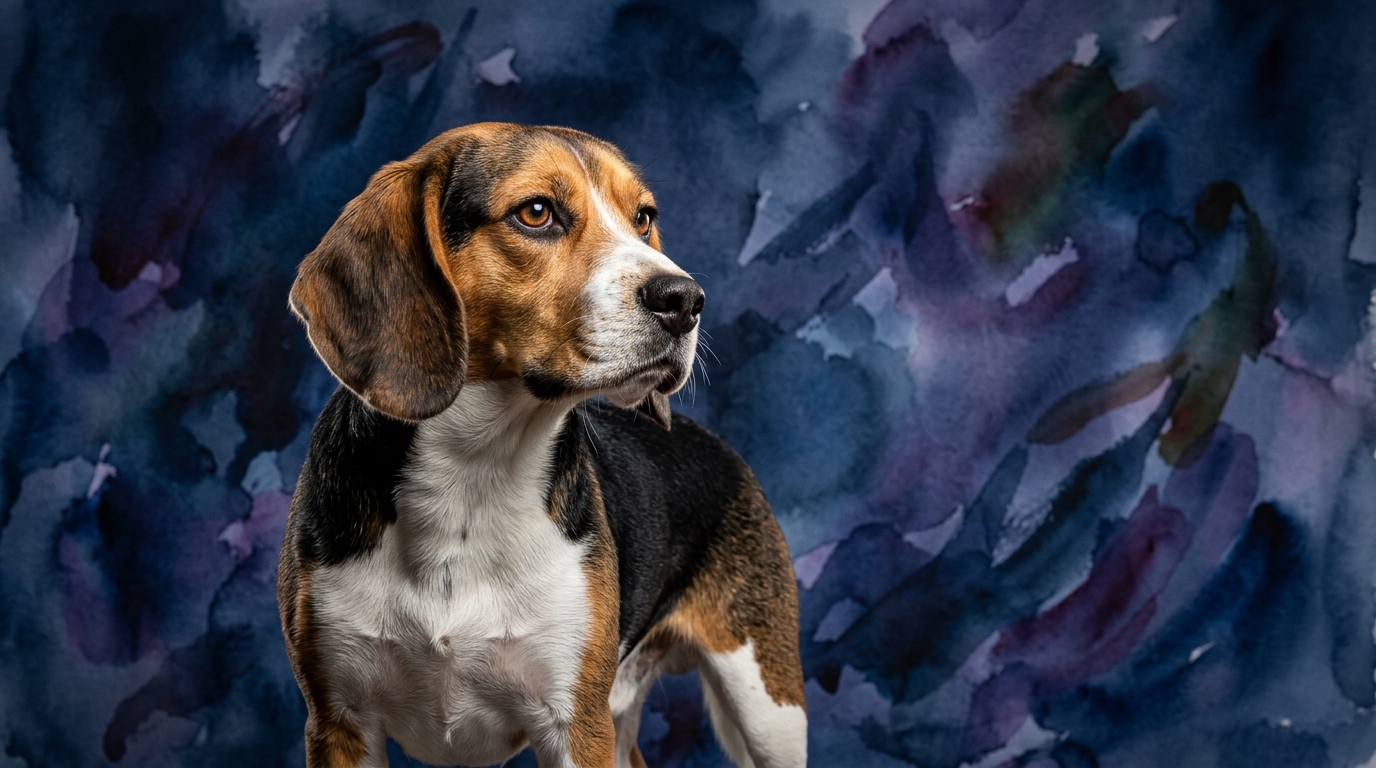
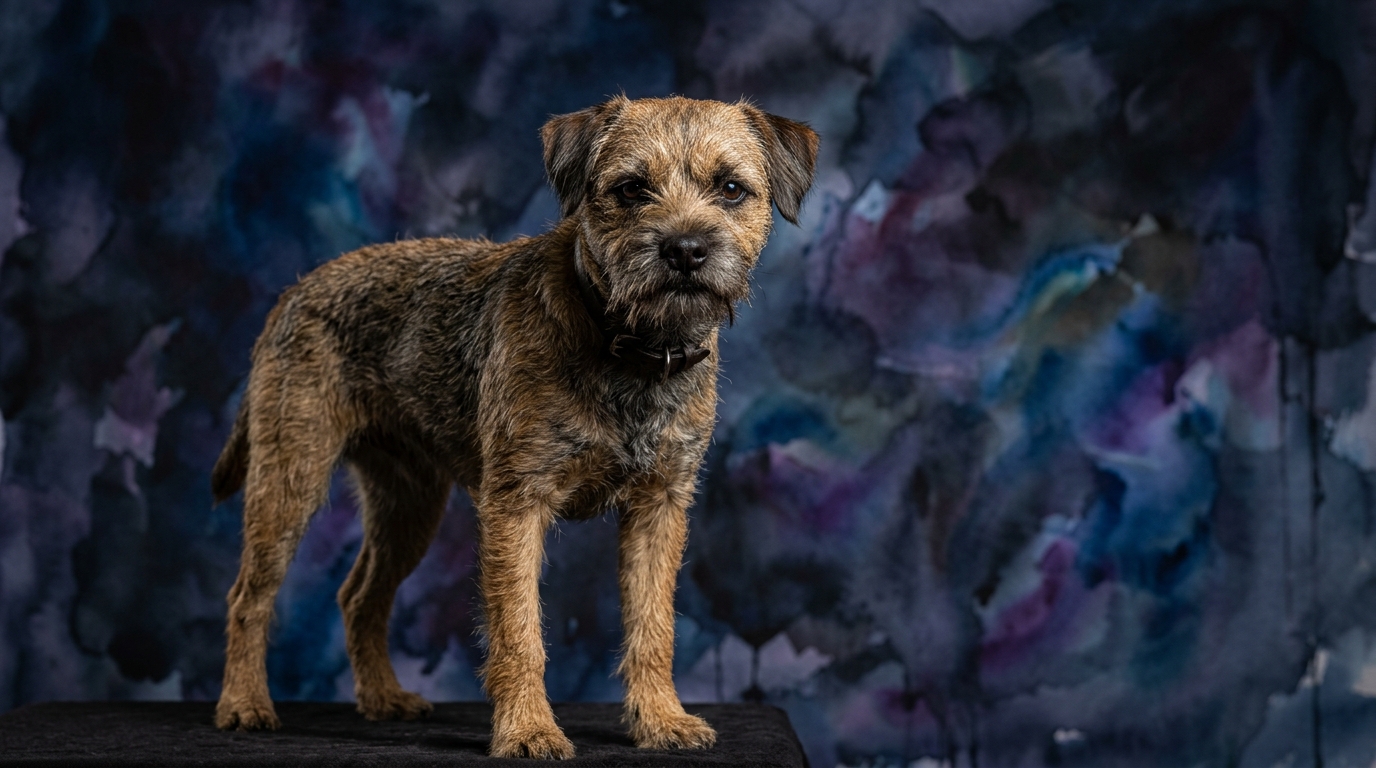
The Cosmic Pet Pet IQ Lab evaluates canine intelligence across five key dimensions, offering a nuanced understanding beyond simple ranking. For the Beagle, ranked #72 by Coren, its cognitive strengths are deeply rooted in its olfactory world, while the Border Terrier, with a significantly higher Coren rank of #30, demonstrates a broader, more adaptable cognitive toolkit.
The Beagle's profile highlights its specialized brilliance: its Problem Solving is rated 4/5, specifically within the realm of scent-based challenges, navigating intricate trails and deciphering complex olfactory information. Its Training Speed is a modest 2/5, indicating a preference for independent action over immediate human directives, particularly when a compelling scent is present. Social Intelligence stands at 3/5; Beagles are generally amiable but their primary focus often remains external stimuli rather than intricate human interaction. Its Instinctive Drive is an exceptional 5/5, an overwhelming compulsion to follow a scent, which defines much of its existence. Finally, its Memory is 4/5, outstanding for recalling scent patterns and the routes associated with them.
In contrast, the Border Terrier presents a different array of cognitive strengths. Its Problem Solving is also 4/5, but this manifests as resourcefulness and cleverness in manipulating its environment or overcoming obstacles to achieve a goal, such as finding a hidden toy or figuring out a gate latch. The Border Terrier's Training Speed is a robust 4/5, showing a readiness to engage with and learn from human instruction, absorbing new commands and routines with relative ease. Social Intelligence is 3/5; they are typically affectionate with their family but can be reserved with strangers, exhibiting a balanced social awareness. Instinctive Drive is 3/5, present as a prey drive for small animals, but it is generally more manageable and less all-consuming than a Beagle's scent drive. Its Memory is 4/5, allowing it to retain training, routines, and experiences effectively over time.
Where the Beagle's Cognition Shines
The Beagle's cognitive triumphs are unequivocally tied to its olfactory prowess. With an Instinctive Drive of 5/5 and Problem Solving at 4/5 for scent-related tasks, no other breed in this comparison can rival its ability to process and follow a scent trail. This isn't just about 'sniffing'; it's a complex cognitive process involving discrimination, retention, and navigation. A Beagle can unravel a convoluted path, distinguishing a target scent from countless others, and demonstrating exceptional endurance and focus in its pursuit. Their 4/5 Memory reinforces this, allowing them to recall specific scent profiles and spatial information from previous encounters, making them unparalleled in activities like tracking and scent detection. This specialized intelligence allows them to excel in roles where their nose is the primary tool, showcasing a form of brilliance often underestimated by general obedience metrics.
Where the Border Terrier's Cognition Excels
The Border Terrier's higher Coren rank of #30 and its balanced cognitive profile point to a broader, more adaptable form of intelligence. Its 4/5 Training Speed is a clear advantage, enabling it to grasp new commands and concepts more readily than the Beagle. This translates into quicker progress in obedience, agility, and other canine sports where human-directed learning is key. Their Problem Solving at 4/5, while matching the Beagle's score, manifests differently; it's about practical ingenuity and resourcefulness in everyday situations, like maneuvering objects or strategizing to get what they want, rather than solely following a scent. This adaptability, combined with a 4/5 Memory for human cues and routines, makes them generally more pliable and responsive to a variety of learning environments and tasks, showcasing a versatile cognitive architecture.
Trainability: A Tale of Two Drives
When it comes to ease of training, the Border Terrier generally holds the advantage. Its Training Speed of 4/5 means it typically learns new commands quickly and is eager to please, responding well to consistent positive reinforcement. While they possess an instinctive drive (3/5), it's usually manageable and can be channeled into constructive activities. Border Terriers often enjoy the mental engagement of training sessions and thrive on having a 'job' to do, making them responsive partners in learning.
The Beagle, with a Training Speed of 2/5, presents a more significant challenge. Its overwhelming Instinctive Drive of 5/5 means that once a compelling scent is detected, its focus shifts entirely to that trail, making it notoriously difficult to recall or redirect. This isn't a lack of ability, but a prioritization of its innate purpose. Training a Beagle requires immense patience, creativity, and high-value rewards to compete with the allure of a scent. Owners must understand that a Beagle's 'selective deafness' is not defiance, but a profound commitment to its olfactory world, necessitating a different approach to engagement and control.
Matching Canine Cognition to Owner Lifestyles
The distinct cognitive profiles of the Beagle and Border Terrier naturally align with different owner lifestyles. An active owner who enjoys exploring the outdoors, particularly those interested in scent work, tracking, or simply long, meandering walks where the dog can follow its nose, might find a deep connection with a Beagle. These owners must also be prepared for a dog whose primary drive is independent and requires secure environments to prevent wandering. They should appreciate the Beagle's unique form of problem-solving and memory related to scent, and be patient with its training speed.
Conversely, the Border Terrier suits owners who seek an engaged, versatile companion capable of participating in a wider range of activities. Their higher training speed and practical problem-solving make them suitable for agility, obedience, earthdog trials, or simply being a responsive family member. Owners who enjoy consistent training, providing mental stimulation through puzzle toys and varied activities, and desire a partner who learns and adapts readily will likely find the Border Terrier a rewarding match. They are generally more biddable for those seeking a dog that integrates more seamlessly into a structured home life while still offering plenty of spirit and activity.
The Verdict
Choose a Beagle if you are captivated by the profound world of scent, value an independent spirit, and are prepared to engage with a dog whose life is largely dictated by its nose, requiring patience and creative management.
Opt for a Border Terrier if you desire a versatile, quick-learning companion eager to participate in various activities, offering a more biddable training experience and adapting readily to an active, engaged family life.
🧠 Find Your Pet's IQ Score
Our Pet IQ Lab assessment covers 25+ tests across 5 cognitive dimensions — personalized to your breed.
Take the Full IQ Test →Frequently Asked Questions
Do Beagles or Border Terriers require more mental stimulation?
Both breeds require mental stimulation, but it manifests differently. Beagles need outlets for their exceptional scent drive, like scent games or tracking activities, to prevent boredom. Border Terriers, with their problem-solving skills and higher training speed, thrive on varied training, puzzle toys, and interactive play that challenges their wit and provides a 'job'.
Which breed is better for first-time dog owners?
The Border Terrier is generally more forgiving for first-time dog owners due to its higher training speed and more manageable instinctive drives, making it easier to teach basic obedience. Beagles, with their strong independent scent drive and lower training speed, can be more challenging for those new to dog ownership, requiring greater patience and understanding of their unique motivations.
How do their social intelligences compare in a family setting?
Both breeds have a social intelligence rating of 3/5, suggesting they are generally good family companions. Beagles are often described as amiable and get along well with children and other pets, though their primary focus can shift to external scents. Border Terriers are typically affectionate with their families and can be good with children, but may be more reserved with strangers, offering a balanced social demeanor.