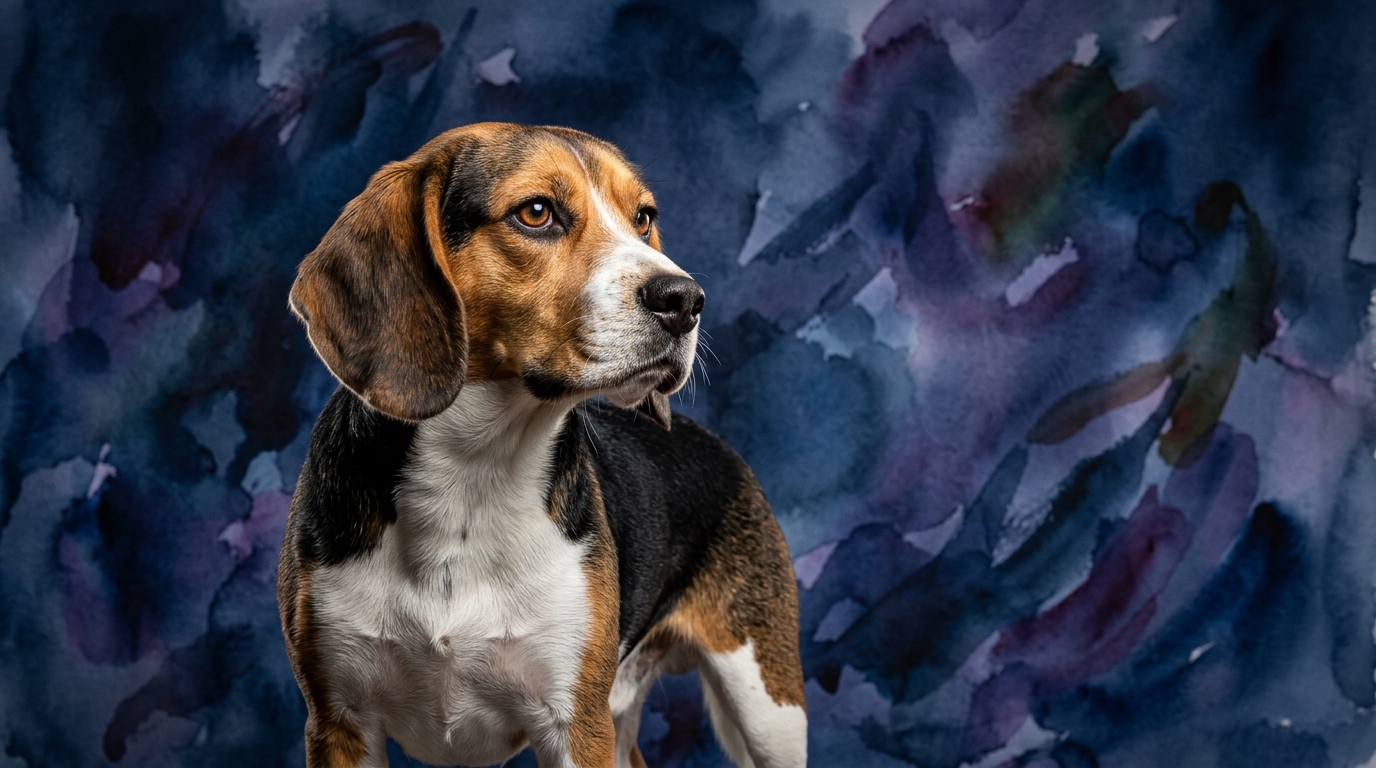
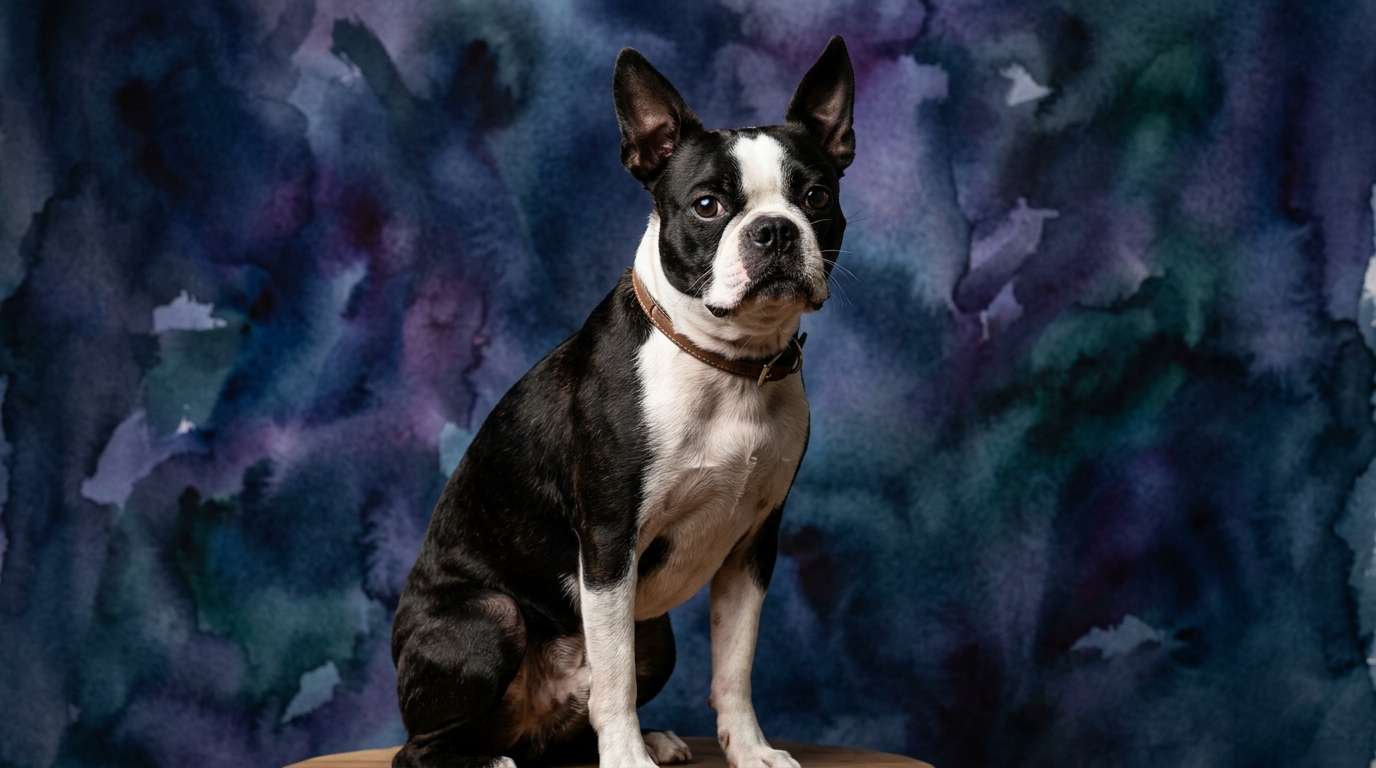
Side-by-Side IQ Profile: Beagle vs. Boston Terrier
The Cosmic Pet Pet IQ Lab framework offers a nuanced perspective on canine cognition, moving beyond simplistic labels to evaluate specific mental dimensions. For the Beagle, a breed rooted in scent-tracking, its cognitive landscape is profoundly shaped by its ancestral purpose, while the Boston Terrier, bred for companionship, exhibits a different array of mental strengths. Understanding these profiles is key to appreciating their individual brilliance.
The Beagle's IQ profile reveals a master of sensory navigation, scoring a robust 4/5 in Problem Solving, particularly when it involves unraveling a scent mystery or bypassing obstacles to follow an intriguing odor. Their Instinctive Drive is an unmatched 5/5, reflecting an intense, almost singular focus on scent work that can sometimes overshadow other cognitive functions. This profound drive, however, contributes to a Training Speed of 2/5, as their independent pursuit of olfactory information can make them less receptive to human-centric commands. Their Memory, rated 4/5, is exceptional for recalling complex scent pathways and environmental details, though their Social Intelligence sits at a moderate 3/5, as their world is often dominated by their nose rather than human social cues.
In contrast, the Boston Terrier, with its Coren rank of #54, presents a profile geared towards harmonious cohabitation. Its Problem Solving at 3/5 demonstrates a practical intelligence for navigating daily life and understanding household dynamics, though without the Beagle's drive for independent discovery. A Training Speed of 3/5 indicates a responsive learner, often motivated by human interaction and praise, which aligns with its impressive Social Intelligence score of 4/5. Boston Terriers excel at reading human emotions and adapting their behavior accordingly, making them highly perceptive companions. Their Instinctive Drive is a modest 2/5, signifying a low impulse for independent hunting or roaming, preferring instead to engage with their family. Finally, their Memory at 3/5 is perfectly suited for remembering routines and commands crucial for domestic life, if not for complex, long-term scent trails.
Where the Beagle Wins Cognitively
When it comes to raw, independent problem-solving deeply intertwined with their evolutionary purpose, the Beagle truly shines. Their 4/5 Problem Solving score isn't about solving abstract puzzles, but about mastering the intricate art of scent detection and tracking. A Beagle can methodically work through a complex environment, processing countless olfactory cues to isolate a specific target, demonstrating a cognitive tenacity that few breeds can match. This involves spatial reasoning, pattern recognition in scent, and a persistent drive to overcome physical barriers—all driven by their profound instinctive wiring.
This prowess is inextricably linked to their perfect 5/5 Instinctive Drive. This isn't just about 'wanting' to sniff; it's a cognitive engine that fuels their focus, endurance, and decision-making in the field. A Beagle uses its instincts to prioritize information, filter distractions, and maintain a singular objective, showcasing a specialized form of mental discipline. Their 4/5 Memory further enhances this, allowing them to store and recall vast libraries of scent information and geographical details related to their tracking endeavors, which is a significant cognitive advantage in their world.
Where the Boston Terrier Wins Cognitively
The Boston Terrier’s cognitive strengths are profoundly social, making them masters of human-canine interaction. Their standout 4/5 Social Intelligence score reflects an innate ability to read and respond to human emotions and body language with remarkable accuracy. This breed often anticipates needs, offers comfort, or initiates play based on subtle cues from their family members, demonstrating a sophisticated understanding of relational dynamics. This isn't just about being friendly; it's about a deep cognitive processing of social information to foster strong bonds and navigate shared environments harmoniously.
This exceptional social acumen directly influences their 3/5 Training Speed. While not as fast as some breeds, their desire to please and their sensitivity to human feedback make them eager and willing participants in training. They learn quickly when the learning reinforces their social connection, interpreting commands as opportunities for positive interaction rather than mere tasks. Their Problem Solving at 3/5, while not as driven by primal instincts, is highly effective in a domestic context, enabling them to understand household rules, manipulate situations for attention, or figure out how to access a favorite toy within a social framework.
Which is Easier to Train and Why
When evaluating ease of training, the contrasting cognitive profiles of the Beagle and Boston Terrier paint a clear picture. The Boston Terrier, with its 3/5 Training Speed and commendable 4/5 Social Intelligence, is generally considered the more straightforward student. Their eagerness to engage with humans and their sensitivity to praise mean they are often highly motivated to learn commands and adapt to household rules. They thrive on positive reinforcement and clear communication, making them responsive to a wide range of training approaches, even for first-time dog owners. Their lower 2/5 Instinctive Drive means fewer internal distractions drawing their attention away from the training session.
Conversely, the Beagle’s 2/5 Training Speed doesn't stem from a lack of capacity, but from a powerful, often irresistible, internal pull. Their 5/5 Instinctive Drive means that a captivating scent can instantly override any command, making consistent attention a significant challenge. Training a Beagle requires immense patience, creativity, and a deep understanding of their olfactory world. Owners must learn to leverage their scent drive in training, perhaps by using scent-based rewards or incorporating nose work, rather than fighting against it. While they can certainly learn, their independent nature and single-minded pursuit of odors demand a dedicated and consistent training regimen, often proving more challenging for those unfamiliar with hound tendencies.
Which Suits Active Owners vs. Relaxed Owners
Considering their differing cognitive needs, the Beagle and Boston Terrier naturally align with distinct owner lifestyles. The Beagle, a creature of robust physical and mental stamina, is perfectly suited for active owners who relish outdoor adventures and can provide consistent outlets for their formidable 5/5 Instinctive Drive. These dogs thrive on long, explorative walks, scent-tracking games, and any activity that engages their 4/5 Problem Solving abilities, especially those involving their nose. An owner who can channel this innate drive into structured activities like canine nose work or tracking sports will find a highly engaged and fulfilled companion; without sufficient mental and physical stimulation, Beagles can become bored, vocal, or engage in undesirable behaviors.
The Boston Terrier, on the other hand, with its lower 2/5 Instinctive Drive and higher 4/5 Social Intelligence, is an ideal match for more relaxed owners seeking a devoted and perceptive companion. While they enjoy regular walks and playtime, their cognitive needs are largely met through social interaction, comfortable companionship, and participation in family routines. They are generally content with moderate daily activity and thrive in environments where they can be close to their people, making them excellent choices for apartment dwellers or individuals who prefer a less demanding canine partner. Their ability to adapt and find contentment in a calmer domestic setting is a testament to their socially-oriented cognitive design.
The Verdict
Choose a Beagle if you are an active owner passionate about engaging a dog's profound scenting abilities and are prepared for a persistent, independent problem-solver driven by instinct.
Choose a Boston Terrier if you seek a highly social, perceptive companion who thrives on human interaction, learns readily through positive reinforcement, and integrates seamlessly into a relaxed family life.
🧠 Find Your Pet's IQ Score
Our Pet IQ Lab assessment covers 25+ tests across 5 cognitive dimensions — personalized to your breed.
Take the Full IQ Test →Frequently Asked Questions
Are Beagles stubborn to train?
Beagles aren't necessarily stubborn, but their intense 5/5 Instinctive Drive, particularly for scent, often makes them appear independent or distracted during training. Their focus on olfactory input can override human commands, requiring patient, consistent, and scent-aware training methods to succeed.
Do Boston Terriers need a lot of mental stimulation?
Boston Terriers require mental stimulation, but it's largely met through social interaction and learning new commands because of their 4/5 Social Intelligence. Unlike Beagles, they don't typically need extensive "work" like tracking; engaging with their family and participating in daily routines usually satisfies their cognitive needs.
Which breed is better for a first-time dog owner?
For a first-time dog owner, the Boston Terrier is generally more adaptable due to its higher 4/5 Social Intelligence and more moderate 3/5 Training Speed, making them more receptive to learning and eager to please. The Beagle's strong 5/5 Instinctive Drive and lower 2/5 Training Speed can pose greater challenges for an inexperienced owner.