IQ Profiles: Beagle vs. Cesky Terrier
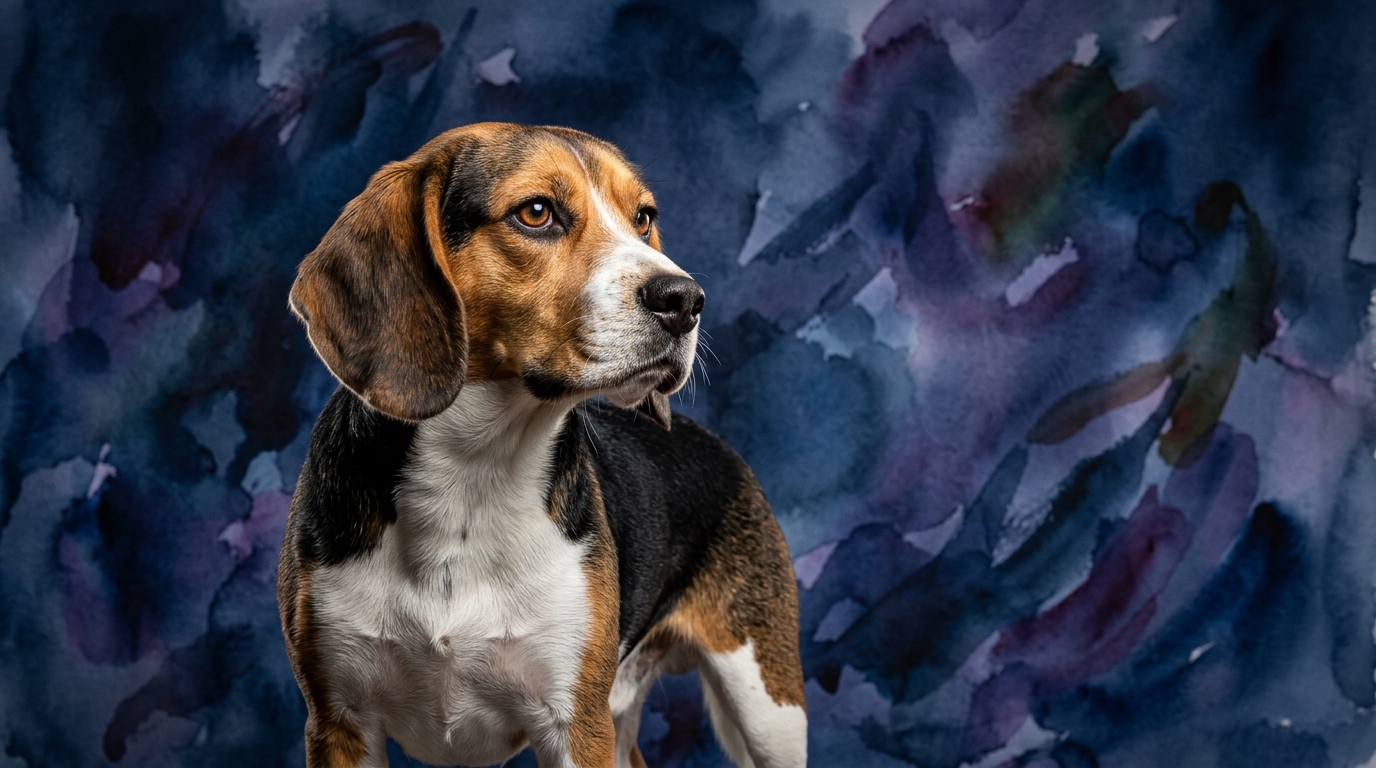
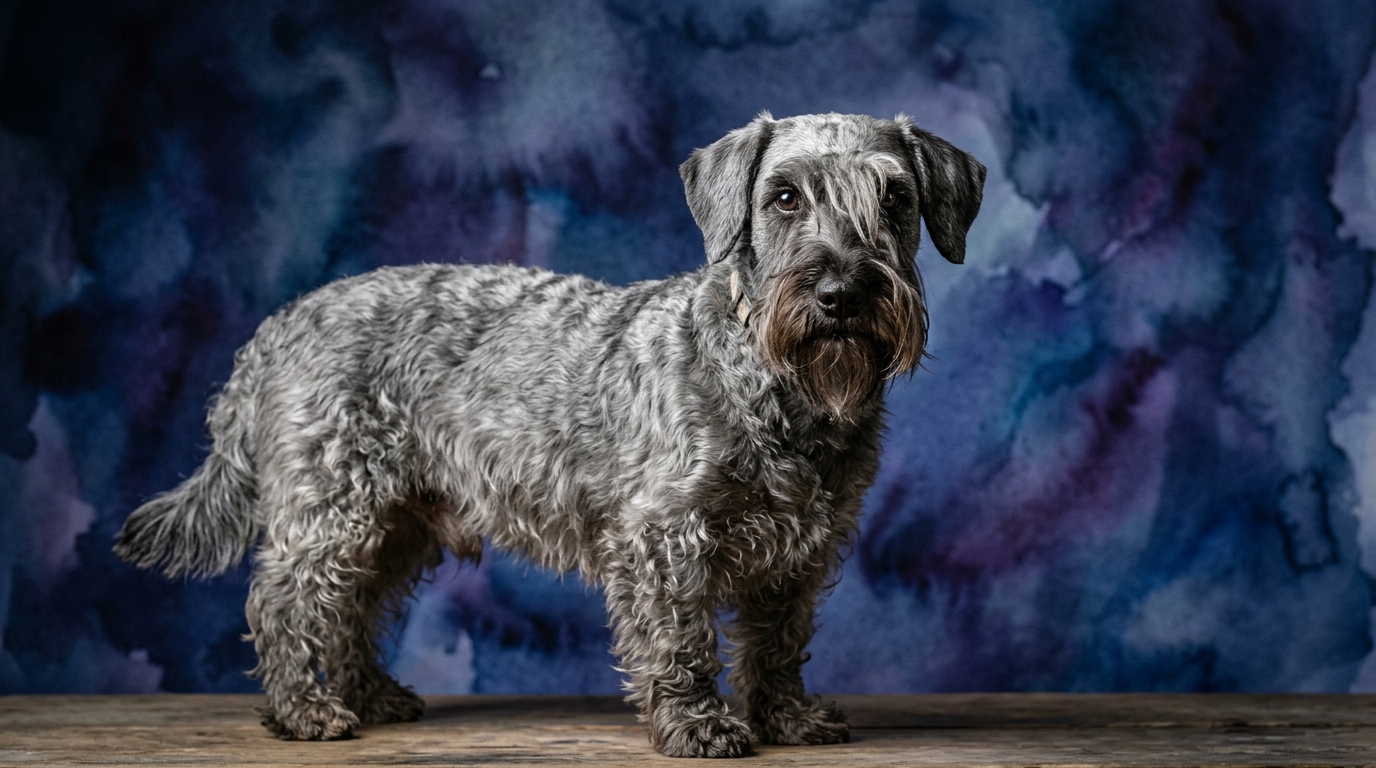
The Cosmic Pet Pet IQ Lab employs a five-dimensional framework to assess canine intelligence, moving beyond simple obedience to encompass a wider spectrum of cognitive abilities. This framework allows us to dissect the nuances of each breed's mental strengths and tendencies. The Beagle, a Hound breed, registers at Coren rank #72, while the Cesky Terrier, a Terrier breed, does not have a specific Coren ranking, highlighting the variability in formal assessment.
For the Beagle, our assessment reveals a Problem Solving score of 4/5, indicating a strong capacity for figuring out how to achieve goals, particularly those related to scent. Their Training Speed is 2/5, suggesting a slower uptake of new commands. Social Intelligence stands at 3/5, reflecting their pack-oriented nature and generally amicable disposition. An Instinctive Drive of 5/5 is a defining trait, demonstrating an overwhelming compulsion to follow scent. Finally, their Memory is rated at 4/5, allowing them to recall complex scent trails and routines.
The Cesky Terrier presents a different cognitive blueprint. Their Problem Solving score is 3/5, showing a solid but not extraordinary ability to navigate challenges. Training Speed is 3/5, indicating a moderate pace of learning new tasks. Social Intelligence matches the Beagle at 3/5, signifying a capacity for forming bonds, though perhaps with a slightly more reserved approach to strangers. Their Instinctive Drive is 3/5, present but less all-consuming than the Beagle's. Memory for the Cesky Terrier is 3/5, suggesting a good, reliable capacity for remembering learned behaviors and familiar individuals.
Where the Beagle's Mind Shines
The Beagle’s cognitive strengths are profoundly linked to their ancestral role as a scent hound, manifesting most prominently in their problem-solving and memory capabilities. With a Problem Solving score of 4/5, Beagles excel at tasks requiring them to follow intricate scent patterns, deciphering environmental cues to locate a target. This isn't about abstract logic, but a highly specialized form of intelligence geared towards navigating complex sensory input. Their minds are wired to process olfactory information with remarkable precision, allowing them to overcome physical barriers or distractions when a compelling scent is present.
Their Instinctive Drive, an unparalleled 5/5, is the engine behind this cognitive prowess. This drive isn't just about chasing; it's about an unwavering focus that allows them to maintain a mental map of a scent trail over long distances and extended periods. This persistence, while challenging in a domestic setting, is a testament to their deep-seated cognitive strength in their specific domain. Furthermore, a Memory score of 4/5 supports this, enabling them to recall not just specific scents, but also the pathways and sequences associated with them, making them highly effective in their original hunting purpose. They remember where the most interesting smells were, and how to get back to them, even days later. This memory is less about recalling human commands and more about retaining environmental information critical for their hunting tasks.
Cognitive Strengths of the Cesky Terrier
While the Cesky Terrier doesn't possess the Beagle's specialized olfactory genius, their cognitive profile showcases a balanced and adaptable intelligence, particularly when compared within their own terrier context. Their Problem Solving score of 3/5 reflects a practical ingenuity, allowing them to figure out how to access small prey or navigate tight spaces. This isn't the grand, sweeping problem-solving of a scent trail, but a focused, persistent approach to immediate, tangible challenges, often involving digging or maneuvering. They demonstrate a tenacious resolve in achieving their goals, even if the cognitive process is less about intricate deduction and more about determined exploration.
The Cesky Terrier's Training Speed of 3/5, a point higher than the Beagle's, signifies a greater willingness to engage with and learn from human instruction. While still possessing a terrier's characteristic independence, they are generally more amenable to structured training sessions, processing commands and associating them with rewards more readily. Their Instinctive Drive of 3/5, though lower than the Beagle's, is still significant, manifesting as a keen prey drive and a love for digging. However, this drive is typically more manageable and less overwhelming than the Beagle's scent obsession, allowing for a more balanced focus on their human companions and their environment. This moderation contributes to their relative ease in adapting to diverse living situations, as their drives are less likely to completely override their attentiveness to their owners.
Training: Beagle vs. Cesky Terrier
When it comes to ease of training, the Cesky Terrier generally presents a more straightforward experience than the Beagle. The Cesky's Training Speed of 3/5 indicates a moderate capacity for learning new commands, aided by their moderate Instinctive Drive (3/5). While they retain a terrier's characteristic persistence and occasional stubborn streak, their prey drive is typically more manageable and less likely to completely derail a training session. They are often more focused on their handler during training, finding value in interaction and rewards, making them responsive to consistent, positive reinforcement methods. Their problem-solving abilities, while not scent-specialized, are practical, allowing them to understand cause and effect in training scenarios.
The Beagle, by contrast, has a Training Speed of 2/5, largely influenced by their overwhelming Instinctive Drive of 5/5. A Beagle's world is dominated by scent, and once their nose is engaged, the human voice often fades into the background. This makes consistent recall and leash manners particularly challenging. Their independent nature, honed over generations of following scent trails without direct human guidance, means they don't always see the immediate relevance of a human command if a more compelling olfactory stimulus is present. Real behavioral differences include the Beagle's tendency to 'go deaf' when on a scent, pulling relentlessly on the leash, or bolting through an open gate to explore a promising smell. While intelligent in their own right, their cognitive priorities are simply different, making them less inclined to quickly adopt human-centric rules and more inclined to follow their primal urges.
Lifestyle Fit: Active vs. Relaxed Owners
Matching a dog's cognitive profile to an owner's lifestyle is crucial for a harmonious relationship. The Beagle, with its extraordinary Instinctive Drive (5/5) and high Problem Solving (4/5) centered around scent, is best suited for active owners who relish outdoor adventures and are prepared to engage with their dog's profound olfactory world. These are not dogs for relaxed, sedentary individuals; they require significant daily exercise, often involving long, sniff-filled walks or secure off-leash areas where their nose can lead the way. Owners must be ready to manage a dog with a powerful prey drive and an independent mind that may wander if not adequately stimulated. They thrive with owners who can integrate scent work or tracking into their routine, providing an outlet for their innate talents.
The Cesky Terrier, with its more balanced Instinctive Drive (3/5) and moderate Problem Solving (3/5) and Training Speed (3/5), offers greater versatility for owners with varying activity levels, leaning towards moderately active rather than strictly relaxed. While they still need regular exercise and mental engagement to prevent boredom and destructive behaviors, their demands are generally less intense and all-consuming than a Beagle's. They enjoy walks, playtime, and engaging in training, but are also content to relax indoors with their family after their needs are met. They suit owners who appreciate a sturdy, persistent companion willing to participate in family activities and engage in consistent training without being overwhelmed by an insatiable drive.
The Verdict
Choose the Beagle if you are an active individual or family seeking a jovial, affectionate companion with an unparalleled nose, willing to embrace their independent, scent-driven nature and provide ample outlets for their instincts.
Opt for the Cesky Terrier if you desire a robust, adaptable, and charmingly persistent companion that is generally more amenable to training and can thrive in a moderately active household, appreciating a dog with a balanced terrier spirit.
🧠 Find Your Pet's IQ Score
Our Pet IQ Lab assessment covers 25+ tests across 5 cognitive dimensions — personalized to your breed.
Take the Full IQ Test →Frequently Asked Questions
Are Beagles difficult to train due to their intelligence?
Beagles possess a highly specialized intelligence, particularly for scent work, which can make traditional obedience training challenging. Their high instinctive drive often overrides their focus on human commands, requiring patient, consistent training methods that account for their powerful nose and independent nature.
How does the Cesky Terrier's unranked status compare to the Beagle's Coren rank?
The Coren ranking primarily assesses obedience intelligence, reflecting how quickly a dog learns and obeys commands. The Cesky Terrier's lack of a specific Coren rank doesn't imply a lack of intelligence, but rather that their specific cognitive strengths and training responsiveness may not align perfectly with the obedience-focused criteria of that particular ranking system, or they are less common in competition.
Which breed is better for families with children?
Both breeds can be good family dogs, but their temperaments differ. Beagles are typically very tolerant and playful, fitting well into active family life, though their strong scent drive requires vigilance. Cesky Terriers are loyal and affectionate with their families but can be more reserved with strangers and benefit from early socialization to ensure they are comfortable with children and visitors.