Side-by-Side IQ Profile: Understanding Hound Cognition
The Cosmic Pet Pet IQ Lab provides a nuanced framework for understanding canine minds, assessing five key dimensions. Let's delve into how Beagles and Cirneco dell'Etna dogs stack up.
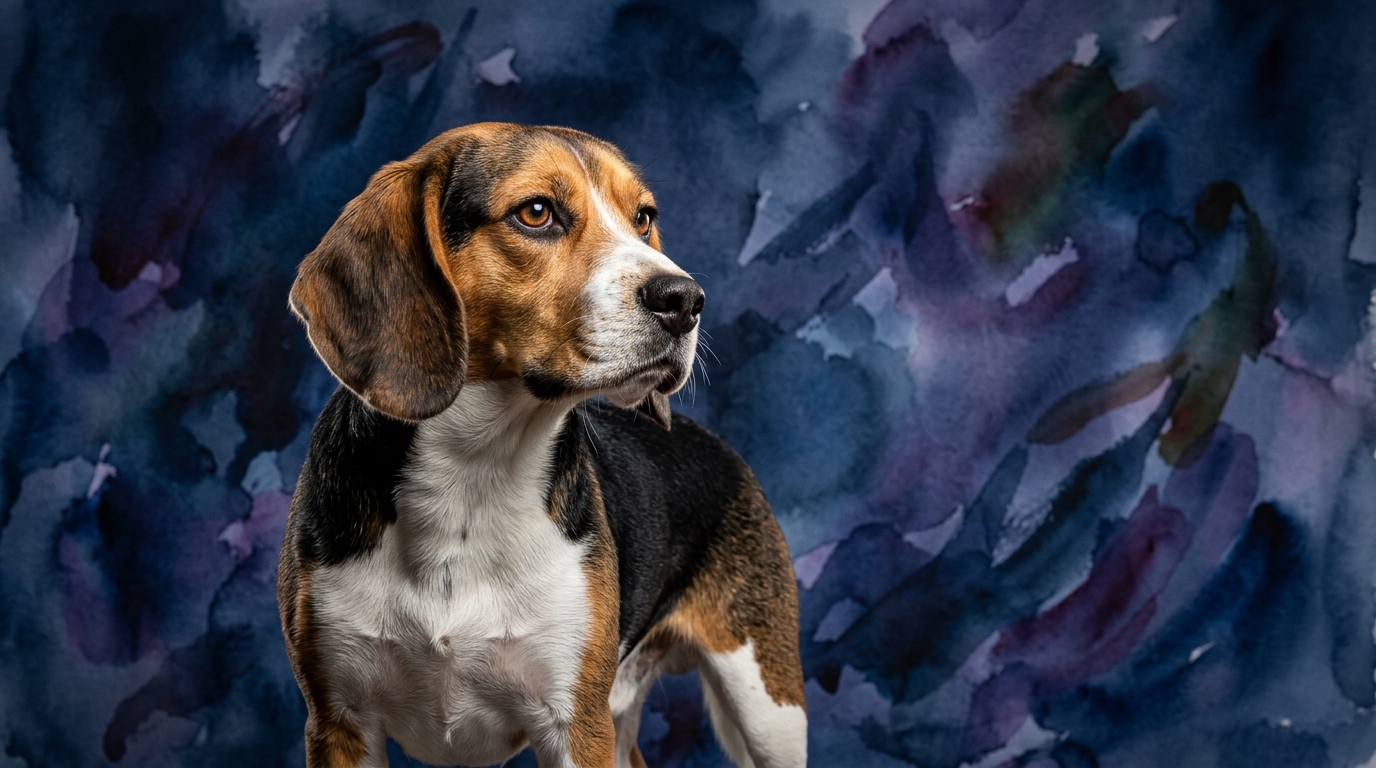
**Beagle Cognitive Profile:**
**Problem Solving (4/5):** Beagles excel at navigating to scent sources, demonstrating persistence and creative solutions around obstacles. Their strong drive fuels ingenuity in overcoming physical barriers or deciphering complex scent trails, primarily in scent-driven contexts.
**Training Speed (2/5):** While capable, Beagles are often single-minded when a compelling scent is present, making training a patient endeavor. Their independent streak prioritizes olfactory pursuits over immediate compliance, demanding consistent, high-value motivation.
**Social Intelligence (3/5):** Generally affable with people and other dogs, Beagles' social interactions can be secondary to their primary scent drive. They integrate well but may become engrossed in scent work, momentarily ignoring social cues.
**Instinctive Drive (5/5):** This is paramount; their instinct to track scent is extraordinarily powerful, overriding almost all other stimuli. This profound drive makes them exceptional working scent hounds but challenging for off-leash control.
**Memory (4/5):** Beagles possess impressive memory for locations with interesting scents or past hunting successes. They recall complex scent patterns over time, aiding their persistent tracking and efficient revisiting of rewarding stimuli.
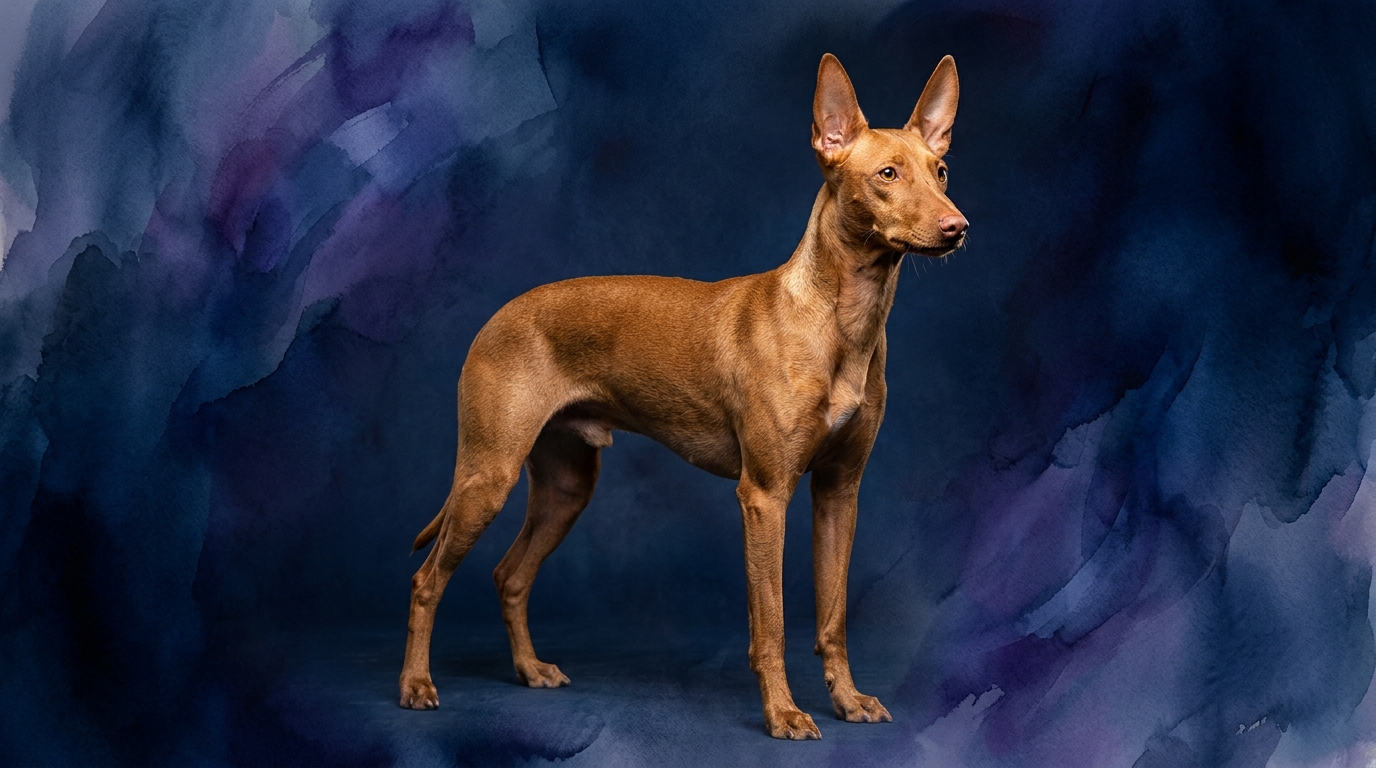
**Cirneco dell'Etna Cognitive Profile:**
**Problem Solving (3/5):** Cirnecos are adept at practical problem-solving related to their sighthound heritage, like navigating varied terrain or flushing small game efficiently. Their solutions are often direct, relying on agility and keen observation rather than complex scent deduction.
**Training Speed (3/5):** Cirnecos show moderate training speed, picking up commands with reasonable consistency, especially with engaging, positive reinforcement. They are generally more cooperative than some hounds, responding well to clear communication.
**Social Intelligence (3/5):** Typically reserved with strangers but forming deep bonds with family, Cirnecos demonstrate balanced social awareness. They read human emotions adequately and generally coexist peacefully with other pets, with subtle, selective social overtures.
**Instinctive Drive (3/5):** Cirnecos exhibit a moderate, primarily visual prey drive focused on chasing small, fast-moving objects. This drive is less all-consuming than a Beagle's olfactory obsession, allowing for more situational control and easier disengagement from a chase.
**Memory (3/5):** Cirnecos have functional memory, retaining learned commands and routines effectively. They remember familiar places and people, and their recall of hunting experiences is sufficient for their needs, though not as specialized as a scent hound's.
Where the Beagle's Cognition Excels
The Beagle's cognitive strengths distinctly revolve around its unparalleled olfactory world. Its Problem Solving score of 4/5, combined with an Instinctive Drive of 5/5, means a Beagle can unravel complex scent puzzles that would leave other breeds bewildered. They demonstrate remarkable tenacity in following a faint trail, mentally reconstructing the path of an elusive rabbit or a dropped treat. This isn't just about smell; it's about the cognitive process of interpreting, prioritizing, and committing to a sensory input over extended periods and varied terrains. Furthermore, their Memory at 4/5 allows them to log and recall a vast library of scent profiles and associated experiences, making them incredibly efficient at revisiting promising territories or recognizing familiar odors even after long intervals.
Where the Cirneco dell'Etna's Cognition Shines
While the Cirneco dell'Etna's cognitive profile might appear more moderate on paper, its strengths lie in a balanced application of its abilities, often leading to greater adaptability in modern home environments. With a Training Speed of 3/5, it generally responds more readily to instruction than a Beagle (2/5), making the initial stages of obedience training potentially smoother. Their lesser degree of single-minded instinctive drive (3/5 compared to a Beagle's 5/5) means they are less likely to become completely engrossed by an external stimulus to the exclusion of their handler. Their Problem Solving at 3/5, while lower than a Beagle's, is applied more broadly to their environment, focusing on efficient movement and visual assessment rather than solely olfactory deduction.
Training Dynamics: Beagle vs. Cirneco dell'Etna
When it comes to ease of training, the Cirneco dell'Etna generally holds an edge over the Beagle, and the reasons are deeply rooted in their respective cognitive profiles. The Cirneco's Training Speed of 3/5 reflects a moderate willingness to learn and accept direction, often making them more amenable to consistent positive reinforcement. Their Instinctive Drive of 3/5, while present, is less overwhelming than the Beagle's. A Cirneco might chase a squirrel, but with consistent training, they are more likely to respond to a recall command and disengage from the pursuit. In contrast, the Beagle's Training Speed of 2/5 and an all-consuming Instinctive Drive of 5/5 present a significant challenge. Once a Beagle locks onto a scent, their cognitive focus narrows almost entirely to that olfactory input. Their brain is wired to follow that trail above all else, making it incredibly difficult to divert their attention with commands, treats, or even familiar voices. This isn't stubbornness in a malicious sense, but rather a profound biological imperative. Training a Beagle demands immense patience, creativity, and often a high-value reward system to compete with the allure of the nose. While both breeds benefit from early socialization and consistent training, the Cirneco's more balanced drive makes them generally more responsive and less prone to 'selective hearing' when a compelling environmental stimulus arises.
Matching Canine Cognition to Lifestyle: Active vs. Relaxed Owners
The choice between a Beagle and a Cirneco dell'Etna for active versus relaxed owners hinges significantly on how those owners wish to engage with and manage their dog's inherent drives. Active owners who thrive on consistent, engaging activities and possess a deep understanding of scent work might find the Beagle a profoundly rewarding companion. A Beagle demands an owner prepared for long, sniffing walks, mental puzzles centered around scent detection, and a secure environment where their powerful Instinctive Drive (5/5) won't lead them astray. Their need for continuous olfactory stimulation means a relaxed owner who prefers short, uneventful strolls and minimal engagement will quickly find themselves with a bored, potentially destructive, or vocal Beagle. The Beagle's cognitive engagement is primarily through its nose, and if that isn't satisfied, other behaviors emerge. Conversely, the Cirneco dell'Etna, while still an active breed, offers a more adaptable energy profile. Owners who enjoy regular exercise like running, hiking, or even agility, but also appreciate periods of calm indoor companionship, will find a good match. Their Instinctive Drive (3/5) is manageable with regular exercise and secure spaces for supervised play. A Cirneco isn't typically content to be a couch potato all day, but they are generally less obsessively driven by a single sensory input than a Beagle. Their Problem Solving (3/5) and Social Intelligence (3/5) suggest they enjoy varied activities and interaction without the relentless, singular focus that defines the Beagle's world. Therefore, active owners seeking a dog for diverse activities, and relaxed owners who are nevertheless committed to daily exercise and mental stimulation, but without the intense olfactory demands, might lean towards the Cirneco.
The Verdict
Choose a Beagle if you are an dedicated owner ready to embrace and channel an unparalleled scent drive, providing consistent opportunities for their nose to explore and puzzle-solve within a secure environment. They thrive with patient, active families who appreciate their determined nature and can navigate their training challenges.
Opt for a Cirneco dell'Etna if you seek an agile, affectionate companion with a balanced drive for activity and companionship, valuing their moderate trainability and adaptable nature. They suit owners who can provide regular exercise and appreciate a somewhat reserved yet deeply loyal family member.
🧠 Find Your Pet's IQ Score
Our Pet IQ Lab assessment covers 25+ tests across 5 cognitive dimensions — personalized to your breed.
Take the Full IQ Test →Frequently Asked Questions
Are Beagles difficult to train?
Beagles can present training challenges due to their extremely powerful instinctive drive to follow scents, often overriding commands. Their Problem Solving (4/5) is excellent for scent work, but their Training Speed (2/5) indicates they require immense patience, consistency, and high-value rewards to compete with their nose.
Do Cirneco dell'Etna dogs need a lot of exercise?
Yes, Cirneco dell'Etna dogs are active and agile sighthounds that require regular exercise to stay content and healthy. While their Instinctive Drive (3/5) is moderate, daily opportunities for running, secure off-leash play, or brisk walks are important to satisfy their physical needs.
How do these breeds interact with children and other pets?
Beagles (Social Intelligence 3/5) are generally cheerful and tolerant with children and other pets, though their strong drive means they might occasionally ignore social cues if a scent is present. Cirneco dell'Etna (Social Intelligence 3/5) can be more reserved initially but form strong bonds with family, generally coexisting well with respectful children and other animals once comfortable.