Side-by-Side IQ Profile: Beagle vs. Field Spaniel
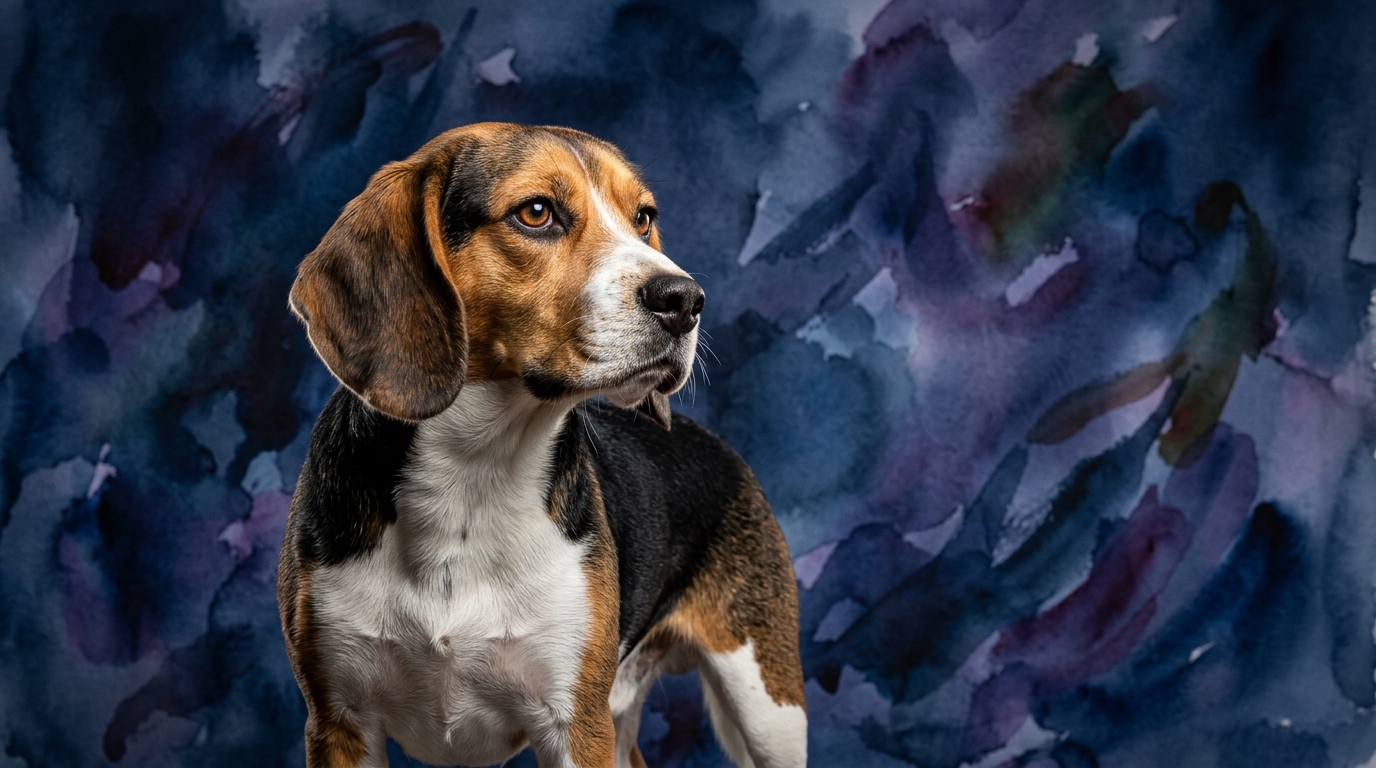
The Beagle, a member of the Hound group, holds a Coren rank of #72, placing them in the lower tier for "working and obedience intelligence," a metric primarily assessing biddability and quick command acquisition. However, this ranking doesn't capture their specialized cognitive strengths. Their Problem Solving is rated 4/5, indicating an excellent capacity for navigating complex environments and deciphering intricate scent puzzles. Training Speed is 2/5, reflecting their independent nature and powerful scent drive that often overrides immediate human commands. Social Intelligence is 3/5, meaning they are generally good with packs and family but not always attuned to subtle human emotional cues. Their Instinctive Drive is a dominant 5/5, almost exclusively focused on scent, leading to relentless pursuit of olfactory stimuli. Memory is 4/5, primarily for scent trails, routines, and the locations of interesting smells.
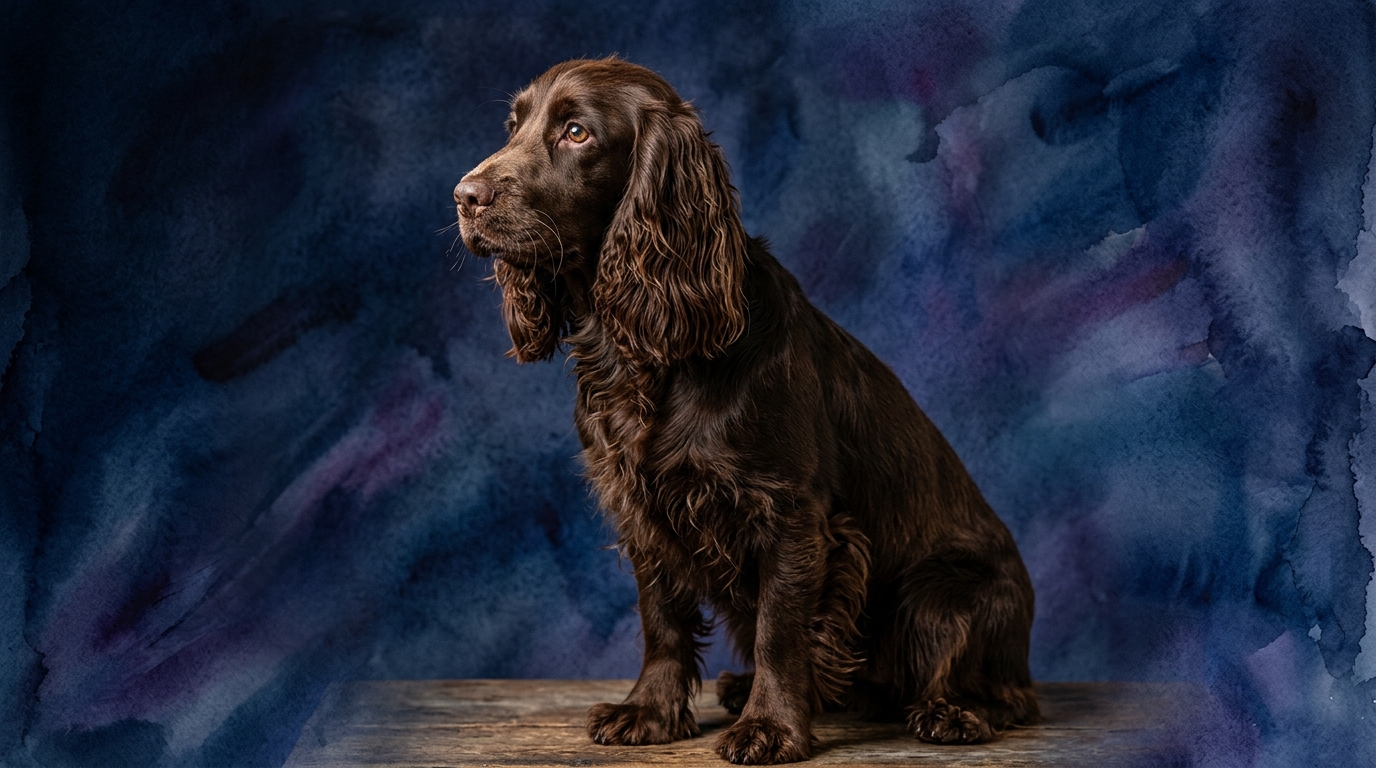
As a Sporting group member, the Field Spaniel is not typically featured in Coren's rankings, suggesting a more balanced, less extreme cognitive profile than some highly specialized breeds. Their Problem Solving is rated 3/5, indicating a solid ability to figure out retrieving tasks and navigate varied terrain, though they aren't exceptional at abstract, human-designed puzzles. Training Speed is 3/5, signifying a moderate pace of learning new commands, aided by their generally cooperative nature. Social Intelligence also stands at 3/5, making them good family companions who are typically responsive to human interaction, without being overly perceptive of complex social nuances. Their Instinctive Drive is 3/5, a balanced prey drive for flushing and retrieving, harmonized with a desire to please their handler. Memory is 3/5, solid for learned tasks, routines, and social interactions, sufficient for their traditional working roles.
Where the Beagle Wins Cognitively
The Beagle's cognitive strengths are deeply rooted in their ancestral purpose as scent hounds. They possess an unparalleled capacity for olfactory processing, demonstrating superior scent discrimination and the ability to follow incredibly faint, complex scent trails over vast distances and varied terrain. This translates into exceptional problem-solving when the "problem" involves tracking, where their focus and persistence are rated 4/5 and 5/5 respectively. Their memory (4/5) for scent profiles and environmental layouts related to olfactory stimuli is also a distinct cognitive advantage, allowing them to effectively map and recall areas based on smell, a skill few other breeds can match.
Where the Field Spaniel Wins Cognitively
The Field Spaniel's cognitive advantages lie in their adaptability and balanced approach to problem-solving. Unlike the Beagle's specialized scent focus, the Field Spaniel (3/5 Problem Solving) exhibits a more general-purpose cognitive ability, capable of applying their mental resources to a broader range of tasks beyond just scent work. Their moderate instinctive drive (3/5) allows for a greater willingness to collaborate and follow human direction in complex, multi-stage tasks, indicating a more flexible cognitive approach that prioritizes handler interaction. This adaptability also contributes to a better general purpose memory (3/5) for a broader range of commands, routines, and social interactions, making them more versatile in varied learning environments.
Training Ease: Unpacking Behavioral Differences
Between these two breeds, the Field Spaniel generally offers a more straightforward training experience. Their Training Speed is 3/5, indicating they absorb new commands at a moderate pace, coupled with a balanced Instinctive Drive of 3/5. This means while they have a drive for working, it doesn't typically override their desire to cooperate with their handler. They are less prone to single-minded distractions, making them more biddable and responsive in a structured training setting.
In contrast, the Beagle presents a greater training challenge, rated 2/5 for Training Speed. Their powerful Instinctive Drive (5/5), almost exclusively focused on scent, makes them notoriously difficult to keep engaged when a compelling smell is present. Once a Beagle locks onto a scent, their focus on human commands diminishes significantly, requiring immense patience, highly reinforcing rewards, and creative methods to maintain their attention and channel their natural instincts. This isn't a lack of learning capacity, but rather a profound prioritization of their olfactory world over human directives.
Suited for Active vs. Relaxed Owners
For truly active owners who relish outdoor adventure and specific canine activities, the Beagle can be a rewarding, albeit demanding, companion. Their high Instinctive Drive (5/5) and need for mental stimulation, particularly scent work, means owners must be prepared for long walks, engaging scent games, and consistent training to channel their powerful nose and independent spirit. They thrive with owners who appreciate their unique cognitive strengths in tracking and can manage their driven nature.
Conversely, the Field Spaniel is better suited for owners seeking a more balanced activity level. While they are sporting dogs and enjoy regular exercise, their moderate Instinctive Drive (3/5) and adaptability make them content with varied activities that include walks, retrieving games, and family time. They are less intensely focused on a single drive, making them a good fit for owners who want an active companion but without the Beagle's profound, all-consuming dedication to scent.
The Verdict
Choose a Beagle if you are prepared to engage deeply with their exceptional scenting abilities and independent spirit, providing consistent, patient training to channel their powerful drives. They thrive with owners who appreciate their unique cognitive strengths in tracking and can manage their independent nature.
Opt for a Field Spaniel if you desire a biddable, adaptable companion who enjoys varied activities and has a balanced cognitive profile, offering a more straightforward training experience and a less intensely focused drive. They suit owners looking for a versatile family dog willing to engage in a range of activities without overwhelming single-mindedness.
🧠 Find Your Pet's IQ Score
Our Pet IQ Lab assessment covers 25+ tests across 5 cognitive dimensions — personalized to your breed.
Take the Full IQ Test →Frequently Asked Questions
Is a Beagle or Field Spaniel better for a first-time dog owner?
A Field Spaniel is generally a more suitable choice for a first-time dog owner due to their moderate training speed and less intense instinctive drives, which makes them more biddable and easier to guide. Beagles, with their strong independent scent drive and slower training speed, can present more significant challenges for novice handlers who may struggle with their single-minded focus on scent.
How do their social intelligence levels compare in a family setting?
Both breeds rate 3/5 in social intelligence, indicating they are generally good family companions. Field Spaniels tend to be more consistently responsive to human interaction and cues, often seeking to engage with family members. Beagles, while affectionate, can sometimes appear less attuned to subtle family dynamics if their attention is captured by an interesting smell or independent exploration.
Which breed requires more mental stimulation?
While both benefit from mental engagement, Beagles typically require more specific mental stimulation related to their powerful scent drive, such as scent work or tracking games, to prevent boredom and destructive behaviors. Field Spaniels benefit from varied activities that engage their moderate problem-solving and training speed, but their needs are less intensely focused on one primary, overwhelming drive.