Side-by-Side IQ Profile: Beagle vs. Leonberger
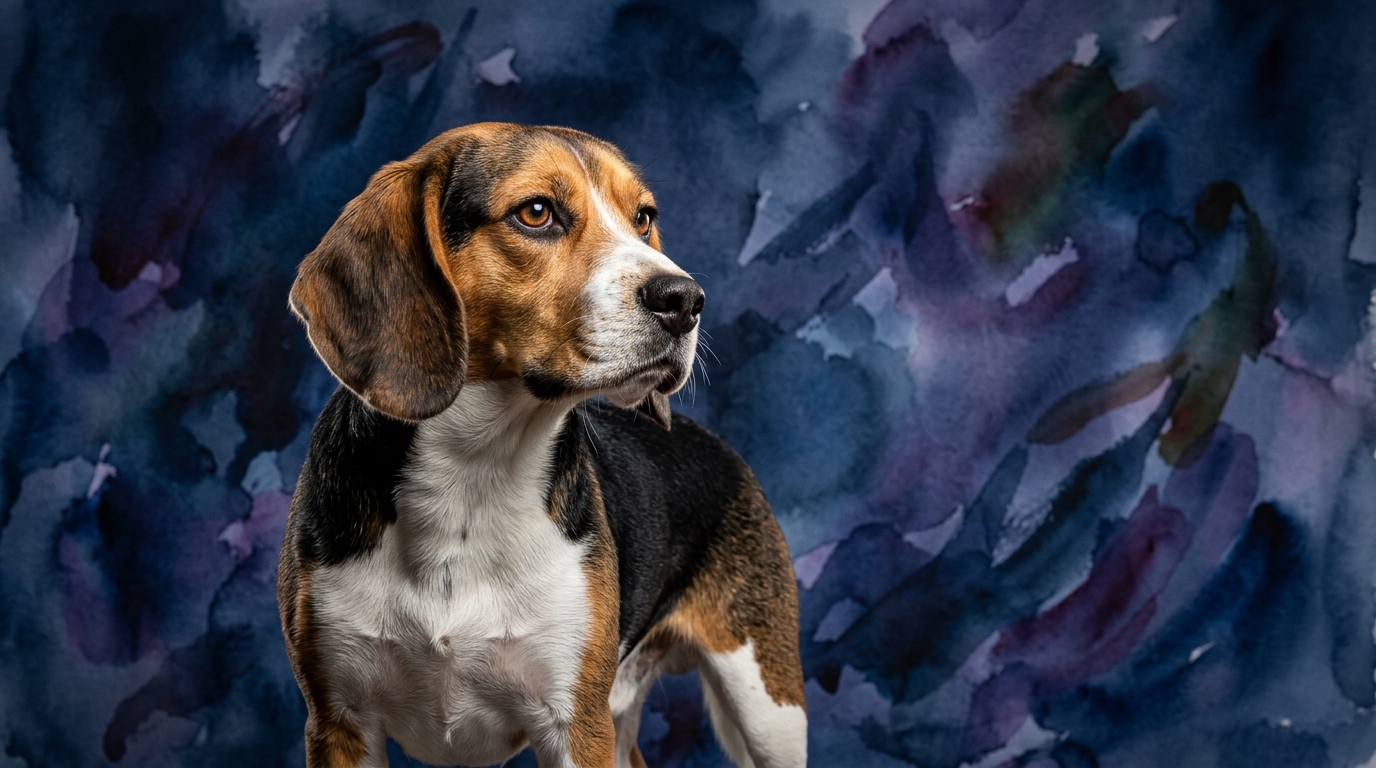
The Beagle, a compact hound, possesses a cognitive profile deeply rooted in its ancient purpose. Its problem-solving ability, rated at 4/5, often manifests in complex scent-tracking scenarios, where it must navigate varied environments and ignore distractions to follow a trail. However, its training speed scores 2/5, reflecting a strong independent streak and a tendency to prioritize instinct over human directives, particularly when a compelling scent is present. Social intelligence for the Beagle sits at 3/5, meaning it can form strong bonds and understand pack dynamics, but its primary focus often remains on its olfactory world. Its instinctive drive is exceptionally high at 5/5, an unyielding dedication to scent work that can override other considerations. Finally, its memory, rated 4/5, is particularly acute for remembering scent trails and locations, crucial for effective hunting.
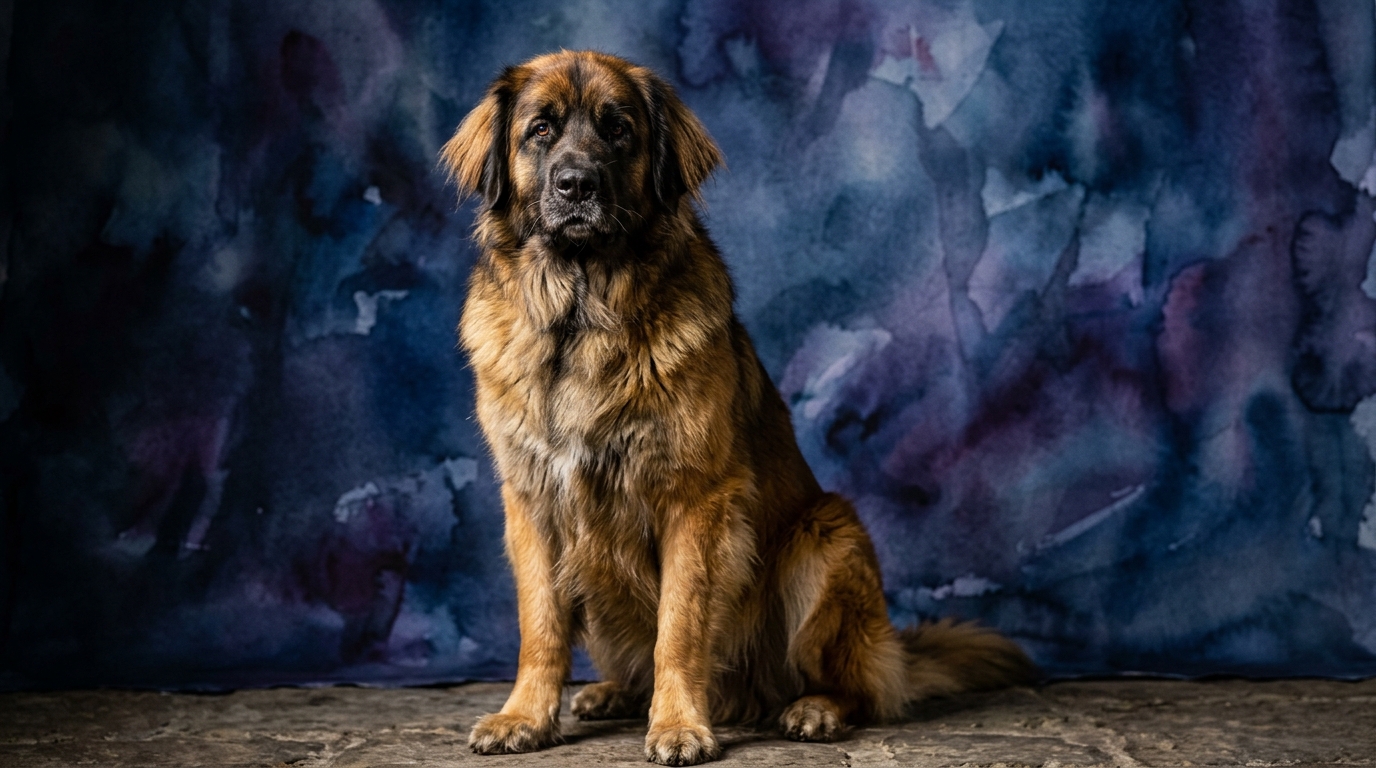
In contrast, the Leonberger, a majestic working breed, presents a more balanced, albeit different, cognitive blueprint. Its problem-solving capacity is rated 3/5, demonstrating a thoughtful rather than impulsive approach to challenges, often seeking human input before acting. The Leonberger's training speed is 3/5, indicating a willingness to learn and an ability to grasp commands at a moderate pace, making it more amenable to structured training than the Beagle. Social intelligence also scores 3/5, reflecting its strong family orientation and ability to integrate well into human households, often showing a calm, watchful presence. Its instinctive drive is 3/5, present but not overwhelming, typically manifesting as a desire to protect and be a companion rather than an intense, singular focus. Memory for the Leonberger is rated 3/5, sufficient for retaining commands and routines, but perhaps not as specialized as the Beagle's olfactory recall.
Where the Beagle Excels Cognitively
The Beagle's cognitive strengths are undeniably centered around its olfactory prowess. Its 4/5 problem-solving ability, coupled with a 5/5 instinctive drive and 4/5 memory, creates a highly specialized intelligence for scent detection and tracking. A Beagle can effectively process a complex tapestry of odors, distinguishing a target scent from countless others, a cognitive feat akin to solving a multi-layered puzzle. This isn't just about smelling; it involves memory recall of specific scent signatures, spatial reasoning to follow a trail over varied terrain, and an unwavering focus to ignore environmental distractions. When presented with a scent puzzle, such as finding a hidden treat in a complex setup, a Beagle will apply relentless, methodical sniffing and memory recall to solve it, often outperforming breeds that rely more on visual cues or abstract reasoning. Their capacity to remember specific scent patterns and associate them with locations or outcomes is a remarkable aspect of their memory.
Where the Leonberger Exhibits Distinct Cognitive Strengths
While the Leonberger may not possess the Beagle's specialized olfactory genius, its cognitive profile, particularly its 3/5 training speed and 3/5 social intelligence, highlights a different kind of mental aptitude. Leonbergers demonstrate a thoughtful, measured approach to new situations and learning. Their problem-solving, rated 3/5, often involves observational learning and a desire to understand human expectations before acting. They might not independently devise novel solutions as quickly as some breeds, but they excel at absorbing routines and responding to complex social cues within a family unit. This breed's social intelligence, while scoring the same as the Beagle, manifests differently; it's less about pack hierarchy in a hunting context and more about sensitive companionship, often anticipating human moods and offering calm support. Their moderate instinctive drive (3/5) means they are less likely to be overwhelmed by singular urges, allowing for a more adaptable cognitive focus in diverse home environments. This balance makes them adept at being reliable, gentle guardians and family members, understanding their role within the human 'pack' through consistent interaction and observation.
Training Amenability: Beagle vs. Leonberger
When it comes to training, the core differences in their cognitive profiles become evident. The Beagle, with its 2/5 training speed and overwhelming 5/5 instinctive drive, presents a unique set of challenges. Their independent 'hound brain' means they are often more interested in following a compelling scent than a human command. This isn't a lack of ability to learn, but rather a strong internal motivation that frequently outweighs external directives. For a Beagle, the reward of a scent trail can easily supersede a treat or praise, making recall particularly difficult in an open environment. Training a Beagle requires immense patience, consistency, and a deep understanding of their drive, often necessitating specialized techniques like scent work to engage their natural inclinations positively.
The Leonberger, on the other hand, with its 3/5 training speed and more moderate 3/5 instinctive drive, is generally more amenable to traditional training methods. While they are a large breed and require consistent guidance, their desire to please and their thoughtful nature make them more receptive to learning commands and routines. They tend to respond well to positive reinforcement and clear communication, showing a steady progression in acquiring new skills. Their lower, more adaptable instinctive drive means they are less likely to become singularly fixated on an external stimulus, making them more attentive to their handlers during training sessions. This difference in intrinsic motivation and focus means a Leonberger typically progresses more predictably through obedience training compared to a Beagle, whose mind can be easily hijacked by a tantalizing odor.
Lifestyle Suitability: Active vs. Relaxed Owners
The cognitive profiles of these two breeds translate directly into their suitability for different owner lifestyles. The Beagle, with its high instinctive drive and superior scent-based problem-solving, thrives with active owners who can provide ample mental and physical stimulation centered around scent work. Owners who enjoy long hikes, participate in scent sports, or are willing to engage in daily 'sniffari' walks will find a Beagle's cognitive needs met. Their relentless pursuit of scent means they require secure outdoor spaces and consistent engagement to prevent boredom and potential mischievous behaviors. A relaxed owner who cannot commit to channeling their Beagle's immense drive may find themselves with a dog that is easily bored, prone to independent exploration, or vocally expressive.
The Leonberger, while a large dog needing regular exercise, aligns better with owners seeking a more relaxed yet engaged companionship. Their balanced cognitive scores, including moderate instinctive drive and training speed, mean they are content with consistent routines, family interaction, and moderate activity. They are often described as 'gentle giants' who enjoy being part of family life, whether it's a leisurely walk or simply lounging nearby. Owners who appreciate a calm, watchful presence, are prepared for a large breed's physical needs, and can provide consistent, gentle training will find the Leonberger's temperament and cognitive style a perfect match. While they enjoy outdoor activities, their cognitive satisfaction often comes from being a valued, integrated family member rather than a relentless working machine.
The Verdict
Choose a Beagle if you are an active individual or family passionate about scent work, prepared to channel a powerful instinctive drive, and appreciate a dog with remarkable olfactory problem-solving and memory.
Opt for a Leonberger if you desire a thoughtful, gentle giant for family companionship, value a more balanced and biddable cognitive profile, and can provide consistent, calm guidance for a large breed.
🧠 Find Your Pet's IQ Score
Our Pet IQ Lab assessment covers 25+ tests across 5 cognitive dimensions — personalized to your breed.
Take the Full IQ Test →Frequently Asked Questions
Is a Beagle harder to train than a Leonberger?
Generally, yes. The Beagle's intense instinctive drive and lower training speed (2/5) mean it prioritizes scents over commands, requiring more patience and specialized motivation than the more biddable Leonberger (3/5 training speed).
Which breed needs more mental stimulation, Beagle or Leonberger?
The Beagle typically requires more targeted mental stimulation due to its 5/5 instinctive drive and 4/5 problem-solving in scent tasks. It thrives on activities that engage its powerful nose, whereas the Leonberger's needs are more balanced, focusing on companionship and moderate enrichment.
Do Beagles or Leonbergers have better memory?
Beagles generally exhibit a superior specialized memory (4/5) for scent trails and locations, essential for their hound work. Leonbergers have a competent general memory (3/5) for commands and routines, suitable for their role as family companions.