Side-by-Side IQ Profile: Unpacking the Dimensions
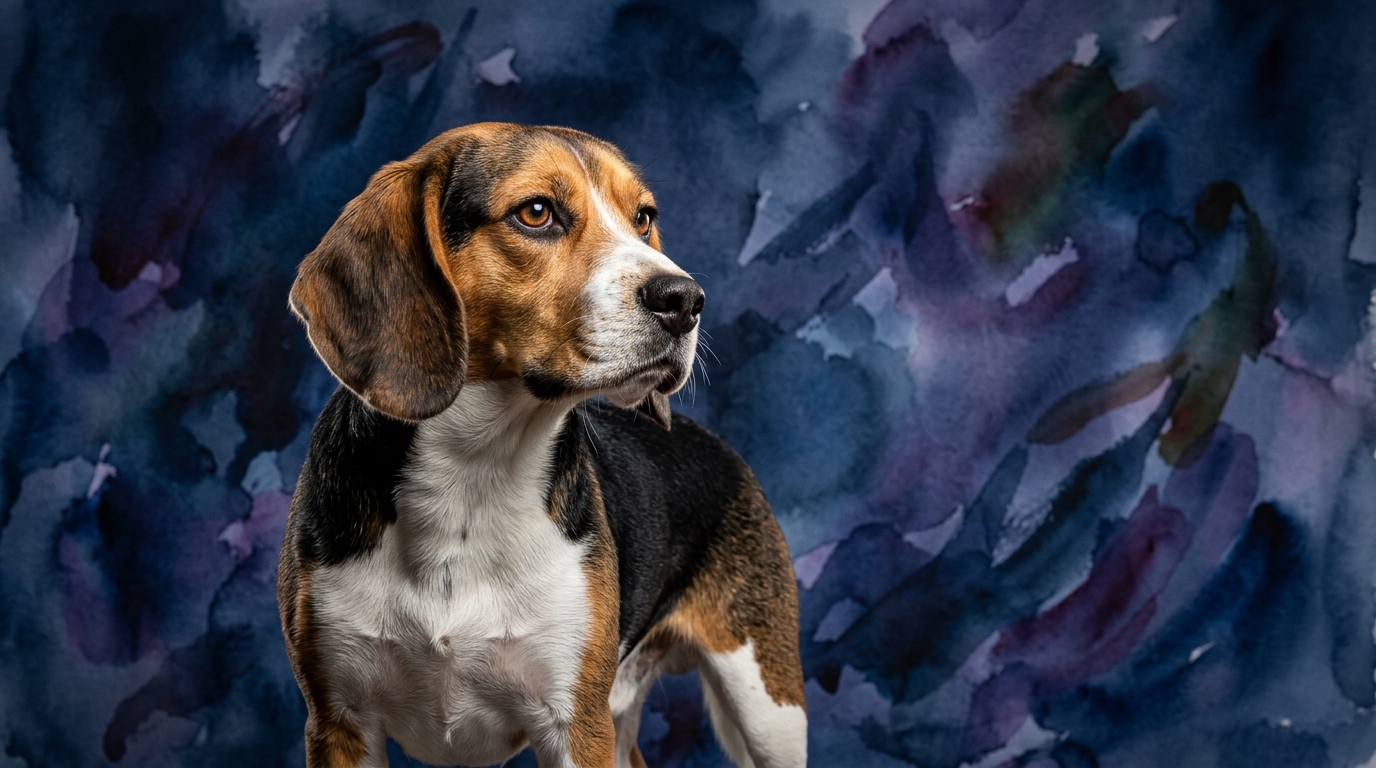
The Cosmic Pet Pet IQ Lab employs a multi-faceted approach to intelligence, moving beyond a single score to assess five distinct cognitive dimensions. For the Beagle, a Hound breed, we observe a Problem Solving score of 4/5, indicating a strong capacity for navigating complex situations, often driven by their keen senses. Their Training Speed registers at 2/5, suggesting a more deliberate pace in acquiring new commands. Social Intelligence for the Beagle stands at 3/5, reflecting a moderate understanding of pack dynamics and human cues. Their Instinctive Drive is exceptionally high at 5/5, a hallmark of their breed's heritage, particularly in scent work. Finally, their Memory is robust at 4/5, allowing them to recall learned experiences and scent trails effectively.
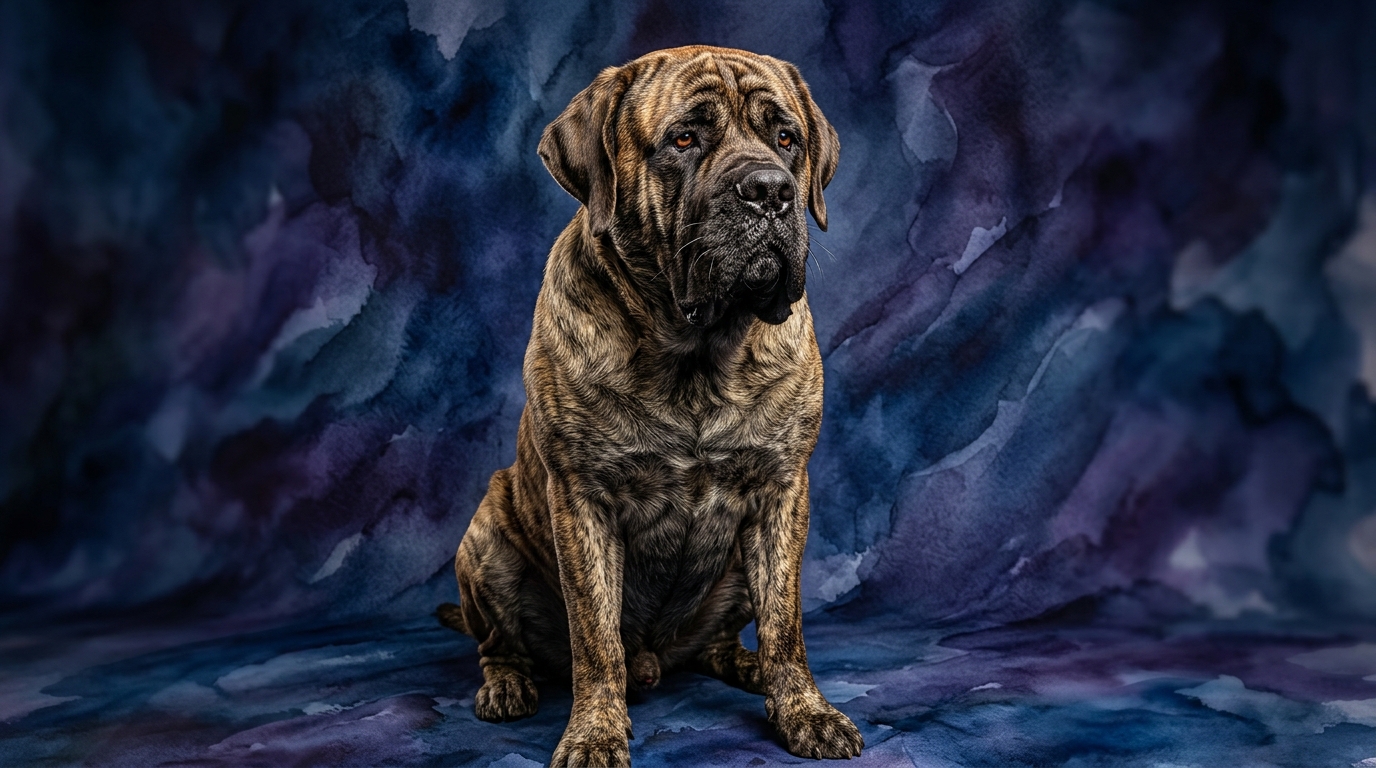
In contrast, the Mastiff, a member of the Working group, presents a different cognitive blueprint. Their Problem Solving ability is rated at 3/5, showing a competent but perhaps less inventive approach to challenges compared to the Beagle. The Mastiff's Training Speed is 3/5, indicating a slightly faster learning curve for obedience than the Beagle. Interestingly, their Social Intelligence mirrors the Beagle's at 3/5, suggesting a similar capacity for understanding social structures. A key differentiator is their Instinctive Drive, which is moderate at 3/5, significantly lower than the Beagle's intense drive. Their Memory is also moderate, scoring 3/5, meaning they retain information adequately but perhaps without the Beagle's razor-sharp recall for specific details or long-term scent paths.
Where the Beagle's Cognition Shines Brightest
The Beagle clearly outperforms the Mastiff in several cognitive domains, particularly in Problem Solving and Memory, both rated 4/5 compared to the Mastiff's 3/5. This higher problem-solving aptitude in Beagles is often expressed through their ability to independently figure out ways to reach a desired scent or navigate obstacles in their environment. Their superior memory serves to reinforce these problem-solving efforts, allowing them to recall successful strategies or the location of intriguing smells over long periods. This combination makes them particularly adept at tasks requiring persistence and recall, such as intricate scent discrimination or following complex trails.
Furthermore, the Beagle’s exceptional Instinctive Drive, a perfect 5/5, is a cognitive powerhouse in itself. While sometimes perceived as stubbornness in training, it represents an unparalleled focus and dedication to their primary ancestral function: tracking. This intense drive, coupled with their problem-solving skills, means a Beagle will tirelessly work to unravel a scent puzzle, demonstrating a deep, intrinsic motivation that the Mastiff, with its 3/5 instinctive drive, simply doesn't possess to the same degree. This makes Beagles natural masters of detection work, where their cognitive strengths converge to create a highly effective sensory explorer.
Where the Mastiff's Cognition Holds its Own
While the Mastiff doesn't boast higher scores in problem-solving or memory, their cognitive profile offers distinct advantages, primarily in their Training Speed, which is 3/5 compared to the Beagle's 2/5. This means that, on average, a Mastiff can grasp and respond to new commands more readily and consistently than a Beagle. Their moderate instinctive drive (3/5) also plays a crucial role here; without the overwhelming pull of a Beagle's scent obsession, Mastiffs are often less distracted during structured learning sessions, allowing their moderate problem-solving and memory to be more directly applied to obedience tasks.
The Mastiff's equal Social Intelligence score (3/5) combined with their lower instinctive drive contributes to a different kind of cognitive strength: a more measured and generally calmer approach to their environment. While not a 'higher' cognitive score, their disposition allows for their moderate cognitive abilities to be channeled into consistent, reliable behavior within a domestic setting. They are less likely to be led astray by external stimuli due to an overwhelming internal drive, making them predictable and generally easier to integrate into a household routine, leveraging their social understanding for harmonious coexistence rather than independent exploration.
Training Dynamics: Beagle vs. Mastiff Amenability
When considering ease of training, the Mastiff generally presents a more straightforward path. Their Training Speed of 3/5, coupled with a moderate Instinctive Drive of 3/5, means they are typically more receptive to learning obedience commands and less prone to distraction. Mastiffs, as a working breed, often possess a desire to please their handlers and a calm temperament that facilitates structured learning. Their sheer physical presence also means early and consistent training is essential, and fortunately, their cognitive makeup supports this.
The Beagle, by contrast, with a Training Speed of 2/5 and an Instinctive Drive of 5/5, can be a more challenging student. Their profound instinct to follow a scent can override even well-learned commands, making recall particularly difficult in stimulating environments. A Beagle might cognitively understand 'sit' or 'stay,' but their powerful drive to investigate an interesting smell can make them 'selectively deaf.' Training a Beagle demands immense patience, creativity, and a deep understanding of their scent-driven world, often requiring more effort to maintain focus and achieve consistent results than with a Mastiff.
Matching Breeds to Lifestyles: Active vs. Relaxed Owners
The cognitive profiles of these two breeds naturally align with very different owner lifestyles. The Beagle, with its high Problem Solving (4/5), Memory (4/5), and overwhelming Instinctive Drive (5/5), thrives with active owners who can channel these intellectual and physical energies. Owners interested in scent work, agility, or extensive outdoor adventures will find a Beagle's cognitive strengths perfectly suited to such pursuits. They require consistent mental stimulation to prevent boredom and ensure their sharp minds are engaged productively, making them an excellent choice for those who enjoy interactive training and exploration.
Conversely, the Mastiff, characterized by a moderate Problem Solving (3/5), Training Speed (3/5), and Instinctive Drive (3/5), is better suited for more relaxed owners. Despite their imposing size, their moderate drive means they are generally content with a comfortable routine and less demanding in terms of constant mental and physical exertion. While they still benefit from consistent training and socialization to manage their size, their cognitive temperament makes them adaptable to a calmer home environment, appealing to owners who appreciate a steadfast companion without the incessant need for high-octane cognitive challenges or intense physical output.
The Verdict
Choose a Beagle if you are an active, patient owner eager to engage a dog with exceptional problem-solving skills, memory, and a powerful instinct for scent work, understanding they require consistent mental and physical outlets.
Opt for a Mastiff if you seek a calm, steadfast companion and appreciate a dog with moderate training speed and a less intense instinctive drive, making them generally easier to manage in a relaxed home environment.
🧠 Find Your Pet's IQ Score
Our Pet IQ Lab assessment covers 25+ tests across 5 cognitive dimensions — personalized to your breed.
Take the Full IQ Test →Frequently Asked Questions
Does a Beagle's high instinctive drive make them more difficult to live with?
A Beagle's 5/5 instinctive drive, primarily for scent, means they require outlets for this natural behavior. Without proper engagement, this drive can manifest as wandering or difficulty with recall, but it's a profound cognitive strength when channeled appropriately.
Are Mastiffs less intelligent because their IQ scores are generally lower than Beagles?
Not at all; intelligence is multi-dimensional. Mastiffs possess a different cognitive profile, excelling in training speed relative to Beagles and demonstrating consistent social intelligence, making them highly capable companions in their own right, just with different strengths.
How does social intelligence impact the daily life with either breed?
Both breeds score 3/5 in social intelligence, meaning they generally understand human cues and pack dynamics adequately. This allows for good family integration, though a Mastiff's lower instinctive drive might make their social understanding appear more consistently applied in calm domestic settings.