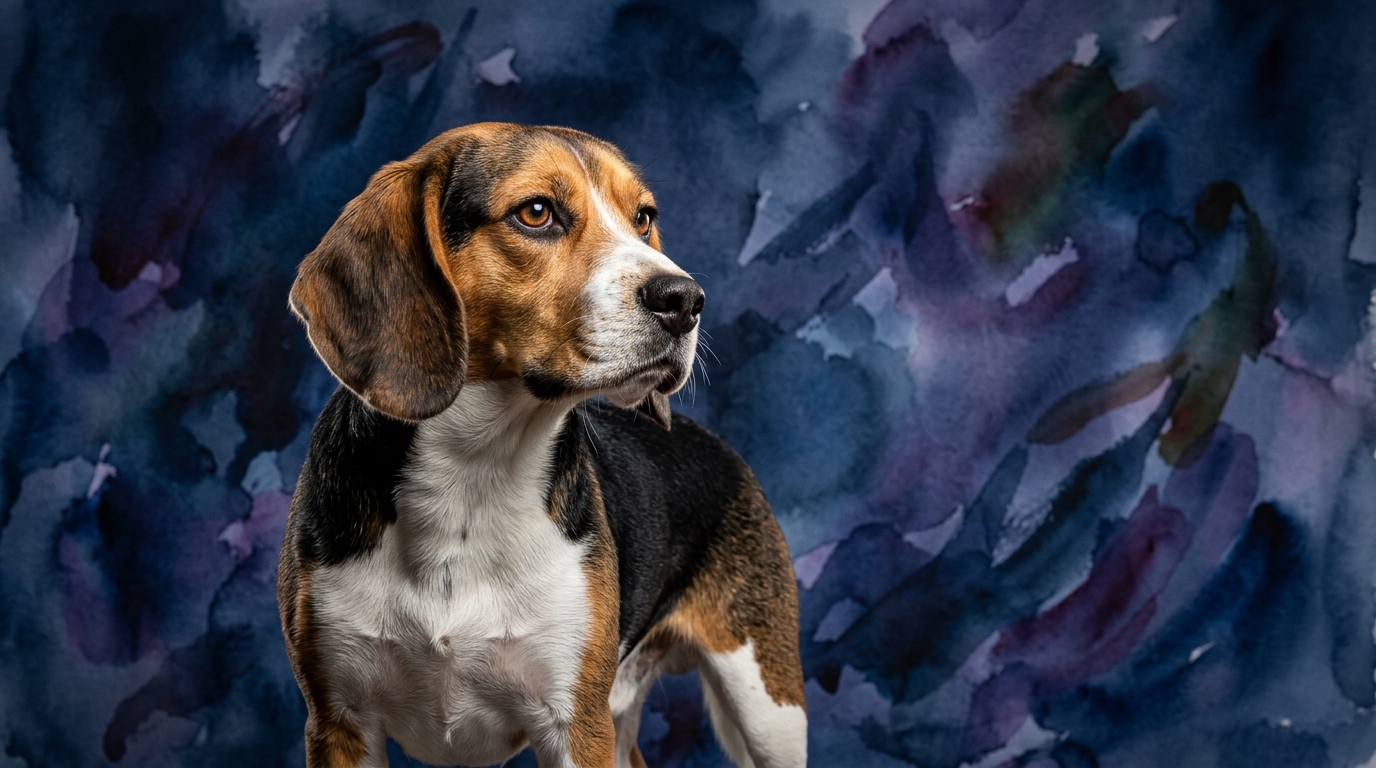
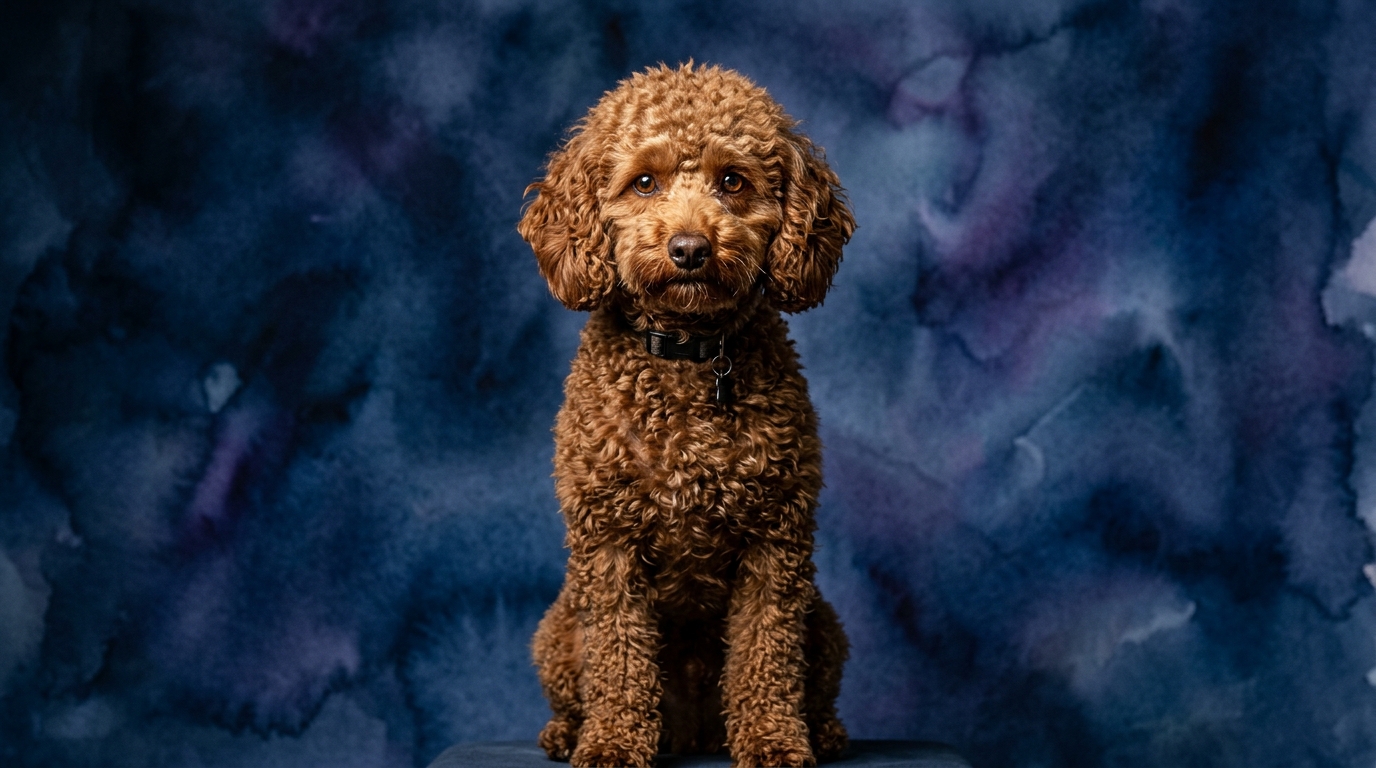
Side-by-Side IQ Profile: Beagle vs. Miniature Poodle
At The Cosmic Pet Pet IQ Lab, we analyze canine intelligence across five critical dimensions to provide a nuanced understanding of each breed’s cognitive makeup. The Beagle, ranked #72 by Coren, and the Miniature Poodle, a remarkable #2, demonstrate distinct cognitive architectures shaped by their historical roles and inherent predispositions.
The Beagle, a Hound breed, exhibits a Problem Solving score of 4/5, adept at navigating complex scent trails and demonstrating persistence in pursuit of a sensory goal. Their Training Speed is 2/5, as their intense focus on scent can make traditional obedience a slower process, often competing with external stimuli. Social Intelligence stands at 3/5; they are generally amiable and understand human cues within their social framework, though their independent hunting drive can sometimes overshadow social deference. Their Instinctive Drive is a perfect 5/5, being their cognitive superpower—the drive to track and explore scents is paramount. Memory is 4/5, excellent for scent patterns and locations, remembering paths and specific odors over extended periods, though obedience command retention might require consistent reinforcement.
The Miniature Poodle, a Non-Sporting breed, boasts a Problem Solving score of 5/5, exhibiting exceptional cognitive flexibility, quickly grasping complex tasks, and adapting strategies. Their Training Speed is 5/5, making them rapid learners who pick up new commands and routines with remarkable speed, often requiring fewer repetitions. Social Intelligence is 3/5; while attentive to handlers and capable of strong bonds, their social intelligence leans more towards understanding human intent for cooperation. Their Instinctive Drive is 3/5; originating as water retrievers, they retain some drive for focused tasks, but it is highly channelled and responsive to human direction rather than an overwhelming, self-directed impulse. Memory is 5/5, possessing a superb capacity for commands, routines, and experiences, allowing them to build a vast repertoire of learned behaviors and retain them over time.
Where the Beagle Wins Cognitively
A Beagle’s olfactory intelligence is unparalleled, representing a profound cognitive strength. Their brain is uniquely wired to process scent information, enabling them to differentiate subtle nuances in odors imperceptible to most other breeds. This isn't merely detection; it's about interpreting a complex “scent map” of their environment, understanding temporal changes, and predicting the presence or absence of targets based on these intricate inputs. This specific form of problem-solving, involving tracking and deciphering intricate scent puzzles, is where they display a cognitive depth few others can match. Their Instinctive Drive, rated 5/5, is a direct manifestation of this cognitive prowess, enabling sustained focus and determination in pursuit of a scent trail, often for hours without flagging. This isn't just persistence; it's a sophisticated application of their sensory and memory systems to achieve a highly specific, internally motivated goal. They excel at tasks requiring deep immersion in sensory data and an unyielding commitment to follow through, even when the path is convoluted or demands significant physical effort.
Where the Miniature Poodle Wins Cognitively
Miniature Poodles exhibit a superior capacity for abstract learning and generalization, a hallmark of their 5/5 problem-solving and training speed. They don't just learn a command; they often understand the underlying principle, allowing them to apply that knowledge to novel situations or variations of a task. This cognitive flexibility means they can quickly adapt to new routines, learn complex multi-step behaviors, and even grasp concepts like “left” or “right” in a more abstract sense than simply associating them with a specific action. Their memory, rated 5/5, complements this by allowing them to retain vast amounts of learned information, building a rich mental library of commands and experiences. This translates into exceptional performance in dog sports like obedience, agility, and even complex service dog tasks, where rapid comprehension, precise execution, and retention of intricate sequences are paramount. Their ability to quickly process and respond to human instruction, often anticipating cues, sets them apart in collaborative learning environments.
Which is Easier to Train and Why
The stark contrast in their training speed ratings (Beagle 2/5, Miniature Poodle 5/5) offers a clear indicator of which breed presents an easier training journey for the average owner. Miniature Poodles are renowned for their eagerness to please and their rapid acquisition of new commands. Their high problem-solving ability allows them to quickly understand what is being asked of them, and their excellent memory ensures they retain that information. This means fewer repetitions are needed, and they often generalize learned behaviors more readily, applying a “sit” command in various environments without extensive re-teaching. Their instinctive drive, while present, is more easily channeled into cooperative tasks with a human partner, making them highly responsive to positive reinforcement.
Beagles, on the other hand, pose a different training challenge. Their powerful instinctive drive (5/5) and unparalleled olfactory focus mean that while they are capable of problem-solving (4/5) and possess good memory (4/5), these cognitive strengths are often directed towards their primary interest: scent. A Beagle engrossed in a compelling scent trail can appear “deaf” to commands, not because they don't understand, but because their internal motivation to follow that scent overrides external instruction. Their training speed rating of 2/5 reflects this need for consistent, patient, and often creative training methods to compete with their natural inclinations. While they can learn a wide array of commands, the process typically requires more repetitions, more compelling rewards, and a greater effort to maintain their attention, especially in stimulating outdoor environments. This isn't a deficit in intelligence, but rather a difference in cognitive priorities and inherent motivations.
Matching Cognitive Needs: Active vs. Relaxed Owners
For active owners seeking a dynamic partner for complex activities, the Miniature Poodle is an exceptional match. Their cognitive agility and eagerness to learn make them ideal for dog sports like agility, obedience, rally, and even advanced trick training. They thrive on mental stimulation as much as physical exercise, enjoying puzzle toys, interactive games, and learning new skills. An owner who enjoys consistent training sessions, exploring new commands, and participating in competitive dog activities will find the Miniature Poodle’s responsiveness and quick grasp of concepts incredibly rewarding. While they do require regular physical activity, their primary need is often for engaging mental work, which an active, hands-on owner can readily provide.
Beagles, while certainly needing activity, appeal to a different kind of active owner or even a more relaxed one who appreciates a dog with a strong independent streak. An active owner who enjoys long walks, hiking, or even structured scent work will find a Beagle a willing, albeit occasionally single-minded, companion. Their immense instinctive drive means they need opportunities to use their nose, whether through scent games in the backyard or lengthy explorations of varied terrains. For a relaxed owner, a Beagle can be a good fit if their definition of “relaxed” includes providing ample opportunities for sniffing and outdoor exploration, rather than expecting a perpetually “off-leash” and perfectly obedient companion. They are generally content to relax indoors after their scenting needs are met, but failure to provide outlets for their primary cognitive function can lead to frustration and undesirable behaviors. Their independent nature makes them less demanding of constant human interaction for task-based engagement, preferring to follow their nose.
The Verdict
If you value a dog whose cognitive world is rich with sensory detail, offering a unique perspective on the environment, and you're prepared to accommodate their powerful scent drive with patience and creative training, the Beagle is an excellent choice.
Opt for the Miniature Poodle if you desire a highly responsive, eager-to-learn companion capable of mastering complex tasks and thriving on collaborative mental challenges, fitting seamlessly into a structured training regimen.
🧠 Find Your Pet's IQ Score
Our Pet IQ Lab assessment covers 25+ tests across 5 cognitive dimensions — personalized to your breed.
Take the Full IQ Test →Frequently Asked Questions
Are Beagles difficult to train?
Beagles are not inherently difficult to train, but their strong instinctive drive for scent can make traditional obedience challenging. Their focus is often external, requiring patient, consistent, and reward-based methods to capture their attention over enticing smells.
Do Miniature Poodles need a lot of exercise?
Miniature Poodles require regular physical exercise, but they also have a significant need for mental stimulation. Daily walks and play are important, but engaging them with puzzle toys, training new tricks, or participating in dog sports is crucial for their overall well-being.
Which breed is better for first-time dog owners?
For first-time dog owners seeking a more straightforward training experience and a highly responsive companion, the Miniature Poodle generally presents an easier path due to their rapid learning and eagerness to please. Beagles can be rewarding but require a more understanding approach to their independent, scent-driven nature.