A Side-by-Side Look at Cognitive Profiles
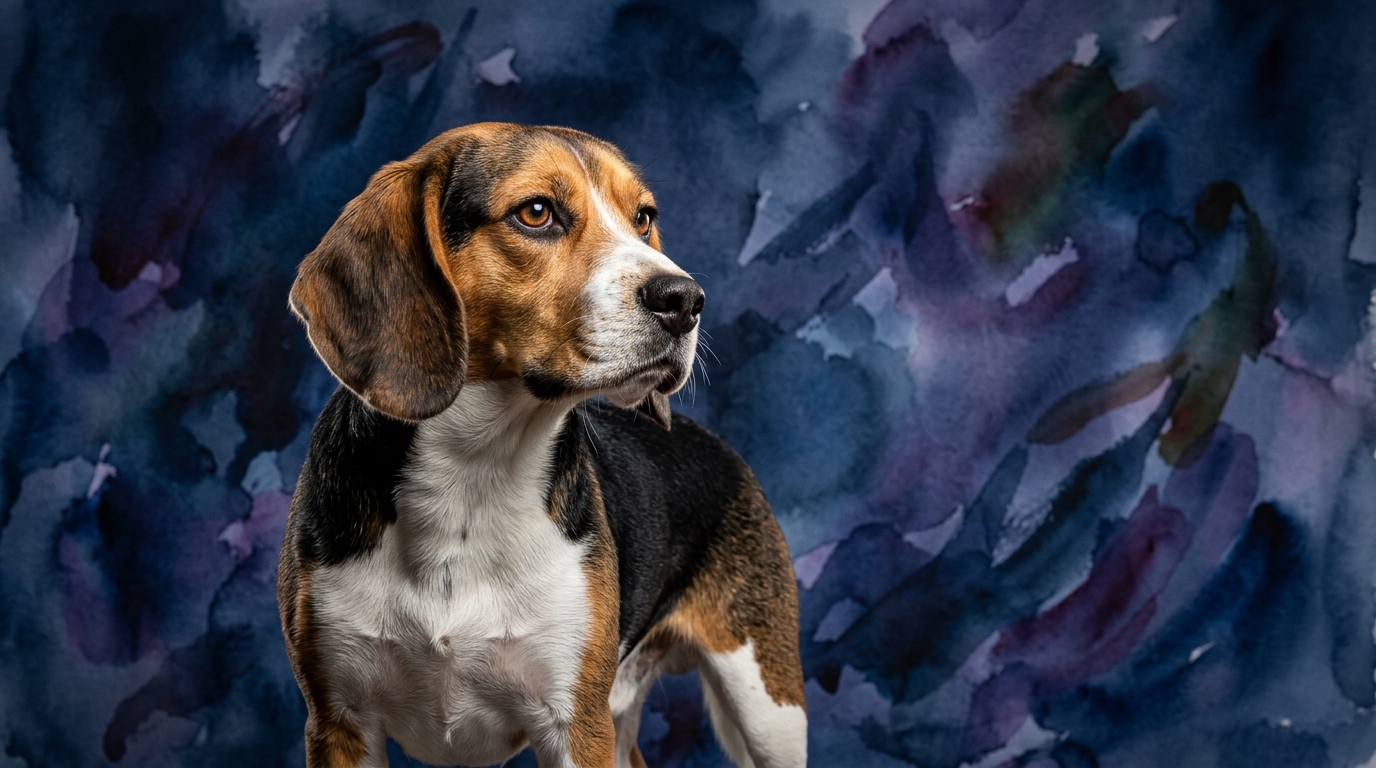
The Beagle, a breed historically dedicated to tracking scents, presents a unique cognitive blueprint according to our Pet IQ Lab metrics. Their Problem Solving capability rates at a robust 4/5, primarily channeled through their exceptional olfactory senses and an unwavering focus on scent trails. Training Speed, however, registers at a 2/5, indicating that while Beagles can learn, their attention often gravitates towards environmental stimuli rather than human instruction. Social Intelligence is a balanced 3/5, reflecting their pack-oriented nature but also their independence once a scent is engaged. Their Instinctive Drive is an imposing 5/5, a testament to their deep-seated urge to hunt and follow, while Memory scores a strong 4/5, particularly for recalling specific scents and pathways encountered during their explorations.
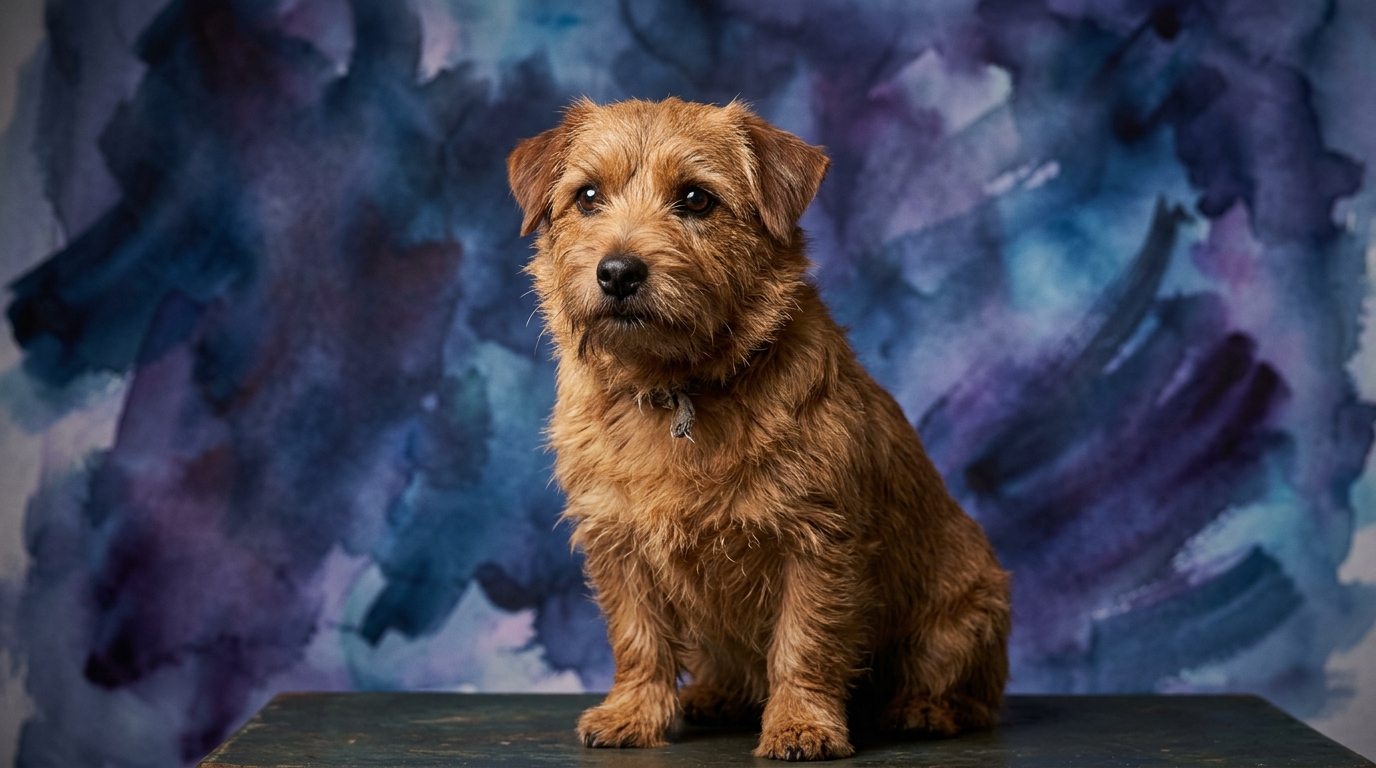
In contrast, the Norfolk Terrier, a small but spirited terrier, shows a more evenly distributed cognitive profile. Their Problem Solving ability is assessed at 3/5, demonstrating practical intelligence in navigating their immediate environment and figuring out how to get what they want. Training Speed comes in at a 3/5, suggesting a moderate responsiveness to learning new commands and routines. Social Intelligence also holds a 3/5, as they are generally sociable but possess the independent streak characteristic of terriers. Their Instinctive Drive is rated 3/5, reflecting their natural inclination to chase small prey and dig, but without the singular intensity of a Beagle's scent drive. Memory for the Norfolk Terrier is also a solid 3/5, allowing them to retain learned behaviors and recognize familiar people and places effectively.
Where the Beagle's Brain Excels
The Beagle's cognitive strengths are undeniably rooted in their ancestral purpose. Their 4/5 Problem Solving score shines brightest when presented with tasks requiring intricate scent discrimination or following a complex trail. Unlike breeds that might use visual cues or abstract reasoning, a Beagle's brain is wired for olfactory puzzles, effortlessly processing a world of smells that are invisible to us. This specialization makes them peerless in activities like scent work or tracking, where their ability to filter and follow specific odors is unparalleled.
Furthermore, the Beagle's 5/5 Instinctive Drive fuels an incredible persistence. Once engaged in a scent, their focus is absolute, demonstrating a remarkable cognitive tenacity. This high drive, coupled with a 4/5 Memory, means they can recall specific scent profiles and intricate routes over long periods, making them incredibly effective and relentless in their chosen 'work.' For owners who can channel this powerful drive, the Beagle offers a profound connection to primal canine cognition.
Norfolk Terrier's Cognitive Advantages
The Norfolk Terrier, while not possessing the Beagle's specialized olfactory prowess, exhibits a more generalized and adaptable problem-solving approach. Their 3/5 Problem Solving score reflects a practical intelligence, often applied to navigating social situations or figuring out how to access forbidden areas. They excel at understanding cause-and-effect in their immediate human-centric world, perhaps figuring out how to open a cupboard or manipulate a treat toy, skills that are highly valued in a companion animal.
The Norfolk's balanced 3/5 Training Speed also presents a distinct advantage in many household settings. While a Beagle might be distracted by a distant scent, a Norfolk Terrier is often more readily attentive to human cues, making foundational obedience training more straightforward. Their 3/5 Instinctive Drive, though present for chasing and digging, is less all-consuming than a Beagle's scent drive, allowing for greater flexibility in engaging their attention and directing their energy towards human-preferred activities.
Training: A Tale of Two Temperaments
When it comes to ease of training, the Norfolk Terrier generally presents a more manageable experience for the average owner. Their 3/5 Training Speed indicates they are reasonably receptive to learning commands and establishing routines, often showing a willingness to engage with their human trainers. While they possess a terrier's independent spirit, their instinctive drives are typically less overwhelming, meaning they are less likely to become singularly fixated on an external stimulus and ignore their handler.
The Beagle, with its 2/5 Training Speed and formidable 5/5 Instinctive Drive, offers a greater challenge. Their profound drive to follow scent often overrides any learned commands or desire to please, making recall particularly difficult once a compelling odor is encountered. Training a Beagle requires immense patience, consistency, and a deep understanding of their scent-driven world. Owners must employ high-value rewards and make training incredibly engaging to compete with the allure of a scent trail, often feeling like they are negotiating rather than simply instructing.
Matching Canine Cognition to Lifestyle
For active owners who relish outdoor adventures and can provide structured outlets for a dog's powerful instincts, the Beagle is an excellent match. Their supreme instinctive drive demands regular, engaging physical and mental stimulation, ideally involving scent work, tracking, or long walks where they can explore with their nose. Relaxed owners might find the Beagle's relentless pursuit of scent and potential for independent roaming overwhelming, as their cognitive makeup compels them to follow their nose wherever it leads, often with little regard for human convenience.
The Norfolk Terrier, while certainly an active and spirited dog, is more adaptable to a range of lifestyles. Their moderate instinctive drive means they enjoy walks and play but are often content to relax indoors after adequate exercise. They suit owners who appreciate a lively companion capable of enjoying both active outings and quiet companionship. Their adaptable problem-solving and training responsiveness make them a good fit for owners who want an engaged, interactive dog without the intense, singular focus of a dedicated scent hound.
The Verdict
Choose a Beagle if you are an active, patient owner eager to engage with a dog's profound scenting abilities, prepared for consistent training to channel their powerful instinctive drive.
Opt for a Norfolk Terrier if you desire a spirited, adaptable companion that thrives on moderate activity and interactive play, offering a more balanced training experience and a practical cognitive approach to daily life.
🧠 Find Your Pet's IQ Score
Our Pet IQ Lab assessment covers 25+ tests across 5 cognitive dimensions — personalized to your breed.
Take the Full IQ Test →Frequently Asked Questions
Are Beagles difficult to live with due to their strong scent drive?
Beagles' intense 5/5 instinctive drive means they are powerfully compelled by scent, often making them single-minded outdoors. This can lead to them following their nose over human commands, requiring secure containment and dedicated outlets for their natural behaviors to live harmoniously.
How does the Norfolk Terrier's problem-solving differ from a Beagle's?
The Norfolk Terrier's 3/5 problem-solving is more generalized and practical for household situations, like figuring out how to get a toy. The Beagle's 4/5 problem-solving is highly specialized in scent discrimination and tracking, less focused on human-centric challenges.
Which breed is better for a first-time dog owner?
For a first-time owner, the Norfolk Terrier (Training Speed 3/5, Instinctive Drive 3/5) is generally more manageable due to its more balanced cognitive profile and responsiveness. The Beagle's intense 5/5 instinctive drive and 2/5 training speed demand more experience and dedication.