Side-by-Side IQ Profile
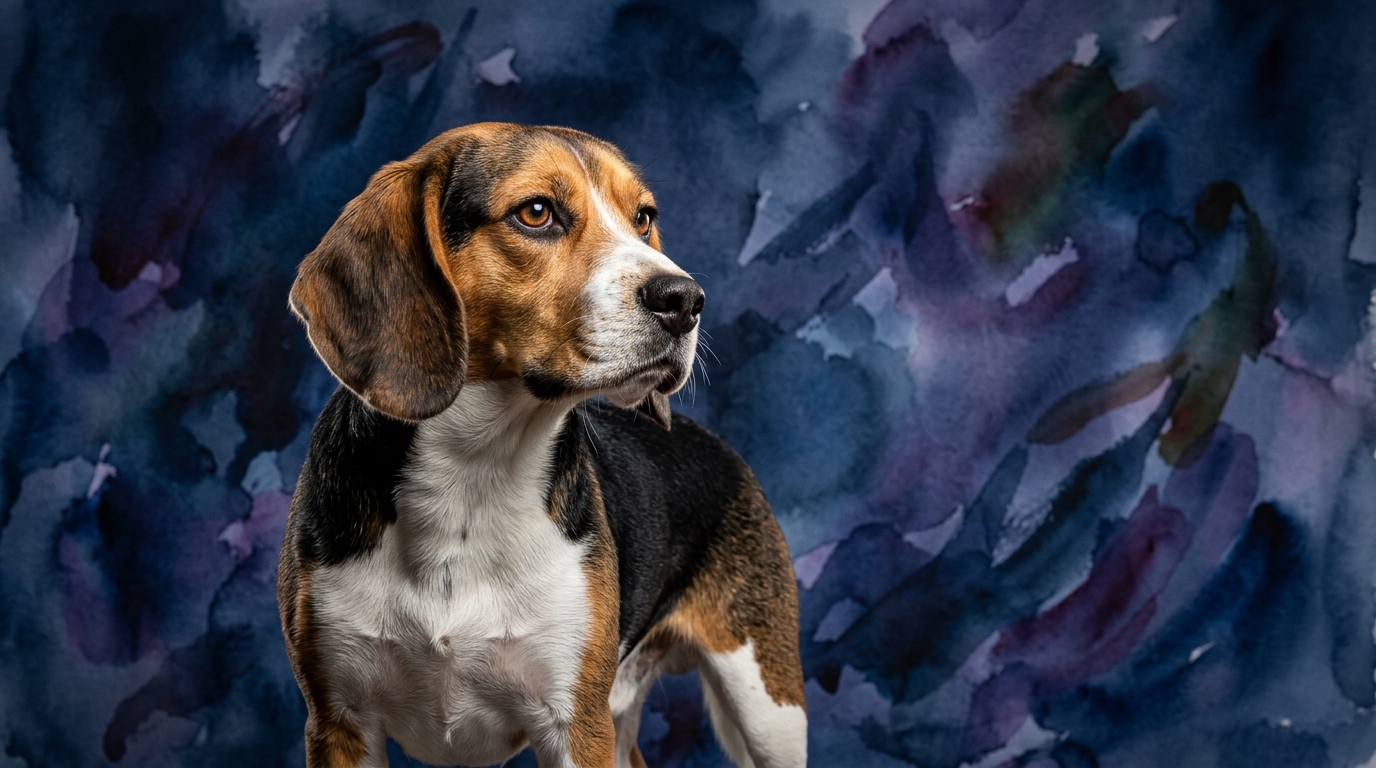
**Beagle:**
**Problem Solving (4/5):** Beagles excel at olfactory problem-solving, adeptly interpreting and following complex scent trails to locate a source. This specialized skill involves processing vast sensory data in intricate environments.
**Training Speed (2/5):** Formal obedience training often requires significant patience; their powerful scent drive can make them appear distracted or disengaged from human commands.
**Social Intelligence (3/5):** Beagles generally exhibit moderate social intelligence, enjoying company but sometimes prioritizing independent, scent-driven pursuits over immediate social engagement.
**Instinctive Drive (5/5):** Their defining trait is an incredibly powerful, almost singularly focused drive for scent work, dictating much of their behavior and cognitive engagement.
**Memory (4/5):** They possess impressive memory for scent trails, associated locations, and past discoveries, allowing for persistent and effective tracking strategies.
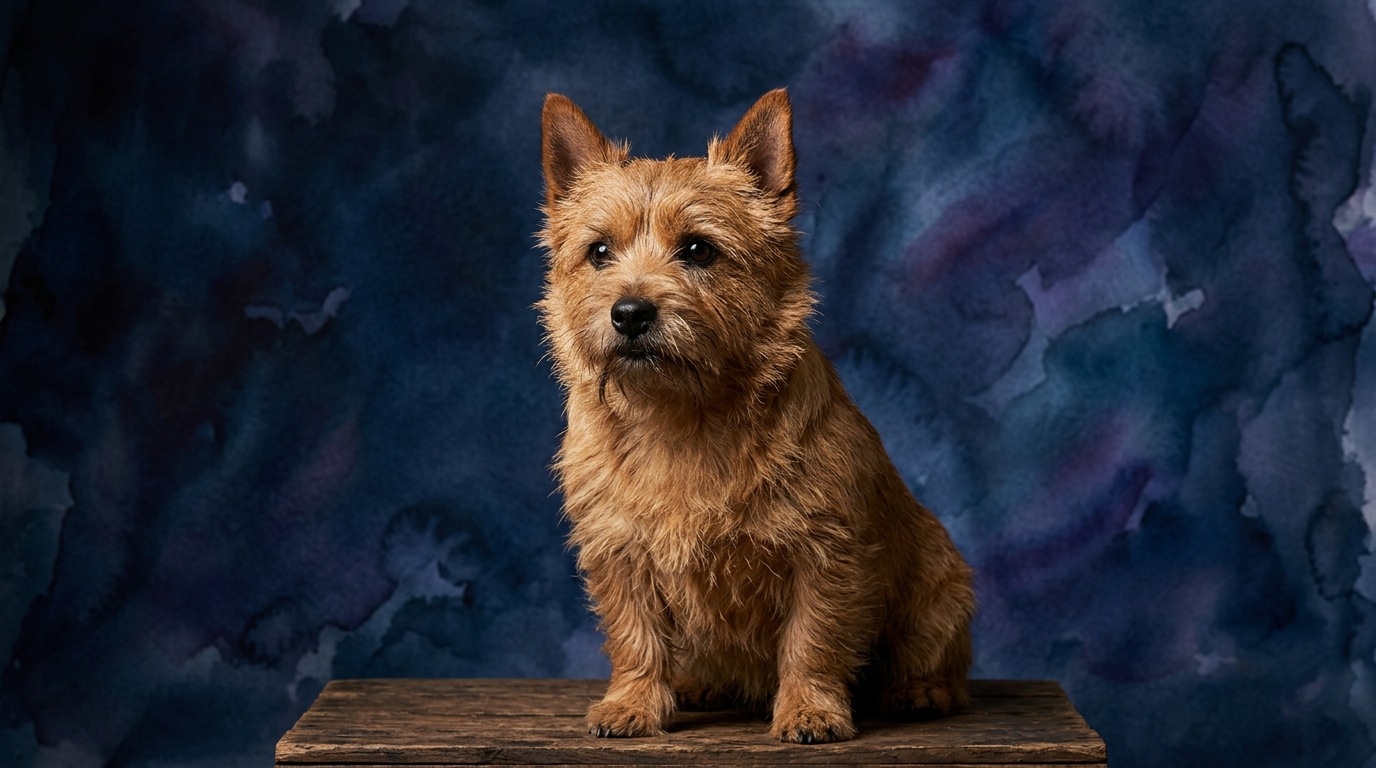
**Norwich Terrier:**
**Problem Solving (3/5):** Norwich Terriers demonstrate practical problem-solving, using persistence and physical maneuvering to achieve goals, characteristic of a terrier's hands-on approach.
**Training Speed (3/5):** They offer a moderate training pace, generally willing to learn new commands and responding well to positive, engaging methods, though repetition can lead to boredom.
**Social Intelligence (3/5):** With moderate social intelligence, Norwich Terriers are typically outgoing, forming strong bonds and adapting well to various social settings with their family.
**Instinctive Drive (3/5):** Their instinctive drive for digging and chasing is present but more balanced and manageable compared to the Beagle's singular focus, allowing for broader attention.
**Memory (3/5):** Norwich Terriers have a solid memory for routines, commands, and favored items, serving their practical, everyday needs without specialized, detailed recall.
Where Beagle Wins Cognitively
The Beagle's cognitive strengths are undeniably rooted in its olfactory prowess. With a 4/5 in Problem Solving, they are unparalleled in navigating complex environments through scent. Their ability to decipher faint traces and follow intricate trails, often hours old, far surpasses the Norwich Terrier's more generalized problem-solving skills. This isn't just about 'smelling things'; it's about processing vast amounts of sensory data, prioritizing signals, and constructing a mental map based solely on odor. Their 4/5 Memory is specifically tailored to recalling these scent-based maps and the outcomes of previous investigations, allowing them to learn and refine their tracking strategies over time. This specialized memory is a powerful tool for persistent exploration.
Where Norwich Terrier Wins Cognitively
While the Beagle excels in its specialized domain, the Norwich Terrier demonstrates a more balanced cognitive profile, offering wins in adaptability and consistent engagement. Their 3/5 in Training Speed, compared to the Beagle's 2/5, indicates a slightly more consistent willingness and pace for formal instruction. This cognitive approach often presents fewer immediate distractions than the Beagle's overwhelming scent drive. The Norwich's moderate 3/5 Instinctive Drive also means their attention is less likely to be hijacked by a single, all-consuming instinct, allowing for a broader engagement with their environment and human companions. This balanced drive can make them more versatile in various learning scenarios.
Which Is Easier to Train and Why
Evaluating ease of training requires understanding the underlying cognitive motivations of each breed. The Beagle, with a Training Speed of 2/5, can present challenges due to its formidable 5/5 Instinctive Drive. When a Beagle's nose hits an interesting scent, their brain enters a highly focused mode, often rendering human commands secondary. This isn't malicious stubbornness; it's a hardwired biological imperative taking precedence. Training a Beagle demands immense patience, creativity, and a deep understanding of their scent-driven world. Owners need to make training feel like a game that either incorporates scent work or is so rewarding it can momentarily override the call of the nose. Their tendency to 'go deaf' when on a trail makes recall a significant hurdle without extensive, consistent training from a young age. In contrast, the Norwich Terrier, with a 3/5 Training Speed, generally offers a more straightforward training experience. Their 3/5 Instinctive Drive, while present, is less all-consuming. Norwich Terriers are often more attentive to their handlers, motivated by praise and treats, and less prone to becoming singularly fixated on a distraction. They enjoy engaging with their people and learning new tasks, provided the training is varied and positive. While they possess a terrier's independent streak, it's typically expressed as a desire for novelty rather than an overwhelming environmental distraction, making the process feel more collaborative.
Which Suits Active Owners vs. Relaxed Owners
The choice between a Beagle and a Norwich Terrier often hinges on an owner's lifestyle and their capacity to meet a dog's cognitive and physical needs. A Beagle, with its profound 5/5 Instinctive Drive, is unequivocally suited for active owners. These dogs require consistent mental stimulation, primarily through scent work, and considerable physical exercise. An owner who cannot provide outlets for their Beagle's relentless drive for exploration and tracking will likely encounter behavioral challenges rooted in unmet cognitive needs, such as excessive baying or destructive searching behaviors. They thrive on long walks where their nose can lead, scent games, and opportunities to engage their specialized problem-solving skills. Conversely, the Norwich Terrier, with its more moderate 3/5 Instinctive Drive, offers greater flexibility. While certainly not a sedentary breed, their energy requirements are more adaptable. They enjoy regular walks and playtime but are often content to relax with their family after their needs are met. A moderately active owner who enjoys daily walks and interactive play but isn't necessarily dedicated to specialized scent work would find a Norwich Terrier a good fit. Their cognitive needs are less singularly focused, allowing them to integrate into a wider range of household routines without the same intensity of specialized demand as a Beagle.
The Verdict
Choose a Beagle if you are an active owner eager to engage with a dog's profound scenting abilities, prepared for patient, consistent training that channels their powerful instinctive drive.
Opt for a Norwich Terrier if you seek a balanced, adaptable companion with a moderate drive, suitable for a moderately active household that appreciates an engaging yet less specialized cognitive profile.
🧠 Find Your Pet's IQ Score
Our Pet IQ Lab assessment covers 25+ tests across 5 cognitive dimensions — personalized to your breed.
Take the Full IQ Test →Frequently Asked Questions
Do Beagles get distracted easily during training?
Yes, Beagles often appear distracted during training due to their powerful 5/5 Instinctive Drive, which makes them highly attuned to scents. Their nose can easily override human commands, requiring extra patience and creative training methods focused on engaging their natural drives.
Are Norwich Terriers good at learning tricks?
Norwich Terriers, with a 3/5 Training Speed and moderate drive, are generally good at learning tricks, especially when training is kept engaging and positive. Their balanced cognitive profile makes them responsive to varied tasks, though their terrier independence means they prefer novelty over endless repetition.
Which breed requires more mental stimulation?
The Beagle generally requires more intense and specialized mental stimulation, particularly through scent work, due to its 5/5 Instinctive Drive and 4/5 Problem Solving in olfactory tasks. The Norwich Terrier, while needing engagement, has a more generalized 3/5 Instinctive Drive, making its mental stimulation needs more adaptable and less singularly focused.