A Side-by-Side Cognitive Profile
At The Cosmic Pet Pet IQ Lab, we evaluate canine intelligence across five key dimensions, offering a nuanced view beyond simple obedience. For the Beagle, a dog from the Hound group, and the Puli, a Herding breed, these scores illuminate their inherent strengths and how they interact with their environments.
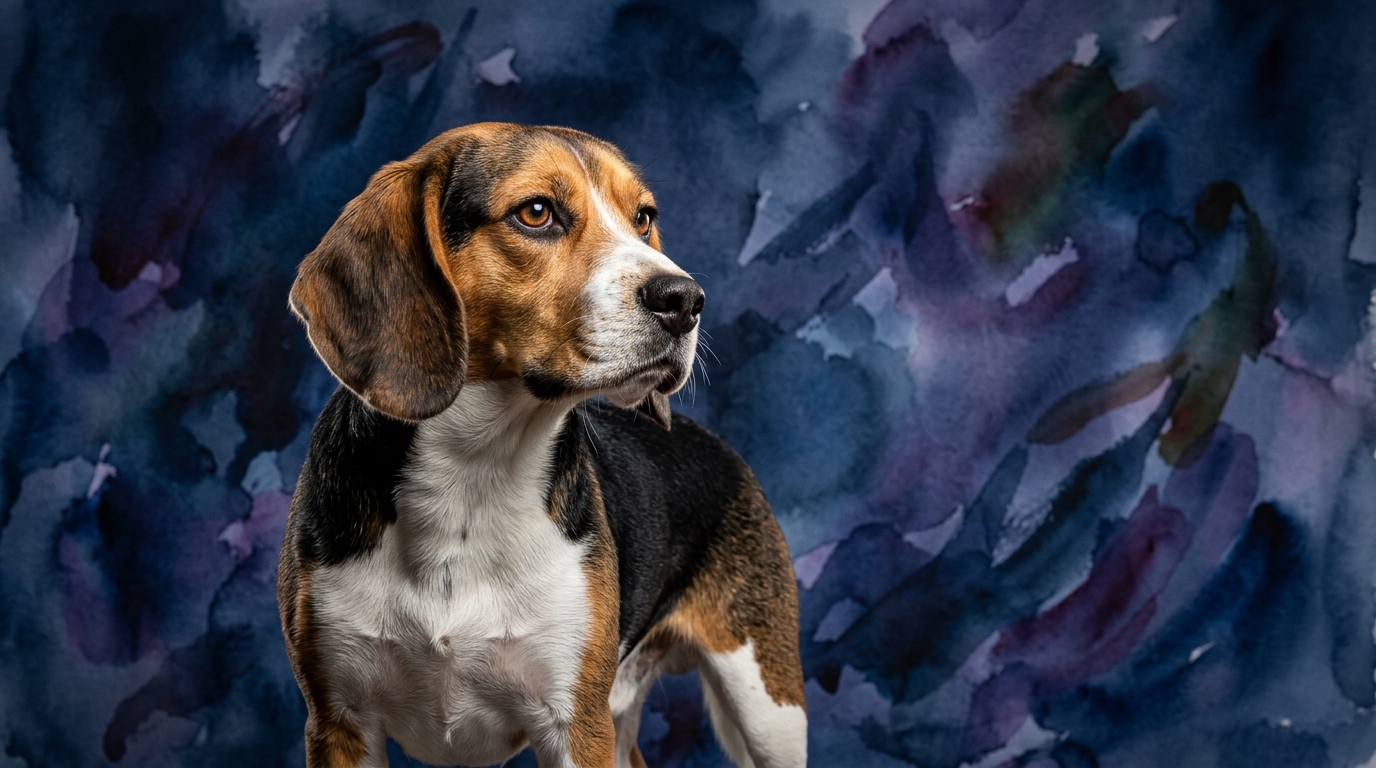
The Beagle, ranking 72nd in Coren's intelligence scale, demonstrates a Problem Solving score of 4 out of 5. This reflects their exceptional ability to navigate complex scent puzzles, meticulously tracing faint trails and overcoming obstacles to reach a source. Their problem-solving is largely driven by their olfactory world, where they piece together information from scent particles to achieve their goal. Their Training Speed is 2 out of 5, indicating they require significant patience and consistency, as their powerful instinctive drive often overrides their desire to comply with commands. Social Intelligence for a Beagle is 3 out of 5; they form strong bonds but their focus can be independently drawn to compelling scents. Their Instinctive Drive is a perfect 5 out of 5, underscoring an overwhelming, almost obsessive, motivation to track. Finally, their Memory is 4 out of 5, enabling them to recall complex scent patterns and established routines.
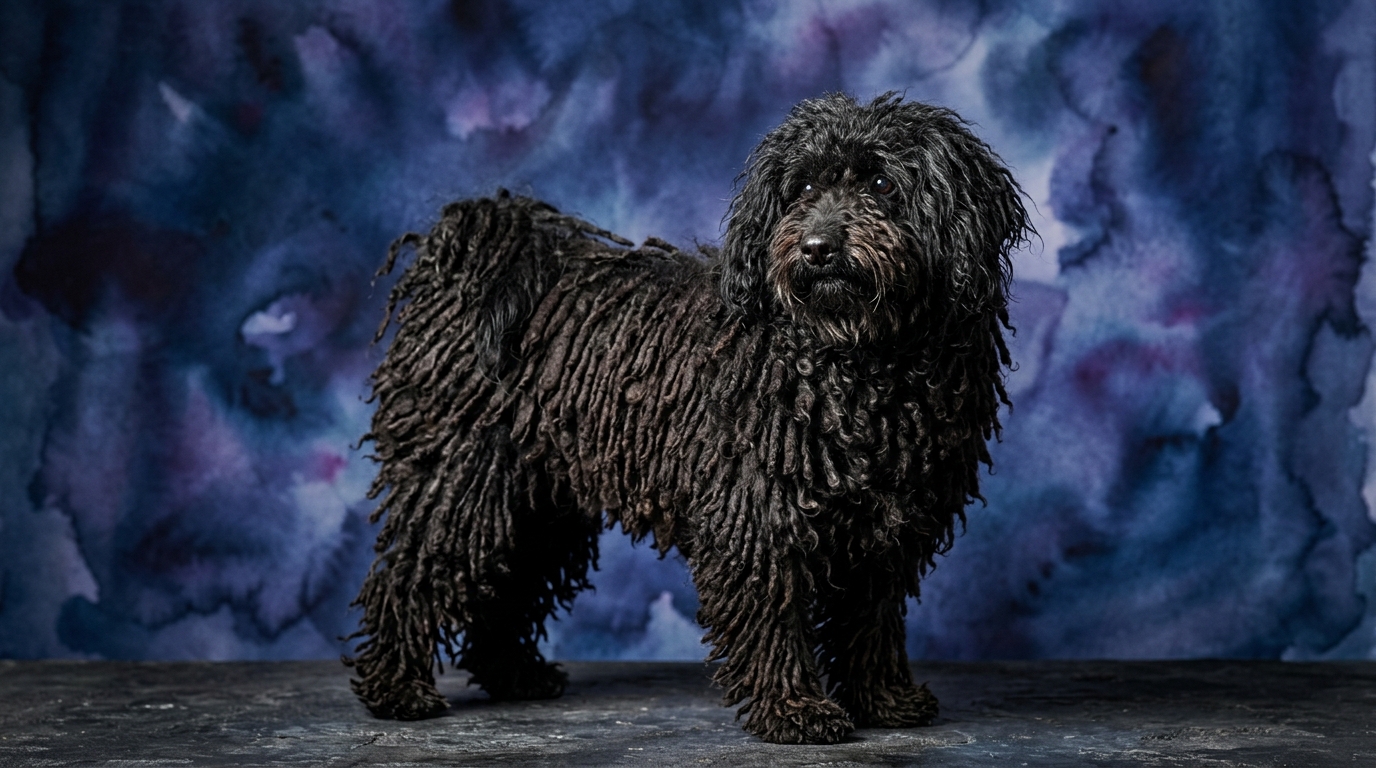
The Puli, ranking significantly higher at 25th in Coren's scale, also scores 4 out of 5 in Problem Solving, but this manifests as strategic thinking in dynamic environments. A Puli applies this intelligence to anticipate flock movements, adapt to changing terrain, and outsmart wayward sheep, demonstrating flexible and situational awareness crucial for herding. Their Training Speed is a robust 4 out of 5, highlighting their eagerness and capacity to quickly assimilate new commands and routines, a hallmark of working dogs predisposed to human direction. Social Intelligence for a Puli is 3 out of 5; they form deep attachments to their families and are perceptive of human emotions within their trusted circle, though they can be reserved with strangers. Their Instinctive Drive is 3 out of 5, reflecting a moderate but purposeful herding instinct that is typically more manageable than a Beagle's scent drive. Like the Beagle, a Puli's Memory is 4 out of 5, allowing them to retain a wide array of commands, learned behaviors, and intricate environmental patterns vital for their working roles.
Where the Beagle's Cognition Excels
The Beagle's cognitive strengths are undeniably rooted in its olfactory prowess. Its instinctive drive, rated at a perfect 5 out of 5, means it possesses an unparalleled, tenacious focus when a compelling scent presents itself. This isn't merely a physical trait; it’s a profound cognitive commitment where their problem-solving ability (4/5) is channeled into intricate scent detection and tracking. A Beagle can spend hours meticulously dissecting a scent trail, demonstrating remarkable persistence and an internal map-making capability based on odor, a skill few other breeds can rival. Their 4/5 memory score is particularly applied to recalling these scent patterns and locations, allowing them to return to a promising area or follow a previously identified trail with precision. This deep specialization makes them masters of their scent-driven world, showcasing a cognitive dedication that is singularly focused and exceptionally effective within that domain.
Where the Puli's Cognition Shines
In the realm of adaptable learning and executing multi-step commands, the Puli demonstrates distinct cognitive advantages. Its training speed, scoring a robust 4 out of 5, reflects an eagerness and capacity to quickly grasp new concepts and cues, a trait essential for a breed tasked with dynamic flock management. This rapid comprehension is further supported by their 4/5 problem-solving ability, which is applied to real-time strategic thinking in fluid situations, whether it's anticipating the movement of livestock or navigating an agility course. The Puli's higher Coren ranking (25th vs. Beagle's 72nd) underscores their general aptitude for understanding and performing complex tasks on command. Their memory (4/5) is key to retaining these intricate sequences and adapting learned behaviors to novel scenarios, making them highly effective partners in structured activities and demanding working roles.
Ease of Training: Beagle vs. Puli
Training a Beagle requires immense patience and creativity to overcome its powerful, often singular, focus on scent. Their training speed of 2/5 isn't due to a lack of capacity, but rather a profound internal motivation that frequently outweighs external commands when a compelling odor is present. A Beagle might understand a 'sit' command perfectly, but if a rabbit scent crosses its path, its 5/5 instinctive drive can lead it to prioritize the chase over obedience, making recall particularly challenging. Owners must learn to harness this drive, often integrating scent work into training to make it more engaging and rewarding for the Beagle, rather than fighting against their inherent nature.
Conversely, the Puli, with a training speed of 4/5, generally proves more amenable to instruction. Their history as working herding dogs means they are predisposed to partnership and purpose, finding satisfaction in executing tasks for their human companions. While they possess an instinctive drive (3/5) to herd, it's typically more manageable and channelable, allowing them to integrate commands into their natural behaviors more readily. Pulik often thrive on having a job to do and excel in obedience, agility, and other dog sports where their cognitive flexibility and desire to please are highly valued. Their motivation is often more handler-centric, making them generally more responsive to traditional training methods.
Suited for Active vs. Relaxed Owners
For owners who appreciate a dog with a deep, singular passion and are prepared to engage that passion, the Beagle offers a unique companionship. While they require regular walks to satisfy their physical needs, their true activity lies in their nose. An owner who enjoys outdoor exploration, scent games, or even structured nose work will find a compatible partner in a Beagle, as these activities tap directly into their primary cognitive strength. However, their independent streak and occasional 'selective hearing' when on a scent trail means a truly 'relaxed' owner who prefers minimal engagement in training or management might find them challenging. Beagles need consistent mental stimulation through their nose to be content, rather than just physical exertion.
The Puli, with its heritage of dynamic herding, thrives with active owners who can provide consistent mental and physical challenges. Their cognitive flexibility and desire for purpose make them excellent candidates for dog sports like agility, obedience, or even urban herding activities. A Puli owner should be prepared for regular, engaging exercise and ongoing training to keep their astute minds occupied. They enjoy having a role within the family unit and can become bored or destructive if understimulated. While they can enjoy downtime with their families, a sedentary lifestyle would likely lead to an understimulated and potentially destructive Puli, making them less suitable for genuinely relaxed, low-engagement households. They are best suited for owners who desire a dynamic, working companion.
The Verdict
Choose a Beagle if you are fascinated by the world of scent, are patient with an independent spirit, and are prepared to channel their intense olfactory drive into fulfilling activities.
Opt for a Puli if you seek a highly trainable, adaptable, and active partner for dog sports or working roles, and are ready to provide consistent mental and physical engagement.
🧠 Find Your Pet's IQ Score
Our Pet IQ Lab assessment covers 25+ tests across 5 cognitive dimensions — personalized to your breed.
Take the Full IQ Test →Frequently Asked Questions
Are Beagles difficult to train?
Beagles are not inherently unintelligent, but their powerful instinctive drive to follow scents often makes them appear stubborn in training. Their 2/5 training speed score indicates they require significant patience and consistent, positive reinforcement to reliably learn and execute commands, especially when distractions are present.
Do Pulik need a lot of exercise?
Yes, Pulik generally require a good amount of both physical and mental exercise. Their background as herding dogs means they thrive on purpose-driven activities and benefit from regular walks, challenging play, and dog sports like agility or obedience to keep their astute minds and bodies engaged.
Which breed is better for families with children?
Both breeds can be good with children, but their suitability depends on the family's lifestyle and commitment to training. Beagles are generally tolerant and playful, while Pulik are loyal and protective. Supervised interactions and early socialization are crucial for either breed to ensure harmonious family integration.