Side-by-Side IQ Profile: Beagle vs. Saluki
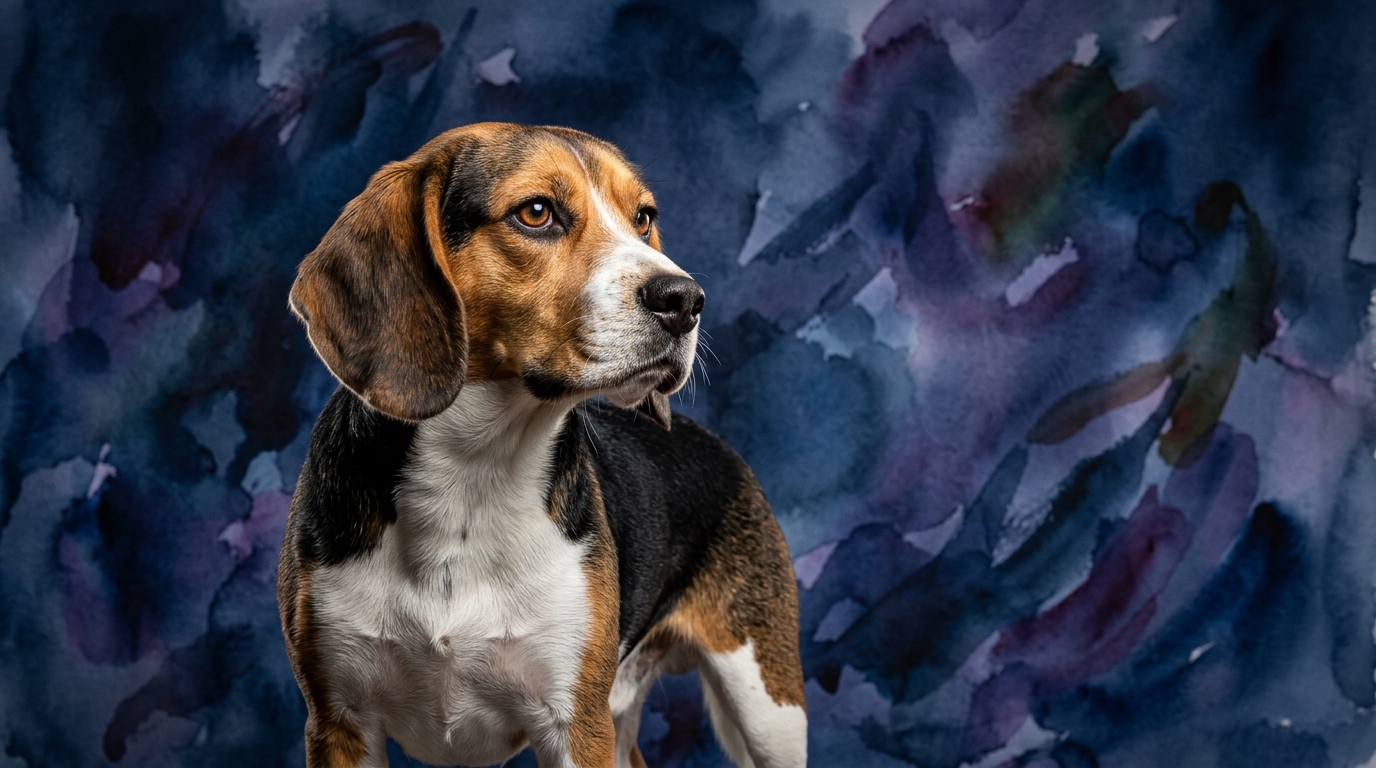
Beagles, ranked 72nd by Coren for working intelligence, present a cognitive profile deeply rooted in their scent-hunting heritage. Their Problem Solving rates a robust 4/5, reflecting an exceptional ability to unravel complex scent puzzles and navigate environments to locate a target, demonstrating remarkable persistence. However, their Training Speed scores a 2/5; while capable of learning, their powerful instinctive drive often makes them appear less compliant, as their nose frequently dictates their priorities over human commands. Social Intelligence sits at 3/5, indicating they are generally amiable but their primary focus can quickly shift to an intriguing odor rather than social cues. Their Instinctive Drive is a perfect 5/5, an all-consuming urge to pursue and track scents, and their Memory, at 4/5, is particularly adept at recalling scent patterns and successful hunting strategies over time.
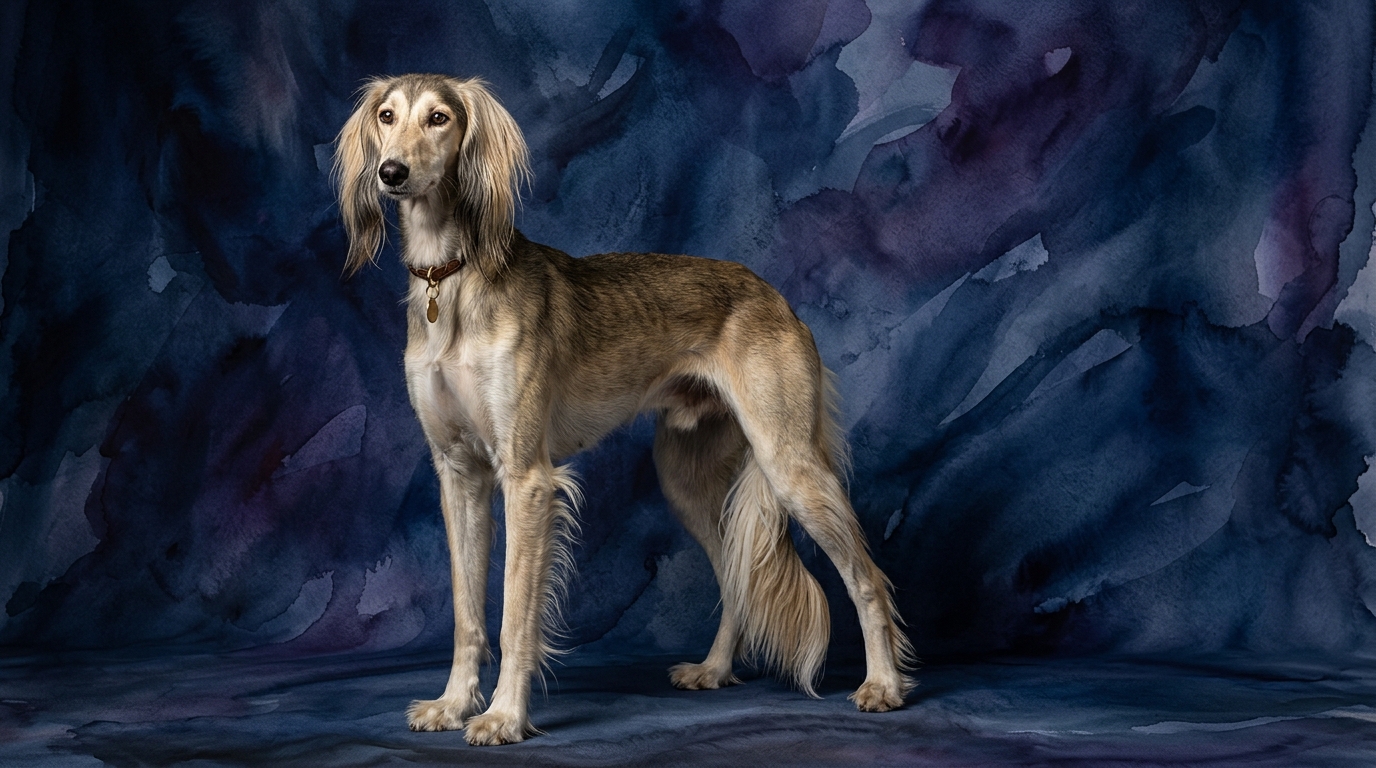
The Saluki, a breed not cataloged in Coren’s rankings, offers a different intellectual landscape, shaped by centuries of coursing prey across vast, open terrains. Their Problem Solving is rated 3/5, suggesting a practical intelligence focused on efficient pursuit and navigation in dynamic environments rather than intricate conceptual challenges. Training Speed is a moderate 3/5; Salukis are capable learners but often display a distinct independent streak, requiring patient and engaging methods to foster cooperation. Their Social Intelligence also registers 3/5, characterized by a refined sensitivity to their family members' emotions, though they tend to be more reserved and discerning with strangers, prioritizing comfort over effusive interaction. An Instinctive Drive of 3/5 highlights their inherent desire to chase what they see, a powerful impulse yet typically more manageable than the Beagle's relentless scent tracking. Finally, their Memory, also 3/5, is effective for recalling familiar routes and the locations of past chases, serving their specific hunting methodology.
Where the Beagle Wins Cognitively
The Beagle undeniably shines in the realm of problem-solving when it comes to olfactory challenges, boasting a 4/5 rating. They demonstrate a superior capacity to interpret intricate scent information, meticulously piecing together invisible puzzles across diverse terrains. This isn't merely following a trail; it involves sophisticated deduction, filtering out irrelevant odors, and prioritizing faint signals to pinpoint a target. Their tenacity, driven by an insatiable curiosity for scent, means they rarely give up on a puzzle once engaged, often finding ingenious ways around obstacles that would deter less focused breeds.
Another clear cognitive advantage for the Beagle lies in its unparalleled Instinctive Drive, scoring a perfect 5/5. This isn't just about a strong urge; it represents a deep-seated, all-consuming cognitive commitment to their primary purpose: tracking. This intense focus allows them to override distractions and maintain singular attention on a scent, a level of dedication that few other breeds possess. While it presents training challenges for human companions, this drive is a testament to their specialized intelligence in their traditional role, enabling an unwavering pursuit that has been honed over centuries.
Furthermore, Beagles exhibit a notable edge in Memory, rated 4/5. Their brains are exceptionally wired to retain detailed information about scent trails, the locations where specific odors were found, and the successful strategies employed to track them. This robust olfactory memory allows them to 're-read' old trails, build mental maps based on scent, and recall past experiences to inform current tracking efforts, making them highly effective and persistent searchers.
Where the Saluki Wins Cognitively
The Saluki demonstrates a notable advantage in Training Speed, scoring 3/5 compared to the Beagle's 2/5. While they possess an independent streak characteristic of sighthounds, Salukis are generally more receptive to learning commands and routines when presented with clear, engaging instruction and positive reinforcement. Their motivation isn't as easily hijacked by an overpowering instinct, allowing them to focus on human-directed tasks with greater consistency. This means that, with the right approach, Salukis can often grasp new concepts and behaviors more quickly than their scent-driven counterparts.
While both breeds score 3/5 for Social Intelligence, the Saluki's expression of this trait often manifests as a deeper, more nuanced connection within their family unit. Salukis are frequently described as sensitive and highly attuned to the moods and subtle cues of their closest human companions, fostering a profound, almost empathetic bond. Their social interactions, though often reserved with strangers, are characterized by a quiet dignity and a discerning nature, suggesting a sophisticated understanding of social dynamics within their chosen circle, prioritising comfort and trust.
Although their overall Problem Solving rating is slightly lower than the Beagle's, Salukis exhibit a distinct cognitive strength in dynamic visual problem-solving. Their intelligence is geared towards rapidly assessing distances, trajectories, and speeds of moving objects in vast, open landscapes. This involves complex spatial reasoning and immediate decision-making, crucial for effectively pursuing fast-moving prey. They must anticipate, react, and adapt their own movements with remarkable precision, showcasing a specialized form of cognitive agility that is perfectly adapted to their sighthound role.
Which is Easier to Train and Why
When evaluating ease of training, the Saluki generally holds a slight edge over the Beagle, though neither breed is typically described as effortlessly compliant. The Beagle's primary hurdle in training stems directly from its overwhelming Instinctive Drive of 5/5 and its lower Training Speed of 2/5. Their world is dominated by scent; a captivating odor can instantly override any command, making recall and focus exceptionally challenging in varied environments. Training a Beagle demands immense patience, high-value rewards, and a consistent ability to out-compete the allure of the olfactory world. What often appears as stubbornness is, in fact, an intense, hardwired biological imperative driving their behavior.
The Saluki, with a Training Speed of 3/5, tends to be more receptive to instruction, provided the training methods are engaging and respectful of their independent nature. While they possess a strong prey drive for visual targets, it typically doesn't consume their attention with the same intensity as a Beagle's scent drive. Salukis respond well to positive reinforcement and appreciate variety in their training sessions, as repetitive drills can quickly lead to boredom and a lack of cooperation. Their independence means they might question the utility of a command, but they are generally quicker to grasp new concepts and integrate them into their behavior once they understand the expectation, making them more pliable than their scent-driven counterparts for general obedience.
Which Suits Active Owners vs. Relaxed Owners
For active owners, both breeds present distinct requirements, though the nature of that activity differs significantly. A Beagle thrives with owners who are prepared to embrace and channel their intense scent drive. This means long, leisurely walks where they are encouraged to explore olfactory landscapes, participation in scent work or tracking sports, and secure environments where their nose won't lead them astray. Their energy levels are moderate but persistent, requiring consistent mental and physical engagement that caters to their innate desire to follow a trail. Owners who are relaxed about structured exercise but keen on engaging in stimulating 'nose games' will find a Beagle a rewarding companion.
The Saluki, conversely, is best suited for owners who can provide ample opportunity for high-speed, open-field running in securely fenced areas. Their athleticism and sighthound heritage demand bursts of intense physical activity, allowing them to stretch their powerful legs and satisfy their instinct to chase. While they can be remarkably calm and elegant indoors, their need for vigorous exercise is non-negotiable, making them an ideal match for active individuals who enjoy regular, substantial outdoor excursions. Relaxed owners who cannot commit to providing these crucial outlets for their Saluki's physical prowess may find themselves with an unfulfilled and restless companion, despite their generally quiet demeanor indoors.
The Verdict
Opt for a Beagle if you are captivated by a dog whose world revolves around scent, willing to patiently channel their powerful tracking drive through consistent training and engaging scent-based activities, and desire a generally jovial companion who will keep you curious about the world's hidden smells.
Select a Saluki if you appreciate an elegant, independent companion who thrives on intense bursts of running in secure environments, value a more reserved yet deeply affectionate bond, and are prepared to respect their sensitive nature and provide a calm, comfortable home.
🧠 Find Your Pet's IQ Score
Our Pet IQ Lab assessment covers 25+ tests across 5 cognitive dimensions — personalized to your breed.
Take the Full IQ Test →Frequently Asked Questions
Are Beagles easy to train for recall?
Training a Beagle for reliable recall can be quite challenging due to their overwhelming scent drive; a captivating odor often takes precedence over human commands. It requires consistent, high-value reinforcement and often benefits from long-line training in varied environments to gradually build reliability.
Do Salukis need a lot of space to run?
Yes, Salukis require regular opportunities for vigorous, high-speed running in securely fenced areas where they can truly stretch their legs safely. Their sighthound nature means they need to gallop freely to fulfill their physical and mental needs, making a large, enclosed yard or access to a dog park essential.
How do their social needs compare?
Beagles are generally very social and outgoing, enjoying interaction with people and other dogs, though their nose can sometimes distract them from social cues. Salukis are typically more reserved with strangers but form deep, sensitive bonds with their families, appreciating a quieter social environment once they feel comfortable.