Side-by-Side IQ Profile: Beagle vs. Shih Tzu
At The Cosmic Pet Pet IQ Lab, we dissect canine cognition into five key dimensions, offering a nuanced view beyond a single 'smartness' score. The Beagle, a dog from the Hound group, holds a Coren rank of #72, while the Toy group Shih Tzu sits slightly higher at #70, indicating both fall within the average range for working and obedience intelligence. However, their individual cognitive landscapes diverge significantly when we examine the specifics.
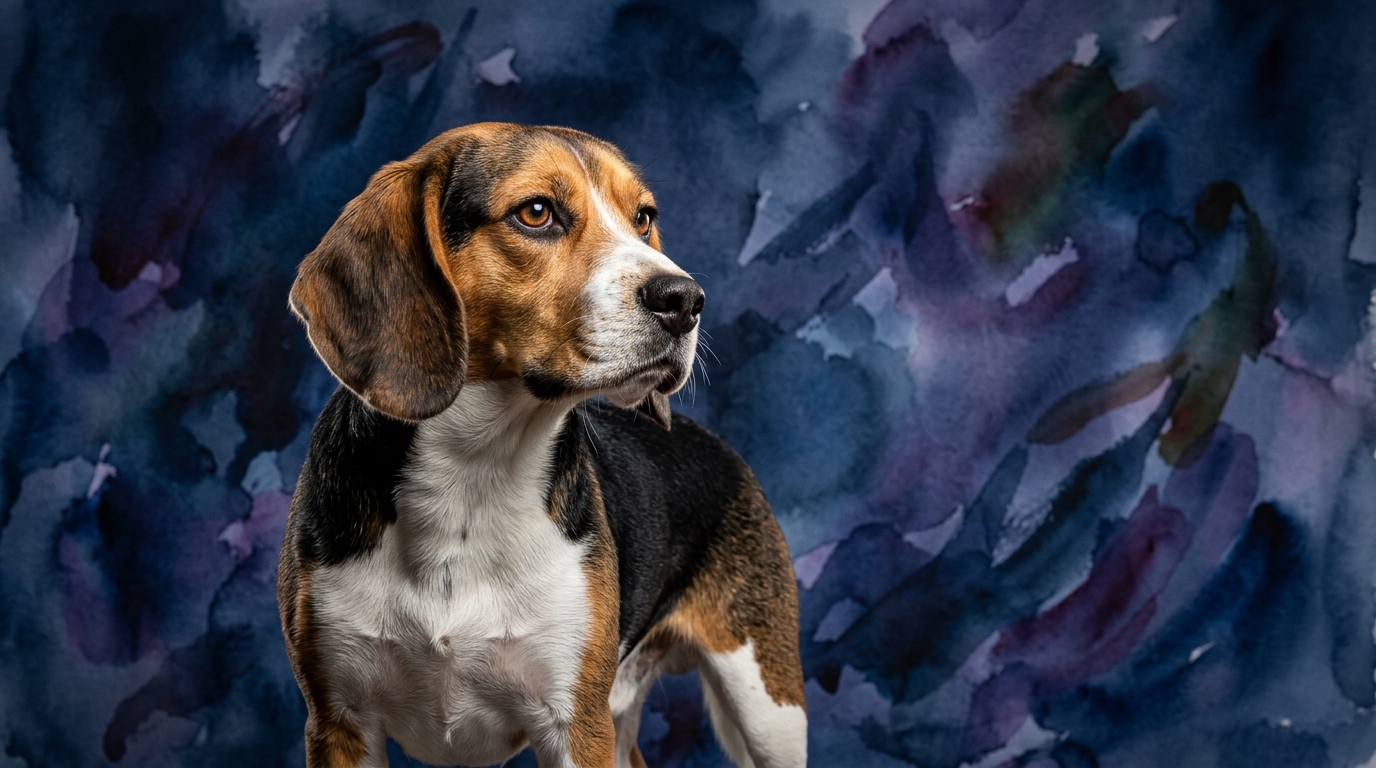
The Beagle's profile highlights its formidable sensory abilities and inherent drive. Its Problem Solving score of 4/5 reflects an aptitude for navigating complex environments, often driven by scent, and figuring out how to reach a desired target or overcome an obstacle when motivated. Training Speed for the Beagle is 2/5, suggesting they absorb new commands at a moderate pace, often requiring consistent, patient repetition. Social Intelligence stands at 3/5, meaning they understand human cues and social dynamics to a reasonable degree but might prioritize their own interests, especially when a compelling scent is present. Their Instinctive Drive is a robust 5/5, a testament to their powerful olfactory capabilities and unwavering determination to follow a trail. Finally, their Memory is 4/5, indicating an excellent recall for locations, routines, and especially crucial scent information.
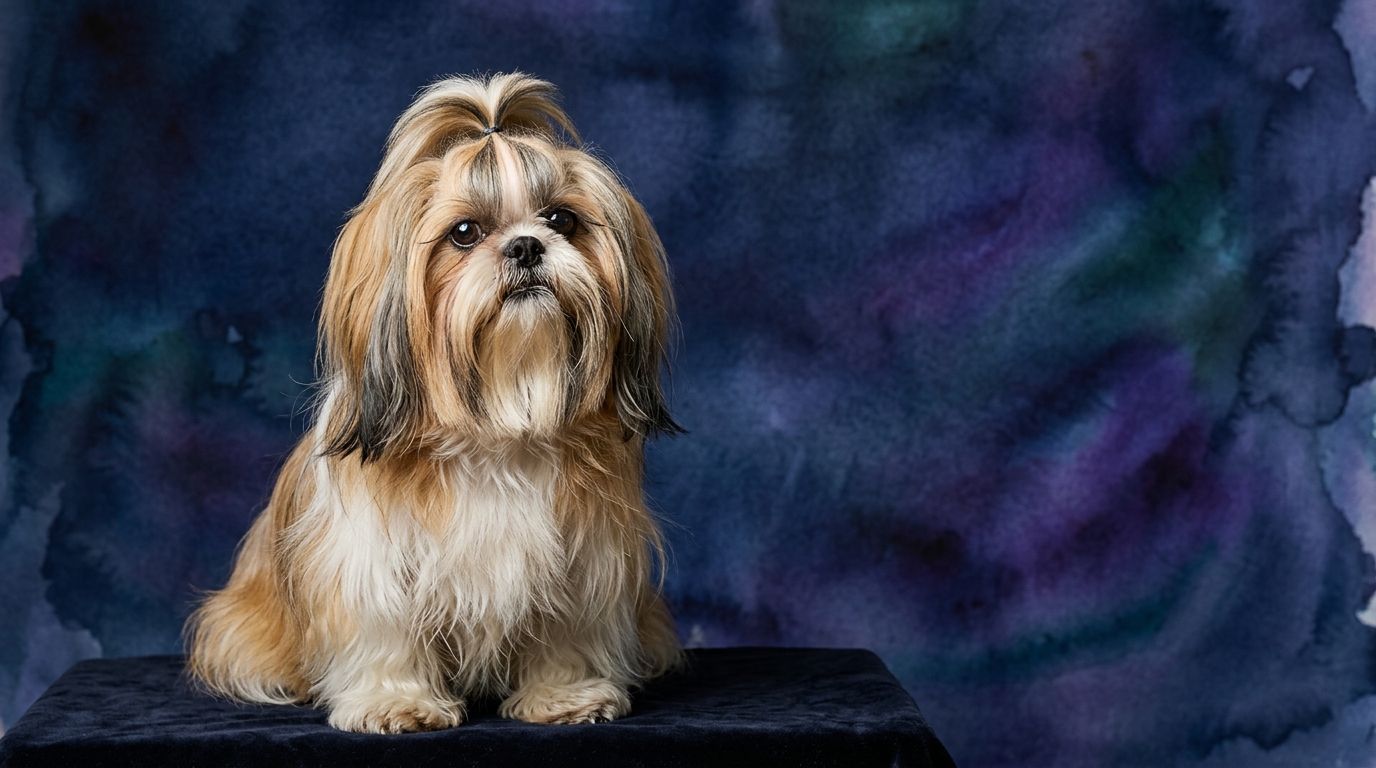
In contrast, the Shih Tzu presents a cognitive blueprint tailored for companionship. Their Problem Solving score of 3/5 suggests they can figure out basic puzzles and routines within their domestic sphere but may not possess the same independent problem-solving drive as a Beagle. Training Speed is also 2/5, similar to the Beagle, meaning they too require patient, consistent guidance to learn new behaviors. Where the Shih Tzu truly shines is in Social Intelligence, earning a perfect 5/5. This reflects their exceptional ability to read human emotions, adapt to household dynamics, and form deep, intuitive bonds with their family members. Their Instinctive Drive is 2/5, indicating a low intrinsic motivation for tasks like hunting or guarding, preferring instead to be close to their people. Their Memory is 3/5, sufficient for recalling family members, routines, and house rules, but perhaps less detailed than the Beagle's scent-based recall.
Where the Beagle Wins Cognitively
The Beagle's cognitive strengths are deeply rooted in its heritage as a scent hound. Its superior Instinctive Drive (5/5) and Memory (4/5) combine to create an unparalleled ability to track and recall complex scent information. A Beagle can process and remember a vast library of smells, associating them with locations, individuals, and even past events. This isn't merely a physical ability; it involves significant cognitive processing to interpret, prioritize, and follow intricate scent trails, often for extended periods.
Furthermore, their Problem Solving score of 4/5 often manifests in their resourcefulness when pursuing a scent. If a barrier stands between them and an interesting smell, a Beagle will often methodically work to circumvent it, demonstrating a persistent, goal-oriented cognitive strategy. This problem-solving is typically self-directed and driven by their innate curiosity and powerful nose, allowing them to navigate complex outdoor environments with impressive autonomy. They excel at tasks requiring independent exploration and sustained focus on an external stimulus, making them adept at activities like scent work or certain types of puzzle toys that engage their olfactory senses.
Where the Shih Tzu Wins Cognitively
The Shih Tzu's cognitive prowess lies squarely in its social and emotional intelligence. With a perfect 5/5 in Social Intelligence, these dogs are masters at understanding and responding to human nuances. They excel at reading facial expressions, body language, and vocal tones, allowing them to anticipate their owners' moods and desires. This acute social awareness fosters incredibly strong bonds and makes them exceptionally attuned companions, often adjusting their behavior to suit the emotional climate of the household. They learn quickly who is amenable to play, who needs comfort, and when to simply be a quiet presence.
This high social intelligence also contributes to their adaptability within a domestic setting. While their Problem Solving (3/5) might not be about navigating a forest, it’s highly effective in understanding the social rules and expectations of their human family. They quickly grasp concepts like 'no jumping on the couch' or 'where to potty,' not just through rote memorization but by understanding the social implications and desired outcomes from their human companions. Their cognitive strengths are geared towards harmonious living and fostering deep, reciprocal relationships, making them incredibly intuitive and empathetic family members.
Which Is Easier to Train and Why?
When comparing training ease, both the Beagle and the Shih Tzu share a Training Speed score of 2/5, suggesting neither breed is inherently quick to pick up new commands. However, the *nature* of their training challenges differs significantly due to their other cognitive traits. A Beagle's formidable Instinctive Drive (5/5) is often its biggest training hurdle. When a compelling scent captures a Beagle's attention, its focus on human commands can vanish, as its brain is hardwired to follow that olfactory trail above all else. Training a Beagle requires immense patience, consistent positive reinforcement, and a strong understanding of their scent-driven motivations, often necessitating training in distraction-free environments before generalizing skills.
Conversely, the Shih Tzu's training challenges stem more from their independent streak and lower instinctive drive for 'work,' rather than distraction by external stimuli. While their high Social Intelligence (5/5) means they understand human desires, their motivation to *perform* a command might require more convincing. They respond exceptionally well to training that is fun, positive, and deeply integrated into their bond with their owner, often seeing it as a cooperative game rather than a task. Consistency is key, and harsh methods are counterproductive, as their sensitive nature and desire for social harmony mean they thrive on encouragement and affection, making them willing participants when they feel valued and understood.
Which Suits Active Owners vs. Relaxed Owners
The cognitive and behavioral profiles of these two breeds naturally align with different owner lifestyles. The Beagle, with its high Instinctive Drive (5/5) and problem-solving curiosity, is generally better suited for active owners. Their need for mental and physical stimulation is substantial; they thrive on activities that engage their powerful nose, such as scent work, long walks where they can explore new smells, or structured outdoor adventures. An owner who enjoys hiking, participating in dog sports, or simply spending significant time outdoors providing opportunities for exploration will find a Beagle to be an enthusiastic and fulfilling companion. Without adequate outlets for their cognitive and physical energy, Beagles can become bored and resourceful in less desirable ways, using their problem-solving skills to find mischief.
The Shih Tzu, on the other hand, with its supreme Social Intelligence (5/5) and lower Instinctive Drive (2/5), is an ideal match for more relaxed owners who prioritize companionship and indoor comfort. Their primary cognitive need is for social interaction and close proximity to their human family. They are content with moderate daily exercise, such as short walks or indoor play, and excel at being a devoted lap dog or a quiet presence beside their owner. Owners who enjoy a calm home environment, desire a constant companion, and are prepared to engage in gentle, affectionate interactions will find the Shih Tzu's cognitive makeup perfectly complements their lifestyle, offering unwavering social support and emotional connection.
The Verdict
Choose a Beagle if you are an active owner who can provide ample opportunities for scent work, outdoor exploration, and consistent, patient training to manage their strong independent drive.
Opt for a Shih Tzu if you seek a devoted, socially adept companion who thrives on close human interaction, a relaxed home environment, and gentle, bond-focused training.
🧠 Find Your Pet's IQ Score
Our Pet IQ Lab assessment covers 25+ tests across 5 cognitive dimensions — personalized to your breed.
Take the Full IQ Test →Frequently Asked Questions
Are Beagles stubborn during training?
Beagles can appear stubborn due to their strong instinctive drive to follow scents, which often overrides their focus on human commands. Their 2/5 training speed means consistent, positive reinforcement in distraction-free environments is crucial for success, rather than perceiving it as pure stubbornness.
How does a Shih Tzu's social intelligence benefit its owners?
A Shih Tzu's exceptional social intelligence (5/5) allows them to keenly read human emotions and adapt to household dynamics, fostering deep, empathetic bonds. This makes them incredibly intuitive companions who often anticipate needs and offer comforting presence, enriching the emotional life of their family.
Do Beagles need a lot of mental stimulation?
Yes, Beagles require significant mental stimulation, primarily through activities that engage their powerful sense of smell and problem-solving abilities. Without outlets for their 5/5 instinctive drive and 4/5 problem-solving, they can become bored and potentially destructive, seeking out their own entertainment.