Side-by-Side Cognitive Profile: Beagle vs. Smooth Fox Terrier
To understand the mental landscapes of these two distinct breeds, The Cosmic Pet Pet IQ Lab employs a five-dimensional cognitive profile. This framework allows us to look beyond simple notions of 'smartness' and appreciate the specific intellectual assets each breed brings.
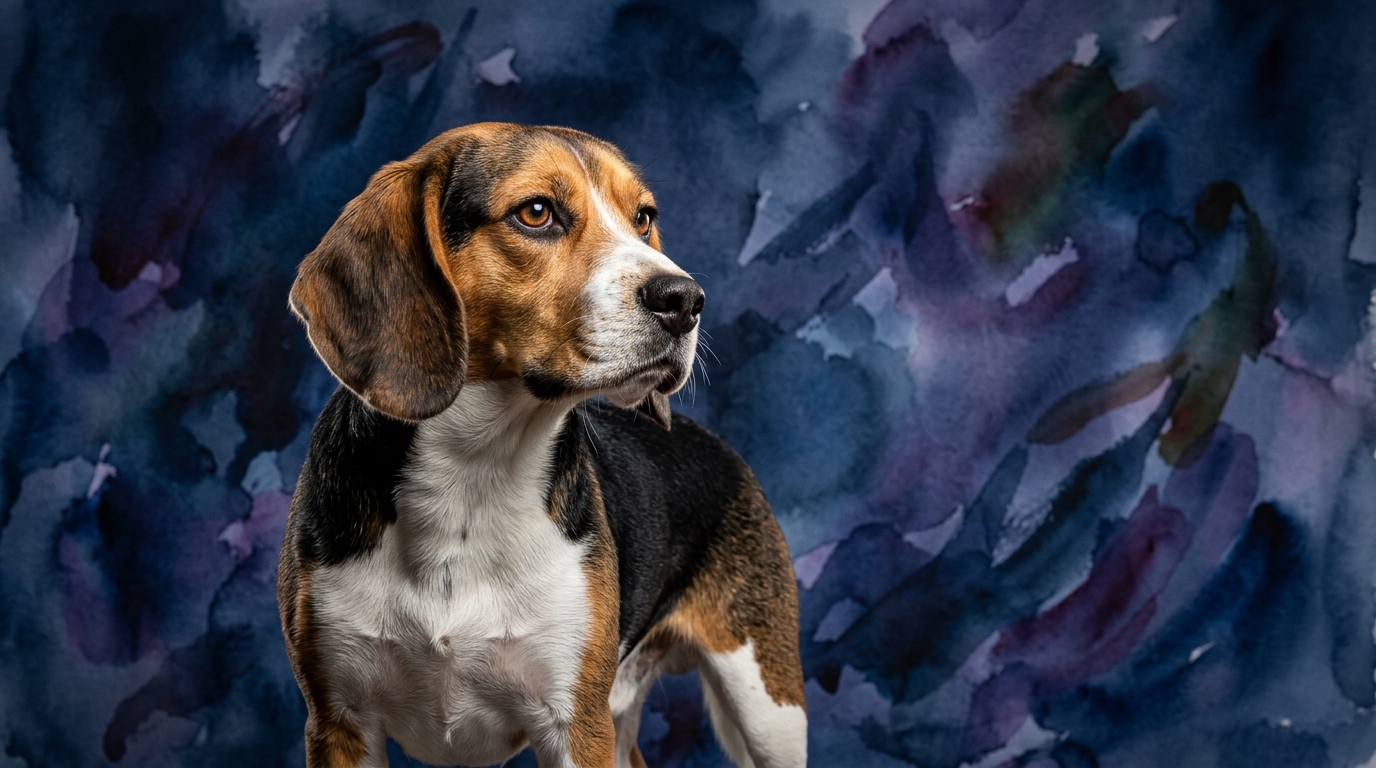
The **Beagle**, a venerable Hound (Coren rank #72), presents a profile deeply influenced by its primary function. Its **Problem Solving** is rated 4/5, primarily excelling in tasks requiring olfactory deduction and navigating complex scent trails. **Training Speed** stands at 2/5, reflecting a challenge in maintaining focus when compelling scents are present. **Social Intelligence** is a moderate 3/5, indicating an ability to integrate into social structures but often with an independent streak. Its **Instinctive Drive** is a powerful 5/5, almost exclusively focused on scent-tracking. Finally, **Memory** is a strong 4/5, particularly for recalling scent information and environmental layouts.
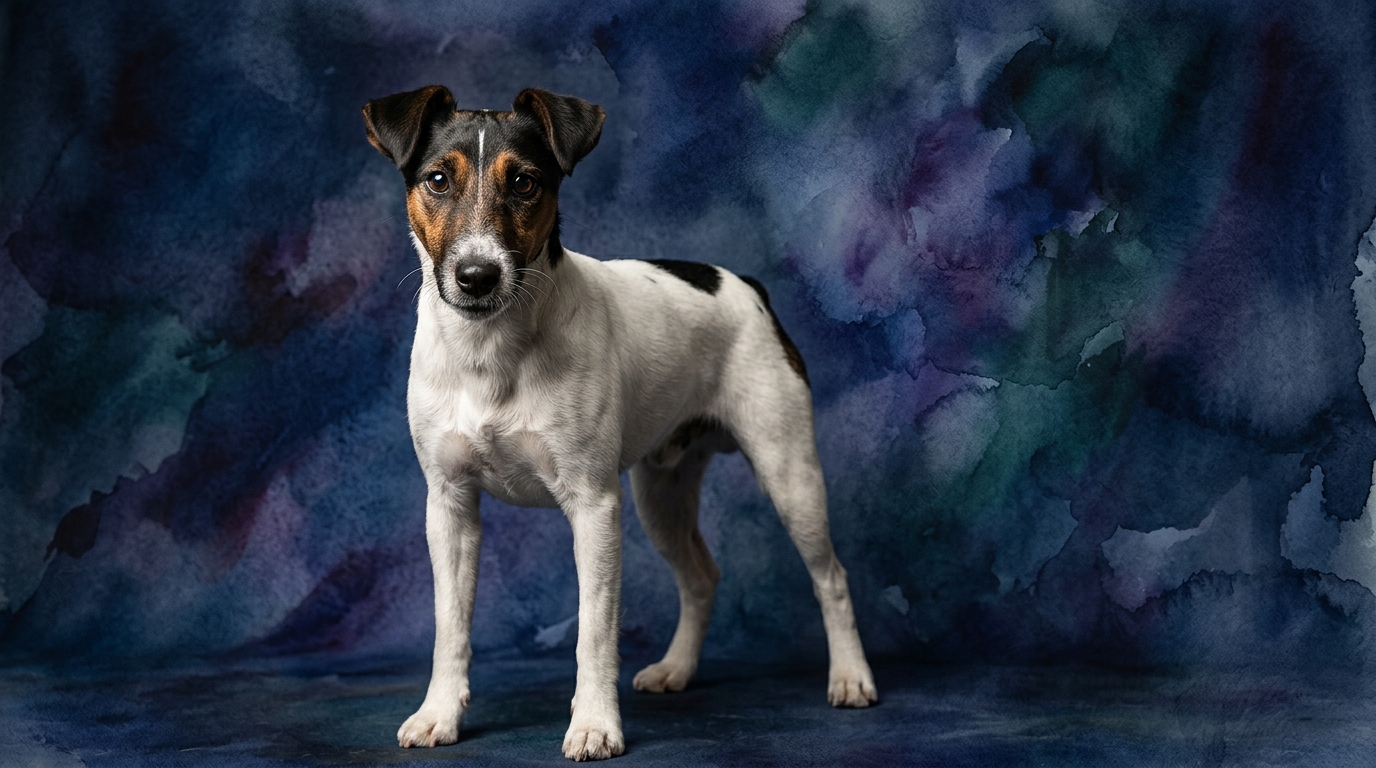
The **Smooth Fox Terrier**, a dynamic Terrier (not Coren-ranked), showcases a different set of cognitive priorities. Its **Problem Solving** capability is rated 3/5, demonstrating resourcefulness in overcoming physical obstacles and outsmarting small prey. **Training Speed** is a respectable 3/5, indicating a quicker grasp of commands compared to the Beagle, though still possessing a terrier's independent spirit. **Social Intelligence** is also 3/5, showing good awareness of its human companions and other dogs, but with a pronounced prey drive. Its **Instinctive Drive** is 3/5, manifesting as a general zest for chasing, digging, and exploration. **Memory** is rated 3/5, sufficient for remembering routines, commands, and past interactions effectively.
Where the Beagle's Mind Shines Brightest
The Beagle's cognitive strengths are profoundly rooted in its olfactory prowess. Its problem-solving capabilities, rated 4/5, shine brightest when unraveling complex scent puzzles. A Beagle will meticulously work out how to navigate a convoluted path to a hidden treat, not through visual cues, but by following an invisible aromatic thread with unwavering focus. This is a form of spatial and logical reasoning entirely centered on scent. Furthermore, their memory, also a strong 4/5, is exceptional for recalling specific scent profiles and the intricate layouts of areas where interesting smells have been detected. They commit these 'scent maps' to long-term memory, allowing them to revisit productive hunting grounds. The Beagle's instinctive drive, a perfect 5/5, isn't just a high score; it's the engine of their intellect, compelling them to use their cognitive tools relentlessly in pursuit of scent. This singular, powerful focus allows them to excel in tasks that demand sustained olfactory effort, outperforming many breeds in sheer scent-driven persistence, making them unparalleled in scent work and tracking.
The Smooth Fox Terrier's Cognitive Edge
The Smooth Fox Terrier demonstrates a different kind of cognitive agility, particularly in its training speed, rated 3/5. While not lightning-fast, they generally grasp new commands and routines more readily than a Beagle. Their eagerness to engage and their alert, responsive nature mean they often pick up on human cues and desired behaviors with fewer repetitions. This isn't just about speed; it's about a more direct line of communication between handler and dog, less interrupted by overriding instincts. Their problem-solving at 3/5, while not scent-focused like the Beagle's, is practical and resourceful. A Smooth Fox Terrier is more likely to figure out how to open a gate or outmaneuver a squirrel in a garden, using a blend of physical dexterity and quick thinking. Their instinctive drive, rated 3/5, is less singular than the Beagle's, manifesting as a broader curiosity and a general zest for action and exploration. This adaptability allows them to engage with a wider variety of tasks and challenges, often showing a spirited determination to 'get the job done,' whether it's chasing a ball or learning a new trick, highlighting a versatile and energetic cognitive approach.
Training Dynamics: A Tale of Two Instincts
When assessing ease of training, the Smooth Fox Terrier generally holds an advantage. Their training speed, rated 3/5, reflects a more direct and often more compliant approach to learning. They are typically keen to interact with their human, making them receptive to positive reinforcement and command-based training. While they possess a terrier stubbornness, it often manifests as a desire to do things 'their way' rather than a complete disregard for instruction. Their problem-solving abilities are geared towards understanding their environment and responding quickly. In contrast, the Beagle's training speed is a lower 2/5, largely due to its overwhelming instinctive drive (5/5). A Beagle's nose is its master. Once a compelling scent is detected, the world, including its human's commands, fades into the background. This isn't disobedience as much as it is an unshakeable adherence to their primary purpose. Training a Beagle requires immense patience, consistency, and often specialized techniques to compete with the allure of a captivating smell. Real-world scenarios highlight this: a Smooth Fox Terrier might pause its chase to respond to a recall, whereas a Beagle on a hot trail might continue for miles, deaf to all calls, illustrating the profound impact of their respective primary drives on trainability.
Matching Canine Cognition to Owner Lifestyles
For active owners seeking a canine companion to match their adventurous spirit, both breeds offer engagement, but with different flavors. An owner who enjoys long, meandering hikes, scent work games, or even tracking sports would find the Beagle an ideal partner. Their relentless instinctive drive and superior memory for trails mean they thrive on exploration guided by their nose, making every outing an olfactory adventure. They require consistent, moderate exercise to satisfy this drive, but the activity itself can be less structured. However, their independent nature means they aren't always 'on-leash' compliant, and a secure yard is paramount. The Smooth Fox Terrier, with its balanced instinctive drive and quicker training speed, suits an active owner who prefers more structured activities: agility, obedience, fetch, or even urban exploration. They enjoy having a job to do and excel when given clear tasks and opportunities to use their physical and mental agility. Their energy is often more intense bursts rather than sustained meandering, making them excellent companions for dog sports or a vigorous daily play session.
For relaxed owners, neither breed is truly a 'couch potato.' However, a relaxed owner willing to dedicate consistent time to structured play and mental stimulation might find the Smooth Fox Terrier more manageable in a contained environment, as their drive is more easily channeled. Their quicker training speed means they can learn household manners and boundaries more readily, provided their need for activity is met. A Beagle, if not given sufficient outlets for its scenting instinct, can become restless and destructive, often resorting to vocalizations or escape attempts to satisfy its profound drive. This makes the Beagle a less forgiving choice for a truly relaxed, low-engagement lifestyle, as their mental and physical needs are non-negotiable and deeply tied to their olfactory intellect.
The Verdict
Choose a Beagle if you are captivated by a dog's profound connection to scent, are prepared for a persistent, independent companion, and enjoy engaging in activities that harness their unparalleled olfactory abilities.
Opt for a Smooth Fox Terrier if you appreciate a spirited, quick-witted partner eager for structured interaction and are ready to channel their energetic, resourceful nature into varied activities.
🧠 Find Your Pet's IQ Score
Our Pet IQ Lab assessment covers 25+ tests across 5 cognitive dimensions — personalized to your breed.
Take the Full IQ Test →Frequently Asked Questions
Are Beagles difficult to train?
Beagles aren't 'difficult' in terms of learning capacity, but their training is uniquely challenging due to their overwhelming scent drive. They learn commands, but their powerful instincts often override immediate compliance, requiring exceptional patience and high-value rewards to maintain focus.
What kind of mental stimulation does a Smooth Fox Terrier need?
Smooth Fox Terriers thrive on varied mental stimulation, including puzzle toys, learning new tricks, and engaging in sports like agility or obedience. Their quick minds and energetic nature mean they enjoy tasks that require both physical and cognitive engagement to prevent boredom.
Can a Beagle and a Smooth Fox Terrier live together?
Yes, a Beagle and a Smooth Fox Terrier can coexist harmoniously, especially if introduced thoughtfully and socialized early. Their energy levels can complement each other, though owners should manage the Smooth Fox Terrier's higher prey drive around smaller pets and ensure both receive individual attention.