Side-by-Side Cognitive Profiles: Beagle vs. Staffy
The Cosmic Pet Pet IQ Lab employs a multi-dimensional approach to assess canine intelligence, moving beyond simple obedience to explore problem-solving, training speed, social intelligence, instinctive drive, and memory. For the Beagle, a breed historically valued for its exceptional nose, these dimensions paint a picture of a dog deeply connected to its olfactory world, while the Staffordshire Bull Terrier, though not Coren-ranked, presents a profile of a resilient companion with a different set of cognitive priorities.
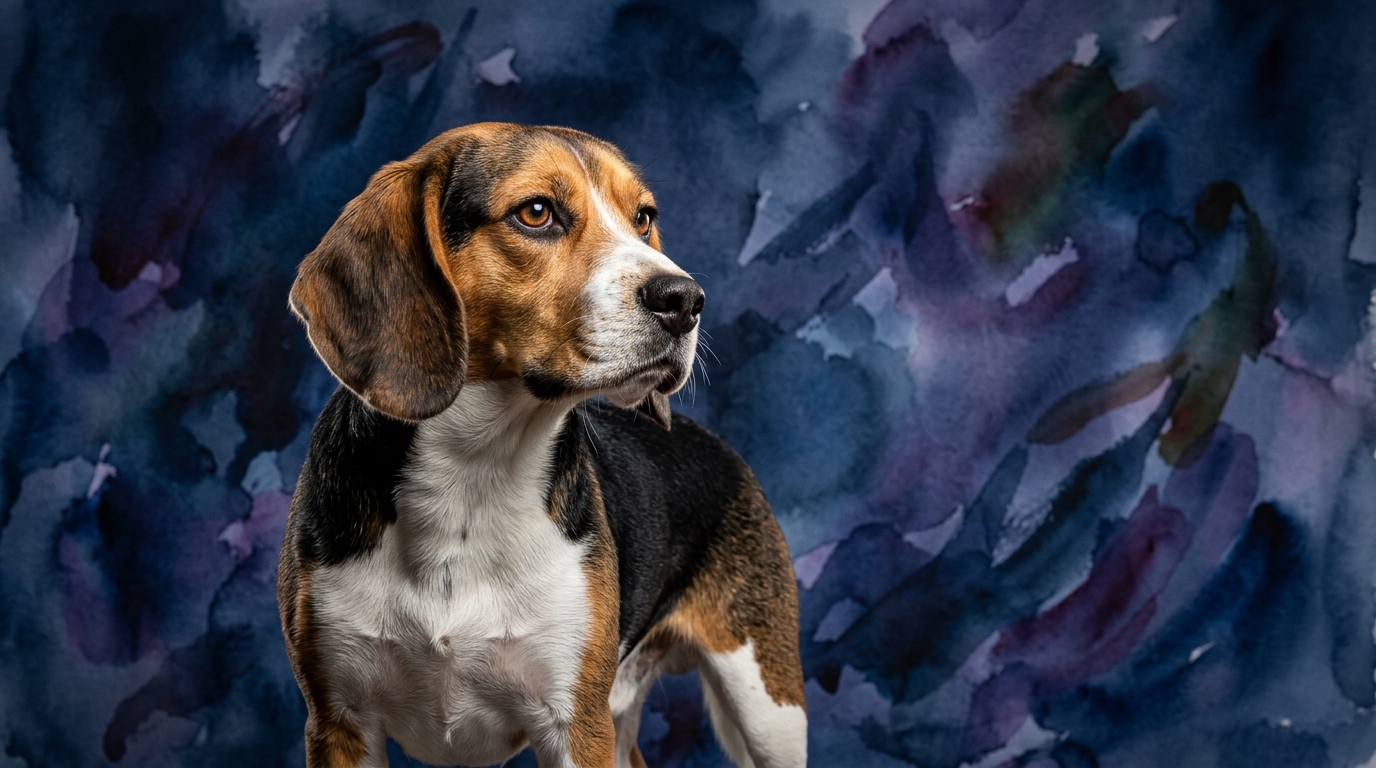
**Beagle (Coren Rank #72):** This hound’s cognitive strengths are heavily influenced by its lineage as a pursuit hunter. Its Problem Solving is rated 4/5, primarily excelling in tasks requiring scent-based deduction, like following complex trails or locating hidden items, rather than abstract puzzles. Training Speed is 2/5, reflecting a tendency for their powerful nose to override handler commands, making consistent obedience a slower process amidst environmental distractions. Social Intelligence scores 3/5; Beagles are generally amiable and enjoy company, but their primary focus during an interesting scent pursuit is often independent. Instinctive Drive is a commanding 5/5, almost exclusively dominated by their drive to track and follow scents, which can be an all-consuming passion. Finally, Memory is 4/5, particularly robust for recalling scent trails, locations of interesting smells, and the general layout of their hunting grounds.
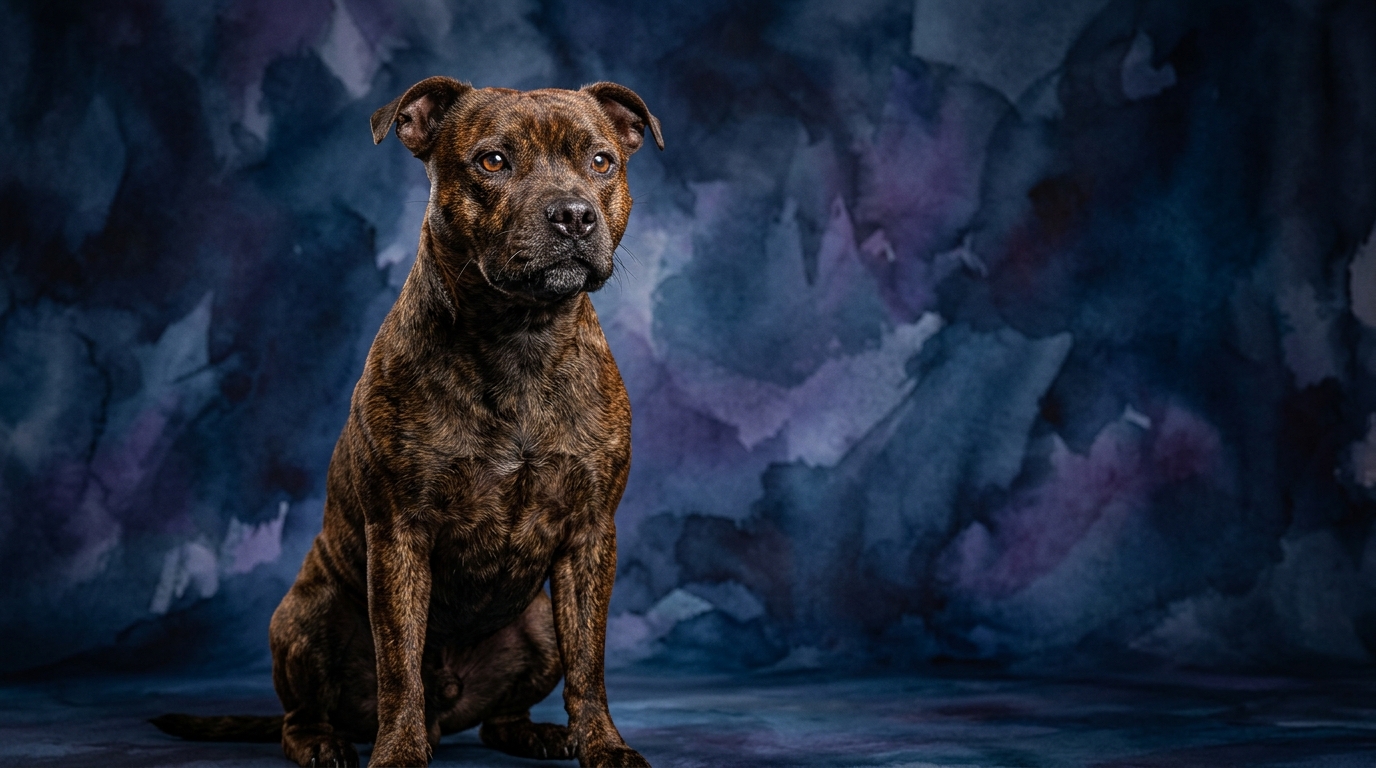
**Staffordshire Bull Terrier (Not Coren-Ranked):** The Staffy's cognitive makeup reflects its history as a companion and agile, tenacious breed. Its Problem Solving is 3/5, showing resourcefulness in navigating physical obstacles or figuring out how to access desired objects, often through persistence and physical manipulation. Training Speed is 3/5, indicating a moderate pace; Staffies can learn quickly when motivated and engaged with their handler, though they can also exhibit a stubborn streak characteristic of many terriers. Social Intelligence rates 3/5; they are typically devoted to their human families and sensitive to mood, but their social interactions with other dogs can be less nuanced, often requiring careful management. Instinctive Drive is 3/5, present in forms like a moderate prey drive for small animals or a desire to engage in vigorous play, but it is less singularly focused than a Beagle's scent drive. Memory is 3/5, sufficient for remembering routines, commands, and key people, but without the specialized olfactory recall seen in the Beagle.
Where the Beagle's Mind Shines Cognitively
The Beagle's cognitive triumphs are undeniably rooted in its olfactory prowess. Their 4/5 Problem Solving score truly comes alive when a challenge involves their nose; for example, they can meticulously work through complex scent discrimination tasks, identify specific odors among many, or solve 'find it' games with an almost unwavering focus. This isn't just about smelling; it's about interpreting and remembering a vast tapestry of scent data, a cognitive feat that few other breeds can match with such intensity.
Furthermore, their 4/5 Memory is exceptionally specialized for retaining spatial and olfactory information. A Beagle can remember a specific patch of ground where an interesting scent was discovered days prior, or recall the precise route of a rabbit trail through a dense field. This sophisticated scent memory allows them to build a detailed mental map of their environment based on smells, making them unparalleled in tasks requiring persistent tracking and environmental recall through scent.
Where the Staffordshire Bull Terrier's Mind Excels
The Staffordshire Bull Terrier, while not possessing the Beagle’s specialized olfactory genius, demonstrates its cognitive strengths in areas requiring physical tenacity, social engagement, and a pragmatic approach to challenges. Their 3/5 Problem Solving manifests as a resourceful determination; a Staffy might spend considerable time pushing, pawing, or jumping to retrieve a toy stuck under furniture, demonstrating physical problem-solving rather than analytical deduction. They are often quick to learn through trial and error when a desired outcome is clear and motivating.
Moreover, the Staffy's moderate 3/5 Training Speed, combined with their strong bond with humans, means they can be highly attentive to their handler when motivated. They often excel in activities that require a direct partnership and responsiveness to cues, such as agility or obedience, provided the handler makes the learning process engaging and positive. Their cognitive strength lies in their ability to focus on the human element, seeking interaction and direction from their chosen companions.
Training Dynamics: A Tale of Two Motivations
When it comes to training, the Beagle's 2/5 Training Speed is a direct consequence of its overwhelming 5/5 Instinctive Drive for scent. A Beagle can be learning a 'sit' command beautifully indoors, but the moment an interesting scent wafts by outdoors, their brain reroutes entirely, making consistent attention to the handler a significant challenge. Training a Beagle requires immense patience, creativity in making commands more rewarding than any potential scent, and often involves using their nose in training games to channel their natural drives productively.
The Staffordshire Bull Terrier, with its 3/5 Training Speed, presents a different training landscape. While they can be tenacious and have a moderate 3/5 Instinctive Drive that might manifest as a chase impulse, their primary motivation often lies in pleasing their handler and engaging in rewarding interactions. This means they are generally more responsive to traditional, reward-based training methods, though their terrier stubbornness can emerge if they don't see the value in a command or if they'd rather be doing something else. Success with a Staffy often hinges on consistent, positive reinforcement and making training feel like a fun, cooperative game.
Matching Minds to Lifestyles: Active vs. Relaxed Owners
The Beagle is an ideal companion for active owners who relish outdoor exploration and can appreciate a dog whose world is defined by scent. These are not dogs for relaxed, sedentary lifestyles unless their mental and physical needs are met through structured scent work or long, meandering walks where their nose can lead. Owners must be prepared for a dog that will enthusiastically follow a trail, potentially deaf to calls, and requires secure containment. They thrive with owners who enjoy hiking, scent games, or even competitive nose work, channeling their powerful instinctive drive into engaging activities.
The Staffordshire Bull Terrier, while certainly capable of high energy bursts and enjoying vigorous play, can adapt well to a slightly more relaxed pace provided they receive consistent mental stimulation and daily exercise. Their strong social intelligence (3/5) means they thrive on human companionship and interaction, making them suitable for owners who enjoy shared activities like fetch, walks, and cuddle sessions. Owners should be prepared for a devoted companion who needs engagement and consistent training to channel their tenacity and ensure polite interactions, especially with other dogs. They are excellent for those who want an engaged, affectionate partner for both adventure and quiet evenings.
The Verdict: Choosing Your Canine Companion
The Verdict
Choose a Beagle if you are an active, patient owner who is fascinated by the world of scent and prepared to manage a dog whose primary drive is its nose, offering outlets like scent work or long, exploratory walks. You will appreciate their independent problem-solving when following trails and their remarkable scent memory.
Opt for a Staffordshire Bull Terrier if you seek a devoted, resilient companion who thrives on human interaction and consistent, engaging training, capable of both energetic play and affectionate companionship. You will value their physical problem-solving and their eagerness to partner with you in various activities.
🧠 Find Your Pet's IQ Score
Our Pet IQ Lab assessment covers 25+ tests across 5 cognitive dimensions — personalized to your breed.
Take the Full IQ Test →Frequently Asked Questions
Which breed is better for first-time dog owners, considering their cognitive profiles?
The Staffordshire Bull Terrier might be slightly more manageable for a first-time owner due to their moderate training speed and strong desire to please, making them generally more responsive to handler-led training. Beagles, with their intense scent drive and lower training speed, require a more experienced hand to channel their instincts effectively and manage their independence.
How can I provide mental stimulation for a Beagle given its unique cognitive strengths?
To mentally stimulate a Beagle, focus on activities that engage their powerful sense of smell and memory. Scent work games, puzzle toys that dispense treats when 'sniffed out,' and long walks allowing them to explore and follow scent trails are excellent ways to satisfy their instinctive drives and sharpen their specialized cognitive abilities.
What kind of problem-solving challenges do Staffordshire Bull Terriers enjoy most?
Staffordshire Bull Terriers typically enjoy problem-solving challenges that involve physical manipulation, tenacity, and often a reward from their handler. Interactive toys that require pushing or pawing, agility courses, or even learning complex tricks that involve sequences of actions would appeal to their resourceful nature and desire for engagement.